
Knowledge for everyday life
Vitamins &
minerals.
Understand your needs.
What your body needs, where to find it in food and when a supplement may help: all 13 vitamins and the important minerals explained clearly.

Three options by need
Establish the purpose. Then choose.
For a vegan diet
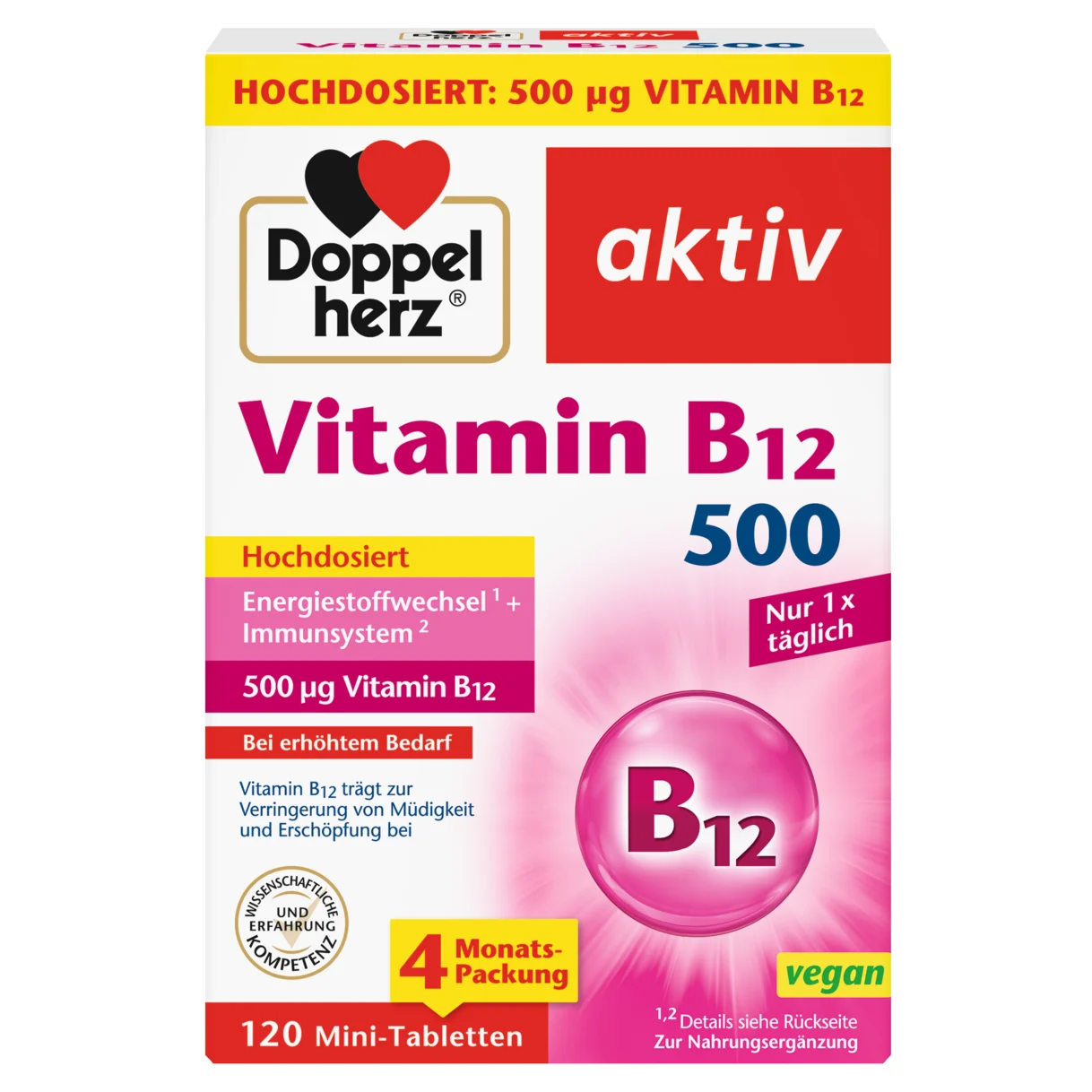
Doppelherz Vitamin B12 500
120 mini tablets · 500 µg B12 per tablet. A high-dose option for an appropriate B12 plan.
View on Amazon.de ↗Context and restrictions ↓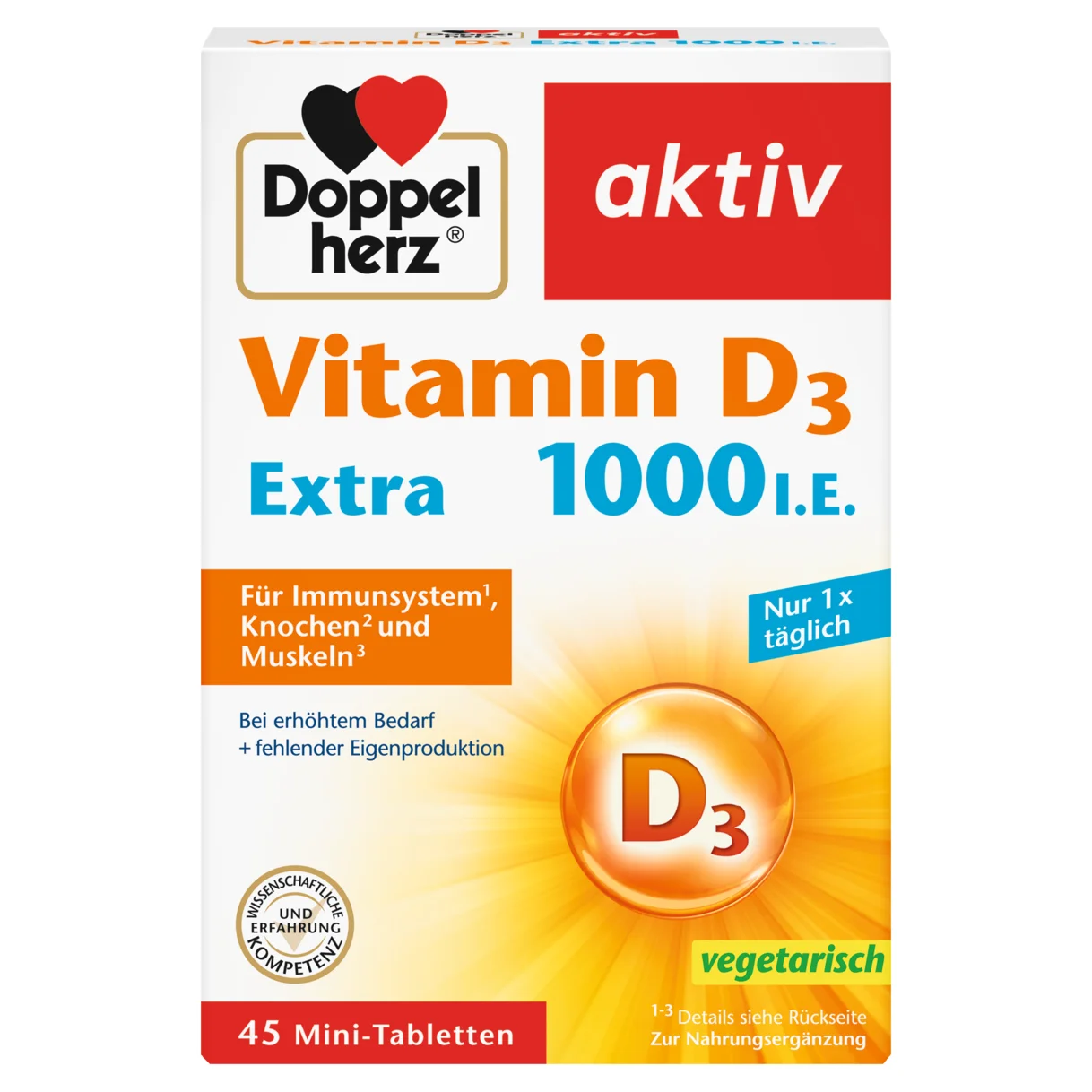
For an established vitamin D need
Doppelherz Vitamin D 1000 I.E. EXTRA
45 tablets · 25 µg D3 (1,000 IU) per tablet. Establish need and total intake first.
View on Amazon.de ↗Context and restrictions ↓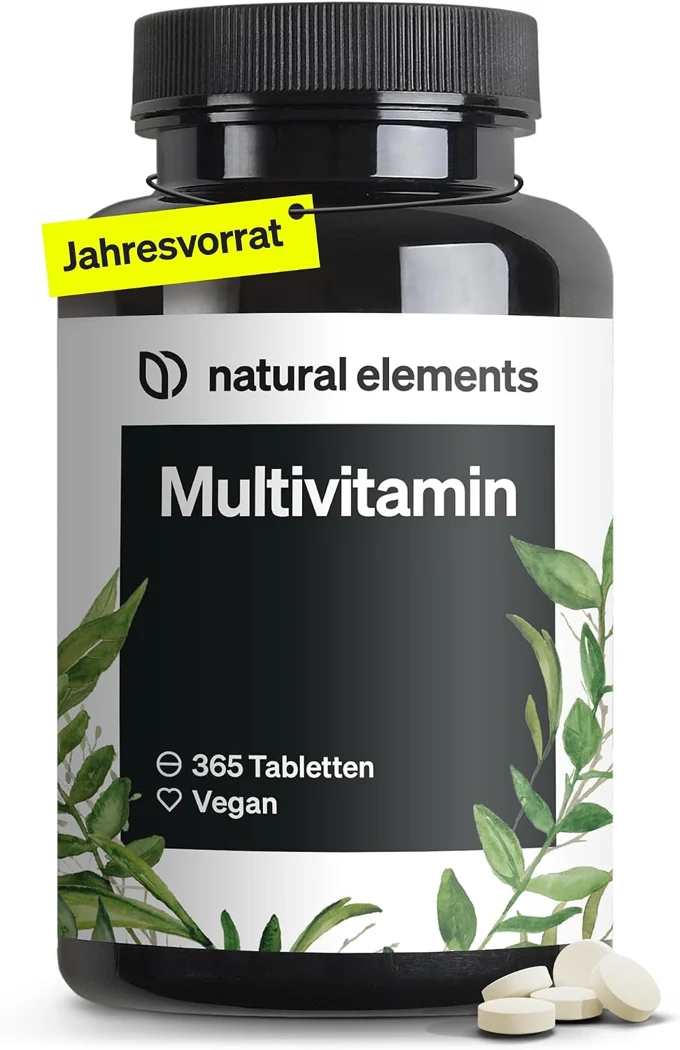
For several established dietary gaps
natural elements Multivitamin
365 vegan tablets · vitamins plus zinc and selenium. No added iron or iodine.
View on Amazon.de ↗Context and restrictions ↓Editorial selection, not a laboratory or efficacy test. Pack size, formulation and availability may change; the current label takes precedence.
Each nutrient has a specific purchase option. Many recommendations are foods because a separate supplement is not automatically useful. These examples are not calculated complete daily nutrition and do not treat a diagnosed deficiency.
Small amounts, essential jobs
Vitamins are organic micronutrients. Minerals are inorganic components of our diet. Neither provides calories, but they enable metabolism, blood formation, bone building and the work of nerves and muscles. A nutrient is not unimportant just because you need only micrograms.[1]
Absorbed with dietary fat and can be stored.
Eight B vitamins and vitamin C. High doses are not automatically safe here either.
Major and trace minerals mainly differ in the quantities needed.
Labels such as B4, B8, B10 or B11 sometimes appear in marketing. They are not additional recognised vitamins beyond the 13 described here. Cobalt forms part of vitamin B12; it is not a reason to take a separate cobalt product. Fluoride and chromium are explicitly discussed as special cases below.[1][2]
Save & look up
The overview: daily intake
The tables use DGE/ÖGE reference values for healthy adults aged 25 to under 51. They describe total daily intake from food and any supplements, not recommended tablet doses. Other ages, pregnancy, breastfeeding and illness may require different values. Germany-based reference values are retained in this English edition.
1 mg = 1,000 µg. RAE = retinol activity equivalents. NE = niacin equivalents (1 mg niacin or 60 mg tryptophan). Folate values are folate equivalents; synthetic folic acid amounts are not interchangeable one-for-one.
All 13 vitamins
| Nutrient | Role | Men / Women · per day | Type | Amazon.de recommendation |
|---|---|---|---|---|
| Vitamin A | Supports vision, mucous membranes, immunity and cell development. | 850 / 700 µg RAE[3] | R |  Alnatura Demeter carrot juice · 330 mlView on Amazon.de ↗ |
| Vitamin D | Helps calcium absorption, bone mineralisation and muscle function. | 20 / 20 µg[4] | E | Doppelherz Vitamin D 1000 I.E. EXTRA · 45View on Amazon.de ↗ |
| Vitamin E | Protects cell membranes as a fat-soluble antioxidant. | 8 / 8 mg α-Tocopherol[5] | E | 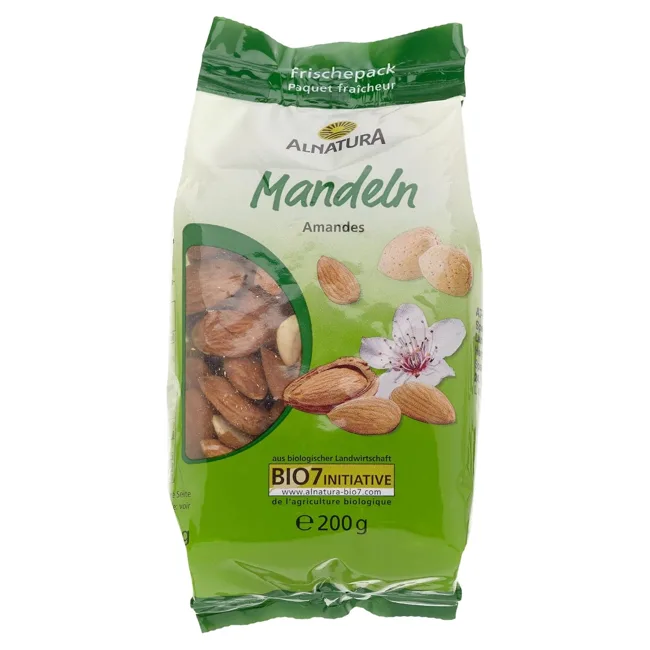 Alnatura organic almonds · 200 gView on Amazon.de ↗ |
| Vitamin K | Needed for blood clotting and certain bone proteins. | 70 / 60 µg[6] | E | 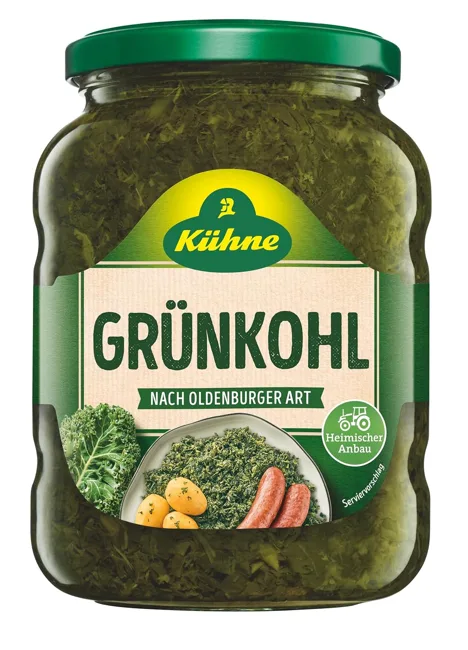 Kühne Oldenburg-style kale · 720 mlView on Amazon.de ↗ |
| Vitamin B1 · Thiamin | Supports energy metabolism and nerve signalling. | 1.2 / 1.0 mg[7] | R | 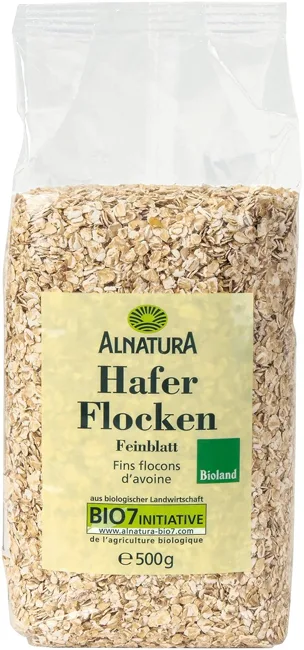 Alnatura organic fine oat flakes · 500 gView on Amazon.de ↗ |
| Vitamin B2 · Riboflavin | Works in enzymes involved in energy and nutrient metabolism. | 1.4 / 1.1 mg[8] | R | Alnatura organic almonds · 200 gView on Amazon.de ↗ |
| Vitamin B3 · Niacin | Forms part of coenzymes for energy release and cell function. | 15 / 12 mg NE[9] | R |  Rapunzel smooth peanut butter · 250 gView on Amazon.de ↗ |
| Vitamin B5 · Pantothenic acid | Forms part of coenzyme A and supports the building and breakdown of many nutrients. | 5 / 5 mg[10] | E | Alnatura organic fine oat flakes · 500 gView on Amazon.de ↗ |
| Vitamin B6 | Involved in amino acid metabolism, blood formation and neurotransmitter production. | 1.6 / 1.4 mg[11] | R | 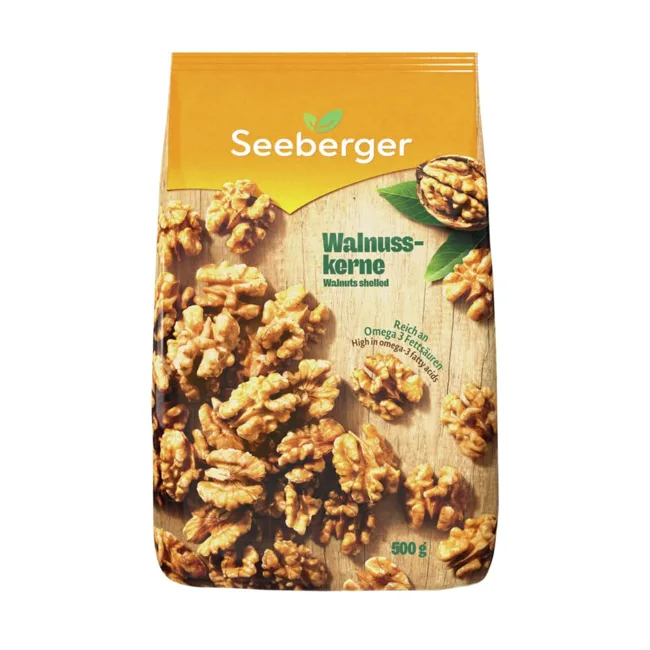 Seeberger walnut kernels · 500 gView on Amazon.de ↗ |
| Vitamin B7 · Biotin | Supports enzymes in fat, carbohydrate and amino acid metabolism. | 40 / 40 µg[12] | E | Alnatura organic fine oat flakes · 500 gView on Amazon.de ↗ |
| Vitamin B9 · Folate | Important for cell division, DNA synthesis and blood formation. | 300 / 300 µg folate equivalents[13] | R | 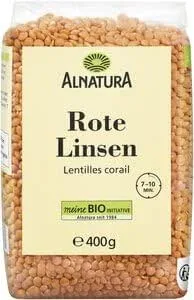 Alnatura organic red lentils · 400 gView on Amazon.de ↗ |
| Vitamin B12 · Cobalamins | Supports blood formation, cell division and the nervous system. | 4 / 4 µg[2] | E | Doppelherz Vitamin B12 500 · 120View on Amazon.de ↗ |
| Vitamin C | Supports collagen formation and improves absorption of plant iron. | 110 / 95 mg[14] | R |  Voelkel pure acerola juice · 330 mlView on Amazon.de ↗ |
Vitamin D needs a footnote. 20 µg equals 800 IU and applies when skin production is absent. It does not mean everyone should take an extra 800 IU every day.
Vitamin E: 8 mg for adults following reassessment. Iodine: 150 µg. Phosphorus: 550 mg. These differ from many older summaries.[15]
Major minerals
| Nutrient | Role | Men / Women · per day | Type | Amazon.de recommendation |
|---|---|---|---|---|
| Calcium | Builds bones and teeth; important for muscles, nerves and clotting. | 1,000 / 1,000 mg[16] | R | 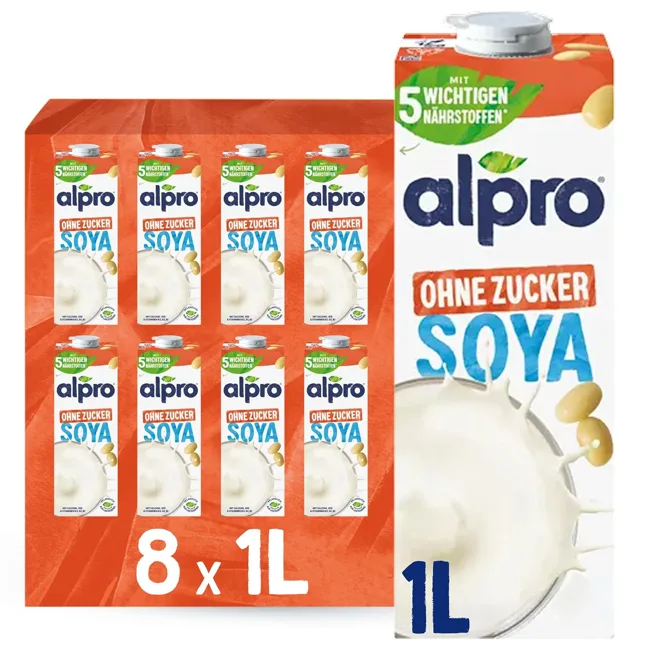 Alpro unsweetened soya drink · 8 × 1 lView on Amazon.de ↗ |
| Phosphorus | Forms part of bones, cell membranes and ATP, the cellular energy carrier. | 550 / 550 mg[17] | E | Seeberger walnut kernels · 500 gView on Amazon.de ↗ |
| Magnesium | Works in many enzymes and supports muscle and nerve function. | 350 / 300 mg[18] | E | Alnatura organic fine oat flakes · 500 gView on Amazon.de ↗ |
| Sodium | Regulates fluid balance and supports nerve impulses and muscle activity. | 1,500 / 1,500 mg[19] | E | 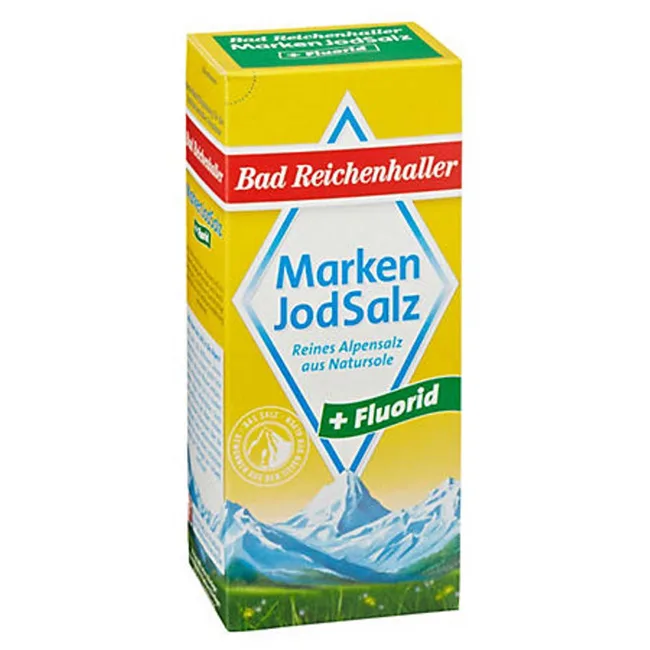 Bad Reichenhaller iodised salt + fluoride · 500 gView on Amazon.de ↗ |
| Chloride | Supports fluid and acid-base balance; forms part of stomach acid. | 2,300 / 2,300 mg[20] | E | Bad Reichenhaller iodised salt + fluoride · 500 gView on Amazon.de ↗ |
| Potassium | Important for cells, nerves, muscles and blood pressure regulation. | 4,000 / 4,000 mg[21] | E | Alnatura organic red lentils · 400 gView on Amazon.de ↗ |
| Sulfur | Forms part of sulfur-containing amino acids such as methionine and cysteine and various compounds in the body. | No separate reference value | N | Alnatura organic red lentils · 400 gView on Amazon.de ↗ |
Trace elements
| Nutrient | Role | Men / Women · per day | Type | Amazon.de recommendation |
|---|---|---|---|---|
| Iron | Enables oxygen transport and contributes to energy processes. | 11 / 16 mg; postmenopausal 14 mg[22] | R | Alnatura organic red lentils · 400 gView on Amazon.de ↗ |
| Iodine | Needed for thyroid hormones and metabolic regulation. | 150 / 150 µg[23] | R | Bad Reichenhaller iodised salt + fluoride · 500 gView on Amazon.de ↗ |
| Zinc | Supports enzymes, wound healing, cell division and immunity. | 11–16 / 7–10 mg[24] | R | Alnatura organic red lentils · 400 gView on Amazon.de ↗ |
| Selenium | Forms part of selenoproteins for cell protection and thyroid metabolism. | 70 / 60 µg[25] | E | 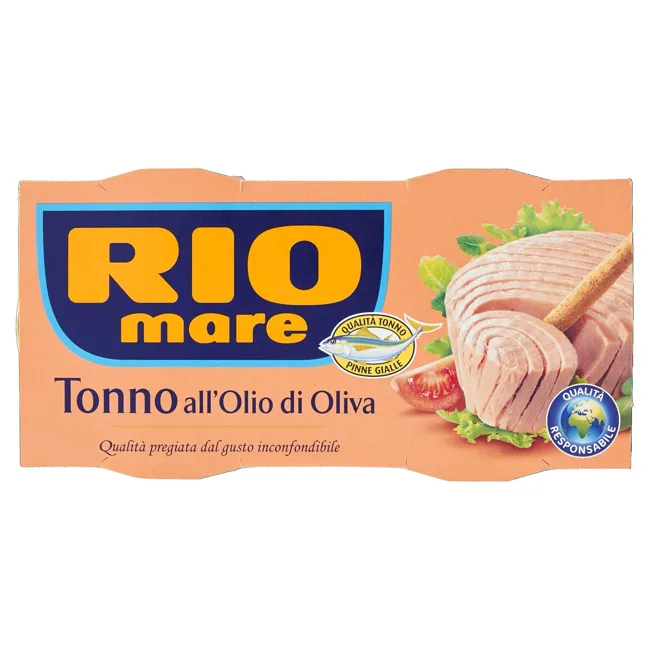 Rio Mare tuna in olive oil · 2 × 160 gView on Amazon.de ↗ |
| Copper | Supports iron metabolism, connective tissue and the nervous system. | 1.0–1.5 / 1.0–1.5 mg[26] | E | Alnatura organic almonds · 200 gView on Amazon.de ↗ |
| Manganese | Contributes to enzyme activity, metabolism and bone formation. | 2–5 / 2–5 mg[26] | E | Alnatura organic fine oat flakes · 500 gView on Amazon.de ↗ |
| Molybdenum | Forms part of enzymes, including those breaking down sulfur-containing compounds. | 50–100 / 50–100 µg[26] | E | Alnatura organic red lentils · 400 gView on Amazon.de ↗ |
Iron: 16 mg for premenopausal women and 14 mg after menopause. Zinc at low / medium / high phytate intake: men 11 / 14 / 16 mg, women 7 / 8 / 10 mg. See the individual sections for context.
Special cases
| Nutrient | Role | Men / Women · per day | Type | Amazon.de recommendation |
|---|---|---|---|---|
| Fluoride · Special case | Helps teeth resist decay; it is not an essential nutrient in the strict sense. | 3.5 / 3.0 mg[27] | G | 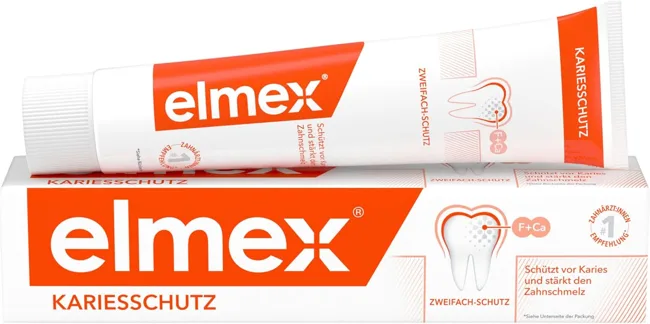 elmex caries protection toothpaste · 75 mlView on Amazon.de ↗ |
| Chromium · Debated status | Linked with insulin action and nutrient metabolism; its essential role remains scientifically debated. | DGE: 30–100 / 30–100 µg[26] | E | Alnatura organic fine oat flakes · 500 gView on Amazon.de ↗ |
Reference values guide population groups. One day below a value does not prove deficiency. A label showing over 100% NRV does not establish extra benefit or a safe dose: NRVs are labelling values, not personal needs or upper limits.[28]
From A to B12
All 13 vitamins explained individually
Deficiency can cause different problems. The examples below are not a self-diagnosis tool: tiredness, cramps or hair loss can have several causes. Find the corresponding reference values in the overview above.
Vitamin A
- Role in the body
- Supports vision, mucous membranes, immunity and cell development.
- Food sources
- Carrots, sweet potatoes and spinach provide precursors; eggs and dairy provide retinol.
- With deficiency
- Severe deficiency can cause night blindness.
- Excess / interactions
- Excess retinol can harm the liver and an unborn baby. High-dose beta-carotene is problematic for smokers.
- When to supplement?
- Discuss retinol supplements with a professional, particularly during pregnancy.
Sources: [3][29] · Back to overview ↑
Vitamin D
- Role in the body
- Helps calcium absorption, bone mineralisation and muscle function.
- Food sources
- Oily fish; its distinctive feature is production in the skin through sunlight.
- With deficiency
- Severe deficiency can cause osteomalacia in adults.
- Excess / interactions
- Excessive supplement doses can raise calcium and damage the kidneys.
- When to supplement?
- 20 µg applies when skin production is absent; it is not a universal extra dose. Deficiency treatment needs medical guidance.
Sources: [4][30] · Back to overview ↑
Vitamin E
- Role in the body
- Protects cell membranes as a fat-soluble antioxidant.
- Food sources
- Vegetable oils, almonds, hazelnuts and seeds.
- With deficiency
- Deficiency is rare and more likely with impaired fat absorption; nerves and muscles may be affected.
- Excess / interactions
- High supplement doses can increase bleeding risk.
- When to supplement?
- With adequate intake, a high-dose antioxidant is not a general extra benefit.
Sources: [5][32] · Back to overview ↑
Vitamin K
- Role in the body
- Needed for blood clotting and certain bone proteins.
- Food sources
- Kale, spinach, broccoli and vegetable oils.
- With deficiency
- Severe deficiency can impair clotting.
- Excess / interactions
- Supplements can alter the effect of vitamin K antagonists such as phenprocoumon.
- When to supplement?
- Keep intake consistent with these medicines and discuss changes. K2 is not a required addition to every vitamin D supplement.
Sources: [6][33] · Back to overview ↑
Vitamin B1 · Thiamin
- Role in the body
- Supports energy metabolism and nerve signalling.
- Food sources
- Whole grains, pulses, sunflower seeds and pork.
- With deficiency
- Severe deficiency can damage nerves and the heart; alcohol dependence raises risk.
- Excess / interactions
- The absence of an established upper limit does not recommend megadoses.
- When to supplement?
- Severe deficiency or malabsorption requires targeted treatment.
Sources: [7][34] · Back to overview ↑
Vitamin B2 · Riboflavin
- Role in the body
- Works in enzymes involved in energy and nutrient metabolism.
- Food sources
- Dairy, eggs, whole grains and mushrooms.
- With deficiency
- Deficiency can cause cracked mouth corners and mucosal changes.
- Excess / interactions
- Excess is excreted; high intake does not establish additional benefit.
- When to supplement?
- A varied diet often provides enough already.
Sources: [8][35] · Back to overview ↑
Vitamin B3 · Niacin
- Role in the body
- Forms part of coenzymes for energy release and cell function.
- Food sources
- Fish, meat, peanuts and whole grains; the body also makes niacin from tryptophan.
- With deficiency
- Severe deficiency causes pellagra with skin, gut and neurological problems.
- Excess / interactions
- High-dose nicotinic acid can cause flushing; very high doses can damage the liver.
- When to supplement?
- High-dose products are not a simple energy aid.
Sources: [9][36] · Back to overview ↑
Vitamin B5 · Pantothenic acid
- Role in the body
- Forms part of coenzyme A and supports the building and breakdown of many nutrients.
- Food sources
- Eggs, mushrooms, whole grains and pulses.
- With deficiency
- Isolated deficiency is very rare.
- Excess / interactions
- Extremely high supplement doses can cause diarrhoea.
- When to supplement?
- Routine single-nutrient supplementation is usually unnecessary with a varied diet.
Sources: [10][37] · Back to overview ↑
Vitamin B6
- Role in the body
- Involved in amino acid metabolism, blood formation and neurotransmitter production.
- Food sources
- Potatoes, bananas, whole grains, nuts, fish and meat.
- With deficiency
- Deficiency can contribute to skin changes and anaemia.
- Excess / interactions
- Long-term high supplemental intake can damage nerves.
- When to supplement?
- Check B-complex, magnesium combinations and multivitamins for overlapping B6.
Sources: [11][38] · Back to overview ↑
Vitamin B7 · Biotin
- Role in the body
- Supports enzymes in fat, carbohydrate and amino acid metabolism.
- Food sources
- Cooked eggs, nuts, oats and pulses.
- With deficiency
- Deficiency is rare; skin changes and hair loss can occur.
- Excess / interactions
- Biotin supplements can interfere with certain laboratory results.
- When to supplement?
- Disclose use before blood tests. Extra benefit for healthy hair without deficiency is not reliably established.
Sources: [12][39][40] · Back to overview ↑
Vitamin B9 · Folate
- Role in the body
- Important for cell division, DNA synthesis and blood formation.
- Food sources
- Leafy greens, broccoli, pulses and whole grains.
- With deficiency
- Deficiency can cause megaloblastic anaemia; adequate intake before pregnancy is particularly important.
- Excess / interactions
- High folic acid intake can mask blood signs of B12 deficiency.
- When to supplement?
- For possible/planned pregnancy, take an additional 400 µg folic acid daily starting before conception; a later start needs adjusted guidance.
Sources: [13][41] · Back to overview ↑
Vitamin B12 · Cobalamins
- Role in the body
- Supports blood formation, cell division and the nervous system.
- Food sources
- Fish, meat, dairy, eggs and reliably fortified foods.
- With deficiency
- Deficiency can cause anaemia and neurological damage.
- Excess / interactions
- No established upper limit does not mean every high dose is necessary.
- When to supplement?
- A reliable B12 supplement is essential for a vegan diet. With malabsorption, food alone may not be enough.
Sources: [2][42] · Back to overview ↑
Vitamin C
- Role in the body
- Supports collagen formation and improves absorption of plant iron.
- Food sources
- Peppers, broccoli, berries, kiwi and citrus fruit.
- With deficiency
- Severe deficiency causes scurvy and poor wound healing.
- Excess / interactions
- High supplemental doses can cause diarrhoea; take particular care with kidney stone susceptibility.
- When to supplement?
- Higher values apply to smokers: men 155 and women 135 mg daily.
Sources: [14][44] · Back to overview ↑
Bones, muscles, fluids
The major minerals
Calcium and magnesium are familiar. Sodium, chloride, potassium and phosphorus matter too. Sulfur is mainly supplied in amino acids. Everyday food choices are the right starting point for most of these nutrients.
Calcium
- Role in the body
- Builds bones and teeth; important for muscles, nerves and clotting.
- Food sources
- Dairy, calcium-fortified plant drinks and calcium-rich mineral water.
- With deficiency
- Long-term low intake can impair bone health.
- Excess / interactions
- Unnecessary high supplemental intake can contribute to kidney stones.
- When to supplement?
- Identify the actual dietary gap first; calcium can interfere with absorption of certain medicines.
Sources: [16][45] · Back to overview ↑
Phosphorus
- Role in the body
- Forms part of bones, cell membranes and ATP, the cellular energy carrier.
- Food sources
- Dairy, pulses, meat, nuts and whole grains.
- With deficiency
- Diet-related deficiency is rare in healthy people.
- Excess / interactions
- Excess phosphate can be problematic with impaired kidney function.
- When to supplement?
- Routine supplementation is normally unnecessary; note phosphate additives in highly processed foods.
Sources: [17][46] · Back to overview ↑
Magnesium
- Role in the body
- Works in many enzymes and supports muscle and nerve function.
- Food sources
- Whole grains, pumpkin seeds, nuts, pulses and mineral water.
- With deficiency
- Severe deficiency can cause muscle weakness, cramps and abnormal heart rhythms.
- Excess / interactions
- Supplements can cause diarrhoea; kidney disease increases risk.
- When to supplement?
- Not every cramp means deficiency. BfR recommends no more than 250 mg per daily serving of a supplement.
Sources: [18][47][48] · Back to overview ↑
Sodium
- Role in the body
- Regulates fluid balance and supports nerve impulses and muscle activity.
- Food sources
- Table salt, bread, cheese and many processed foods.
- With deficiency
- Low blood sodium often reflects disturbed water balance or losses, rather than simply eating little salt.
- Excess / interactions
- High salt intake increases high blood pressure risk.
- When to supplement?
- 1,500 mg sodium is not an extra salt target. German guidance is no more than 6 g table salt daily.
Sources: [19][49] · Back to overview ↑
Chloride
- Role in the body
- Supports fluid and acid-base balance; forms part of stomach acid.
- Food sources
- Mainly table salt and salted foods.
- With deficiency
- Deficiency can occur with major losses, such as prolonged vomiting.
- Excess / interactions
- More salt usually brings more sodium too.
- When to supplement?
- No routine stand-alone supplement is needed. Significant fluid and electrolyte losses require appropriate treatment.
Sources: [20][50] · Back to overview ↑
Potassium
- Role in the body
- Important for cells, nerves, muscles and blood pressure regulation.
- Food sources
- Potatoes, beans, vegetables, fruit and nuts.
- With deficiency
- Severe deficiency can cause muscle weakness and abnormal heart rhythms.
- Excess / interactions
- High blood levels can also cause dangerous heart rhythm disturbances.
- When to supplement?
- Discuss potassium supplements and potassium salt substitutes, particularly with kidney problems or certain medicines.
Sources: [21][51] · Back to overview ↑
Sulfur
- Role in the body
- Forms part of sulfur-containing amino acids such as methionine and cysteine and various compounds in the body.
- Food sources
- Protein foods such as eggs, dairy, pulses, fish and meat.
- With deficiency
- With adequate protein intake, isolated dietary sulfur deficiency is not the usual concern.
- Excess / interactions
- Its biological role does not establish a general benefit from MSM supplements.
- When to supplement?
- Sulfur is mainly supplied through dietary protein; no separate daily sulfur target is provided here.
Sources: [52][53] · Back to overview ↑
Needed in small amounts
The essential trace elements
Iron
- Role in the body
- Enables oxygen transport and contributes to energy processes.
- Food sources
- Meat, lentils, beans and whole grains; vitamin C improves plant iron absorption.
- With deficiency
- Deficiency can cause iron-deficiency anaemia, tiredness and poor exercise tolerance.
- Excess / interactions
- Overdose is dangerous; keep iron products away from children.
- When to supplement?
- Check the cause and blood results before supplementing. Tiredness alone does not prove iron deficiency.
Sources: [22][54] · Back to overview ↑
Iodine
- Role in the body
- Needed for thyroid hormones and metabolic regulation.
- Food sources
- Iodised salt, sea fish, dairy and eggs.
- With deficiency
- Deficiency can contribute to thyroid enlargement and dysfunction.
- Excess / interactions
- Excess can also disrupt thyroid function; seaweed can contain very high, variable amounts.
- When to supplement?
- Replace ordinary salt with iodised salt without using more. Discuss supplements first if you have thyroid disease.
Sources: [23][55] · Back to overview ↑
Zinc
- Role in the body
- Supports enzymes, wound healing, cell division and immunity.
- Food sources
- Meat, cheese, pulses, nuts and whole grains.
- With deficiency
- Deficiency can impair wound healing, taste and immune function.
- Excess / interactions
- Long-term high zinc intake can cause copper deficiency.
- When to supplement?
- The range depends on phytate: much unfermented whole grain and pulses reduces absorption. Soaking, sprouting and fermenting can help.
Sources: [24][56] · Back to overview ↑
Selenium
- Role in the body
- Forms part of selenoproteins for cell protection and thyroid metabolism.
- Food sources
- Fish, eggs, meat and plant foods with soil-dependent amounts.
- With deficiency
- Severe deficiency can affect the heart and muscles under particular conditions.
- Excess / interactions
- Excess can cause hair and nail changes and other toxicity symptoms.
- When to supplement?
- Brazil nuts are not a precise dosing tool because content varies. Avoid supplementing without a reason.
Sources: [25][57] · Back to overview ↑
Copper
- Role in the body
- Supports iron metabolism, connective tissue and the nervous system.
- Food sources
- Nuts, seeds, whole grains, cocoa and pulses.
- With deficiency
- Deficiency is rare but can be promoted by high zinc intake.
- Excess / interactions
- Excess can damage the liver; Wilson disease requires particular care.
- When to supplement?
- A stand-alone supplement needs a specific professional rationale.
Sources: [26][58] · Back to overview ↑
Manganese
- Role in the body
- Contributes to enzyme activity, metabolism and bone formation.
- Food sources
- Oats, nuts, pulses and tea.
- With deficiency
- Dietary deficiency is very rare.
- Excess / interactions
- Excessive exposure can damage the nervous system.
- When to supplement?
- Healthy adults generally do not need a routine stand-alone supplement.
Sources: [26][59] · Back to overview ↑
Molybdenum
- Role in the body
- Forms part of enzymes, including those breaking down sulfur-containing compounds.
- Food sources
- Pulses, whole grains and nuts.
- With deficiency
- Deficiency from an ordinary diet is exceptionally rare.
- Excess / interactions
- Very high doses have no established general health benefit and may be harmful.
- When to supplement?
- A varied diet gives no general reason for a stand-alone supplement.
Sources: [26][60] · Back to overview ↑
Putting fluoride and chromium in context
Fluoride · Special case
- Role in the body
- Helps teeth resist decay; it is not an essential nutrient in the strict sense.
- Food sources
- Drinking and mineral water, tea and fluoridated salt; toothpaste acts mainly locally.
- With deficiency
- No classic deficiency disease; low exposure may increase tooth-decay risk.
- Excess / interactions
- Excess total intake can cause fluorosis.
- When to supplement?
- The guidance value is not a tablet target. Do not deliberately swallow toothpaste or combine fluoride tablets and salt without coordination.
Sources: [27][61] · Back to overview ↑
Chromium · Debated status
- Role in the body
- Linked with insulin action and nutrient metabolism; its essential role remains scientifically debated.
- Food sources
- Whole grains, meat and various vegetables; amounts vary.
- With deficiency
- A clearly defined dietary chromium deficiency in healthy people has not been established.
- Excess / interactions
- Supplements can interact with medicines; this does not justify weight-loss claims.
- When to supplement?
- DGE lists an estimated value, while EFSA finds insufficient grounds for a reference value. No universal supplementation advice follows.
Sources: [26][62][63] · Back to overview ↑
Turning knowledge into better meals
You do not need a separate food for every vitamin. Combine recurring building blocks: vegetables and fruit, whole grains, pulses, nuts and suitable protein and calcium sources. DGE recommends, among other things, at least five portions of vegetables and fruit daily, a small handful of nuts daily and pulses at least weekly.[64]

Build a useful breakfast
Combine oats, plain yogurt or a calcium-fortified soy drink, berries and nuts.
Pair plant iron thoughtfully
Eat lentils or beans with peppers, broccoli or other vitamin-C-rich vegetables.
Read alternative-product labels
Check calcium, B12 and iodine separately in plant drinks. Fortification with one says nothing about the others.
Choose salt thoughtfully
If using salt, use a small amount of iodised salt. Do not increase salt intake to get more iodine.
These are meal ideas, not calculated complete daily nutrition. Energy needs, allergies and dietary choices remain individual.
When supplements may fit
A vegan diet requires reliable B12 supplementation. Additional folic acid has a clear purpose before a possible or planned pregnancy. Vitamin D may be useful when skin production is absent or low. Iron, iodine or calcium need consideration of individual intake and, where relevant, illness or blood results.[65]
Start folic acid in time. Take an additional 400 µg daily starting at least four weeks before conception until the end of the first trimester. With a later start, 800 µg is recommended; clarify timing and the appropriate product with a professional. This does not replace individual pregnancy advice.[66]
A multivitamin may be a practical format for several specific gaps. It neither automatically supplies all minerals nor replaces targeted deficiency treatment. Check especially vitamin A, B6, D, folic acid, zinc and selenium for overlap with other products.[67]
Four questions before buying
- Which nutrient do I need, and for what specific reason?
- How much do food, fortified products and all supplements provide together?
- Do the amount and product fit my medicines, illnesses and life stage?
- For how long should I supplement, and when will the situation be reviewed?
With kidney disease, potassium and magnesium need particular coordination. Calcium, iron, magnesium and zinc can require timing gaps with certain medicines. Ask a pharmacist or clinician to check the specific combination. Sport also adds a contamination risk; independent batch testing can reduce it but cannot eliminate it.[69]
Common questions
Do I need the exact table amount of everything every day?
No. The values guide intake over time. A single low day does not prove deficiency.
Are water-soluble vitamins safe in any amount?
No. In particular, long-term high B6 intake can damage nerves. High niacin, vitamin C and other doses can also cause problems.
Does 100% NRV mean I need the product?
No. NRVs are labelling values. Food already supplies nutrients; individual needs and upper limits are separate concepts.
Which blood test shows every vitamin deficiency?
There is no single useful blanket test for everything. Symptoms, diet, medicines and risk factors determine which tests answer a specific question.
Does this guide apply to children?
The tables and purchase options are for adults. Children, adolescents, pregnancy and breastfeeding require appropriate separate guidance.
What about choline and omega-3?
Both can matter nutritionally, but neither belongs to the 13 vitamins or the minerals covered here. Protein, essential fatty acids and fibre also remain important.
General health information for adults. This guide does not replace individual diagnosis or treatment. Seek clinical assessment for persistent symptoms or suspected deficiencies. Supplements do not replace a balanced diet.
Sources & further reading
As of 24 October 2026. Reference values: DGE/ÖGE; German values are also used in the English edition. Links in the tables and sections point to the relevant sources. Manufacturer information describes products; it does not establish a universal benefit from taking them.
- MedlinePlus · Vitamins
- DGE · Vitamin B12 · Referenzwerte
- DGE · Vitamin A · Referenzwerte
- DGE · Vitamin D · Referenzwerte
- DGE · Vitamin E · Referenzwerte
- DGE · Vitamin K · Referenzwerte
- DGE · Vitamin B1 · Thiamin · Referenzwerte
- DGE · Vitamin B2 · Riboflavin · Referenzwerte
- DGE · Vitamin B3 · Niacin · Referenzwerte
- DGE · Vitamin B5 · Pantothensäure · Referenzwerte
- DGE · Vitamin B6 · Referenzwerte
- DGE · Vitamin B7 · Biotin · Referenzwerte
- DGE · Vitamin B9 · Folat · Referenzwerte
- DGE · Vitamin C · Referenzwerte
- DGE · Neue Referenzwerte für Jod und Vitamin E
- DGE · Calcium · Referenzwerte
- DGE · Phosphor · Referenzwerte
- DGE · Magnesium · Referenzwerte
- DGE · Natrium · Referenzwerte
- DGE · Chlorid · Referenzwerte
- DGE · Kalium · Referenzwerte
- DGE · Eisen · Referenzwerte
- DGE · Jod · Referenzwerte
- DGE · Zink · Referenzwerte
- DGE · Selen · Referenzwerte
- DGE · Kupfer · Referenzwerte
- DGE · Fluorid · Sonderfall · Referenzwerte
- EFSA · Dietary reference values
- DGE · Vitamin A · FAQ
- DGE · Vitamin D · FAQ
- Doppelherz Vitamin D 1000 I.E. EXTRA · Hersteller / manufacturer
- DGE · Vitamin E · FAQ
- NIH ODS · Vitamin K
- DGE · Vitamin B1 · Thiamin · FAQ
- DGE · Vitamin B2 · Riboflavin · FAQ
- DGE · Vitamin B3 · Niacin · FAQ
- DGE · Vitamin B5 · Pantothensäure · FAQ
- DGE · Vitamin B6 · FAQ
- DGE · Vitamin B7 · Biotin · FAQ
- BfR · Nutzen und Risiken von Mikronährstoffsupplementen
- DGE · Vitamin B9 · Folat · FAQ
- DGE · Vitamin B12 · Cobalamine · FAQ
- Doppelherz Vitamin B12 500 · Hersteller / manufacturer
- DGE · Vitamin C · FAQ
- DGE · Calcium · FAQ
- DGE · Phosphor · FAQ
- DGE · Magnesium · FAQ
- BfR · Magnesium in Nahrungsergänzungsmitteln
- DGE · Natrium · FAQ
- DGE · Chlorid · FAQ
- DGE · Kalium · FAQ
- MedlinePlus · Protein in diet
- National Academies · Sulfate
- DGE · Eisen · FAQ
- DGE · Jod · FAQ
- DGE · Zink · FAQ
- DGE · Selen · FAQ
- NIH ODS · Copper
- NIH ODS · Manganese
- NIH ODS · Molybdenum
- DGE · Fluorid · Sonderfall · FAQ
- NIH ODS · Chromium · Debated status
- EFSA · Dietary Reference Values for chromium
- DGE · Gut essen und trinken
- DGE · Nahrungsergänzungsmittel
- Gesund ins Leben · Folsäure vor und während der Schwangerschaft
- NIH ODS · Multivitamin/mineral supplements
- natural elements Multivitamin · Hersteller / manufacturer
- DGE · Sicherheitsaspekte bei Nahrungsergänzungsmitteln im Sport
Photos: Brooke Lark / Unsplash, IDonmDWrXO8 · HlNcigvUi4Q · Unsplash License. Product images: Doppelherz / Queisser and natural elements.
Product information
- Alnatura Demeter carrot juice · 330 ml
- Alnatura organic fine oat flakes · 500 g
- Alnatura organic almonds · 200 g
- Kühne Oldenburg-style kale · 720 ml
- Rapunzel smooth peanut butter · 250 g
- Seeberger walnut kernels · 500 g
- Alnatura organic red lentils · 400 g
- Voelkel pure acerola juice · 330 ml
- Alpro unsweetened soya drink · 8 × 1 l
- Bad Reichenhaller iodised salt + fluoride · 500 g
- Rio Mare tuna in olive oil · 2 × 160 g
- elmex caries protection toothpaste · 75 ml
- Doppelherz Vitamin B12 500 · 120
- Doppelherz Vitamin D 1000 I.E. EXTRA · 45