
NUTRITION · MUSCLE · RECOVERY
Which protein powder suits you? An evidence-based guide and top 10
The best protein powder is one that reliably fills a real gap in your diet. If you tolerate dairy, ordinary whey can be a practical choice. For a vegan diet, consider soy or a suitable plant protein blend. Isolate and clear whey are mainly worth considering when their composition or texture makes your daily routine easier.
This guide is for healthy adults who lift weights or want to plan their protein intake more carefully. It explains benefits, limitations, tolerance and cost, and compares ten specific products with Amazon.de links.
Advertising / affiliate links: As an Amazon Associate I earn from qualifying purchases. This does not change the price you pay.
Three different needs, three starting points
Number 7
Plant based, without sweeteners
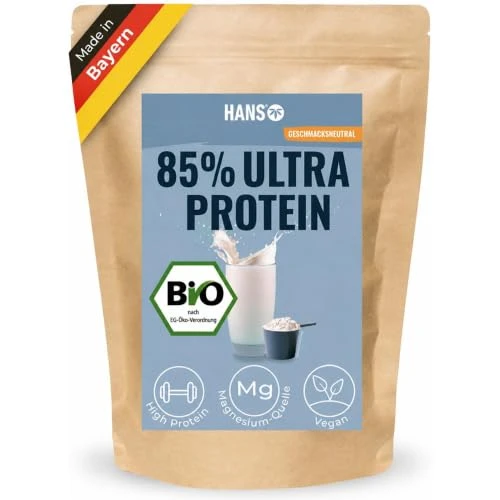
HANS Brainfood Veganes Proteinpulver
Unflavoured · 1000 g
Pea, rice and hemp without sweeteners
View on Amazon*Number 5
A clear drink instead of a milky shake
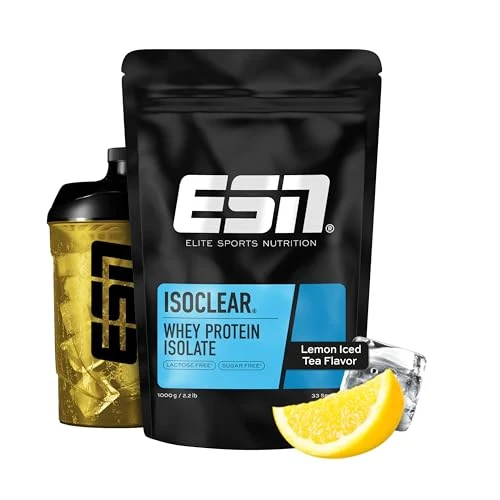
ESN ISOCLEAR Whey Isolate
Lemon Iced Tea · 1000 g
Clear texture instead of a creamy shake
View on Amazon*Number 1
Whey for an established routine
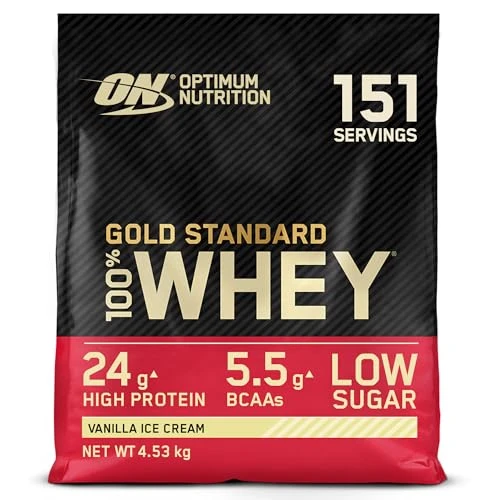
Optimum Nutrition Gold Standard 100% Whey
Vanilla Ice Cream · 4530 g
A versatile whey blend
View on Amazon*Top 10 protein powders: from number 10 to number 1
The order prioritises straightforward general use. A higher position does not mean a proven larger effect on muscle growth. For a vegan diet, the plant options are more suitable than number 1.
| Rank | Photo | Product & variant | Key advantage | Main limitation | Offer |
|---|---|---|---|---|---|
| 10 | 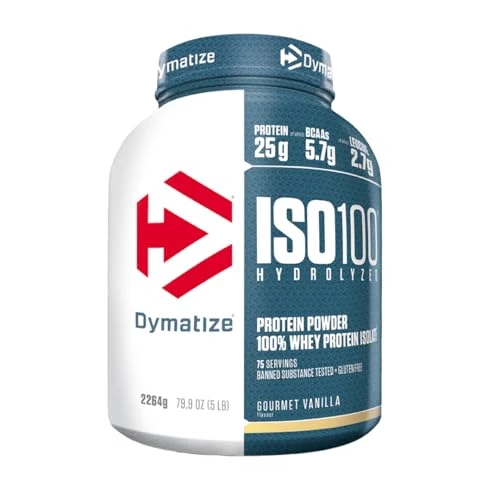 | Dymatize ISO 100 HydrolyzedGourmet Vanilla · 2264 g | Hydrolysed whey plus isolate | Extra benefit over ordinary whey uncertain | View on Amazon* |
| 9 | 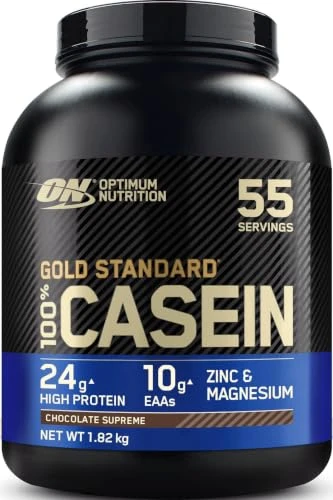 | Optimum Nutrition Gold Standard 100% CaseinChocolate Supreme · 1820 g | More slowly digested milk protein | A bedtime shake is not compulsory | View on Amazon* |
| 8 | 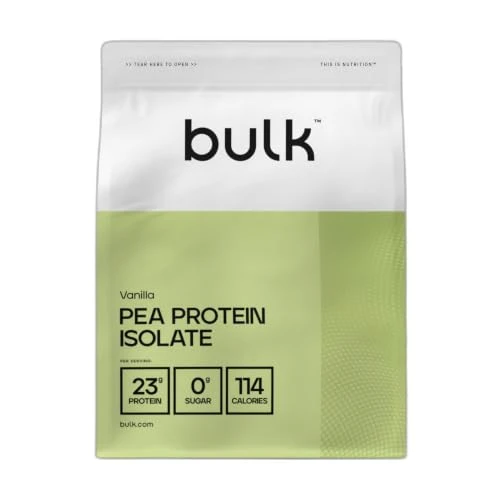 | Bulk Erbsenprotein Isolat PulverVanilla · 2500 g | Vegan alternative without a whey base | Does not replace a varied diet | View on Amazon* |
| 7 | | HANS Brainfood Veganes ProteinpulverUnflavoured · 1000 g | Pea, rice and hemp without sweeteners | Unflavoured still has a natural taste | View on Amazon* |
| 6 | 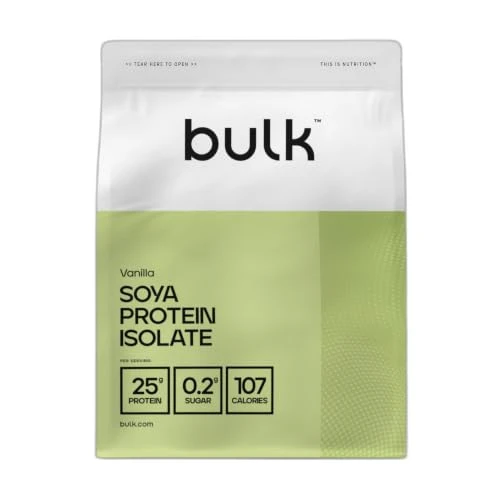 | Bulk Soja-Protein Isolat 90Vanilla · 2500 g | A well-studied plant protein source | Contains soy; flavoured version | View on Amazon* |
| 5 | | ESN ISOCLEAR Whey IsolateLemon Iced Tea · 1000 g | Clear texture instead of a creamy shake | Milk protein, not a vegan drink | View on Amazon* |
| 4 | 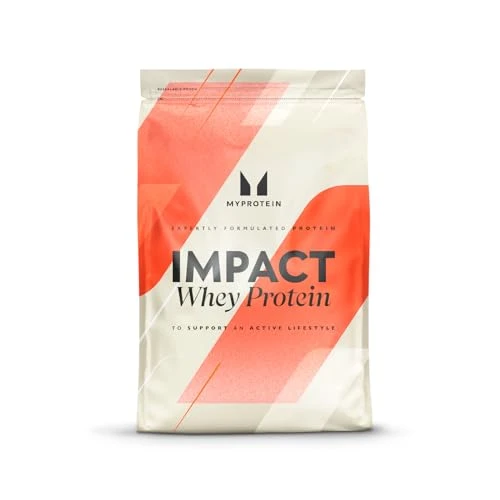 | Myprotein Impact Whey ProteinChocolate Smooth · 2500 g | A straightforward whey concentrate option | Value depends on the actual offer | View on Amazon* |
| 3 | 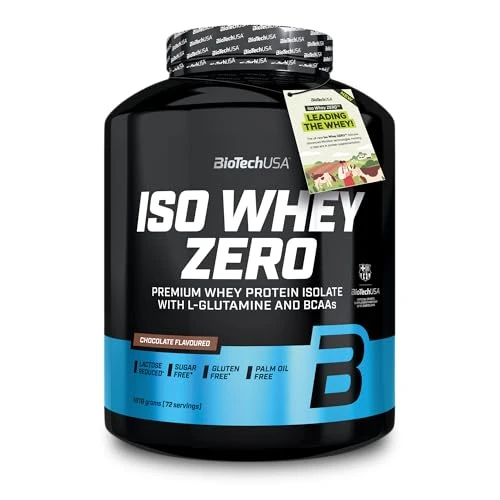 | BioTechUSA Iso Whey ZeroChocolate · 1816 g | An isolate base for a deliberate choice | Reduced lactose is not guaranteed lactose-free | View on Amazon* |
| 2 | 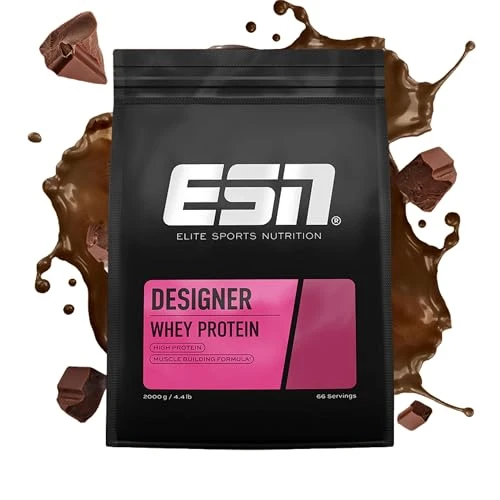 | ESN Designer Whey Protein PulverMilk Chocolate · 2000 g | Whey concentrate and isolate combined | Dairy base; taste matters too | View on Amazon* |
| 1 | | Optimum Nutrition Gold Standard 100% WheyVanilla Ice Cream · 4530 g | A versatile whey blend | Try the flavour before buying a large bag | View on Amazon* |
How we selected the products
We compare protein source, practical use, ingredient profile and identifiable limitations. The selection draws on manufacturer information, research and discoverable Amazon.de product references. It is an editorial comparison, not our own laboratory or taste test, and not an Amazon sales ranking. We have not assessed every Amazon product. Check the retailer for prices and actual delivery availability. Nutrition values can change with flavour, recipe and pack size, so we do not apply a single protein figure to every variant.
What does protein powder actually do for muscle growth?
Protein supplies amino acids, which the body uses to build muscle protein among other tissues. Powder is a concentrated food source of these building blocks. Training and an appropriate diet remain essential: a shake cannot replace progressive resistance exercise, enough energy or recovery.
A meta-analysis of 49 studies involving 1,863 participants found a modest average additional benefit from protein supplementation during resistance training. Above a total intake of roughly 1.6 g/kg of body weight per day, the model found no further average benefit for fat-free mass. This is neither an individual cut-off nor a safety limit. [1]
Concentrate, isolate and hydrolysate: whey is milk-derived protein. Isolate has more accompanying substances removed; hydrolysis partly breaks protein into smaller components. Faster digestion does not itself establish greater long-term muscle growth. Pay extra for a benefit you need, rather than a technical-sounding name.
Number 10 · Hydrolysate for a specific preference
Dymatize ISO 100 Hydrolyzed
Gourmet Vanilla · 2264 g
Strength: Combining hydrolysed whey protein isolate with isolate offers a specific alternative to ordinary whey concentrate.
Limitation: The processing does not guarantee extra muscle growth. It still contains milk protein and does not solve a milk allergy.
Who it suits – and who it does not: Adults who deliberately choose a hydrolysate and tolerate it well. Usually unnecessary for a first purchase; the large tub assumes you already know the flavour.
Compared with the alternative: Compared with ESN Designer Whey, the more extensively processed protein base is the distinguishing feature. With adequate total daily intake, any practical advantage needs to be judged individually.
View on Amazon*When should you drink it: after training, at breakfast or before bed?
Plan your daily total first, then spread protein-containing meals in a way that fits your day. A narrow 30-minute window does not determine your results by itself. Before or after exercise often comes down to meal spacing and stomach comfort. The ISSN position stand gives 20–40 g of high-quality protein per meal or serving as a common guide. This means protein, not powder weight. [3]
If you ate before training and dinner is coming soon afterwards, another shake is not automatically needed. If you train without eating and your next meal is hours away, a shake may be convenient. Casein digests more slowly than whey and can work in a thicker snack. Depending on its composition, an evening serving of quark or soy yogurt may fill the same gap in your meal plan.
Number 9 · Casein for a thicker snack
Optimum Nutrition Gold Standard 100% Casein
Chocolate Supreme · 1820 g
Strength: Micellar casein suits people who specifically want a thicker texture and a slower protein source.
Limitation: It contains milk protein, is not vegan and is unsuitable for milk allergy. An extra bedtime shake may simply increase an already adequate daily total.
Who it suits – and who it does not: A planned protein gap in the evening or between meals. Less suitable if you want a light, clear drink or already get enough protein from food.
Compared with the alternative: Unlike ESN ISOCLEAR, this is a creamy milk protein product. Quark may also be a straightforward food alternative for a similar occasion.
View on Amazon*Vegan protein: what does research say about pea, rice and blends?
Plant protein can be a useful source of dietary protein. Quantity, essential amino acids and the rest of your diet all matter. Plant sources do not have identical amino acid proportions. Combining pulse and grain proteins can bring complementary profiles together; a larger number of ingredients does not automatically improve quality.
A 2025 meta-analysis found a small average muscle-mass advantage for animal over plant protein, but no difference between soy and milk protein in that subgroup. Evidence for other plant sources is more limited. This supports neither “vegan protein does not work” nor “every vegan powder is identical to whey”. [4]
In practice, look beyond the front of the bag. Check the protein source, actual protein content, any available amino acid analysis and your own tolerance. A varied diet remains useful even when you choose a suitable powder.
Number 8 · Pea protein as a single plant source
Bulk Erbsenprotein Isolat Pulver
Vanilla · 2500 g
Strength: Pea protein isolate allows a targeted plant-based addition if you do not want milk protein.
Limitation: A single protein source does not replace varied food choices. Its natural flavour and texture may differ considerably from whey.
Who it suits – and who it does not: Vegan adults who tolerate pea protein. Unsuitable for pea allergy; check precautionary allergen labelling if you have other allergies.
Compared with the alternative: Unlike the HANS blend, it uses a single main protein source. This vanilla version should not be confused with an unsweetened, unflavoured version.
View on Amazon*Unflavoured, organic or sweetened: what helps with everyday use?
An unflavoured powder is useful if you want to control sweetness or add it to porridge and savoury meals. “Unflavoured” does not mean tasteless: ingredients may retain dairy, pea or cereal notes. Start with a small amount stirred into the finished meal, then adjust liquid and seasoning.
Organic labelling describes agricultural production conditions. It does not prove greater muscle-building effects or the absence of all contaminants. Likewise, “natural” alone tells you little about protein content. Clear ingredients, an identifiable manufacturer and a use that fits your life matter more than a crowded collection of front-of-pack badges.
A simple everyday test is to ask whether you would regularly eat the product without its fitness branding. If you dislike the taste, a large bag does not save money just because its price per kilogram is lower.
Number 7 · Unsweetened plant protein blend
HANS Brainfood Veganes Proteinpulver
Unflavoured · 1000 g
Strength: The pea, rice and hemp blend can be added to meals without imposing a sweet flavour.
Limitation: The organic label does not establish superior muscle effects. The plant ingredients may still have a noticeable taste without any sweeteners.
Who it suits – and who it does not: Adults looking for plant protein and control over sweetness. Unsuitable for allergy to any ingredient; a dessert-style shake needs additional recipe planning.
Compared with the alternative: Unlike the selected vanilla Bulk soy protein, this blend is unsweetened and combines several plant protein sources.
View on Amazon*Is soy protein a useful alternative to whey?
Soy is particularly interesting because it has been studied more extensively than many other plant proteins. A meta-analysis published in 2026 covering longer studies found no statistically significant differences in body composition or strength between plant supplements, predominantly soy, and animal supplements. However, populations, doses and training differed; the finding does not establish identical effects for every product. [5]
A practical decision can follow a simple sequence: does soy fit your diet, do you tolerate it, do you like the texture and taste, and is the cost per amount of actual protein attractive? If so, the word “plant” alone is not a general reason to switch to whey.
Soy protein is unsuitable for soy allergy. A recipe without milk does not automatically exclude all possible cross-contact with allergens: the specific pack label remains important.
Number 6 · Soy isolate for a vegan routine
Bulk Soja-Protein Isolat 90
Vanilla · 2500 g
Strength: Soy protein isolate offers a clearly identifiable single protein base for a regular vegan supplement.
Limitation: Unsuitable for soy allergy. Do not read “90” in the product name as the protein percentage of every flavoured version.
Who it suits – and who it does not: Vegan adults who want a vanilla shake and tolerate soy. Not appropriate for a soy-free diet.
Compared with the alternative: The main difference from Bulk pea protein is the source. Tolerance and the label of the selected flavour matter more than the brand name.
View on Amazon*Clear whey: a lighter drink that still contains milk protein
Clear whey lets you consume protein as a clear, fruity drink instead of a creamy shake. Its main advantages are texture and taste. It is not a special fat burner and replaces neither water nor planned carbohydrate intake during long endurance sessions. [6]
The transparent appearance can be misleading: whey remains milk-derived protein. It is therefore unsuitable for milk allergy even in a clear drink. For lactose intolerance, the specific label and remaining lactose matter. Mixing a powder with water says nothing about whether the powder is lactose-free.
To prepare it, put cold water in the shaker first, add powder, shake and allow the foam to settle. Follow the water quantity on the pack. A tart drink may suit an afternoon break better than coffee or porridge.
Number 5 · Clear whey for people who prefer fruity drinks
ESN ISOCLEAR Whey Isolate
Lemon Iced Tea · 1000 g
Strength: Lemon Iced Tea offers a distinctly different way to add protein to your diet.
Limitation: The clear appearance does not change the milk protein base. A price premium only makes sense if you actually prefer this type of drink.
Who it suits – and who it does not: Adults who dislike creamy shakes. Unsuitable for milk allergy; with lactose intolerance, check the specific pack labelling.
Compared with the alternative: Compared with Designer Whey, the clear drinking experience is central. This pack is not an electrolyte drink or a complete meal replacement.
View on Amazon*Compare the cost per 25 g of protein, not per scoop
The pack price and price per kilogram can be misleading. Two equally sized bags do not necessarily contain the same amount of protein. A manufacturer's scoop is not a standard unit of comparison either.
A 1,000 g bag containing 75% protein provides 750 g protein. At €30, an amount supplying 25 g protein costs exactly €1.00. A 1,000 g isolate containing 85% protein at €40 costs about €1.18 for the same protein amount.
Formula: price × 25 ÷ (pack weight in g × protein fraction as a decimal).
The first powder is cheaper per amount of protein in this example. The second may still make sense if you tolerate its composition better. Use the exact flavour and pack you intend to buy. Include shipping in your own total-cost comparison; voucher and subscription prices are not necessarily permanent.
Number 4 · A conventional concentrate for cost comparisons
Myprotein Impact Whey Protein
Chocolate Smooth · 2500 g
Strength: Impact Whey is a practical comparison point if you want ordinary whey rather than a specialist clear drink.
Limitation: Concentrate retains accompanying milk components and is not automatically lactose-free. The brand name does not establish the lowest price.
Who it suits – and who it does not: Adults who tolerate dairy and compare offers by actual protein quantity. The 2,500 g bag makes sense only once you know that you like Chocolate Smooth.
Compared with the alternative: Here concentrate is the focus, compared with the isolate base of BioTechUSA Iso Whey Zero. Compare total cost and exact composition instead of assuming fixed quality tiers.
View on Amazon*Bloating, lactose and allergies: what is worth changing?
Discomfort after a shake can have several causes: lactose, a large serving, the milk used to mix it or individual ingredients. Change one variable at a time where possible: a smaller serving first, then perhaps water instead of milk, or a different protein source. This makes it easier to identify what you tolerate.
Lactose intolerance and milk allergy are different. With intolerance, an appropriately labelled low-lactose or lactose-free product may be an option. Whey and casein remain unsuitable for milk protein allergy. “Isolate” and “hydrolysed” are not allergy clearances. Strong or recurring symptoms warrant medical assessment.
A current example of careful label reading: BioTechUSA describes Iso Whey Zero as having reduced lactose. We do not turn this into a blanket “lactose-free” promise. The portion consumed and the label on the actual delivered product matter. [12]
Number 3 · Isolate with reduced lactose
BioTechUSA Iso Whey Zero
Chocolate · 1816 g
Strength: The whey protein isolate base is relevant if you specifically want a different composition from concentrate.
Limitation: It contains milk protein, added amino acids and sweeteners. “Zero” does not mean that all nutrients or allergens are absent.
Who it suits – and who it does not: Adults choosing an isolate while accounting for the specific lactose content or label. Unsuitable for milk allergy.
Compared with the alternative: Unlike Dymatize ISO100, hydrolysis is not the principal distinction here. For both products, more processing does not guarantee better training results.
View on Amazon*How to read ingredients and quality claims
Start with the protein source. Does the label list whey concentrate, whey isolate, casein, soy or pea? If a blend also contains collagen, it does not automatically belong in the same comparison as pure whey. Next check allergens, sweeteners and protein per 100 g; then consider the marketing claims.
Naturally occurring BCAAs are part of a complete protein. Highlighting them on the pack does not automatically make the product superior. Conversely, a long ingredient list alone does not prove poor quality: flavourings and thickeners have functions, although they may not fit your intended use.
Competitive athletes should look for verifiable anti-doping programmes rather than generic words such as “premium”. The Kölner Liste explicitly explains that screening reduces risk but cannot guarantee the complete absence of prohibited substances. Check the particular product and, where applicable, the batch; we do not award an unsupported purity badge here. [7]
Number 2 · A whey blend for a creamy shake
ESN Designer Whey Protein Pulver
Milk Chocolate · 2000 g
Strength: Designer Whey combines concentrate and isolate in a product range designed around creamy shakes.
Limitation: It is not automatically lactose-free. A wide choice of flavours does not demonstrate superior effectiveness.
Who it suits – and who it does not: Adults seeking a conventional milk-chocolate shake who tolerate dairy. Unsuitable for a vegan diet or milk allergy.
Compared with the alternative: Compared with ESN ISOCLEAR, the creamy format is more suited to milky shakes and porridge. Compared with Optimum Nutrition, the specific recipe, taste preference and offer are more useful deciding factors.
View on Amazon*How much protein do you need, and how much should come from powder?
The DGE recommends 0.8 g protein/kg of body weight per day for healthy adults under 65 and gives an estimated adequate intake of 1.0 g/kg from age 65. For more demanding sport, roughly 1.2–2.0 g/kg may be appropriate depending on workload. Recreational activity does not automatically require a sports shake. With substantial excess weight, simple calculations using current body weight may be inappropriate. [2]
Example for a healthy 80 kg adult who regularly lifts weights: choosing 1.6 g/kg as a planning value gives 128 g protein per day. If normal meals already provide 105 g, the calculated gap is 23 g. A powder containing 80% protein would require about 29 g of powder to fill it. This is an illustration, not an individual prescription.
First record your meals on three typical days, using food labels. Count the milk or plant drink added to a shake. You do not need to create a gap to justify a purchase: if food, exercise and your daily routine already work together, an additional shake is unnecessary.
Number 1 · An all-round whey for an established routine
Optimum Nutrition Gold Standard 100% Whey
Vanilla Ice Cream · 4530 g
Strength: Combining different forms of whey provides a straightforward base for shakes and for mixing into meals.
Limitation: The linked 4,530 g bag ties up money and storage space. It is not a sensible first-time blind purchase or a solution for milk allergy.
Who it suits – and who it does not: Adults who tolerate dairy, already know Vanilla Ice Cream and supplement regularly. Vegan readers should choose one of the plant options.
Compared with the alternative: Number 1 reflects general versatility within this selection, not proven superiority to ESN or Myprotein. Cost per protein amount and personal taste may change your decision.
View on Amazon*Which protein type fits which situation?
| You tolerate dairy and want an ordinary shake | Whey concentrate or a whey blend; try a small pack first. |
|---|---|
| You want a plant-based supplement | Soy isolate or a plant blend; consider allergens and your overall diet. |
| You dislike creamy shakes | Clear whey, which still contains milk protein. |
| You want to cook or bake without sweeteners | An explicitly unsweetened, unflavoured powder. |
| You have lactose intolerance | Check the specific lactose label and serving size. |
| You have milk allergy | Avoid whey and casein; identify a suitable milk-free alternative. |
Who needs additional care?
If you have kidney disease, agree your protein intake individually with your healthcare team; general sports targets are unsuitable for this purpose. A prescribed protein restriction, complex illness or unexplained symptoms also call for professional guidance. [8] This adult comparison is not a dosing guide for children, pregnant people or those who are breastfeeding. Protein powder is not a complete meal either: repeatedly displacing varied meals can make it easier to overlook fibre and other nutrients.
Common questions about protein powder
Does protein powder make you gain fat?
Your overall energy balance matters. Adding a shake without changing anything else adds energy. Its role is different when planned into a meal rather than treated as an unplanned extra.
Can protein powder help with weight loss?
It can simplify protein planning, but does not burn fat by itself. Count the complete shake, including milk, oats or nut butter. A balanced plan and resistance training matter more than a tub labelled “diet”.
Do women need a different protein powder?
Pink packaging does not create a special need. Total intake, training goals, dietary preferences and tolerance matter more. Pregnancy and breastfeeding need separate consideration.
Can you use protein powder every day?
Frequency alone is not the deciding factor. Need, total intake, tolerance and health status matter. On days without a protein gap, there is no practical reason for an extra serving.
Does 30 g of powder mean 30 g of protein?
No. At 80% protein, 30 g powder provides 24 g protein. Check the nutrition panel and weigh the scoop if you are unsure how much it holds.
Is isolate always better than concentrate?
No. It may suit a particular composition preference or tolerance need. Ordinary whey is adequate for many people. More processing and a higher price do not prove greater muscle growth.
Sources and further product information
Scientific findings and product features serve different purposes. Manufacturer information describes a product; it does not establish direct superiority over the other brands.
- Morton et al. (2018), British Journal of Sports Medicine – 49 trials, 1,863 participants
- DGE – Protein und unentbehrliche Aminosäuren, FAQ (2025)
- ISSN position stand: protein and exercise (2017)
- Effect of Plant Versus Animal Protein – Nutrition Reviews (2025)
- Long-term effects of plant vs. animal protein – Frontiers in Nutrition (2026)
- NIH Office of Dietary Supplements – Exercise and Athletic Performance
- Kölner Liste – FAQs
- NIDDK – Healthy Eating for Adults with Chronic Kidney Disease
- Optimum Nutrition – Gold Standard 100% Whey, EU
- ESN – Designer Whey
- ESN – ISOCLEAR
- BioTechUSA – Iso Whey Zero
- Dymatize Europe – ISO100 Hydrolyzed
- Optimum Nutrition – Gold Standard 100% Casein, EU
- Bulk – Pea Protein Isolate
- HANS – Ultra Protein Mix 85
- Bulk – Soya Protein Isolate
- Myprotein – Impact Whey Protein