
10 / 10 · Specific strongman carries
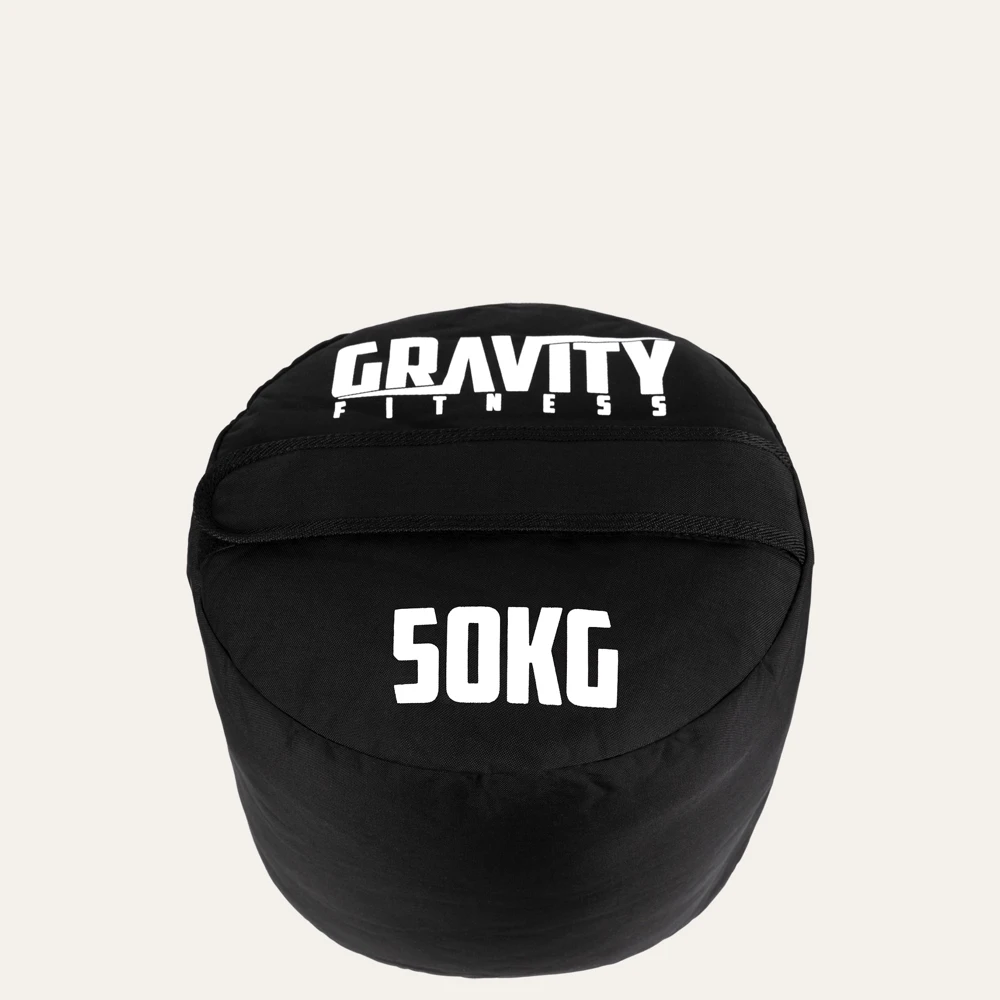
Gravity Fitness Strongman Sandbag 50 kg
Bulky load without handles. Unsuitable for a light start.
View on Amazon*Training technique & guide
A training sandbag is a compact strength tool for lifting, squatting, rowing and carrying. It is particularly useful if you want to practise different grips and holding positions with limited equipment. The priorities are a suitable design and a load you can pick up and put down safely. More weight and more wobbling do not automatically improve an exercise.
For healthy adults starting sandbag training or adding it to an existing strength routine.
Go to the training plan ↓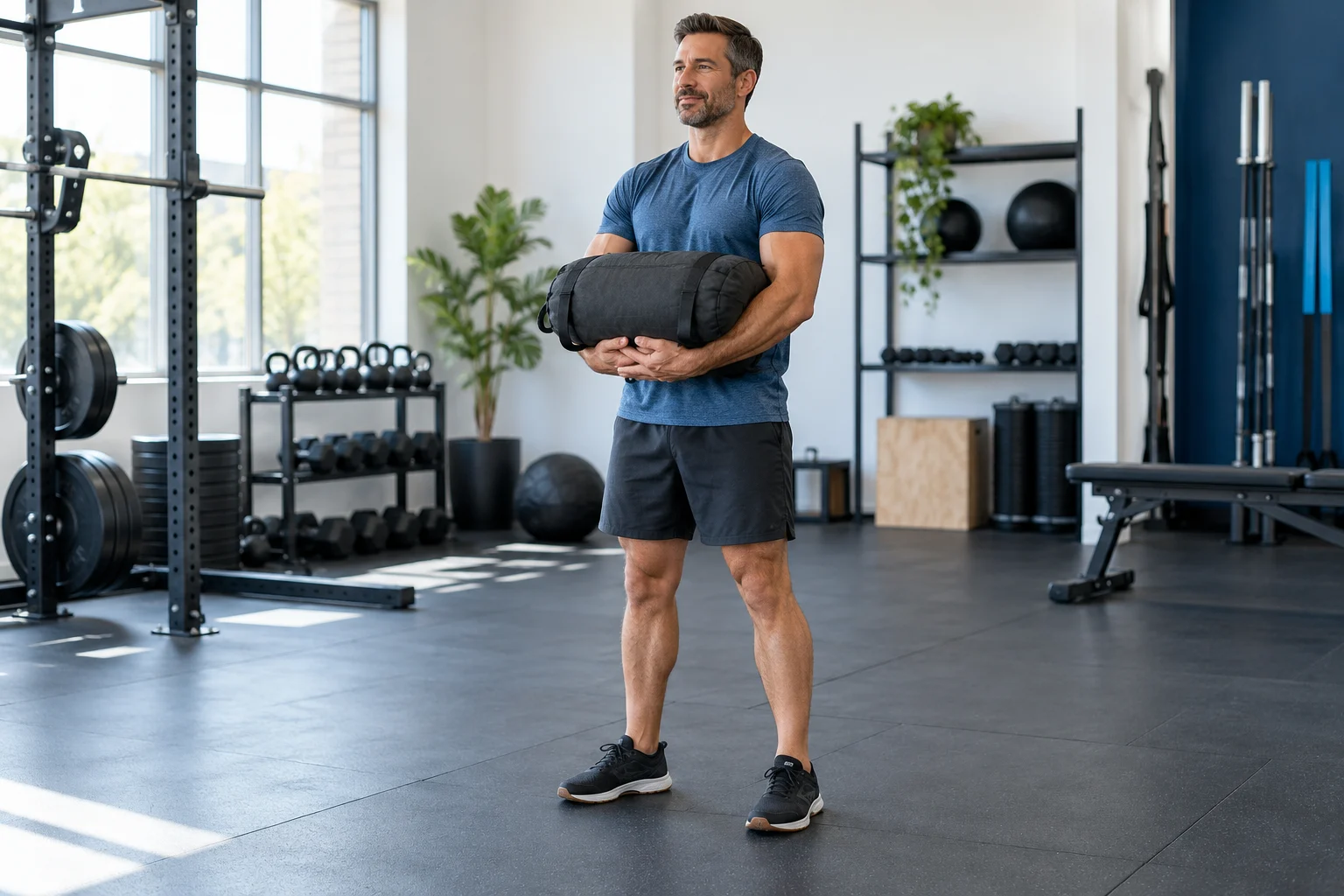
Advertising / affiliate links: As an Amazon Associate I earn from qualifying purchases. This does not add to your cost.
10 / 10 · Specific strongman carries
Bulky load without handles. Unsuitable for a light start.
View on Amazon*6 / 10 · Start without filling
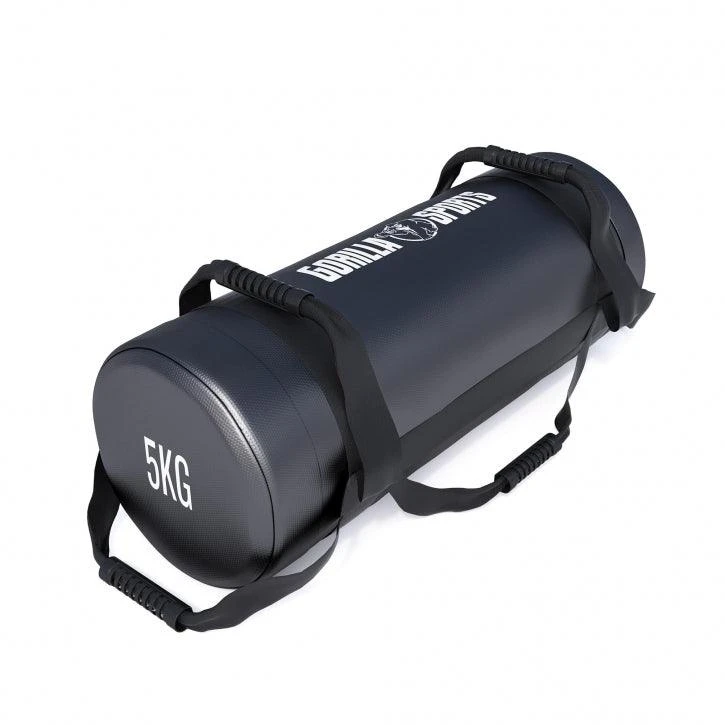
Prefilled and relatively light. No small weight adjustment.
View on Amazon*1 / 10 · Variable loading in one tool
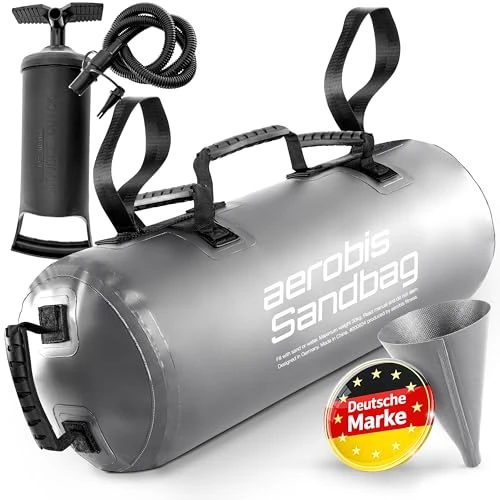
Adjustable filling and behaviour. Check valve and handle limits.
View on Amazon*| Rank | Photo | Model / variant | Decision benefit | Main limitation | Amazon.de |
|---|---|---|---|---|---|
| 10 | | Gravity Fitness Strongman Sandbag 50 kg | Bulky load without handles | Unsuitable for a light start | View on Amazon* |
| 9 | 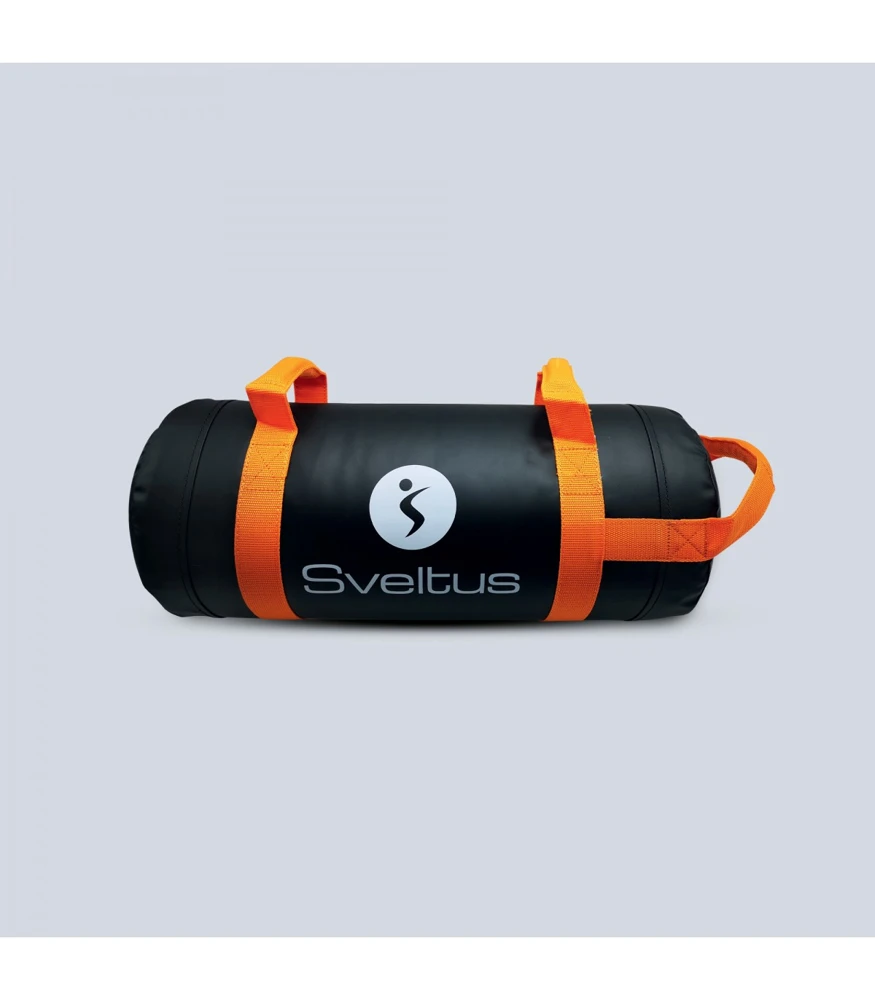 | Sveltus Sandbag 10 kg · 4710 | Fixed load, padded handles | Only three grip positions | View on Amazon* |
| 8 | 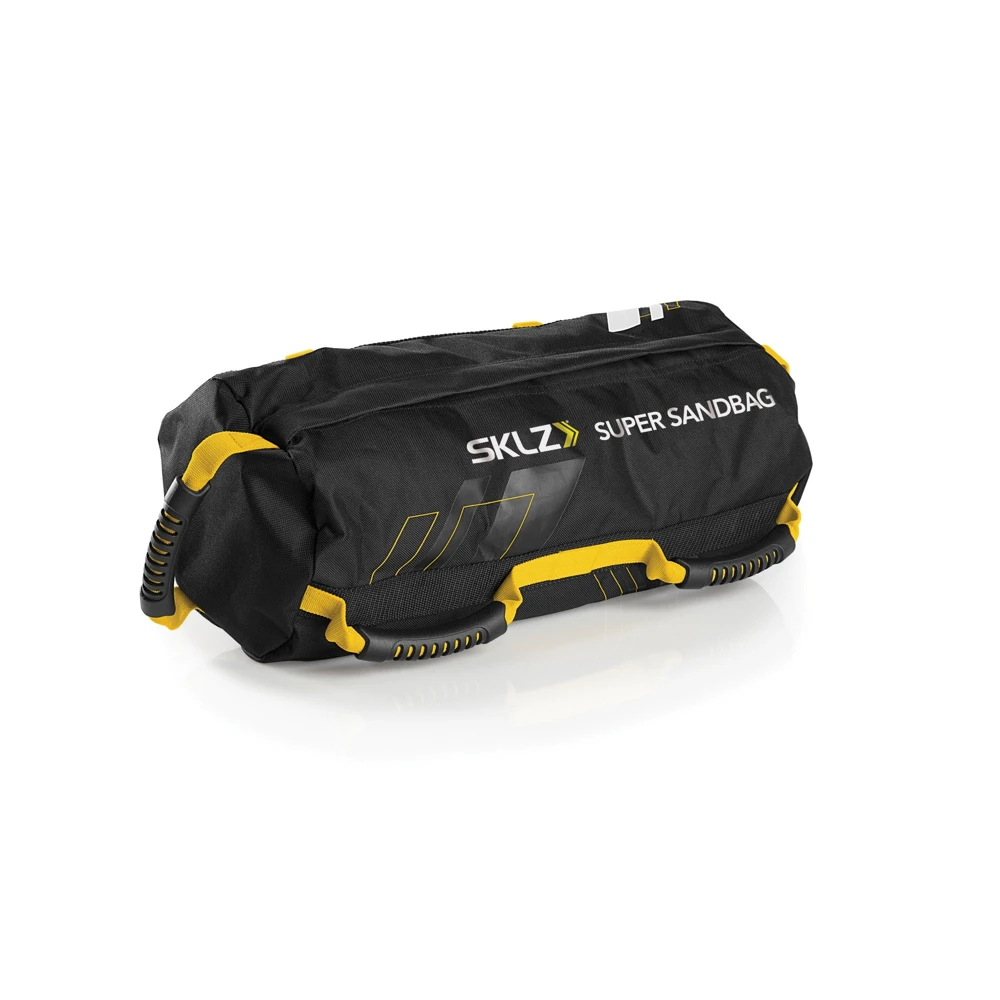 | SKLZ Super Sand Bag · 0308 | Four separate filler bags | Filling material required separately | View on Amazon* |
| 7 | 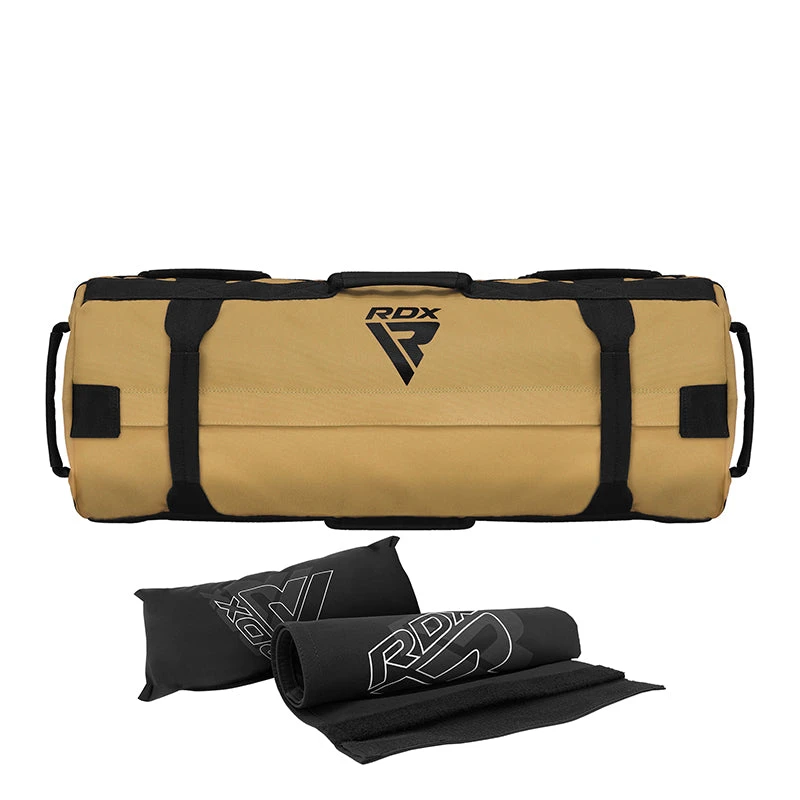 | RDX FBC · Khaki · 25–75 lb | Adjustable intermediate loading | Higher range than a light starter bag | View on Amazon* |
| 6 | | Gorilla Sports Power Bag · 5 kg | Prefilled and relatively light | No small weight adjustment | View on Amazon* |
| 5 | 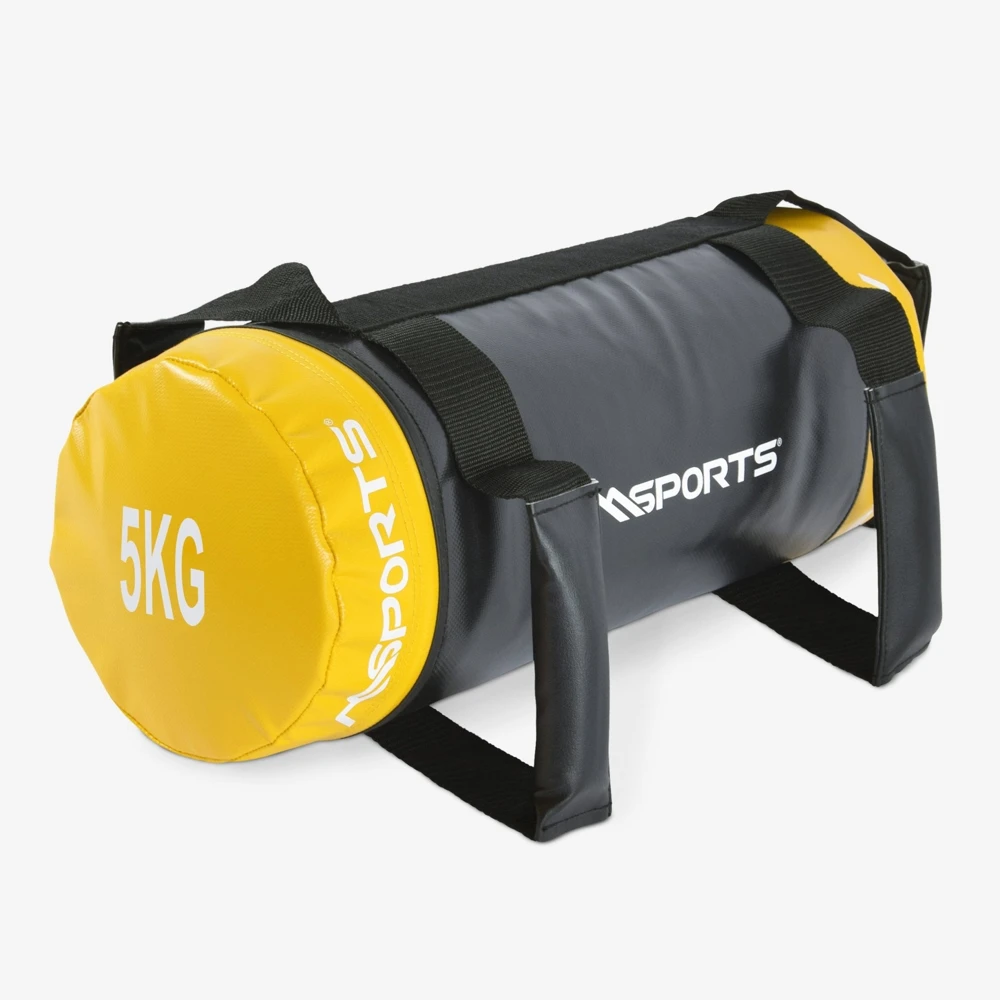 | MSPORTS Power Bag Premium · 5 kg | Five handles with a fixed load | Filling is not replaceable | View on Amazon* |
| 4 | 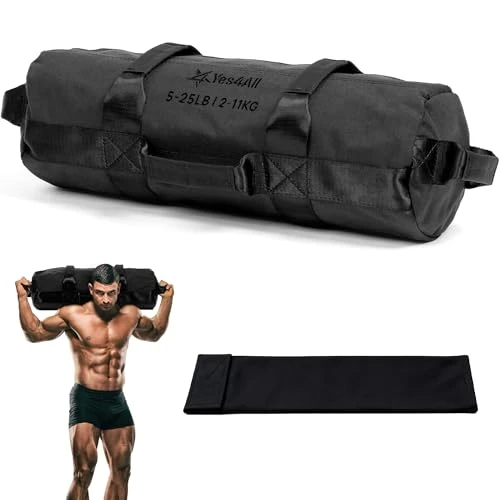 | Yes4All Sandbag S · Black · 5–25 lb | Adjustable light range | Fill and weigh it yourself | View on Amazon* |
| 3 | 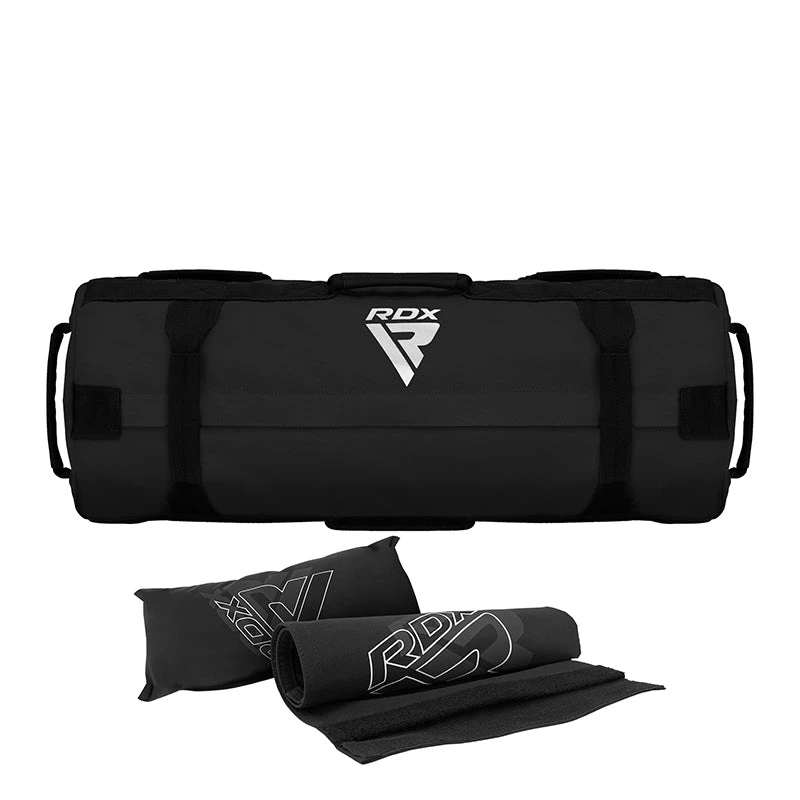 | RDX FBC · Black · 5–25 lb | Light range with eight handles | Supplied empty | View on Amazon* |
| 2 | 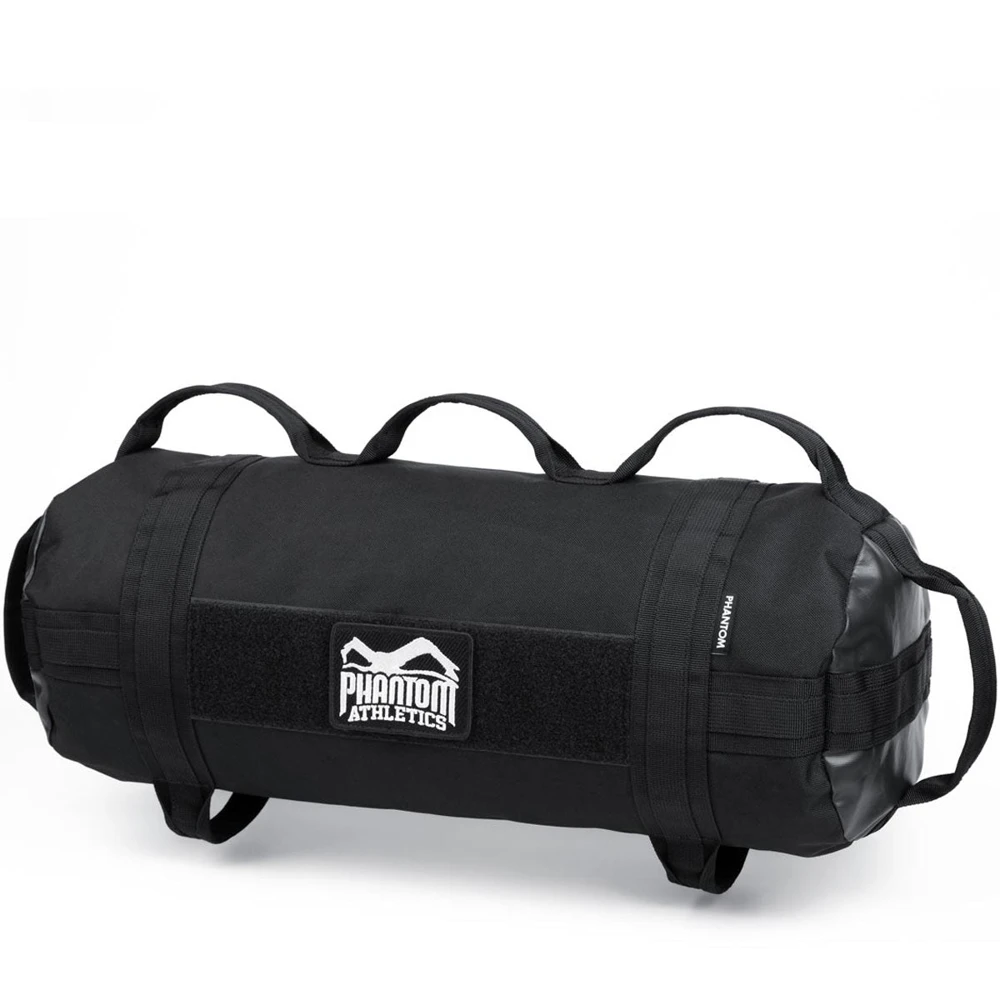 | Phantom Athletics Training Bag · PHBAG1776 | Modular inner-bag arrangement | Respect the 25 kg total maximum | View on Amazon* |
| 1 | | aerobis Fitness Sandbag · 000840 | Adjustable filling and behaviour | Check valve and handle limits | View on Amazon* |
This editorial order prioritises controlled home training: manageable starting loads, adjustability, grip options and setup work. Specialist heavy carry bags appear lower because they are less versatile for the beginner plan. This is not our own hands-on test, a durability measurement or an Amazon sales ranking. The two RDX FBC sizes represent different loading ranges rather than different generations. Construction facts come from the linked manufacturer information; the practical interpretation is our editorial judgement. The highest position does not replace checking that size and load fit you.
A sandbag has a durable outer shell and a filling, often contained in separate inner bags. Depending on the design, it may have several handles or none. The weight can be fixed or adjustable within an approved range. A hanging punching bag or a flood-control sack is not an equivalent training tool.
The main differences from a dumbbell are shape, grip and weight distribution. You can hug a wide bag, hold its handles or, with the appropriate technique, shoulder it. These positions change the task even at the same weight. A 15 kg bag can be more awkward to bring into position than a 15 kg dumbbell.
How much the filling moves depends on the material, fill level and construction. A densely packed sandbag may be relatively stable; a water bag behaves differently. Sandbag training therefore does not necessarily mean training with a highly unstable load.
10 / 10 · Specific strongman carries
The 50 kg version is an unfilled shell without training handles. Its purpose is wrapping your arms around a large load, rather than covering many exercises with a light tool.
Benefit: The missing handle makes the embrace itself part of the task. For that specific goal, the shape makes sense.
Trade-off: A shell intended for 50 kg is not advice to begin with that mass. Substantial underfilling can change how it handles.
Who it suits and who it does not: For experienced trainees with reliable pickups; not a first bag for the beginner plan shown here.
Difference from the closest alternative: Unlike the aerobis, this is a specialist for large handleless loads. For rows and a carefully dosed start, a smaller handled bag is usually the more useful direction.
View on Amazon*Back to the compact overview ↑| Type | Practical use | Main limitation |
|---|---|---|
| Adjustable bag with handles | Different lifts, rows and carries; adjustable filling | Check inner bags, minimum filling and handle load limits |
| Prefilled power bag | Ready to use and often holds its shape | Usually a fixed weight; soft does not mean safe to drop |
| Handleless strongman bag | Wrapping your arms around and carrying a bulky load | Harder to pick up; a heavy version is a poor first purchase |
| Water bag / aquabag | A moving filling for specific control tasks | Valves, leak checks and handling differ from a sandbag |
Suitable handles make it easier to start with rows and deadlifts. A handleless bag may suit hugging and carrying if you can pick it up reliably. Compare more than maximum capacity: length, diameter and handle spacing help determine whether a movement fits your body.
Before buying, check whether filling is included and how you can make small weight adjustments. A large empty shell is not necessarily suitable for light exercise. With very little filling, its shape and handle positions may become awkward.
9 / 10 · Practice with a fixed weight
Sveltus model 4710 is the 10 kg version with three padded handles and a vinyl shell. A fixed load makes the same task easy to repeat.
Benefit: No refilling between sessions, provided this weight already fits your chosen movement.
Trade-off: Three handles give fewer grip choices than multi-handle designs. The manufacturer does not intend this range for intensive dropping.
Who it suits and who it does not: For controlled standard movements with a suitable fixed load; not for people who frequently need smaller weight adjustments.
Difference from the closest alternative: It offers fewer grip options than the MSPORTS. Compared with adjustable bags, it removes filling work but also removes freely adjustable loading.
View on Amazon*Back to the compact overview ↑Appropriately loaded movements train the legs, hips, back and the ability to control an external load. During carries, your trunk has to maintain its position. Your grip or forearms may tire before the intended muscles, however. That is one reason to match the movement to the goal.
The 2026 ACSM recommendations emphasise consistent resistance training and training all major muscle groups on at least two days each week. They do not establish a special sandbag effect. [1]
A small study compared the clean and jerk using a barbell, a sandbag and a water bag. Higher activity in certain trunk muscles occurred with the water bag. Acute measurements of this kind do not prove superior long-term muscle growth or injury protection from sandbags. [2]
Dumbbells, barbells or machines may be more practical for precise load increments or very high maximum-strength goals. A sandbag is an option rather than a necessary upgrade. If you already have suitable weights and enjoy using them, you do not need a sandbag to keep improving.
8 / 10 · Modular training
The SKLZ Super Sand Bag 0308 includes four fillers, with a combined maximum capacity of 40 lb, approximately 18.1 kg. Sand is not included.
Benefit: Separate fillers allow different configurations without putting loose sand directly into the outer shell.
Trade-off: You need to prepare the filling and closures. Removing filling changes shape and weight distribution as well as mass.
Who it suits and who it does not: For users who deliberately want an inner-bag system; not for a ready-filled tool requiring no setup.
Difference from the closest alternative: The Phantom uses a different filler arrangement and has a higher stated maximum load. That extra capacity is not automatically useful for light tasks.
View on Amazon*Back to the compact overview ↑Choose the load for the hardest part of the intended exercise. The repetition is only part of the task: you also need to grip the bag, bring it into position and lower it under control. A useful carrying load may already be too heavy for rows or lunges.
A universal starting weight based on sex or body weight misses too much. Even 5 kg may be enough for a new movement, while an experienced person can handle more in another exercise. This is an illustration, not a prescribed starting load. The maximum printed on the bag is its limit, not your training target.
7 / 10 · Progress after the light phase
This khaki RDX FBC version covers 25–75 lb, approximately 11.3–34.0 kg. It has eight handles and is supplied unfilled.
Benefit: An option when the smaller FBC no longer provides enough capacity for your controlled lifts and carries.
Trade-off: Its range begins well above the light S version. A large shell does not solve an excessive starting-load problem.
Who it suits and who it does not: For already capable users with reliable technique; not a universal beginner recommendation or a substitute for checking each movement's load.
Difference from the closest alternative: The main change from the black 5–25 lb FBC is intended capacity. These sizes suit different loading ranges; they are not two generations.
View on Amazon*Back to the compact overview ↑Read the instructions for your exact model. Some bags require separate fillers; others use an integrated filling system. Use approved material and stay within filling and weight limits. For Ultimate Sandbags, the manufacturer specifies dry filling, inner bags and avoiding overfilling or throwing. These instructions cannot simply be applied to every design. [3]
Weigh the closed bag with its shell and inner bags, and record the total mass. Do not rely on volume alone: different materials can weigh differently at the same volume. Minimise dust and fill outside living areas where possible, following the filling material's safety instructions.
Stop using damaged or leaking bags. Keep the training area clear of toys, pets and moving children. Stop for sharp pain, dizziness, chest pain or unusual breathlessness; severe acute symptoms need medical assessment. Existing symptoms or a return after injury call for an individually guided start.
6 / 10 · Start without filling
The selected Gorilla Sports version has a fixed 5 kg metal-sand filling and an artificial-leather shell. It offers a straightforward way to practise with a filled bag.
Benefit: There is no sand to weigh or inner bag to prepare. The same mass is available for repeated technique practice.
Trade-off: If 5 kg is too much now, or too little later, you cannot adjust it finely like a fillable bag.
Who it suits and who it does not: For people whose movements work well with this fixed load; not automatically every beginner or anyone needing continually adjustable weights.
Difference from the closest alternative: The Yes4All S is more adjustable but needs filling work. A fixed 5 kg bag can be more convenient when variable loading is unnecessary.
View on Amazon*Back to the compact overview ↑These cues are for light, controlled practice. Getting the bag into position must not be harder than the exercise itself. If you cannot yet bring it to your chest reliably, start with lifting from a stable raised position and get help learning the transition.
Place the bag between or just in front of your feet, with its handles within reach. Move your hips back, bend your knees as needed and grip with both hands. Keep the load close while standing up through your legs and hips. Finish upright without leaning back. Reverse the movement to lower it. If the floor is too low, use a stable, load-bearing raised surface.
Hold a light bag against your torso with your forearms supporting it. Squat only as far as you can control your feet, knees and trunk. Let the knees follow the direction of the feet and keep pressure through the heels. Stand up without pushing the bag away. The holding position itself can make the task demanding; adding weight is not the only progression.
Use two suitable handles, hinge at the hips and steady your trunk. Pull the bag towards your lower ribs, then lower it slowly. If your upper body cannot stay still, reduce the weight or shorten the set. Swinging from your back is not a substitute for a controlled pull.
5 / 10 · Different grips without refilling
The 5 kg MSPORTS Power Bag Premium combines five handles with a closed metal-sand filling. The outer material is artificial leather.
Benefit: Several intended gripping points can make switching between lifting and rowing easier without rebuilding the bag.
Trade-off: The filling is not intended for removal or topping up. Different grips do not replace an appropriate load.
Who it suits and who it does not: For a fixed, relatively light exercise station; not for users wanting ongoing small weight adjustments in one tool.
Difference from the closest alternative: Against the Sveltus 10 kg, the emphasis is a lighter fixed load with more grip choices. Suitable weight matters more than a higher handle count.
View on Amazon*Back to the compact overview ↑Hug the bag and take short, steady steps along a clear, level route. Look ahead and keep breathing. Start with 20 seconds and set the bag down before your grip fails. Avoid stairs, walking backwards and obstacle courses at the start. If space is limited, first practise holding the bag still.
Add this only after you can lunge reliably without weight. Hold a light bag in front of your torso, step one foot back and lower under control. Push through the front leg to return. Start with a small range of motion. If the knee wobbles or your trunk tips, return to the unweighted version.
This is an addition for more experienced trainees with steady technique. Hold a light bag at your side without leaning away or shrugging, then change sides. Confirm that the manufacturer permits that handle and load. A bulky bag that knocks against your leg is unsuitable. When uncertain, keep the two-arm carrying version.
Cleans, shouldering, overhead presses and throws are not essential beginner exercises. They need additional skill, suitable equipment and enough space. The programme below does not require them.
4 / 10 · Light adjustable exercises
The black Yes4All size S is intended for 5–25 lb, approximately 2.3–11.3 kg, using a separate inner filler. Sand is not included.
Benefit: A lighter range can make more sense than a large shell when you are building control with small loads.
Trade-off: You need to check total mass after filling. Careful closure is part of using the tool.
Who it suits and who it does not: For lighter adjustable work; not heavy strongman carries or anyone expecting a prefilled weight.
Difference from the closest alternative: The smaller RDX FBC addresses a similar load range. Compare actual handle reach, shell size and closure handling rather than maximum capacity alone.
View on Amazon*Back to the compact overview ↑For healthy beginners with basic movement control, try Monday and Thursday. Allow roughly 30–40 minutes per session including preparation. This is an estimate; take longer rests when good technique needs them. Begin with 5 minutes of easy walking or marching, unweighted squats and hip hinges, and one very light practice set for each movement.
| Movement | Session A | Session B |
|---|---|---|
| Deadlift | 2 × 6–8 | 2 × 6–8 |
| Knee-focused movement | Bear-hug squat: 2 × 6–8 | Reverse lunge: 2 × 5 per side; or squat instead |
| Row | 2 × 8–10 | 2 × 8–10 |
| Bear-hug carry | 2 × 20–30 seconds | 2 × 20–30 seconds |
| Additional pushing without the bag | Incline push-up: 2 × 6–10 | Incline push-up: 2 × 6–10 |
Complete all sets of one exercise before moving on. Rest 60–90 seconds, or closer to 90–120 seconds after demanding sets. Finish strength sets with around 2–3 repetitions in reserve. Carry only while posture and breathing remain controlled.
Incline push-ups require a firm support that cannot slide; a wall is an easier alternative. This pushing movement complements the pulling emphasis of the bag exercises. The plan introduces several movement patterns; it is not a complete answer to every muscle-building goal.
If two sets feel excessive, start with one set per exercise in week one. Use a suitable load for each movement. With a fixed-weight bag, that may mean doing some movements without added weight initially.
3 / 10 · Versatile light fillable bag
The black RDX FBC 5–25 lb has an intended filling range of approximately 2.3–11.3 kg and eight handles. It is supplied unfilled.
Benefit: Several handles and a smaller load class suit different light lifts and rows, provided the spacing works for your body.
Trade-off: Having many grips does not approve any load on a single handle. You still need to inspect setup and closures.
Who it suits and who it does not: For varied practice with a light filling you choose; not for users wanting to start immediately without preparation.
Difference from the closest alternative: The medium khaki FBC is intended for greater loads. A larger bag only becomes useful when your goal actually requires that capacity.
View on Amazon*Back to the compact overview ↑This is an example structure, not a timetable you must meet. Repeat a week if control or recovery is not ready. If the next filling increment is too large, keep the same load and improve execution. Added instability and deliberately jerky movement do not replace planned loading.
Record the exercise, total weight, sets, repetitions or carrying time, and estimated reserve. This shows whether you can do more controlled work with the same load. Muscle soreness alone is not a measure of training quality.
2 / 10 · Changing loads across exercises
The Phantom Training Bag PHBAG1776 has seven handles, five small fillers and one alternative large inner bag. The stated maximum total loading is 25 kg; sand is not included.
Benefit: A modular arrangement helps when different exercises need different configurations. Small fillers can be prepared deliberately.
Trade-off: The large bag and five small bags are alternative configurations. Do not add their capacities together to exceed the total limit.
Who it suits and who it does not: For users with changing exercise demands who accept careful preparation; not for a completely prefilled weight.
Difference from the closest alternative: Its stated upper limit is higher than the SKLZ's. Your programme determines whether that matters; a controlled light set is more useful than unused capacity.
View on Amazon*Back to the compact overview ↑Buying too heavy: Start from what you can pick up safely, rather than the largest available capacity. An easily adjustable model may be more useful than a big strongman bag.
Turning every set into a competition: Learn the movements separately first. A fast circuit does not make an uncontrolled hip hinge safer.
Grabbing any loop on the shell: Use only the designated handles. Closures and fabric tabs are not automatically load-bearing grips.
Holding the bag too far away: Bring it closer when the exercise allows; control becomes easier. If you accidentally create a long lever, set it down and reset.
Carrying through failing technique: End the set before the bag slips. More distance is not useful if you cannot lower the load safely.
Treating the bag as a complete fitness solution: Include appropriate pushing movements, aerobic activity and recovery. A versatile tool still needs a suitable weekly structure.
1 / 10 · Variable loading in one tool
The aerobis Fitness Sandbag 000840 is intended for 1–30 kg. It has integrated filling, six handles, a funnel and a pump; permitted materials are specified for this model.
Benefit: Mass and air volume can be adjusted separately. Within the instructions, that lets you change the task instead of immediately needing another fixed bag.
Trade-off: More settings also mean more checks. A more mobile filling is not automatically better, and the manual's lower single-handle limit still applies.
Who it suits and who it does not: For users who deliberately want adjustable load and shape; not for an unchanging weight with minimal setup.
Difference from the closest alternative: Unlike the Phantom, it does not use that separate filler-bag system. This can suit regular small changes; a fixed bag is simpler when you just want to begin.
View on Amazon*Back to the compact overview ↑If you already train at a gym twice a week, start with one short carry at the end of a session or replace a similar movement. Adding squats, lunges and heavy carries together can raise your overall workload unnecessarily.
After physically demanding work, a lighter session may be more sensible than another hard block. Work itself is not a precisely dosed training programme, however. Judge your current fatigue, grip and movement control rather than automatically adding exercise.
At home, use a consistent clear training area and a designated storage place. Lowering under control still matters on rubber flooring. Clean the shell according to its instructions, allow it to dry and store it where nobody will trip over it.
You want a straightforward start to strength training: An adjustable handled bag can work if its minimum filling and dimensions suit light beginner exercises. A dumbbell is an equally reasonable alternative.
You specifically want to grip and carry bulky loads: A handleless bag becomes interesting once you have learned the pickup. Choose the first load for your technique, rather than copying strongman videos.
You want maximum strength with small load increments: Consider whether a barbell, adjustable dumbbell or machine makes that goal easier to organise.
You want treatment for back or joint symptoms: The design is not a therapy recommendation. Get individual guidance on loading rather than choosing a supposedly back-friendly bag from advertising claims.
A good start is one you can repeat consistently and under control: a few suitable movements, a manageable load and measurable progress.
Not in general. A bag offers different shapes and holding positions; a kettlebell has a fixed handle and a more compact shape. Your goal and safe execution determine which is useful.
Yes, if the exercises are sufficiently demanding and loading fits your recovery. Grip strength or the awkward shape can limit a set before some target muscles are challenged. In that case, another exercise may be preferable.
A load you can control for the specific movement, including picking it up and lowering it. A single kilogram recommendation for every person and exercise would be misleading.
No. The manufacturer must explicitly approve the exact intended use. This beginner programme uses controlled lowering.
Only if your model permits it. Follow instructions about dryness, dust, inner bags and filling level; do not add wet material without checking.
In this plan, incline push-ups complement the lifting, squatting, pulling and carrying. A sandbag alone does not automatically provide suitable training for every muscle group.
Research date: 1 November 2026. The training plan and load selection are practical editorial examples for healthy adults, not a separately tested study programme. Manufacturer instructions apply to their specific model.
General training information, not an individual treatment plan. Seek professional advice on loading if you have symptoms.