
Advertising / affiliate links: As an Amazon Associate we earn from qualifying purchases.
This guide is for parents of first-time skiers, school-age children and young teenagers. It explains the decisions that matter on nursery slopes and longer runs alike: can the child breathe freely, see to the sides and wear the goggles correctly with gloves? Is visibility still usable after a break?
The ten models cover different face sizes and features. The ranking helps you draw up a shortlist. Number 8 may suit your child better than number 1. Do not buy oversized adult goggles to grow into: a frame that does not seal today will not become a proper fit by overtightening the strap.
Three useful starting points
Simple entry option
Compact fit
Versatile junior option
Go straight to the guideGo to the decision guide
10 models at a glance: counting down from 10 to 1
Swipe the table sideways on smaller screens. Each profile identifies the exact version shown.
| Rank | Model | Main appeal | Watch out for | Details |
|---|---|---|---|---|
| 10 | uvex speedy nova | Entry option with a lighter S2 lens | Single lens | Details ↓ View on Amazon* |
| 9 | 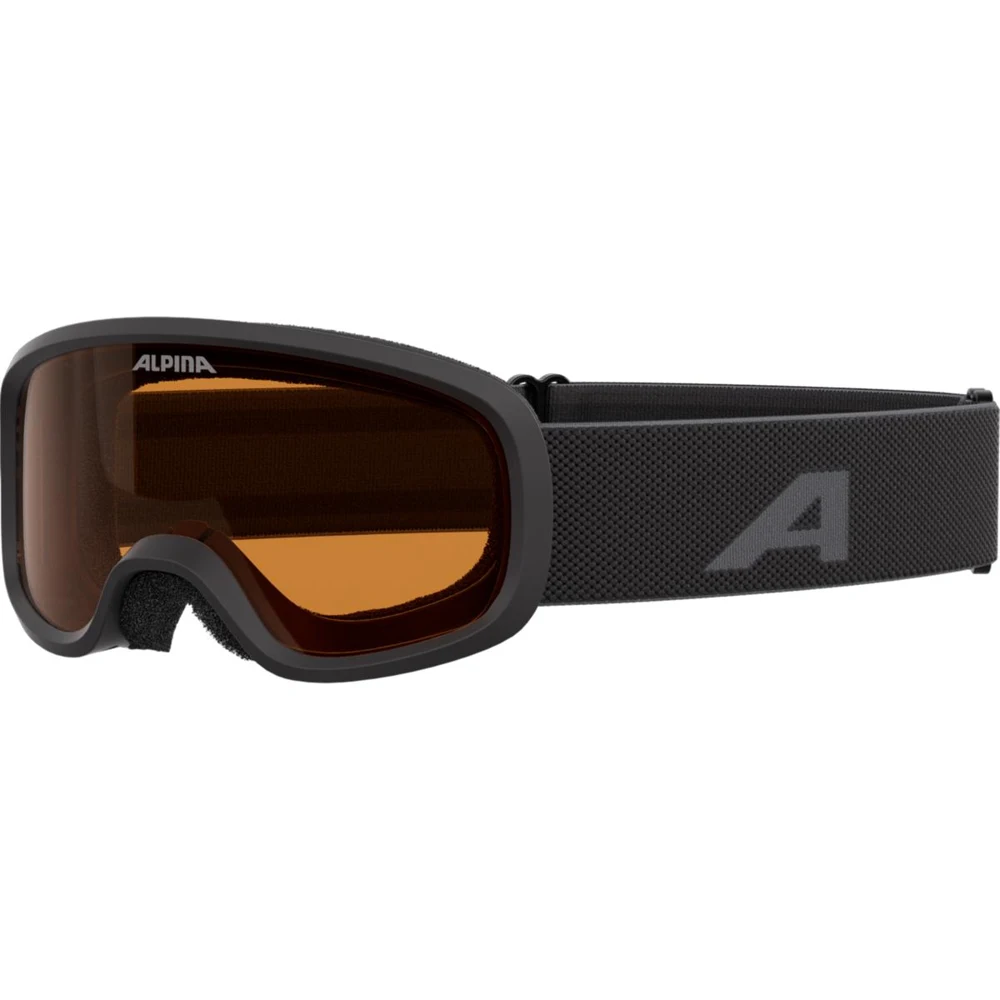 ALPINA PINEY 2.0 | A simple start on the nursery slope | Check the lens specification | Details ↓ View on Amazon* |
| 8 | Giro Chico 2.0 Blocks | Compact child fit | Not a universal child size | Details ↓ View on Amazon* |
| 7 | 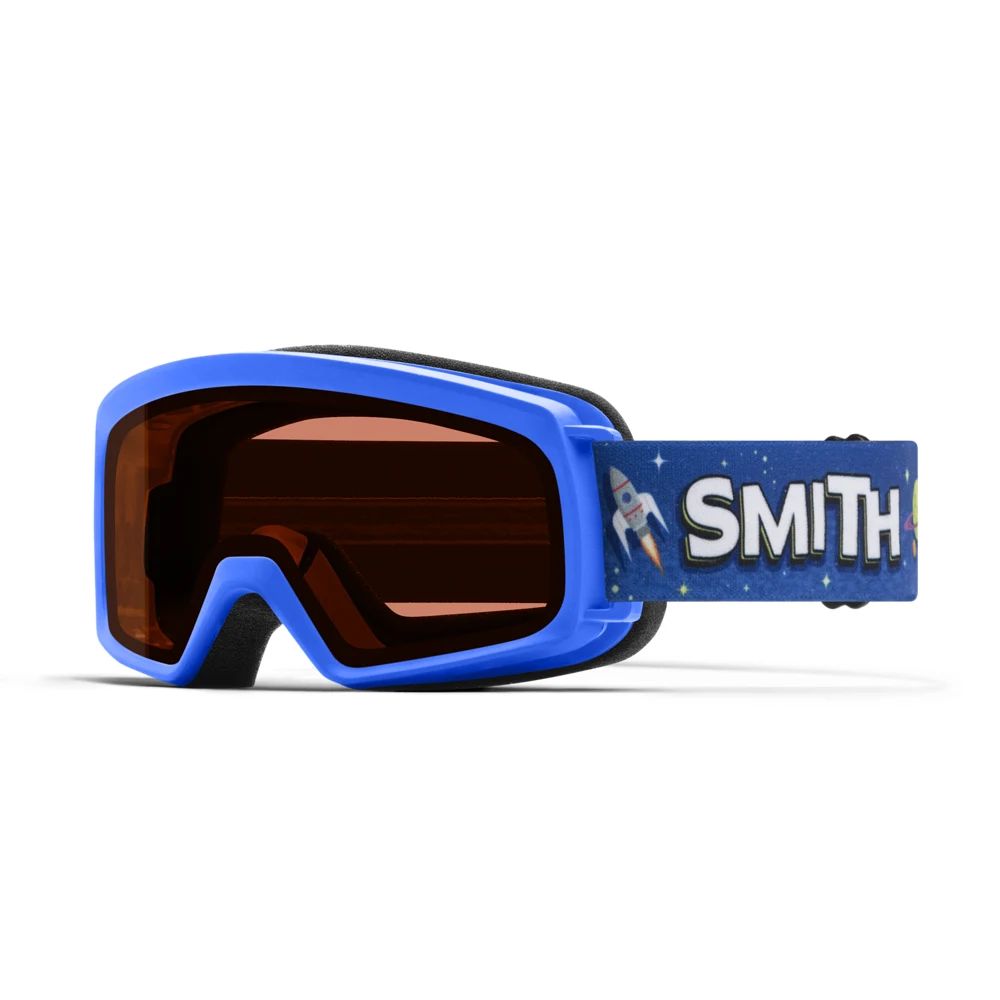 Smith Rascal | Small fit with an OTG design | Do not confuse RC36 with Clear | Details ↓ View on Amazon* |
| 6 | 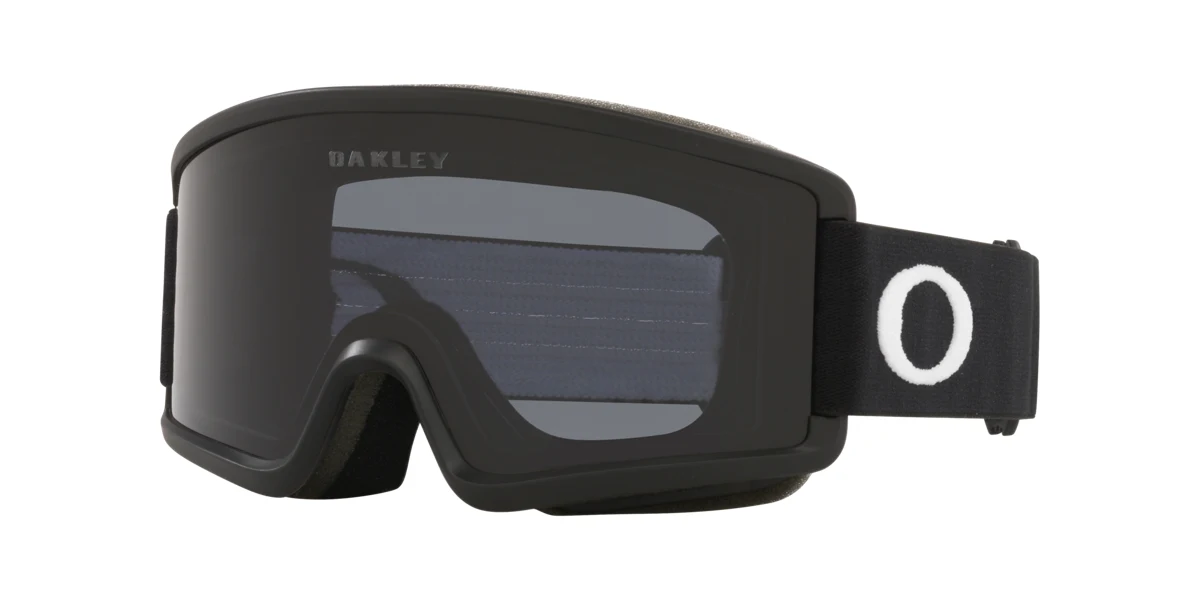 Oakley Target Line S | Small youth or narrower faces | Dark Grey is not a default fog lens | Details ↓ View on Amazon* |
| 5 | 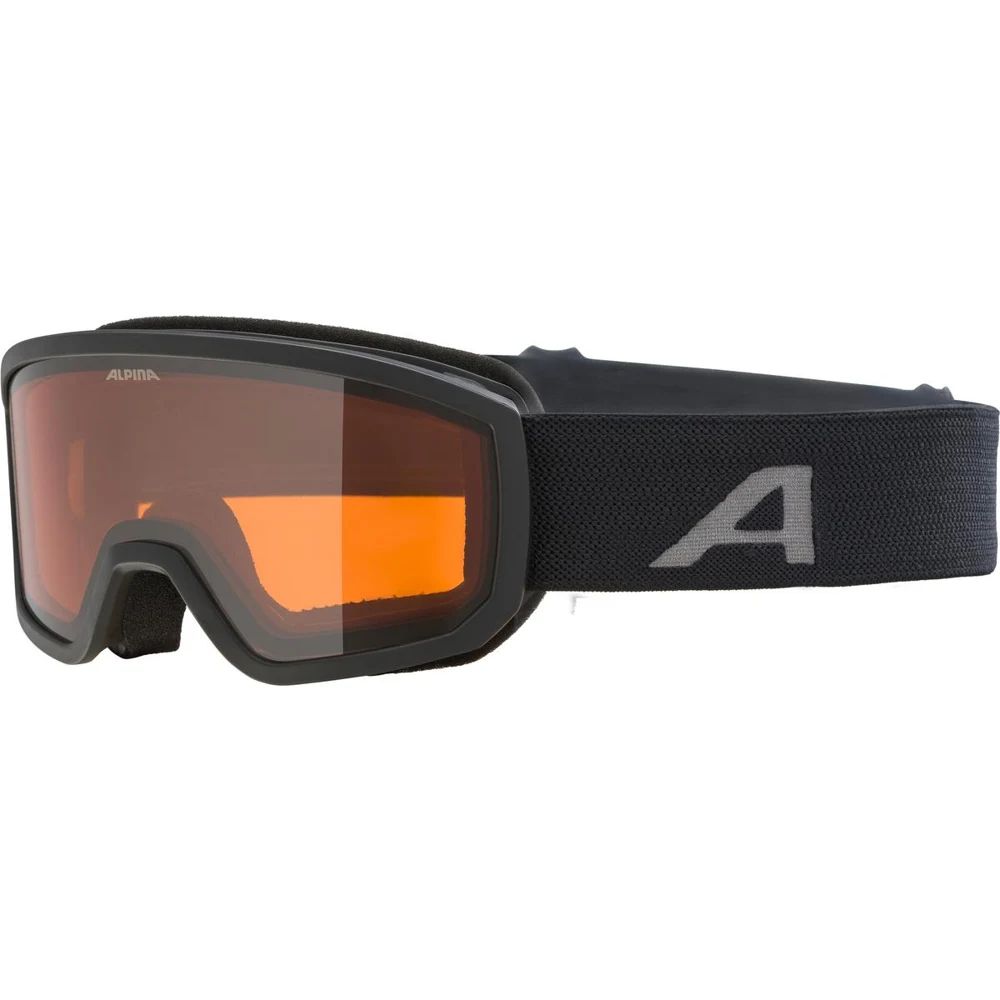 ALPINA SCARABEO JR. | Junior OTG without the Q-LITE upgrade | Not the older DH version | Details ↓ View on Amazon* |
| 4 | 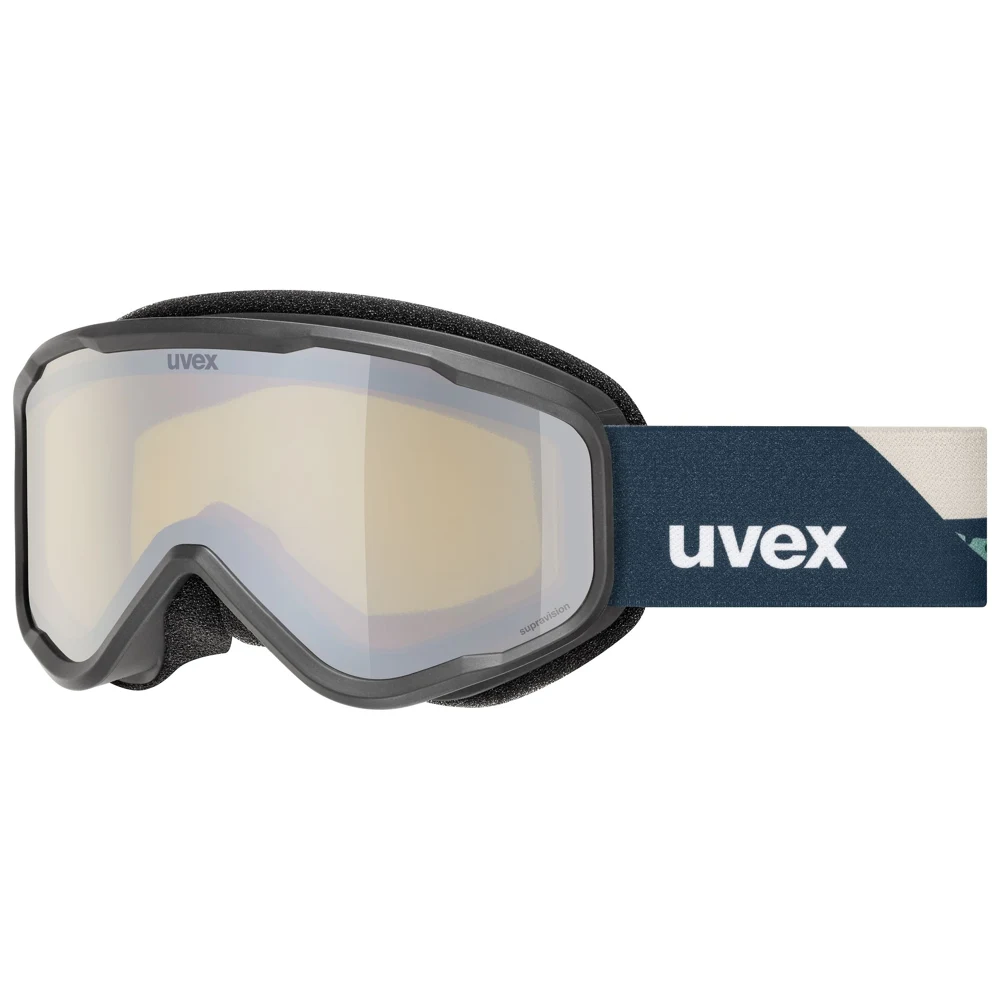 uvex speedy nova FM | A double lens in the Nova range | Darker than the pictured non-FM Nova | Details ↓ View on Amazon* |
| 3 | 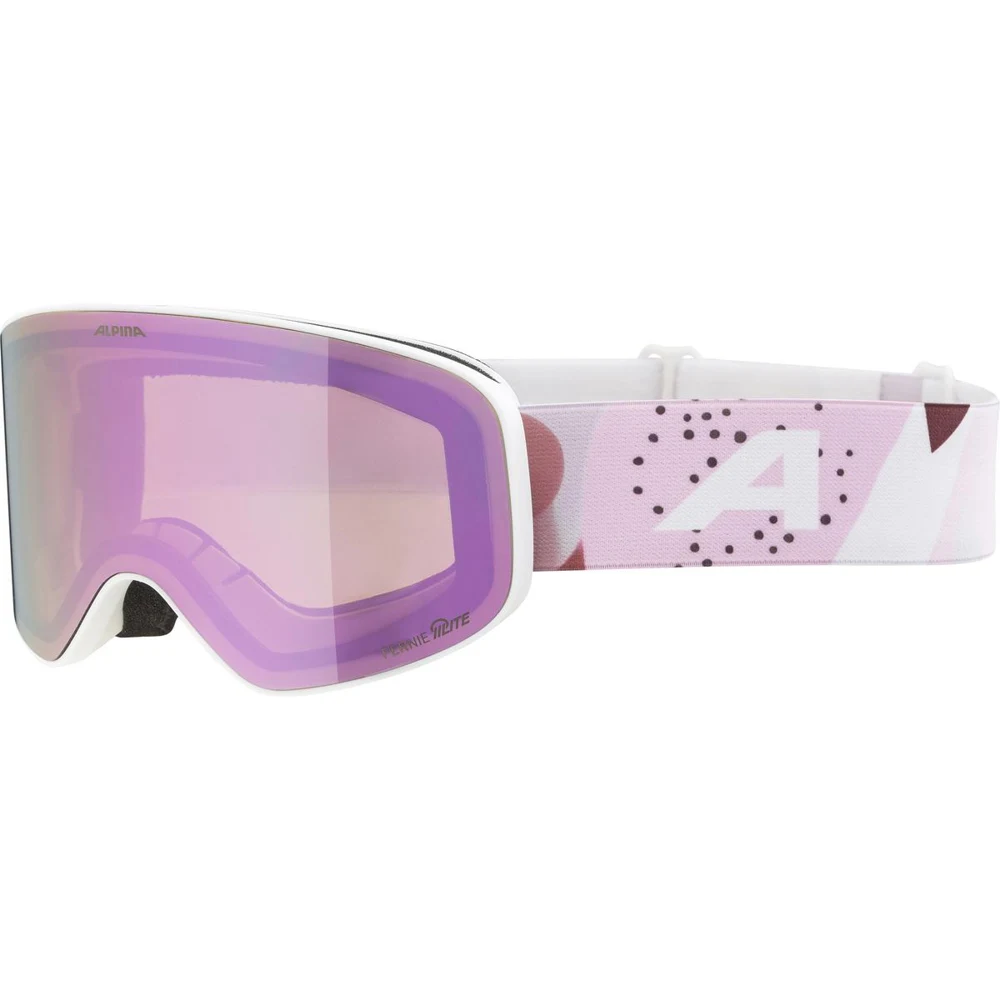 ALPINA FERNIE Q-LITE | Older children and teenagers | The larger frame needs enough room | Details ↓ View on Amazon* |
| 2 | 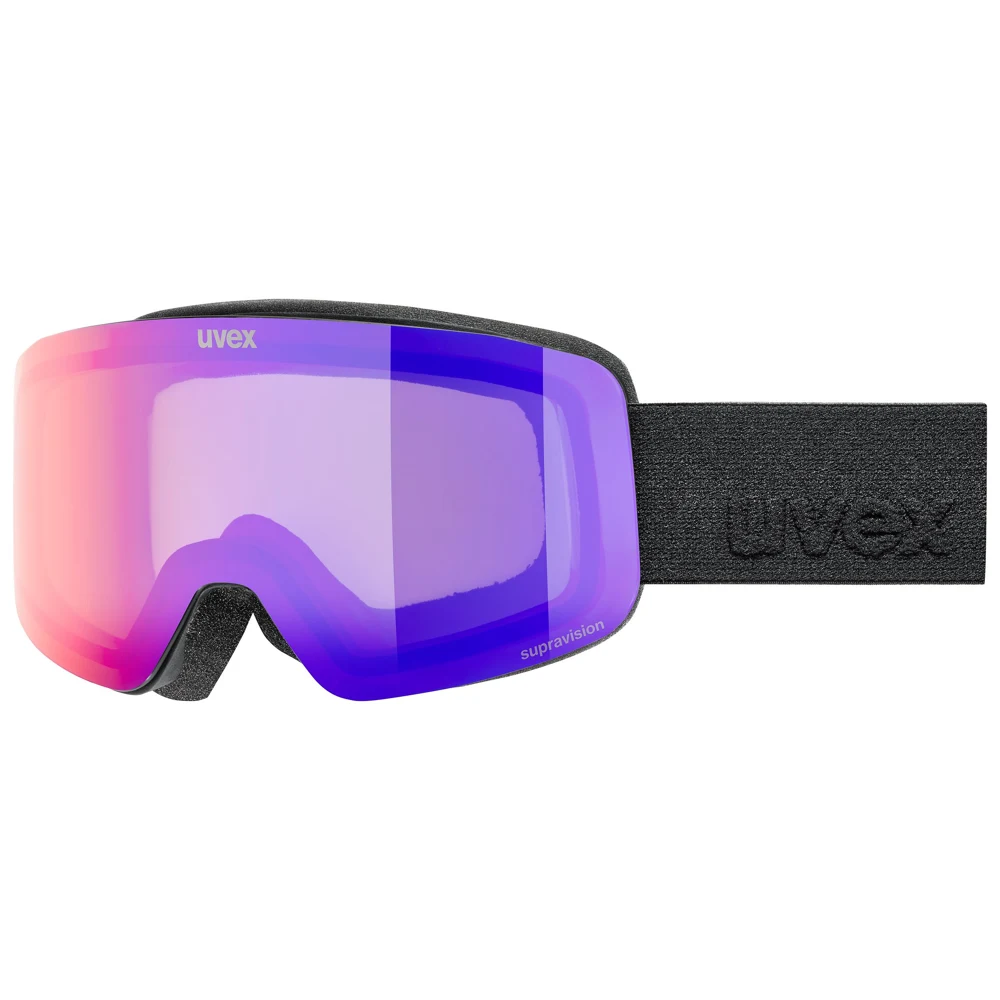 uvex pwdr FM | Double lens with documented OTG | One fixed tint remains a compromise | Details ↓ View on Amazon* |
| 1 | ALPINA SCARABEO JR. Q-LITE | Versatile junior candidate | Fit and exact tint still decide | Details ↓ View on Amazon* |
How the selection was made
We compared current manufacturer documentation from uvex, ALPINA, Giro, Smith and Oakley: child fit, identifiable lens specifications, anti-fog design, helmet integration and prescription-glasses compatibility. For a typical family holiday, the ranking favours versatile junior designs; very small faces are a separate use case.
This is neither an exhaustive market survey nor an independent measurement of visibility, impact resistance or fogging. Manufacturer specifications are treated as such. Actual fit and the perceived effect of a contrast tint cannot be settled by a product page. Source links identify documented models and do not promise current retailer stock.
In this article
Fit first: five minutes with a helmet beats an age label
Put on the correctly adjusted helmet first, then the goggles. The frame should contact the forehead and cheeks evenly without squeezing the nose. Avoid a large exposed gap between helmet and goggles, while ensuring the helmet edge does not push the goggles down. Tighten the strap only enough to keep the goggles steady when the child turns their head.
Ask the child to talk, smile and turn their head several times. Ask specifically about pressure on the nose, temples and cheeks. “It does not hurt” after a few seconds tells you less than several minutes of wear. A first ski course does not demand spectacular features; the goggles actually staying on the face matters more.
Entry option with a lighter S2 lens
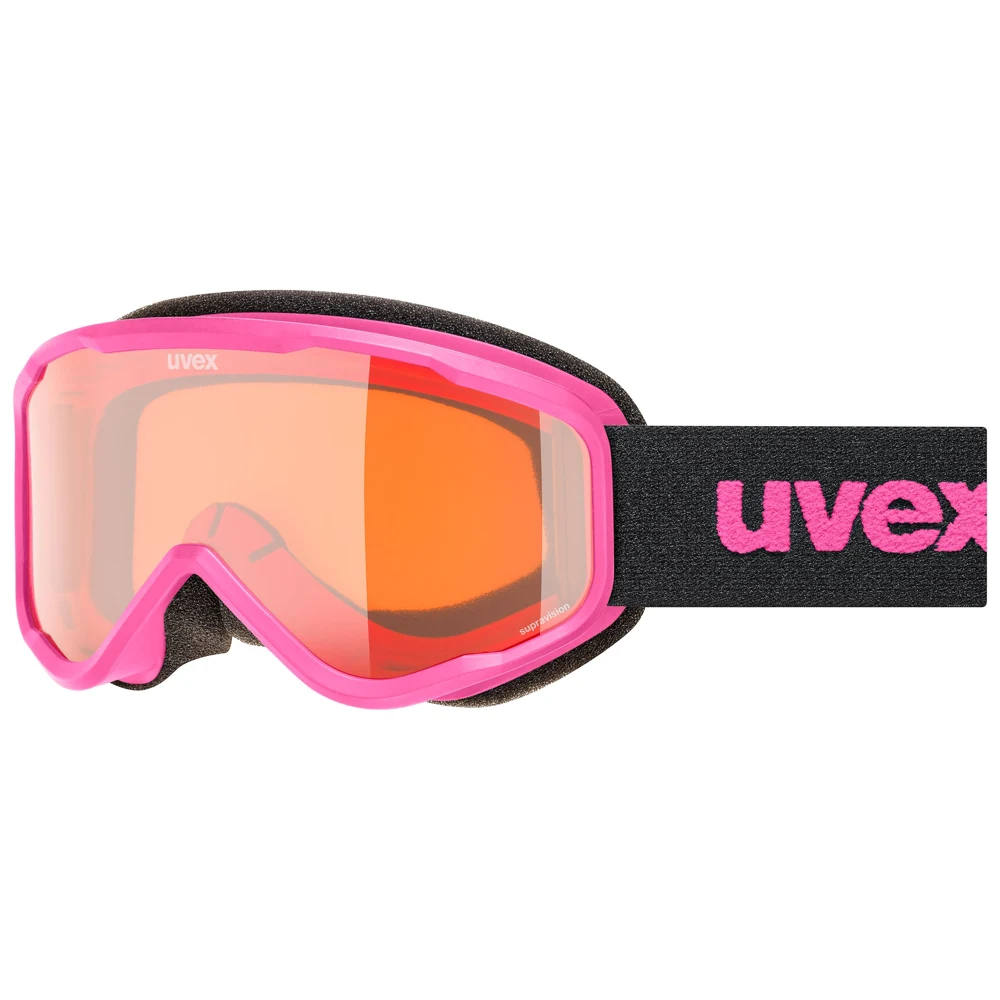
uvex speedy nova
pink / lasergold
- Version shown
- S5538619030
pink / lasergold - Our assessment
- S2 · 42 % · 84 g
The orange single lens and silicone-backed strap make this a straightforward beginner option. It lacks the double lens of the FM version. Worth considering for short, predictable ski days; for frequent moves between warm and cold environments, we would first try the double-lens alternatives.
Key limitation: Single lens
UV protection and a dark lens are different things
UV radiation is invisible. A dark or strongly mirrored lens therefore does not prove good UV filtration. Look for identifiable specifications such as UV400 or complete UVA/UVB protection and the documentation for the actual model. Snow reflects radiation; an overcast, cold day does not remove the need for eye protection. WHO explicitly explains that colour and darkness are not reliable indicators of UV protection.
In practice, make UV filtration a basic requirement, then choose the tint for the brightness. A child does not need to look through a very dark lens to obtain UV protection. If the maker, model identification or clear protection information is missing, a random inexpensive multipack is not a reliable shortcut.
A simple start on the nursery slope
ALPINA PINEY 2.0
black matt / orange
- Version shown
- A7318431
black matt / orange - Our assessment
- Fogstop · Skid Grip
The PINEY 2.0 combines an orange lens, frame ventilation and a grippy strap. A plausible alternative to the speedy nova for a first ski course. The manufacturer page lists conflicting lens-construction terms, so we do not assign a particular double-lens construction or filter category to this version without further confirmation.
Key limitation: Check the lens specification
Toddler, schoolchild or junior: frame shape decides
Age guidance helps with searching but cannot replace a fitting. Two children of the same age can have very different nose bridges, cheek widths and helmet sizes. “One Size” also means only that this particular model is offered in one size. It does not mean the frame suits every child’s face.
If the lower frame rests on the cheeks before the seal reaches the nose, another shape often helps more than another strap. If the goggles extend far beyond the sides of the face, try a more compact child frame. Conversely, pressure or a restricted field of view may call for a larger junior frame. Change the goggle shape rather than wear the helmet incorrectly.
Compact child fit
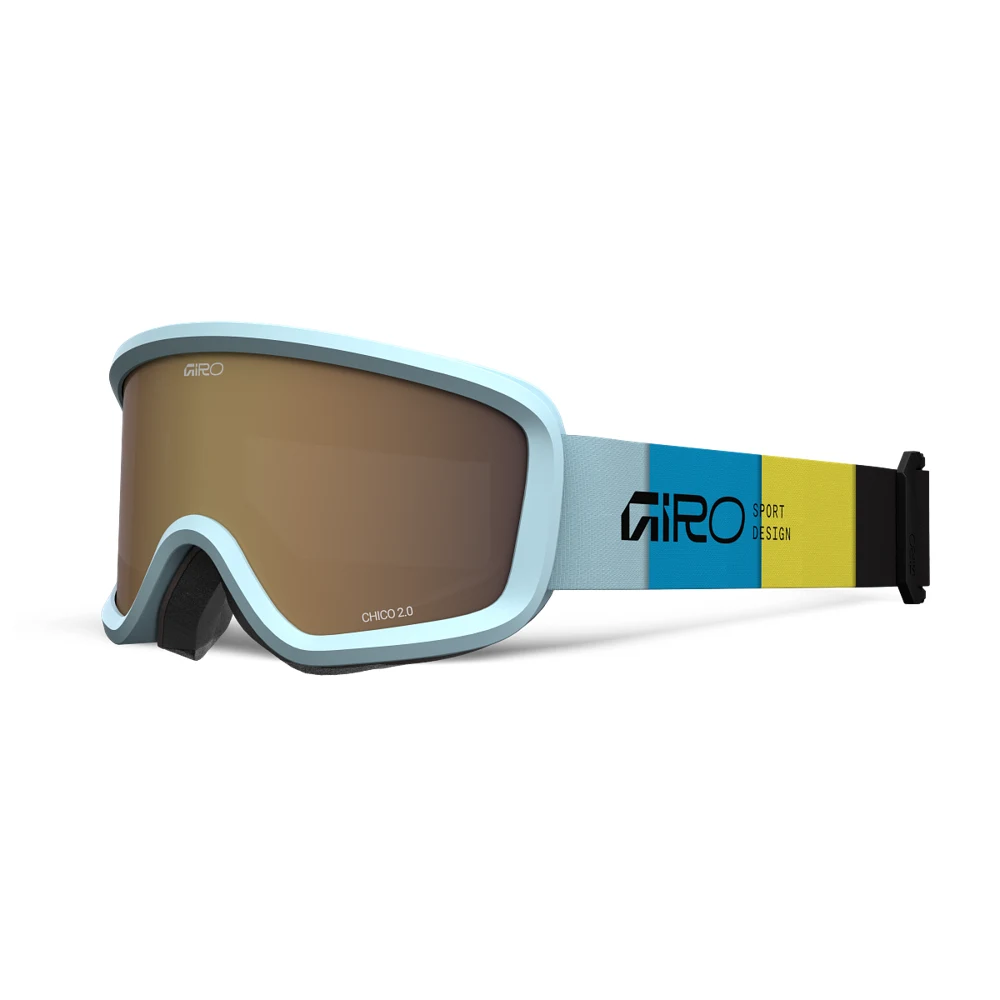
Giro Chico 2.0 Blocks
Blue / Amber Rose
- Version shown
- 37307-B54-OS
Blue / Amber Rose - Our assessment
- S2 · Anti-fog
A double lens and anti-fog coating come in a compact child frame. Particularly interesting when larger junior frames leave gaps at the cheeks. Compared with the Target Line S, the smaller fit is the main attraction. Even with matching Giro helmets, a combined fitting remains essential.
Key limitation: Not a universal child size
OTG: wearing prescription glasses underneath
OTG means “Over the Glasses”. These models provide additional space for prescription spectacles. Even so, lens height, temple shape and the bridge are not compatible in every combination. Have the child wear both pairs with the helmet. The goggles should neither lift the prescription glasses nor press them into the nose or temples.
After a few minutes, also check whether the prescription lenses fog up. An anti-fog goggle lens does not automatically keep the spectacles clear. Removing the goggles should not pull the normal glasses off. If the combination is difficult, an optician can assess alternative frames or suitable prescription inserts; improvised modifications are not a good solution.
Small fit with an OTG design
Smith Rascal
Supernova Rockets / RC36
- Version shown
- M006783R9998K
Supernova Rockets / RC36 - Our assessment
- Youth Small · OTG · Fog-X
Smith documents a small youth fit, OTG and Fog-X. An interesting alternative to the Chico if the prescription glasses fit inside. The pictured RC36 version is not the clear-lens option: a similar frame does not mean the same tint. For larger children, check internal space and peripheral vision first.
Key limitation: Do not confuse RC36 with Clear
Which lens for sun, cloud and snowfall?
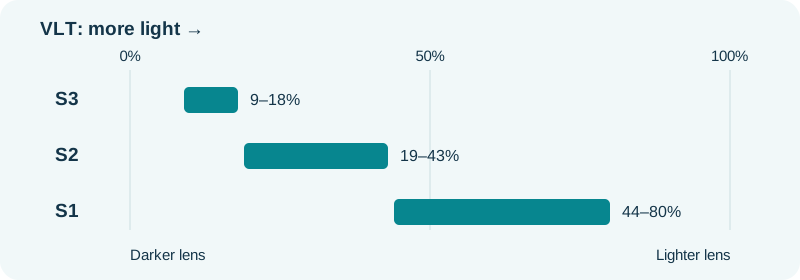
VLT means visible light transmission: a higher percentage lets more visible light through. A filter category groups a range of values. The table below shows uvex’s published S1–S3 ranges rounded to whole percentages. It describes darkness, not a ranking of UV protection.
For dim, snowy days, a suitable lighter lens is often more useful than a dark sun lens. Intense sunshine calls for appropriate stronger attenuation. S2 is a middle option, not an all-weather promise. Even a good contrast lens cannot reveal terrain information that fog has obscured completely. If the child can no longer identify bumps, stop the descent or change conditions.
| Category | Light transmission | Typical guidance |
|---|---|---|
| S1 | 44–80% | Low light, overcast skies |
| S2 | 19–43% | Moderate brightness, sun and cloud |
| S3 | 9–18% | Bright, sunny conditions |
Small youth or narrower faces
Oakley Target Line S
Matte Black / Dark Grey
- Version shown
- OO7122-01
Matte Black / Dark Grey - Our assessment
- Small / Youth · F3 Anti-fog
Oakley specifies Small/Youth, a double lens and notches for many prescription frames. Worth trying for a larger child with a narrow face. Compared with the Chico, “S” is not a promise of toddler sizing. Do not choose the pictured Dark Grey lens for dim days merely because the frame is small.
Key limitation: Dark Grey is not a default fog lens
Single or double lens: what does the upgrade buy?
A double lens creates an additional air layer between inside and outside. This supports thermal separation and is a useful feature. Ventilation and an anti-fog coating also contribute. Nevertheless, even sophisticated goggles can fog if moist air is trapped or snow blocks the vents.
A properly fitting simple model may be enough for a short first ski course. For many ski days, warm indoor breaks and repeated weather changes, put a well-fitting double lens on the shortlist. Do not pay just for “Mirror”: mirror finish and a double lens are different features. Check both separately for the exact version.
Junior OTG without the Q-LITE upgrade
ALPINA SCARABEO JR.
black / orange
- Version shown
- A7316131
black / orange - Our assessment
- OTG · Fogstop
A cylindrical double lens, orange tint and OTG make the current SCARABEO JR. a practical all-round candidate. The Q-LITE version adds a different optical concept. If that contrast treatment is not needed, start by trying this model; do not mix the A7316 version with older DH listings.
Key limitation: Not the older DH version
When goggles fog: look for the moisture first
Stop with the child in a safe place. Check for snowy vents, wet face foam or a raised neck warmer directing exhaled air into the goggles. During breaks, avoid resting the goggles on a warm, damp hat or forehead. A dry, suitable spare pair can rescue a long day.
Do not wipe the wet inner lens with a glove. uvex advises gently shaking out snow and avoiding rubbing the delicate inner coating. Let the goggles dry according to their manufacturer’s instructions. Continue only when visibility is reliably clear again. An “Anti-Fog” label does not replace this check.
A double lens in the Nova range
uvex speedy nova FM
black matt / mirror silver
- Version shown
- S5538602530
black matt / mirror silver - Our assessment
- S2 · 30 % · 35 mm
The FM adds a mirrored double lens and silicone-backed strap. Its documented 30% light transmission is lower than the pictured speedy nova’s 42%. The upgrade therefore does not automatically improve vision in snowfall. Prescription-glasses wearers should first check alternatives explicitly documented as OTG.
Key limitation: Darker than the pictured non-FM Nova
Making sense of contrast filters, mirrors and lens shape
A contrast filter changes the spectral composition of transmitted light. Manufacturers such as ALPINA use their own technology names. Whether the tint feels comfortable and helps the child distinguish contours still depends on the actual lens and individual perception. A brand name without the precise version says little about brightness.
Cylindrical and spherical lenses differ in curvature. Shape alone cannot identify a reliable winner for your child. Instead, check that peripheral vision is sufficiently open and that the helmet does not restrict the goggles. The visible mirror colour is likewise no substitute for a VLT value or stated filter category.
Older children and teenagers
ALPINA FERNIE Q-LITE
white matt / mirror rose
- Version shown
- A7300814
white matt / mirror rose - Our assessment
- Q-LITE · OTG
FERNIE explicitly targets children and teenagers and combines Q-LITE with room for prescription glasses. Interesting when moving beyond very compact child models. Compared with the SCARABEO JR. Q-LITE, facial fit should decide; a larger viewing area does not help if the frame jams against the helmet.
Key limitation: The larger frame needs enough room
Select One Size for White Matt / Rose on Amazon.
One pair for the entire holiday: when the compromise grows too large
If sunshine turns into snowfall, a single fixed tint may reach its limits. Before travelling, plan whether a second compatible lens or a second well-fitting pair is available. Two similarly dark lenses are less complementary than a light lens and a suitable sun option.
Photochromic models are another possibility, but that technology is not automatically included in the versions shown here. Their actual tint range and manufacturer guidance matter. Calling a dark lens “all-round” does not turn it into a low-light lens. For children, a simple setup tried beforehand can be more practical than a change system they cannot operate outside.
Double lens with documented OTG
uvex pwdr FM
black matt / mirror ruby
- Version shown
- S5508502130
black matt / mirror ruby - Our assessment
- S2 · 32 % · OTG · 114 g
The pwdr FM combines a cylindrical double lens, supravision and documented OTG. A versatile candidate for regular ski days if the prescription frame fits. Compared with the speedy nova FM, OTG is the important distinction. The 32% lens still does not automatically suit every weather condition.
Key limitation: One fixed tint remains a compromise
Care and durability: do not clean the lens into damage
After skiing, let the goggles dry before putting them in a clean protective bag. Keep wet gloves, keys and ski edges away from the lens. Always follow the manufacturer’s cleaning instructions. uvex recommends plain water without additives for the outside and no rubbing of the delicate inside.
Before the next holiday, check the seal, strap, vents and lens. Scratches in the viewing area, separating layers or a damaged frame are reasons to assess a replacement lens or new goggles. Never tape over ventilation slots. A protected simpler model can be more useful in family life than an expensive pair left wet and unprotected in a backpack.
Versatile junior candidate
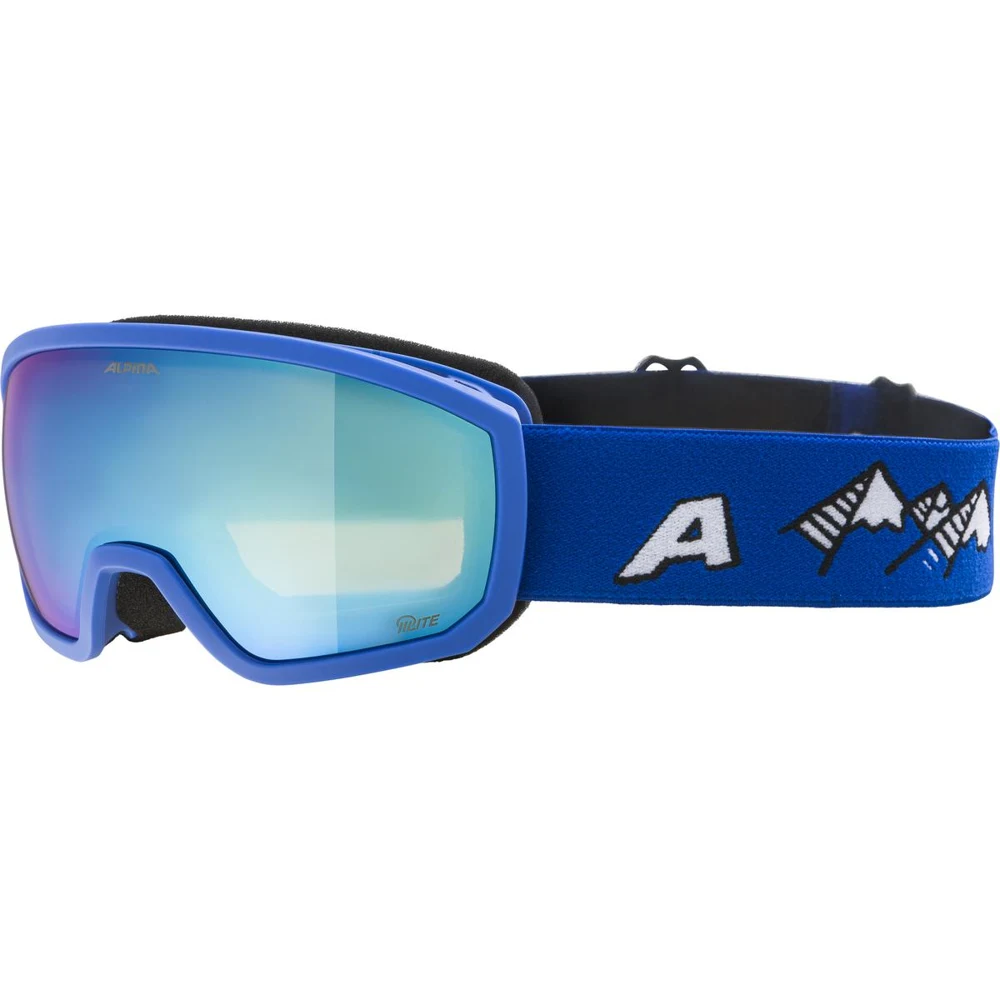
ALPINA SCARABEO JR. Q-LITE
blue matt / mirror blue
- Version shown
- A7315881
blue matt / mirror blue - Our assessment
- Q-LITE · OTG · Fogstop
Q-LITE, a double lens and OTG earn our first try-on recommendation for a typical family ski holiday. Compared with the standard SCARABEO JR., contrast technology is the main distinction. This is an editorial preference, not a measured test win. A smaller face may be better served by the Chico.
Key limitation: Fit and exact tint still decide
How to narrow the shortlist
- Very small face: first try Chico 2.0 or Rascal with the helmet. Do not make the decision by a fixed birthday.
- Short first course: consider speedy nova or PINEY 2.0; clarify the exact lens specification before buying if the documentation is unclear.
- Prescription glasses: try documented OTG designs such as SCARABEO JR., SCARABEO JR. Q-LITE or pwdr FM with the child’s own glasses.
- Older child or teenager: include FERNIE Q-LITE and Target Line S in fittings; assess size and light requirements separately.
- Regular ski days: prioritise fit, double lens, appropriate tint and replacement-part availability over mirror colour alone.
Get the fit right before adding complexity: choose goggles your child wears willingly and correctly with their helmet. An appropriately documented lens and clear sight of the slope matter more than the ranking or the flashiest mirror colour.
Before the first lift: a quick parent check
- Helmet sits correctly; goggles do not move it.
- Nose unobstructed, seal in contact, no pressure points.
- Child can identify side movement and terrain bumps.
- Lens matches brightness; all lenses are dry.
- Strap is secure on helmet; ventilation stays open.
Frequently asked questions about children’s ski goggles
At what age does a child need ski goggles?
When skiing calls for suitable helmet-compatible coverage against wind, snow and light. Activity and fit matter. Appropriate UV sunglasses may be useful off the slopes; they are not a universal substitute for every descent.
Can I buy adult goggles to grow into?
Goggles that are too large today are not a useful reserve for later. They may leave gaps at the nose and cheeks or collide with the helmet. Try several child and junior shapes instead.
Is a mirrored lens automatically better?
No. Mirror finish alone does not establish UV protection or light transmission. What matters is the documented lens, the weather and how the child sees through it.
Is S2 enough for a ski holiday?
For some days, yes. A fixed medium tint can be unsuitable in very low light or intense sunshine. Plan a suitable complement if a range of conditions is expected.
Can normal glasses fit under any children’s goggles?
No. Look for an explicitly suitable OTG version and try both pairs with the helmet. Even then, temples, the bridge or fogging prescription lenses can cause problems.
When should goggles be replaced?
When damage compromises visibility or secure fit, the lens is damaged or no suitable replacement lens is available. Repeat the combined fitting after changing helmets or as the child grows.
Are the rankings your own test results?
No. This is a documented editorial comparison. FitRecover has not comparatively measured these models on children. The first recommendation is a starting point for fittings, not a universal test winner.
Sources and further information
- uvex speedy nova · S5538619030
- ALPINA PINEY 2.0 · A7318431
- Giro Chico 2.0 Blocks · 37307-B54-OS
- Smith Rascal · M006783R9998K
- Oakley Target Line S · OO7122-01
- ALPINA SCARABEO JR. · A7316131
- uvex speedy nova FM · S5538602530
- ALPINA FERNIE Q-LITE · A7300814
- uvex pwdr FM · S5508502130
- ALPINA SCARABEO JR. Q-LITE · A7315881
- WHO — UV protection / UV400
- uvex — S1–S3 / VLT
- uvex — lens care