
In this article
Understanding thermal underwear: what matters next to your skin
Why the thickest underwear is rarely the best answer
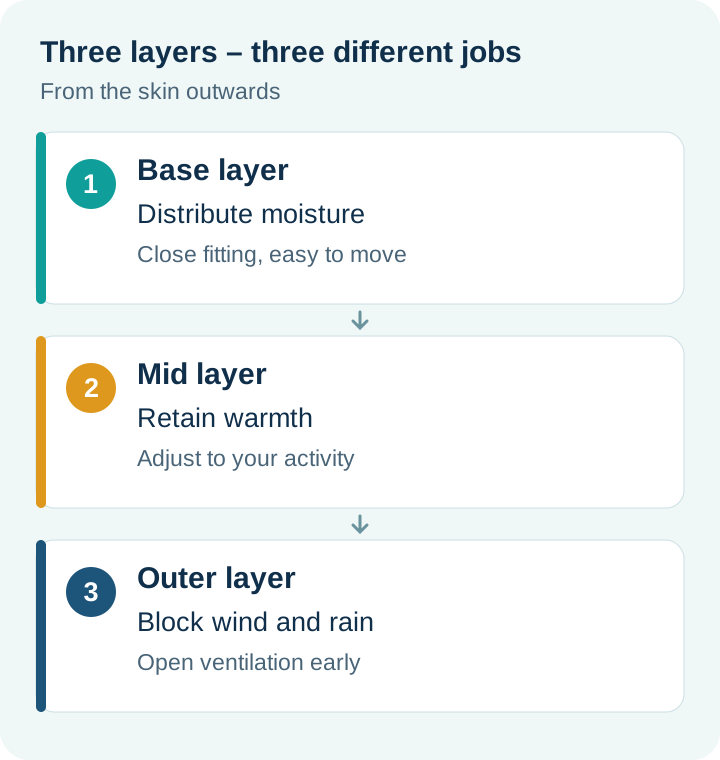
A good first layer helps manage the climate next to your skin. It can spread liquid, absorb water vapour and hold a thin layer of insulating air. It does not generate its own heat or turn an open jacket into a windproof, waterproof shell. Starting an ascent overdressed can soak even an expensive merino set. At the break, your heat production falls while damp clothing continues to exchange heat with the environment.
Start with your actual day: a short walk to the station, a hard bike ride, several hours of winter hiking and a ski day with chairlift stops call for different solutions. Air temperature alone is not enough. Wind, rain, effort, breaks, personal sensitivity to cold and your outer clothing all affect the result.
This guide compares complete sets containing a long-sleeved top and long bottoms. The specific selection comprises men’s and unisex models. Women should check the cut and their own chest, hip and waist measurements; a smaller men’s size is not automatically an equivalent fit. The general advice about materials and layering applies regardless.
Warmth, moisture transport and drying are different properties
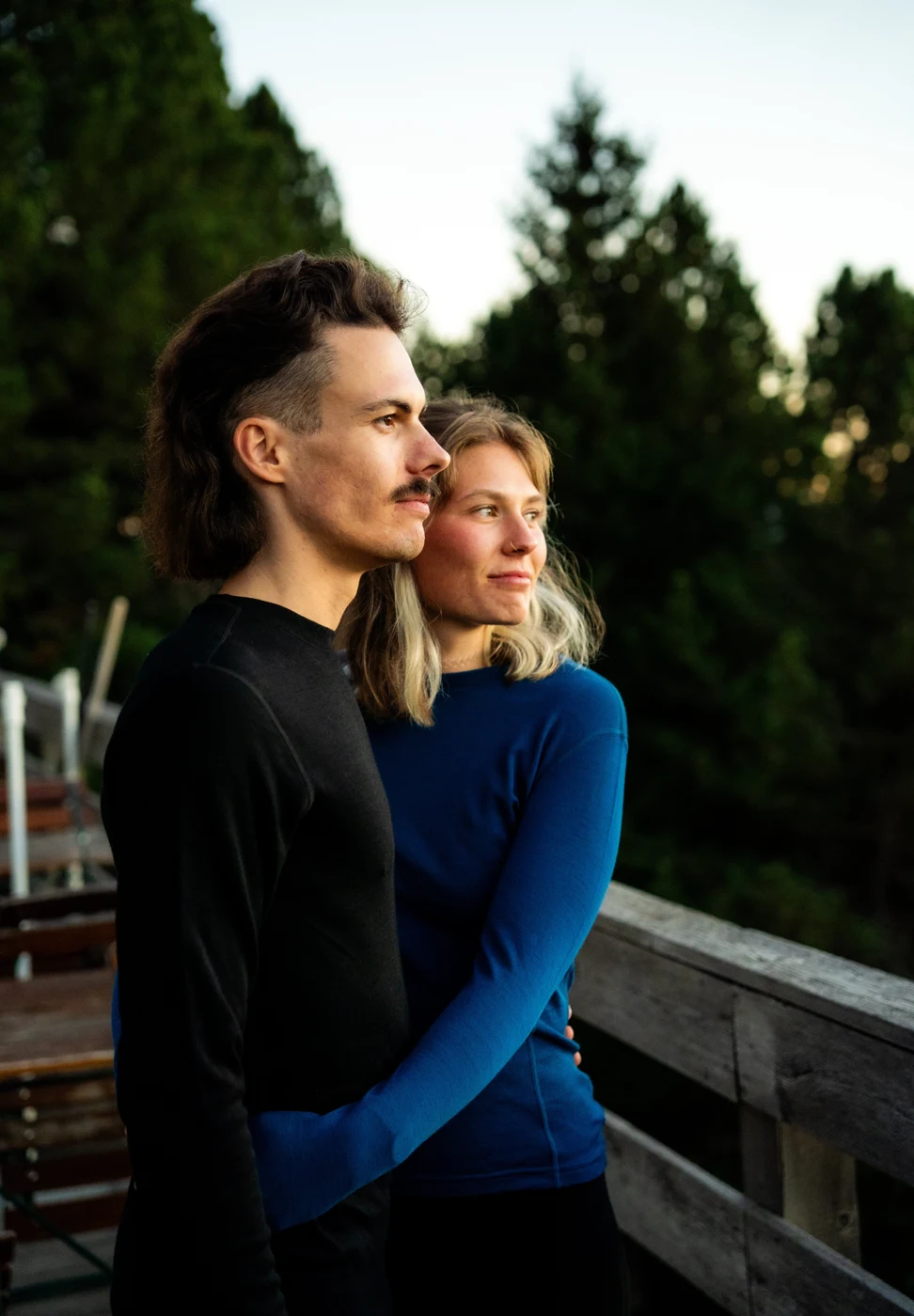
Heat retention depends heavily on air held inside the knit and between layers. Fabric thickness, construction and fit therefore matter alongside the fibre name. Brushed polyester can feel warmer than a thin wool top. Excessive tightness can flatten the fabric and make cuffs or waistbands uncomfortable.
Moisture transport describes how liquid sweat is distributed. Drying describes water leaving the whole clothing system. Evaporation also depends on humidity, air movement and the jacket above it. Even an effective base layer stays damp under poorly ventilated outerwear. Open vents before you become heavily sweaty and carry an additional dry insulating layer for longer stops.
Merino or synthetics: which properties matter?
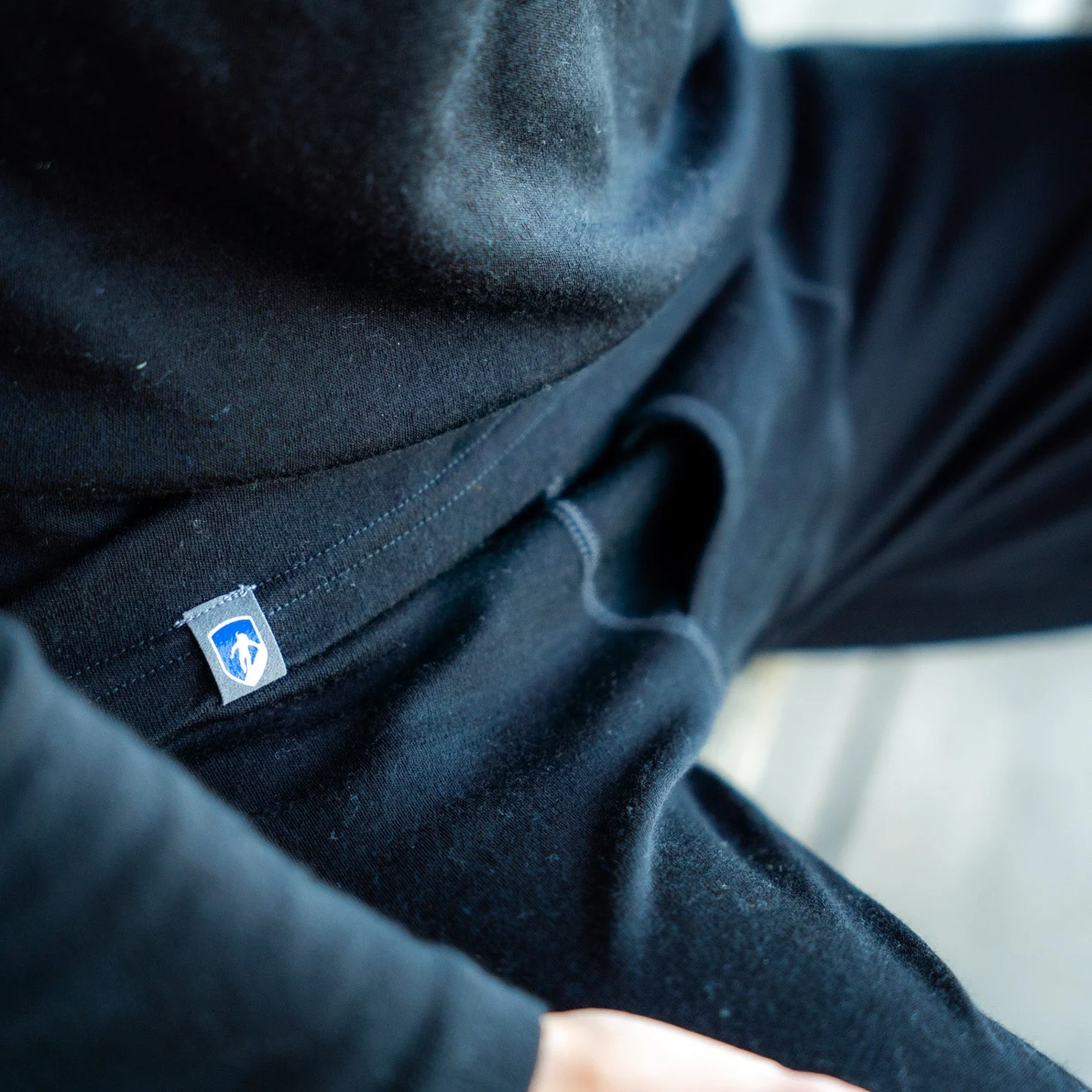
Merino can absorb water vapour within the fibre; this differs from moving liquid sweat along a fabric surface. Its often favourable odour behaviour is useful over consecutive days. A large amount of liquid can still make wool heavier and slower to dry. “Warm when wet” does not mean unchanged insulation or protection from chilling.
Polyester and polypropylene are often sensible when sweat output and washing frequency are high. The actual knit helps determine how effectively liquid spreads. Polyamide is commonly added for reinforcement, elastane for stretch and shape retention. An 80 percent wool blend is not automatically inferior to pure wool: a reinforced blend may be the more practical everyday compromise.
What research actually tells us
A study of 21 people at 8 °C found predominantly participant-group differences rather than a consistent merino advantage over polyester. It does not support declaring one fibre universally warmer or better for performance. 2017 study.
In twelve men, a wool shirt produced higher skin temperature and a warmer sensation after exercise at 15 °C followed by windy drying. That supports a possible comfort benefit in those conditions, not a universal temperature rating. 2023 study.
Another study of ten men at 8 °C found that individual fabric properties predicted the effects of complete clothing arrangements only to a limited extent. Our practical interpretation is to assess fibre, fit, layers and effort together. None of these studies tests the ten retail sets in this selection. 2014 study.
Materials compared directly
| Material | Useful for | Potential strength | Main trade-off |
|---|---|---|---|
| 100% merino | Gentler outings and consecutive days | Moisture buffering and odour behaviour | Care and abrasion matter; saturated wool may dry slowly |
| Merino blend | Regular hiking and changing effort | Wool comfort with targeted reinforcement | Wool percentage and fabric weight vary |
| Polyester | Sport, commuting and frequent washing | Practical care and sweat distribution | Odour and warmth depend on the specific knit |
| Polypropylene system | Active movement in cool weather | Low water absorption of the inner fibre | Outer fibres and construction remain important |
| Ordinary cotton | Dry everyday use with little exertion | Familiar feel next to the skin | A poor choice as a sweat-soaked first layer on cold outings |
Cotton does not perform identically in every construction. In Löffler’s two-layer system polypropylene sits inside while cotton and modal are used outside. That arrangement differs from an ordinary cotton T-shirt against the skin.
Three recommendations for different uses
Hiking & changing effort
Rank 1
DANISH ENDURANCE Merino 180
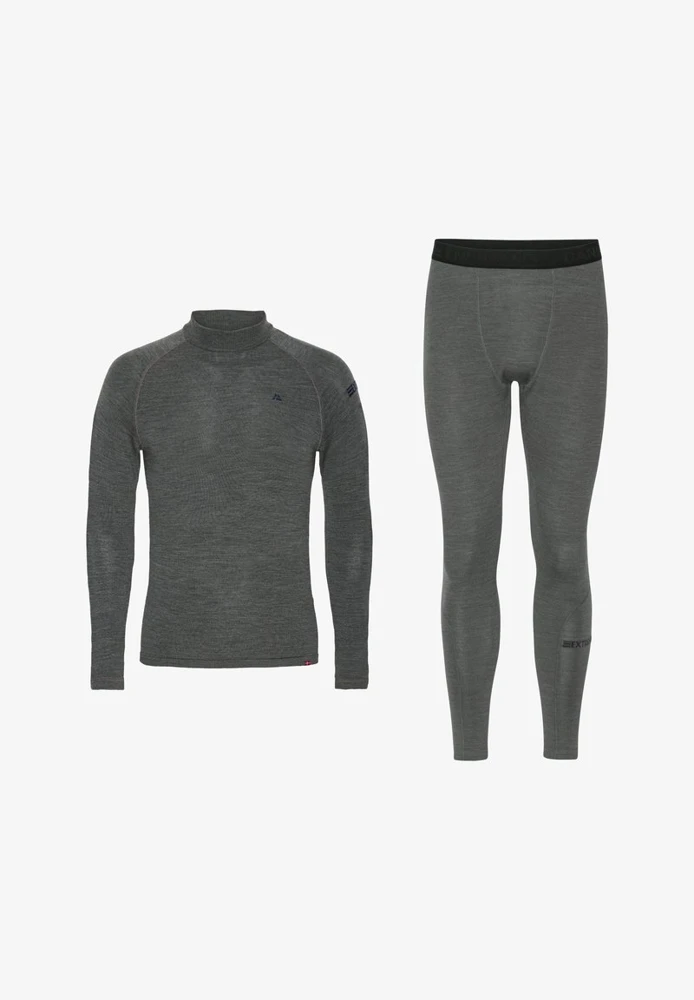
A 180 g/m² merino-polyamide blend makes this set our balanced starting point for outings with changing effort.
Regular active movement
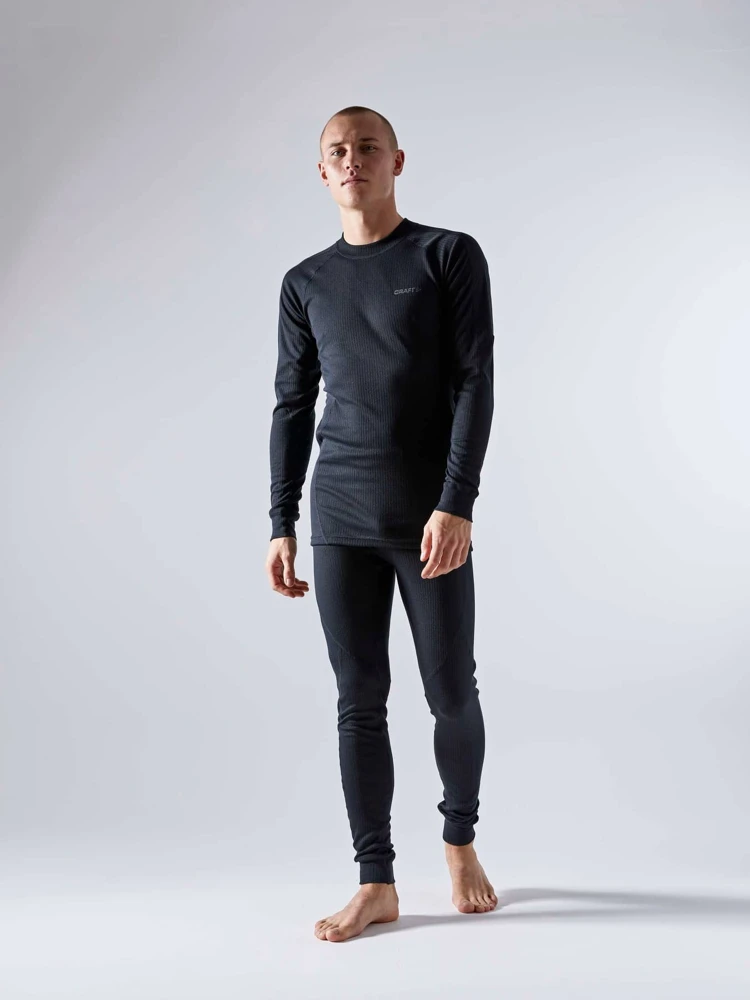
Rank 3
Craft Core Dry 1909707
Craft Core Dry is our first place to look when you want a straightforward polyester foundation instead of maximum insulation.
Budget-conscious starting point
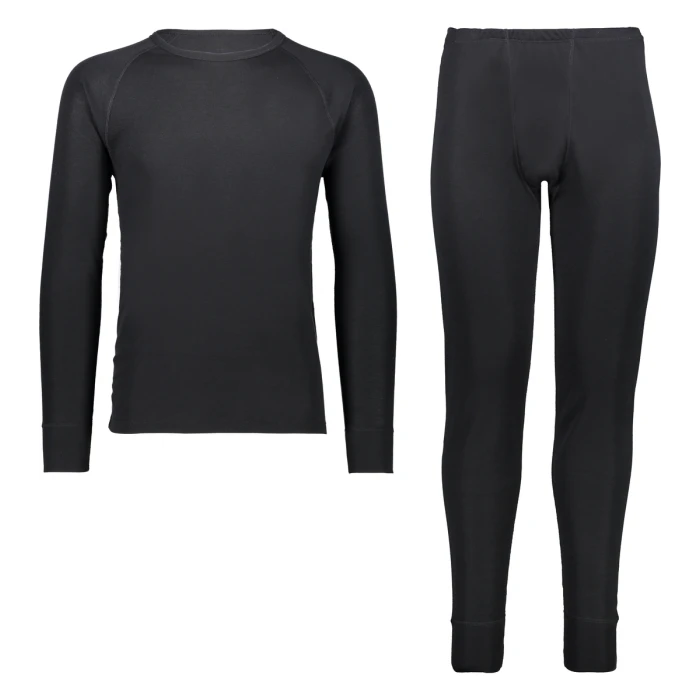
Rank 10
CMP Warm 3Y87800
CMP Warm 3Y87800 is our straightforward candidate for a complete warmer set without wool-specific care.
The top 10 thermal underwear sets at a glance
Tap a product name to jump straight to its full profile in the guide. The separate Amazon button opens the offer. On small screens you can scroll the table sideways.
| Rank | Image | Model | Key benefit | Amazon |
|---|---|---|---|---|
| 1 | | DANISH ENDURANCE Merino 180Read product profile | Wool blend for versatile hiking days | Amazon* |
| 2 | 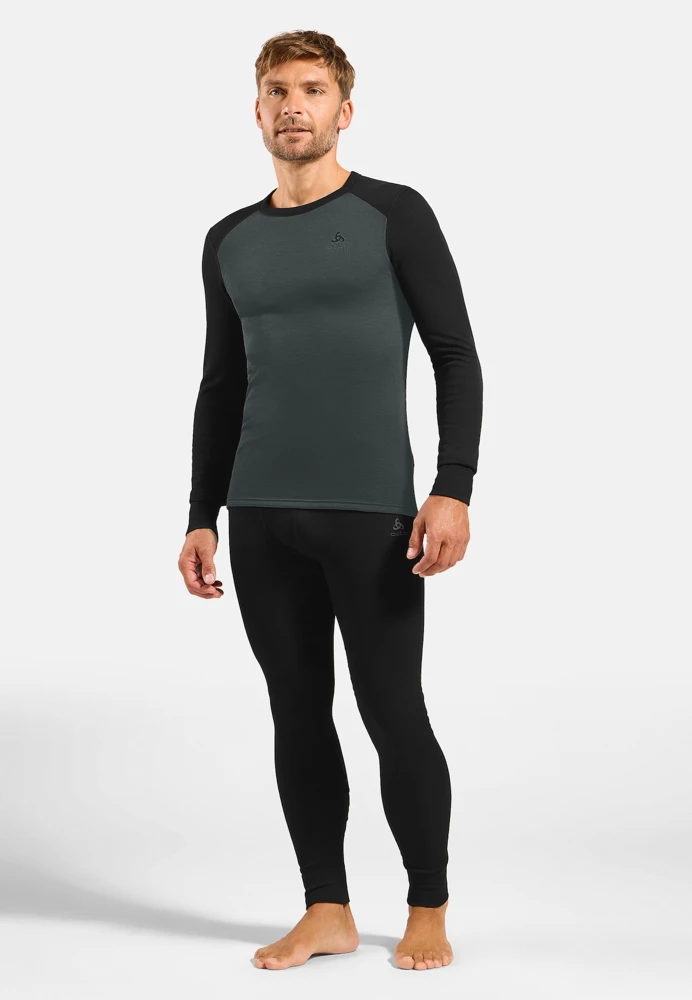 | Odlo Active Warm 196702Read product profile | Warmer synthetic set | Amazon* |
| 3 | | Craft Core Dry 1909707Read product profile | For regular active movement | Amazon* |
| 4 | 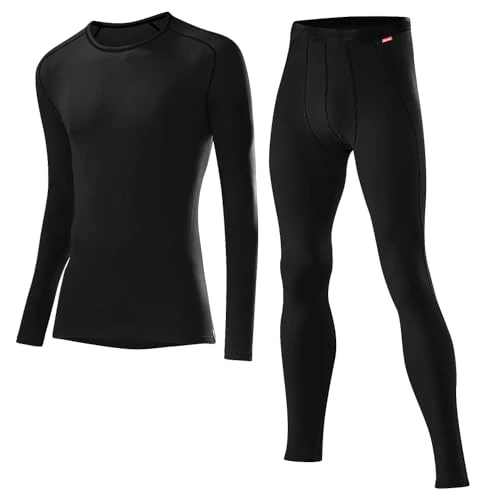 | Löffler Transtex Warm 10735Read product profile | Two-layer construction with polypropylene inside | Amazon* |
| 5 | 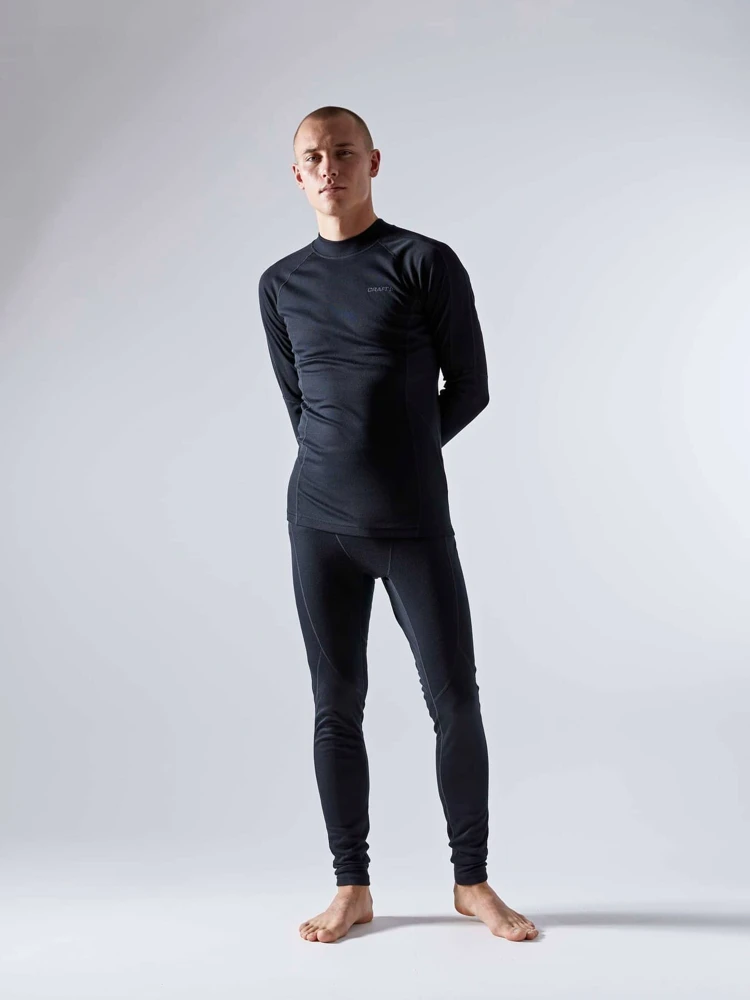 | Craft Core Warm 1909709Read product profile | Brushed inside for gentler winter days | Amazon* |
| 6 | 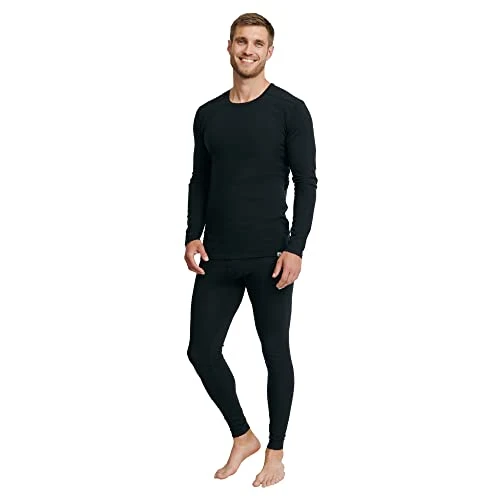 | LAPASA Merino M31Read product profile | Pure merino in the 200 g/m² version | Amazon* |
| 7 | 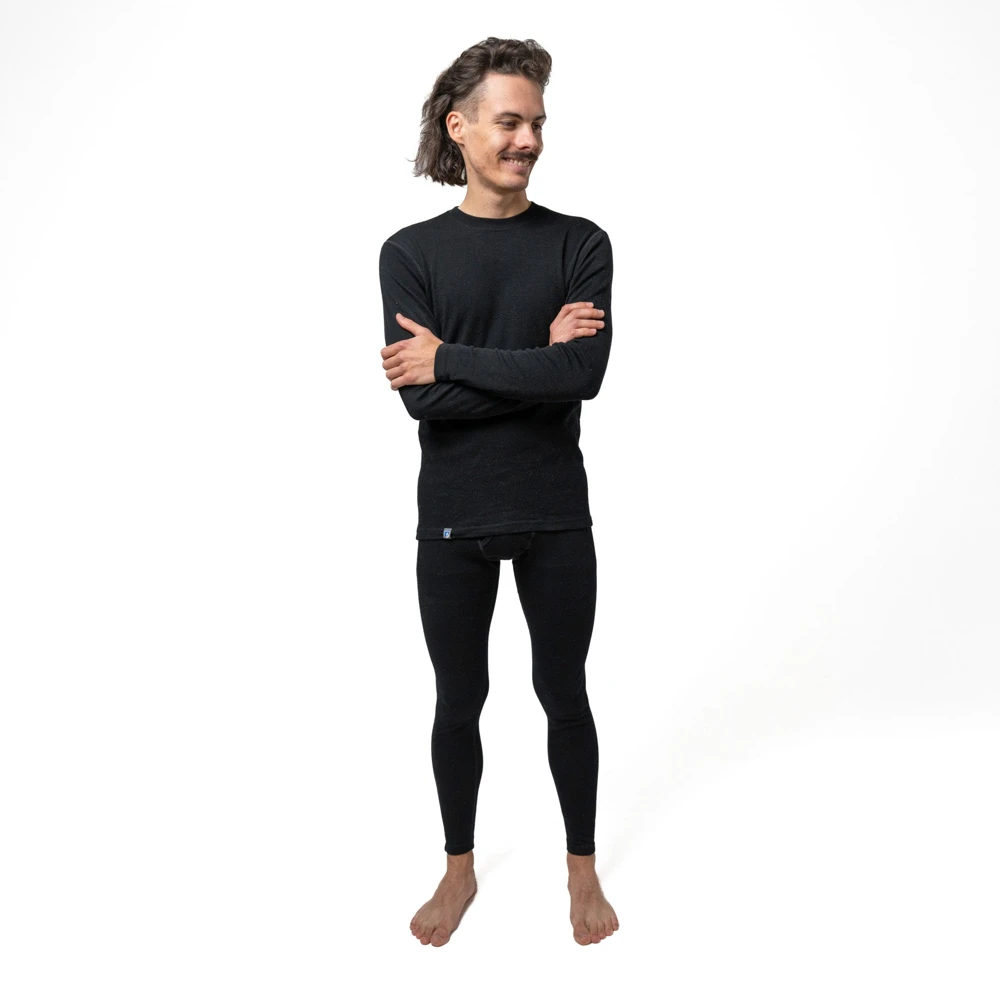 | ALPIN LOACKER Merino 230Read product profile | 230 g/m² wool for warmer hiking systems | Amazon* |
| 8 | 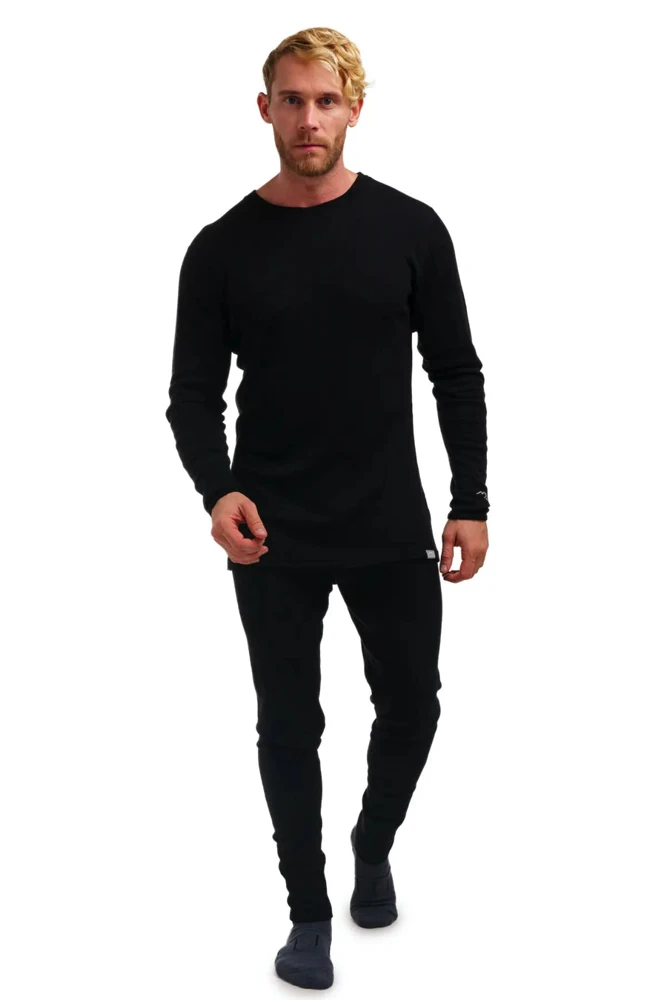 | Merino.tech Midweight 250Read product profile | 250 g/m² merino for a clear warmth brief | Amazon* |
| 9 | 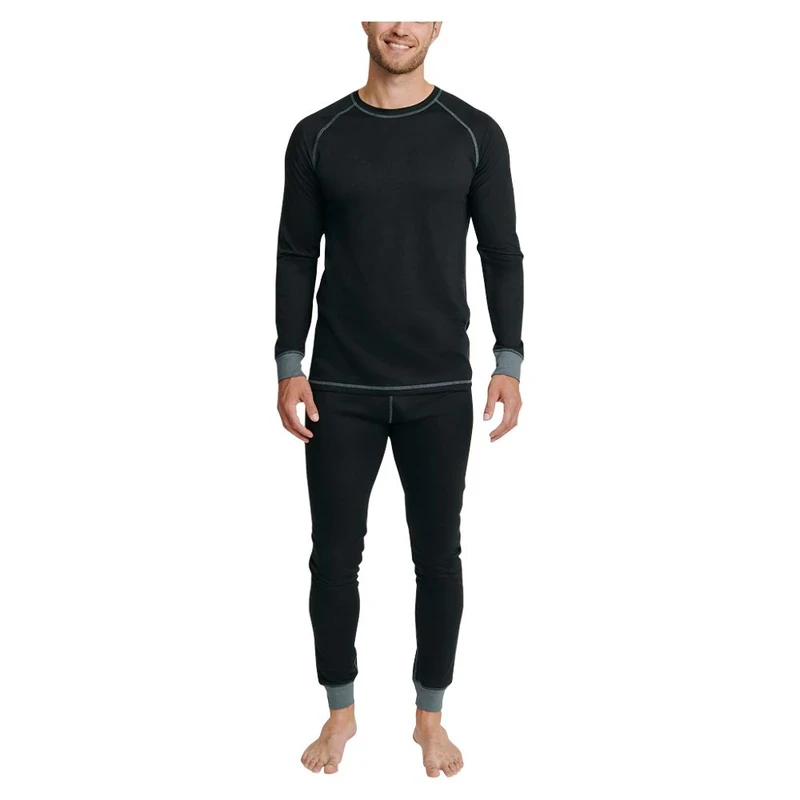 | DANISH ENDURANCE Thermal UnisexRead product profile | Unisex synthetics for everyday leisure | Amazon* |
| 10 | | CMP Warm 3Y87800Read product profile | Budget-conscious introduction to warmer layers | Amazon* |
How we assess the ten sets
This is an editorial source comparison, rather than our own wear, wash or climate-chamber test. The order considers traceable material information, versatility, construction, care and meaningful differences between the models. First place is our balanced hiking recommendation; third place may suit harder activity better. We do not assign invented measurements or blanket star scores.
Amazon.de buttons are assigned to specific models using published product references. Size, version, stock and conditions can change; the offer page before purchase is authoritative. Buttons lead to individual products rather than general search results. A single garment’s price is not treated as equivalent to the price of a complete set.
1. Match warmth to effort and breaks
For a walk, a commute or a relaxed ski day, a warmer set may make sense. During sustained vigorous activity, less insulation is often more comfortable. Start a little cool and adjust using jacket ventilation, pace and a removable middle layer. A matching top-and-bottom set is convenient, but your upper and lower body need not require identical insulation.
Budget-conscious introduction to warmer layers
CMP Warm 3Y87800
CMP Warm 3Y87800 is our straightforward candidate for a complete warmer set without wool-specific care.
- Material
- 100% polyester
- Fabric weight / construction
- Warm polyester construction
- Model / version
- 3Y87800 · Warm
- Set contents
- Long-sleeved top + long bottoms
Its top and long bottoms use polyester. Our assessment places this Warm construction closer to moderate activity than maximum pace. For occasional winter outings, a simple design can be useful if it fits comfortably under your existing clothing.
Tenth place describes an entry option rather than a defective product. It is less materially specialised than the wool and two-layer choices above it. Check model 3Y87800 when ordering: CMP also sells other, low-seam lines with different fibre contents.
Pros
- Complete top-and-bottom set
- 100% polyester according to the manufacturer
- Straightforward warmth brief
Cons & limitations
- May be too warm for hard effort
- Other CMP lines are not equivalent
Best suited to
Occasional winter outings and budget-conscious beginners.
3Y87800 · Warm
Manufacturer / product sourceA soft, brushed set is particularly relevant when most of the day is gentle. Repeated steep climbs make timely heat release more important. Assess the next-to-skin climate after several minutes of movement, not only when putting the set on in a warm room.
Unisex synthetics for everyday leisure
DANISH ENDURANCE Thermal Unisex
DANISH ENDURANCE Thermal is a separate line from the merino set in first place.
- Material
- Main: 100% recycled polyester; rib: 95% cotton, 5% elastane
- Fabric weight / construction
- Structured fabric and ribbed trims
- Model / version
- Thermal / Sustain · Unisex
- Set contents
- Long-sleeved top + long bottoms
The main fabric is recycled polyester, while ribbed trims contain cotton and elastane. The concept is a soft, straightforward construction for varied winter leisure use. Cotton at the cuffs is different from a cotton main body.
Ninth place recognises that unisex fit depends strongly on individual proportions. Measure carefully if you want a close training fit. A two-pack is also different from one two-piece set. The image shows a black-and-grey colour version.
Pros
- Recycled polyester main fabric
- Flat seams and ribbed trims
- Unisex model family
Cons & limitations
- Unisex proportions will not suit everyone
- Check pack size and colour version
Best suited to
Everyday use, leisure and moderate winter activity.
Thermal / Sustain · Unisex
Manufacturer / product sourceEven comfortable unisex clothing must fit the shoulders, hips and legs. Excess fabric can bunch under outer trousers; insufficient movement room can pull the top out of the waistband. The following choices therefore address different everyday needs, rather than guaranteed temperature bands.
2. What 180, 200, 230 and 250 g/m² actually mean
Fabric weight is the mass of one square metre of material. It is neither the weight of the complete set nor a directly comparable insulation rating across brands. Within similar constructions, more material often suggests greater heat retention. A lofty 180 g/m² knit can nevertheless behave differently from a compact 230 g/m² fabric.
250 g/m² merino for a clear warmth brief
Merino.tech Midweight 250
Merino.tech Midweight 250 has the highest explicitly stated pure-wool fabric weight among these ten choices.
- Material
- 100% merino wool
- Fabric weight / construction
- 250 g/m²
- Model / version
- MST-250 · 250 g/m²
- Set contents
- Long-sleeved top + long bottoms
The regular-fit set directs our attention towards gentler cold days rather than intense exercise. More fabric may mean greater warmth within comparable wool constructions. Whether it feels better to you than 180 or 200 g/m² depends on the whole day and the other layers.
Eighth place is therefore a specialist recommendation. Check the 250 label and contents: the brand also sells 165, 320 and zip-neck versions. Accessories such as socks are not the basis of the ranking. On longer outings a spare top may matter more than an apparent all-in-one package.
Pros
- 100% merino main fabric
- Explicit 250 version
- Regular cut
Cons & limitations
- Less flexible for high activity
- Many similar weight variants
Best suited to
Gentler cold days with deliberately greater fabric weight.
MST-250 · 250 g/m²
Manufacturer / product sourceA 250 g/m² wool set is a plausible option for gentler cold days but can be excessive at a hard pace. A lighter base with a readily adjustable insulating layer is often more flexible. That lets you respond to the change between climbing and standing still, rather than asking one thick garment to do everything.
230 g/m² wool for warmer hiking systems
ALPIN LOACKER Merino 230
ALPIN LOACKER’s set uses 100% merino with a stated fabric weight of 230 g/m².
- Material
- 100% merino wool
- Fabric weight / construction
- 230 g/m²
- Model / version
- 230 g/m² · Merino
- Set contents
- Long-sleeved top + long bottoms
In this selection it is an option for people wanting more material at a moderate pace. A complete set is convenient when the same size fits top and bottom. It does not guarantee identical warmth sensations in the torso and legs.
Seventh place reflects the more insulating profile. A lighter garment may be more flexible during demanding climbs. Manufacturer care recommends a gentle 30 °C wash, flat drying and no fabric softener. Friction from packs and hard fastenings deserves attention.
Pros
- 100% merino wool
- Documented 230 g/m²
- Complete hiking set
Cons & limitations
- Potentially too warm for hard exercise
- Care and friction matter
Best suited to
Moderate winter outings and people with greater warmth needs.
230 g/m² · Merino
Manufacturer / product sourceNominally, 230 g/m² sits in between. Its distance from 200 or 250 alone is not a reason to buy it. Fit, knit structure, outerwear and your opportunity to dry the clothes matter more. We do not estimate fabric weights that have not been published.
3. Compare pure wool and warm synthetics deliberately
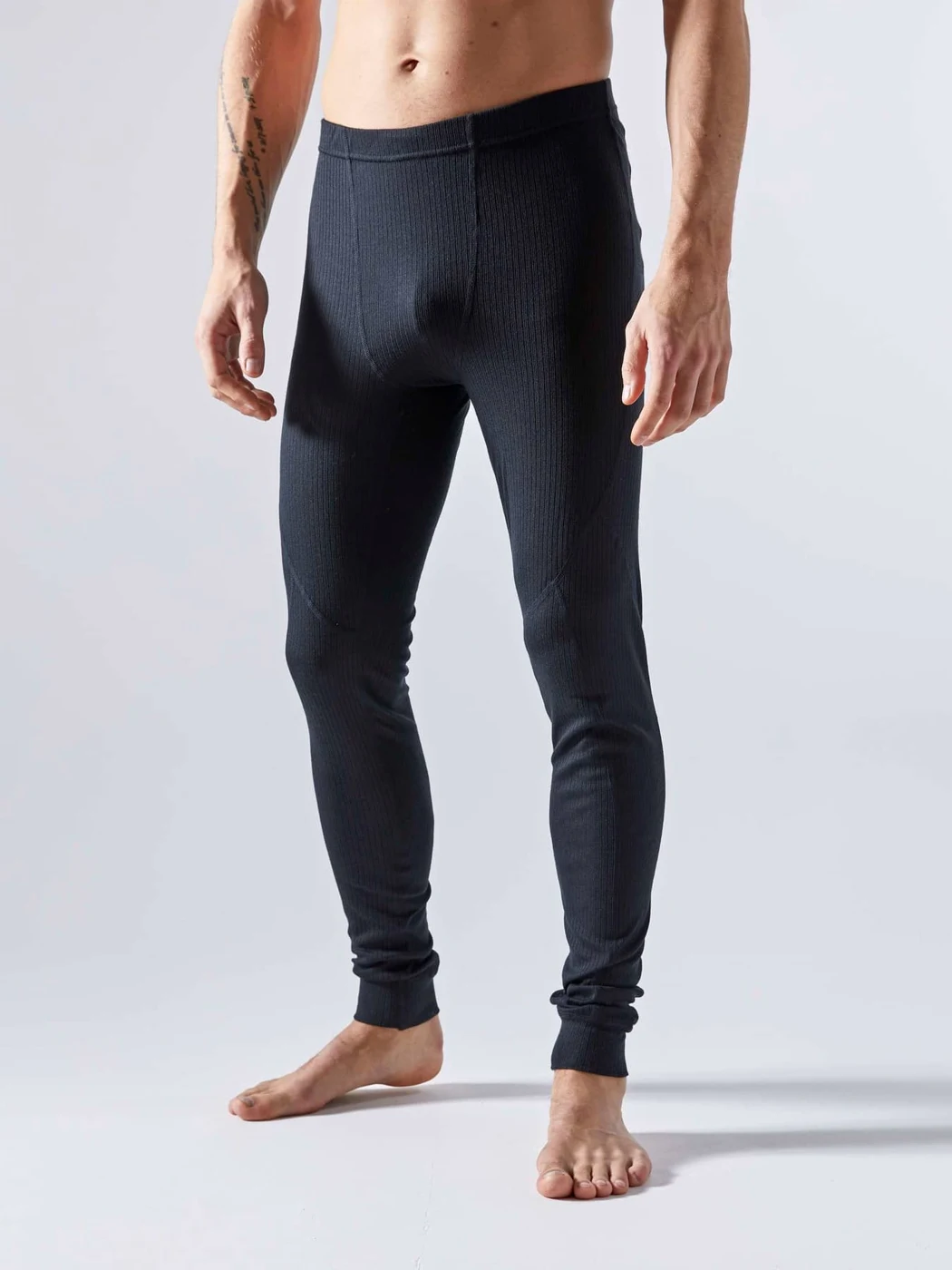
“100% merino” describes the fibre content, rather than the quality of every seam or a guarantee of durability. Watch friction from a backpack, trouser waistband and hook-and-loop fastenings. Fine wool knits need thoughtful washing and drying. If that care does not fit your routine, a good synthetic set may be more practical.
Pure merino in the 200 g/m² version
LAPASA Merino M31
LAPASA M31 adds a pure-wool set without polyamide in the main fabric.
- Material
- 100% merino wool
- Fabric weight / construction
- 200 g/m²
- Model / version
- M31 · 200 g/m²
- Set contents
- Long-sleeved top + long bottoms
This assessment specifically concerns the 200 g/m² M31. It sits between very light travel underwear and more warmth-oriented wool options. If pure wool against the skin is your priority, it is an alternative to the blend placed higher in the list.
Its lower position reflects more particular care needs and the importance of choosing the right variant. M31 and M126 often appear within the same offer family; the 250 version must not be assessed as identical. The photograph illustrates LAPASA’s merino family. For sensitive skin, trying it on is more useful than a blanket “never itchy” promise.
Pros
- 100% merino according to product information
- M31 at 200 g/m²
- Matching top and bottoms
Cons & limitations
- M31 and M126 can be confused
- Wool needs gentle treatment
Best suited to
People seeking pure merino at a moderate fabric weight.
M31 · 200 g/m²
Manufacturer / product sourceLAPASA’s version reference matters. In this selection M31 means the lighter 200 g/m² construction. The 250 g/m² M126 is a different warmth profile. Similar colours and product names are not enough to identify the right item. Check the selected type as well as the size.
Brushed inside for gentler winter days
Craft Core Warm 1909709
Craft Core Warm places greater emphasis on insulation than the same brand’s Core Dry.
- Material
- 100% recycled polyester
- Fabric weight / construction
- Brushed inner surface
- Model / version
- 1909709 · Core Warm
- Set contents
- Long-sleeved top + long bottoms
Manufacturer information for model 1909709 specifies recycled polyester and a brushed inner surface. That construction is why we consider it for gentler winter activity. The fibre name is shared with Core Dry, but the inside finish changes the use profile.
Fifth place reflects narrower versatility, rather than a criticism of warmth itself. If you heat up quickly, do not choose Warm simply because it is winter. When trying it on, check whether the long cuffs work with footwear and outer trousers without pressure.
Pros
- Brushed polyester inside
- Complete set with regular fit
- Clear Warm construction
Cons & limitations
- May be too warm at a hard pace
- No independent weather protection
Best suited to
Relaxed ski days, walks and warmth-oriented leisure use.
1909709 · Core Warm
Manufacturer / product sourceBrushing the inside of polyester produces a different feel from a smooth knit. Within one brand, a Warm line may target substantially more insulation than Dry. Base the decision on construction and intended use, rather than the shared fibre name alone.
4. Two-layer knits and active moisture management
A two-layer knit gives its inner and outer surfaces different jobs. Löffler uses polypropylene inside and an outer combination containing modal and cotton. That does not demonstrate measured superiority over every polyester garment. It does explain why “cotton is always wrong” is too simple a rule.
Two-layer construction with polypropylene inside
Löffler Transtex Warm 10735
Löffler Transtex Warm 180 offers the most distinctive fabric arrangement in this selection.
- Material
- 56% PP, 21% modal, 20% cotton, 3% elastane
- Fabric weight / construction
- Two-layer knit; PP inside
- Model / version
- 10735 · Warm 180
- Set contents
- Long-sleeved top + long bottoms
The manufacturer lists version 10735 as 56% polypropylene, 21% modal, 20% cotton and 3% elastane. Placement is important: polypropylene inside, cotton/modal outside. The cotton content therefore does not make it equivalent to an ordinary cotton sports T-shirt.
Fourth place reflects that documented construction, while the fitted cut and specialised approach will not suit everyone. Look for the model reference as well as Transtex. Light, Merino and other Warm versions are not interchangeable. Manufacturer care for this model allows up to 60 °C; the garment label remains authoritative.
Pros
- Traceable two-layer construction
- Elastane and flat seams
- Manufacturer states the fibre percentages
Cons & limitations
- Specific fit needs checking
- Other Transtex lines differ technically
Best suited to
Active cool days if you prefer a polypropylene inner surface.
10735 · Warm 180
Manufacturer / product sourceThe garment’s actual specification matters more than imprecise shop categories. For Löffler we use the manufacturer’s composition for the Warm 180 construction. An offer carrying different fibre information should not be treated as an identical material version.
For regular active movement
Craft Core Dry 1909707
Craft Core Dry is our first place to look when you want a straightforward polyester foundation instead of maximum insulation.
- Material
- 100% recycled polyester
- Fabric weight / construction
- Polyester; flat seams
- Model / version
- 1909707 · Core Dry
- Set contents
- Long-sleeved top + long bottoms
Model 1909707 focuses on moisture transport and flat seams. For a sporty bike ride or regular outdoor training this is a sensible brief: the first layer does not have to supply all the cold protection. A suitable jacket and, where needed, a middle layer complete the system.
Its regular fit should still sit sufficiently close to your skin. Check for bunching under trousers and enough back length in movement. A very thin running top may suit hard intervals better; we do not claim Core Dry wins a measured drying test.
Pros
- 100% recycled polyester
- Flat seams and regular fit
- Clearly distinct from Core Warm
Cons & limitations
- Less warmth-oriented than Core Warm
- Fit affects skin contact
Best suited to
Frequent active use with suitable outer clothing.
1909707 · Core Dry
Manufacturer / product sourceFor frequent active sessions, straightforward polyester can be the simpler option. Less insulation leaves more flexibility for a separate jacket. Sweat and vapour still need to pass through the whole system: no base layer can compensate for closed outerwear that cannot release enough heat and moisture.
5. Fit and care determine everyday usefulness
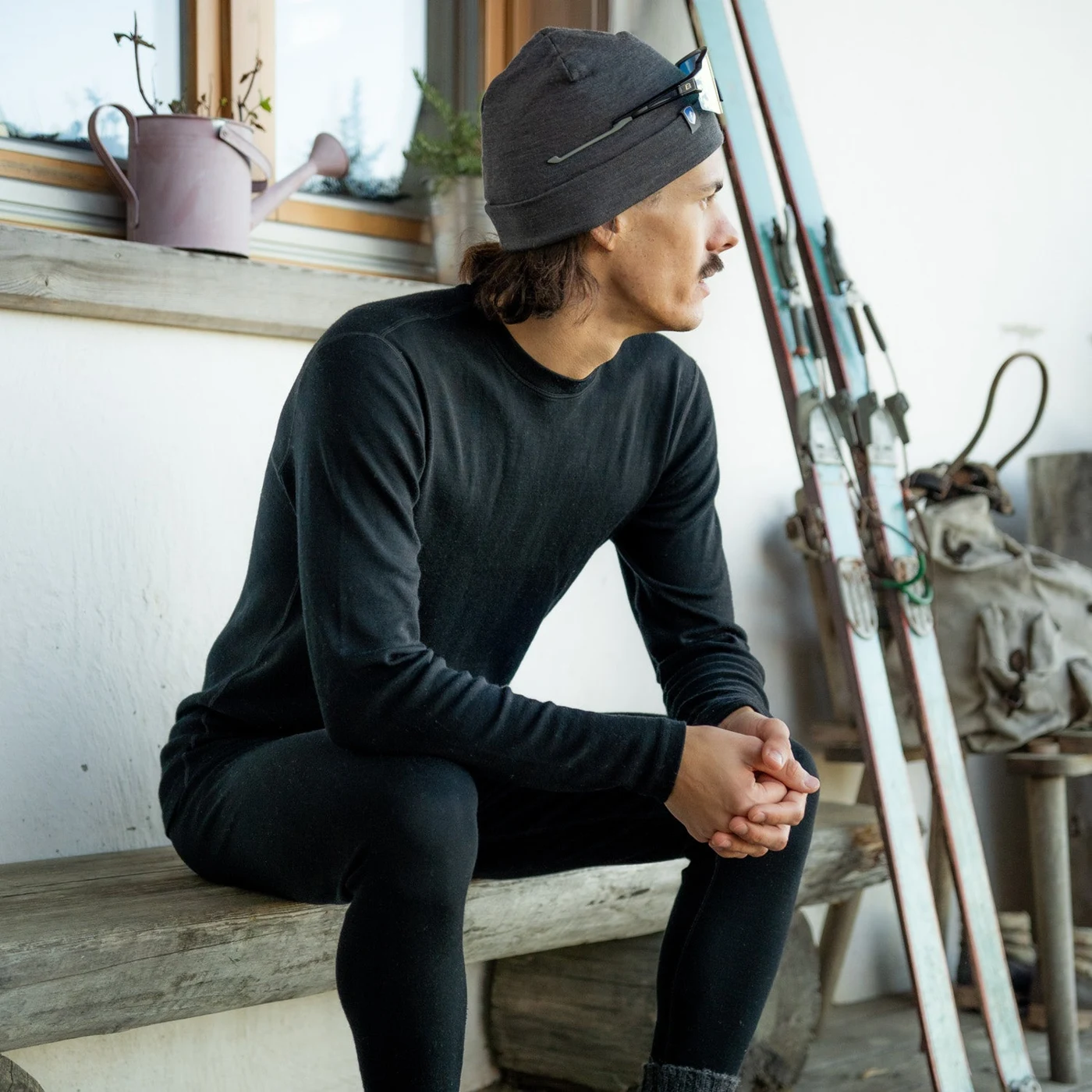
Try the set on with the clothing you intend to wear over it. Raise your arms, squat and adopt your cycling position. Your lower back should stay covered, the underarms should move freely and the waistband should not press. Close fitting means good contact rather than maximum compression. Separate top and bottom sizes can be more useful if a set’s proportions are wrong.
Warmer synthetic set
Odlo Active Warm 196702
Odlo Active Warm combines a warmer first layer with the everyday care routine of a polyester set.
- Material
- 100% recycled polyester
- Fabric weight / construction
- Warmth-oriented polyester construction
- Model / version
- 196702 · Active Warm
- Set contents
- Long-sleeved top + long bottoms
Model 196702 is interesting for skiing and cooler recreational activity. It prioritises a soft, insulating construction rather than minimal warmth. A fitted cut and long coverage can help the interfaces with other clothing.
It sits ahead of more specialised choices because its intended use is relatively broad. Fast runs and steep ascents may still make it too warm. Across Active Warm generations, use the selected version’s material and care label; do not transfer instructions from another variant automatically.
Pros
- Recycled polyester according to the manufacturer
- Complete model 196702
- Warmth-oriented everyday and ski option
Cons & limitations
- May be too warm at high intensity
- Care instructions differ between versions
Best suited to
Skiing, gentler hiking and repeated winter leisure use.
196702 · Active Warm
Manufacturer / product sourceCare planning is part of choosing the product. Follow the sewn-in label for the exact version, especially when older and newer variants coexist. Wash merino gently with suitable detergent and close abrasive fastenings. Clean synthetics regularly, dry them completely and do not assume fabric softener is appropriate.
Wool blend for versatile hiking days
DANISH ENDURANCE Merino 180
A 180 g/m² merino-polyamide blend makes this set our balanced starting point for outings with changing effort.
- Material
- 80% merino, 20% polyamide
- Fabric weight / construction
- 180 g/m²
- Model / version
- 180 g/m² · Merino
- Set contents
- Long-sleeved top + long bottoms
We place it first because the moderate fabric weight and reinforcement address a broad hiking brief. That is a construction-based judgement, not a measured climate-chamber win. Alternating brisk walking and short stops is a plausible setting for an adjustable system built around it.
The wool content is relevant for travel or consecutive walking days. Polyamide is a deliberate design choice rather than an automatic drawback. Seams, backpack contact and suitable care still matter. For very high sweat output, a lighter synthetic base remains a serious alternative.
Pros
- 80% merino with 20% polyamide
- Documented 180 g/m² construction
- Versatile foundation for hiking
Cons & limitations
- No wind or rain protection
- Not automatically best for intervals
Best suited to
Hiking at changing speeds with separately adjustable weather protection.
180 g/m² · Merino
Manufacturer / product sourceFirst place goes to a wool blend as a balanced candidate for changing hiking days. This is an editorial recommendation for that use. High sweat output, sensitivity to wool or mostly static cold conditions can make a different set more suitable.
Build your system for hiking, cycling and skiing
- Hiking: a close-fitting first layer, adjustable insulation and wind or rain protection as conditions require. Put an extra dry insulating layer on early for a long stop.
- Cycling: wind protection at the front and adequate back length matter. Ordinary thermal bottoms have no cycling pad. Avoid extra seams under padded shorts and try the combination before a long ride.
- Skiing: folds and stacked cuffs inside ski boots can press. Well-fitting three-quarter bottoms may be more practical than the full-length lower half of a set. Underwear does not replace appropriate outerwear.
- Everyday use and outdoor work: match clothing to movement and breaks. Ordinary thermal underwear is not flame-resistant, antistatic or otherwise certified protective clothing.
- Severe chilling, numbness or persistently wet clothing are reasons to seek shelter and adjust the system. We give none of these sets a guaranteed operating temperature.
Frequently asked questions about thermal base layers
Is merino always warmer than polyester?
No. Material quantity, trapped air, knit, fit and other layers matter too. Merino can be comfortable during changing effort; thin synthetics may suit harder exercise. Compare the complete construction rather than just the fibre name.
What fabric weight works for winter hiking?
Light to midweight fabrics can be a starting point, such as the 180–230 g/m² wool options described here. This is not a temperature certification. Pace, stops, wind, jacket choice and your sensitivity to cold all affect the decision.
Can I wear normal underwear underneath?
That depends on hygiene, comfort and fit. An additional large cotton layer under a functional top can change skin contact and moisture management. Below the waist, consider bulk, seams and the specific sports clothing combination.
Does thermal underwear need to be skin tight?
It should lie close without restricting breathing or movement. A top pulling down, a pressing waistband or heavily stretched fabric is not a sign of quality. Check chest, hips, waist, sleeves and inside-leg length against the brand’s measurements.
Is wet merino just as warm as dry merino?
No. Wool can feel comfortable with limited moisture, but a lot of water changes weight, evaporation and heat exchange. Wet clothing in cold wind remains a problem. Dry spare clothing and appropriate weather protection are still useful.
How often should I wash a base layer?
Consider sweat, dirt and skin comfort. Airing wool may reduce odour, but it does not replace washing a dirty garment. Follow the care label rather than a general internet rule.
Is a set cheaper than buying separate pieces?
Only the current offers can answer that. Compare equivalent materials and include both pieces. A set is not a saving if the top and bottoms need different sizes to fit you.
Why do translated articles also link to Amazon.de?
This selection targets the German Amazon marketplace. The articles are fully translated, while the buying destinations remain Amazon.de. Check the delivery country, offer-page language, size and version before ordering.
Which thermal base layer should you choose?
For changing hiking days, the DANISH ENDURANCE Merino 180 set is our balanced starting point. For regular active movement, we would check Craft Core Dry first. For a simple warmer set on gentler winter days, CMP Warm is a budget-conscious candidate. The most meaningful improvement comes from matching fabric, fit and adjustable layers to your day.
Sources and further reading
The comparison draws on manufacturer information for the described model families, published product references and the linked original studies. Images show model or colour versions; check the selected offer and contents. Product photographs: the respective brands, through the listed product and image sources.
- DANISH ENDURANCE Merino 180
- Odlo Active Warm 196702
- Craft Core Dry 1909707
- Löffler Transtex Warm 10735
- Craft Core Warm 1909709
- LAPASA Merino M31
- ALPIN LOACKER Merino 230
- Merino.tech Midweight 250
- DANISH ENDURANCE Thermal Unisex
- CMP Warm 3Y87800
- Merino / polyester — 2017, PMID 28824518
- Wool / comfort — 2023, PMID 37960939
- Layers / fabric properties — 2014, PMID 24354777
- GQ — Odlo / Merino.tech
- Netzshopping — product references
- DANISH ENDURANCE — Zalando
- DANISH ENDURANCE Thermal — SportPursuit
Related FitRecover articles
FitRecover · 2026-10-29