
MOBILITY · WINTER · BUYING GUIDE
Winter motorcycle gloves: warmth, control and protection – our Top 10
The right winter glove does more than keep your hands warm: you must still operate the throttle, brakes and switches precisely. An insulated waterproof glove may be enough for short urban trips. Longer exposed rides make the combination of insulation, wind protection and, when needed, electric heat more important.
For motorcycle and scooter riders commuting or touring in cool, wet weather. The selection includes compact urban gloves, long touring gloves and a heated alternative.
Advertising / affiliate links: As an Amazon Associate, FitRecover earns from qualifying purchases, at no extra cost to you. Manufacturer links are labelled separately.
Three quick recommendations
Top 10 at a glance
| # | Photo | Model | Useful for | Key limitation | Product |
|---|---|---|---|---|---|
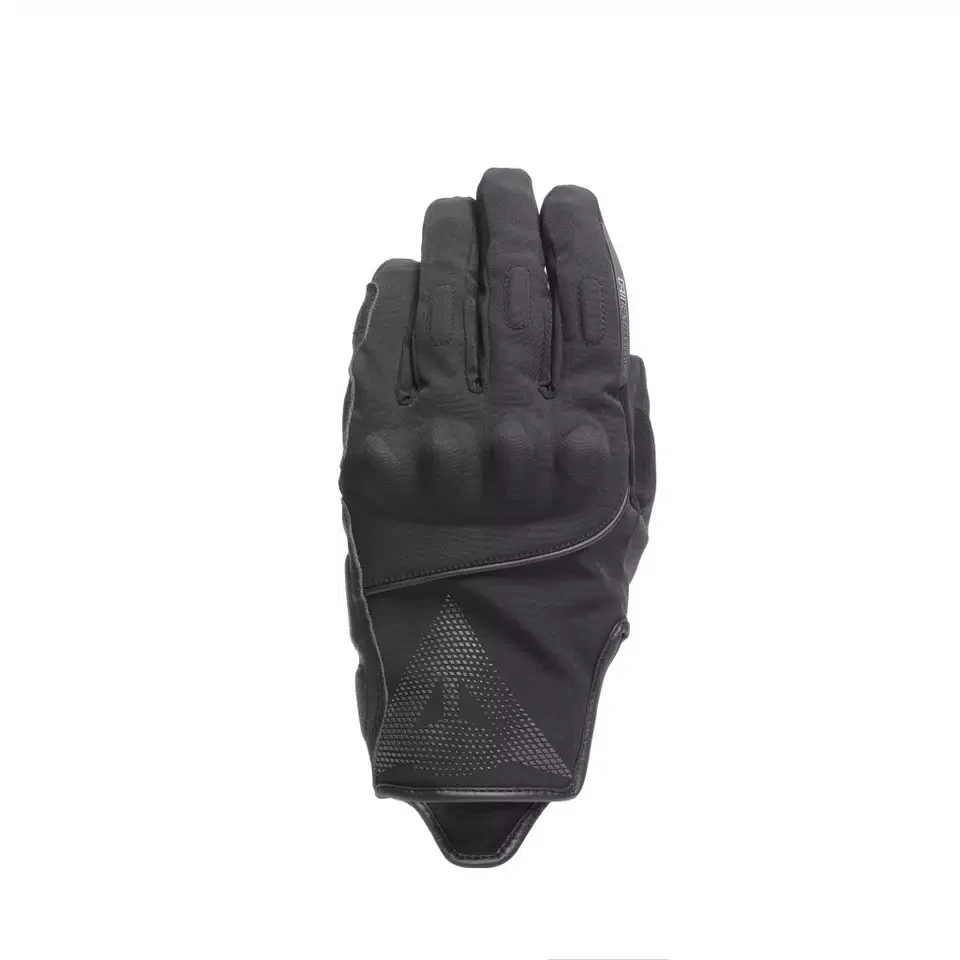
| 10 | | Dainese Udine WP | Compact for short urban trips | Light padding gives no universal deep-winter reserve | View on Amazon.de |
| 9 | 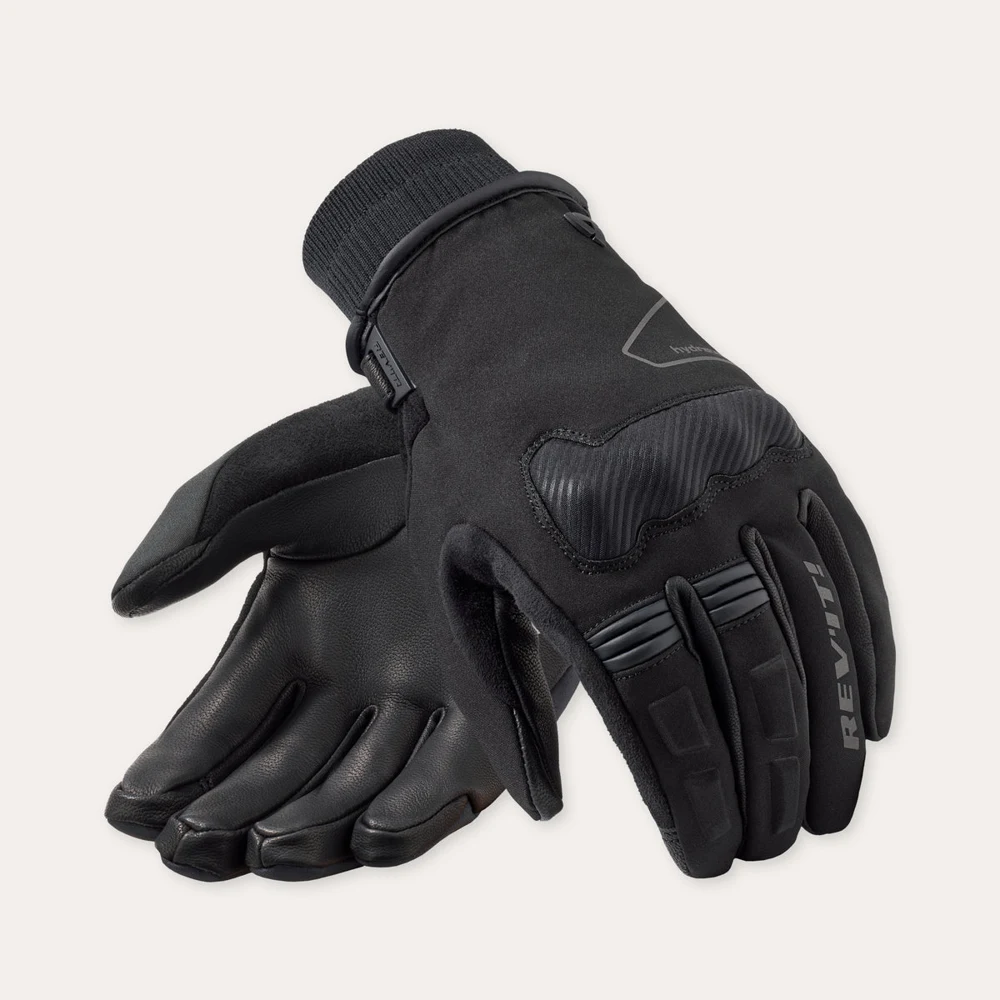 | REV’IT! Hydra 3 H2O | Short cuff for everyday city riding | Short cuff needs a matching jacket | View on Amazon.de |
| 8 | 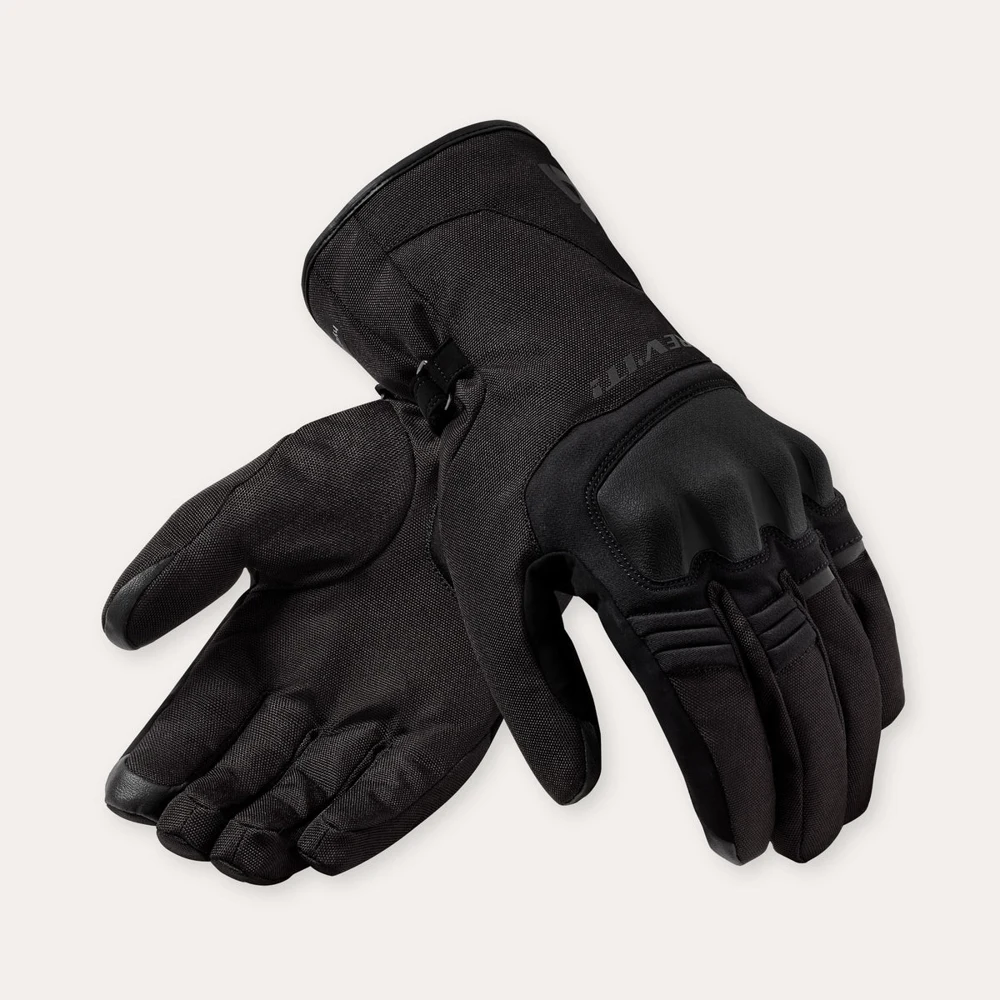 | REV’IT! Lava H2O | A compact winter option for commuting | Short cuff needs a compatible jacket | View on Amazon.de |
| 7 | 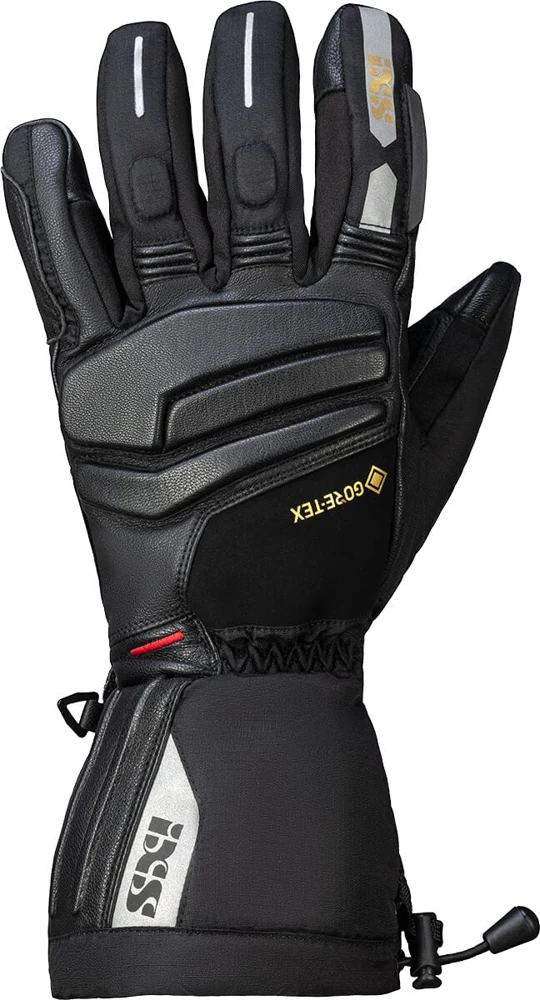 | iXS Arctic-GTX 2.0 | Touring construction with a broad size range | More cuff material than urban models | View on Amazon.de |
| 6 | 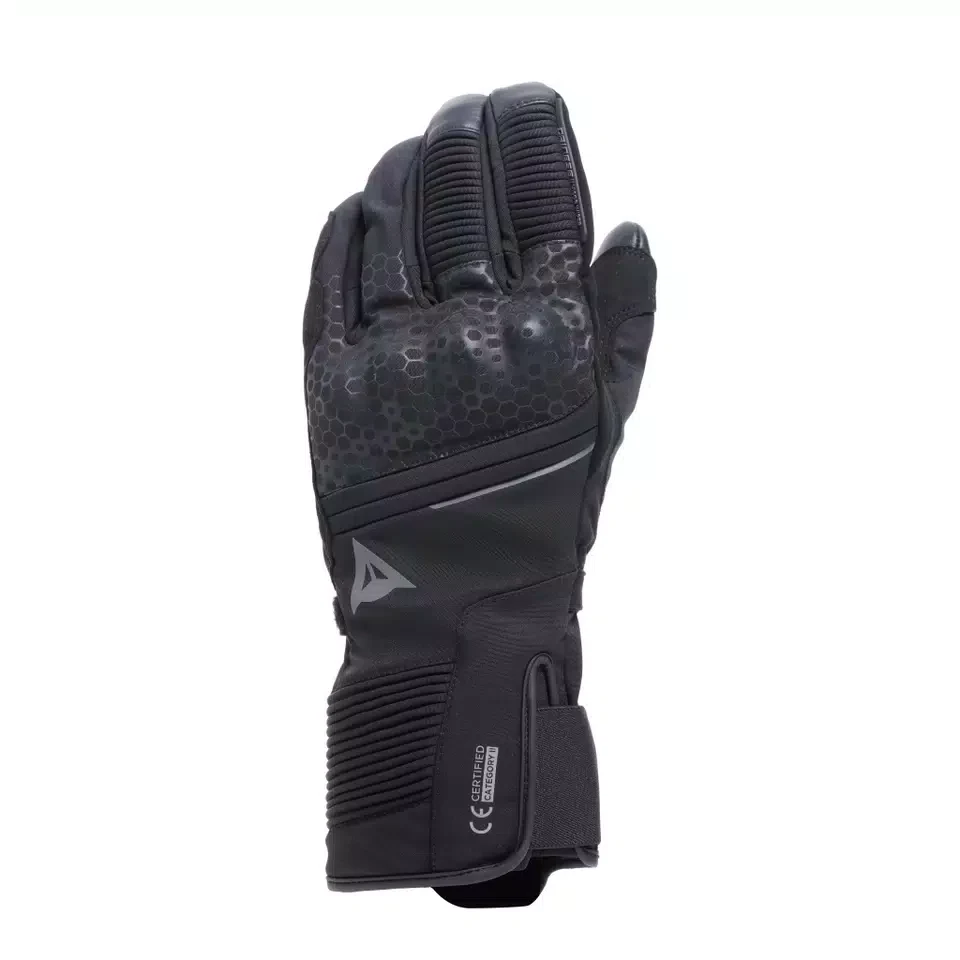 | Dainese Tempest 2 D-Dry Long | Long cuff for everyday touring | More material around the sleeve | View on Amazon.de |
| 5 | 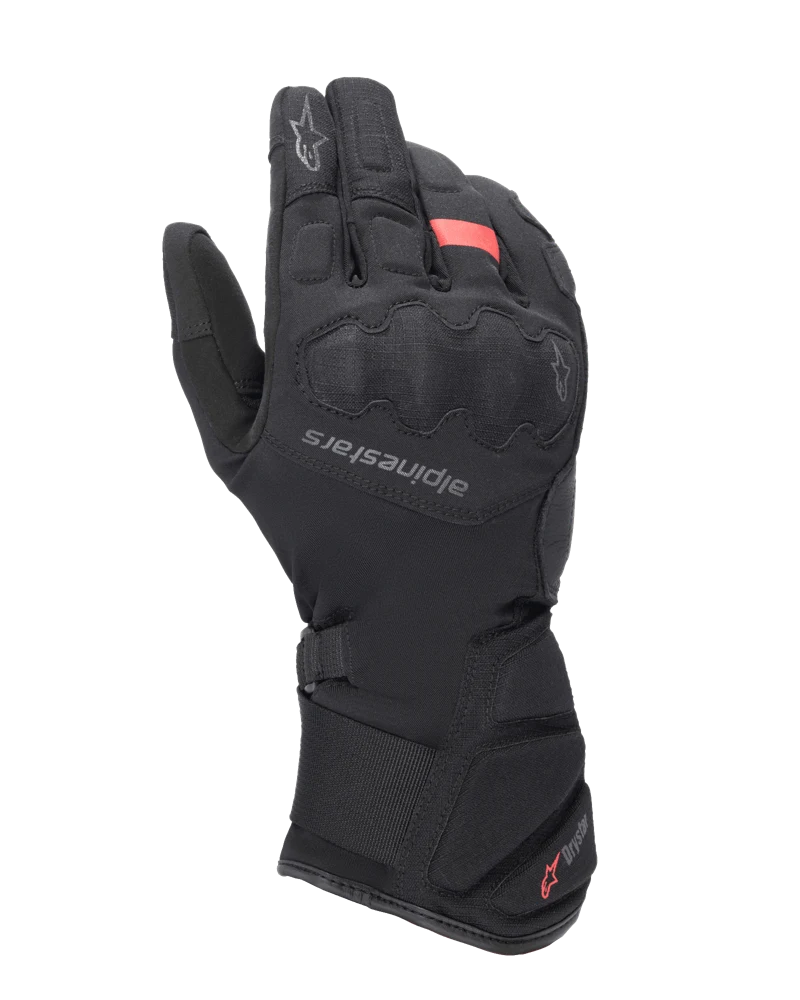 | Alpinestars Tourer W-7 V2 Drystar | A Drystar touring alternative | Insulation changes control feel | View on Amazon.de |
| 4 | 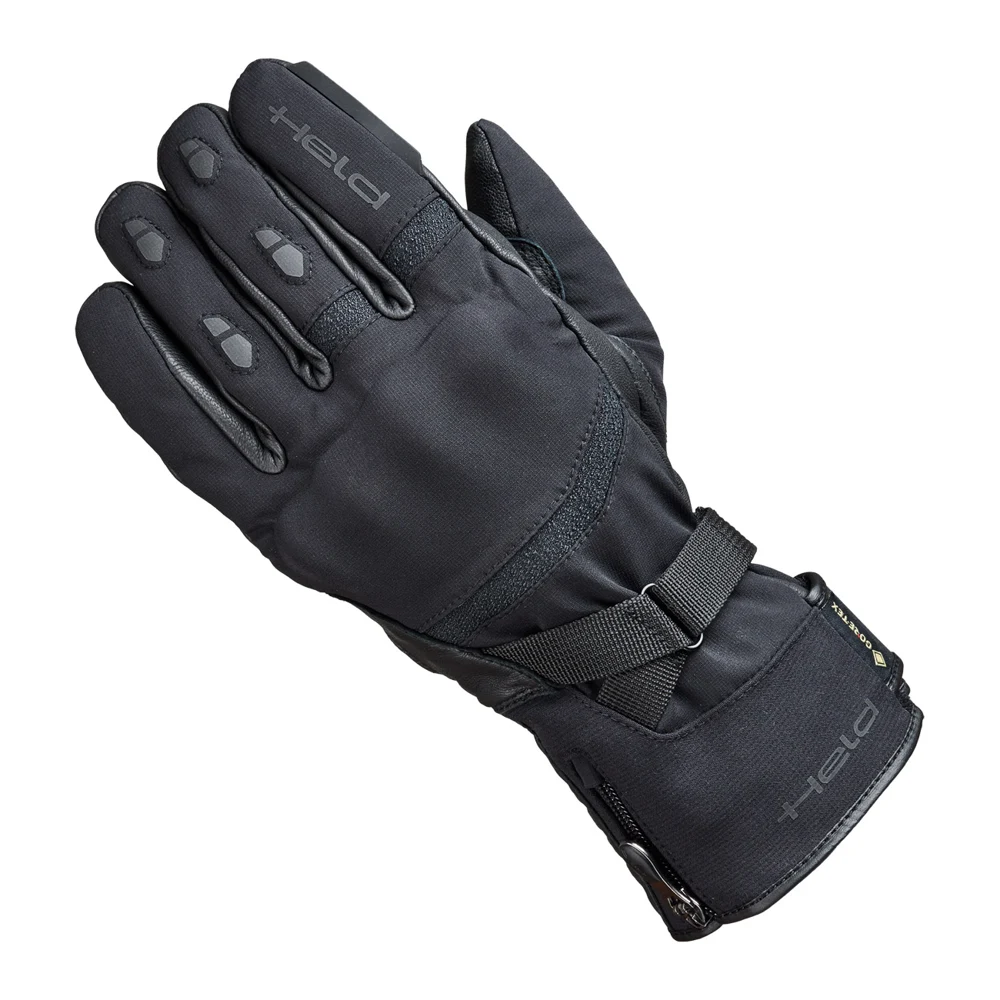 | Held Tonale 2 Gore-Tex | A well-equipped touring option | Additional closures require room and handling | View on Amazon.de |
| 3 | 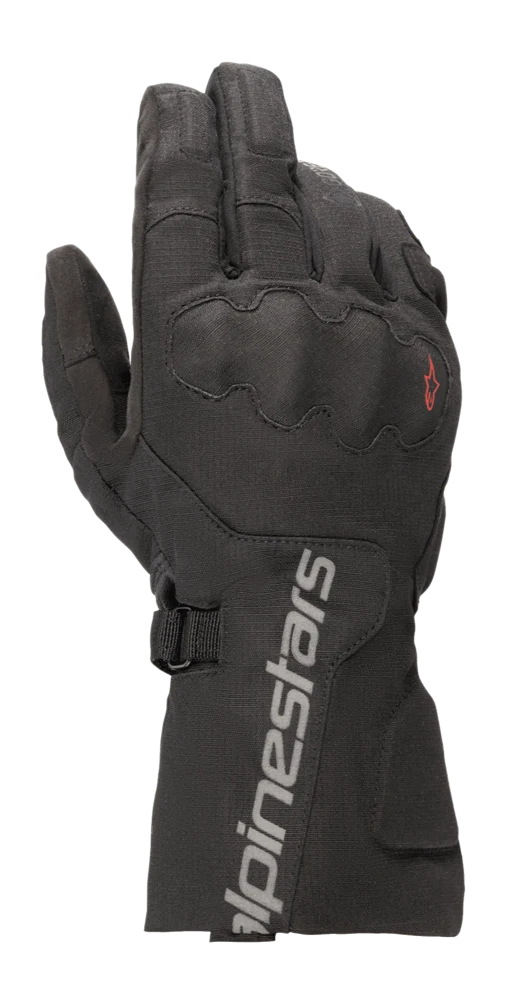 | Alpinestars WR-X Gore-Tex | A Gore-Tex alternative for longer journeys | A premium membrane is no temperature guarantee | View on Amazon.de |
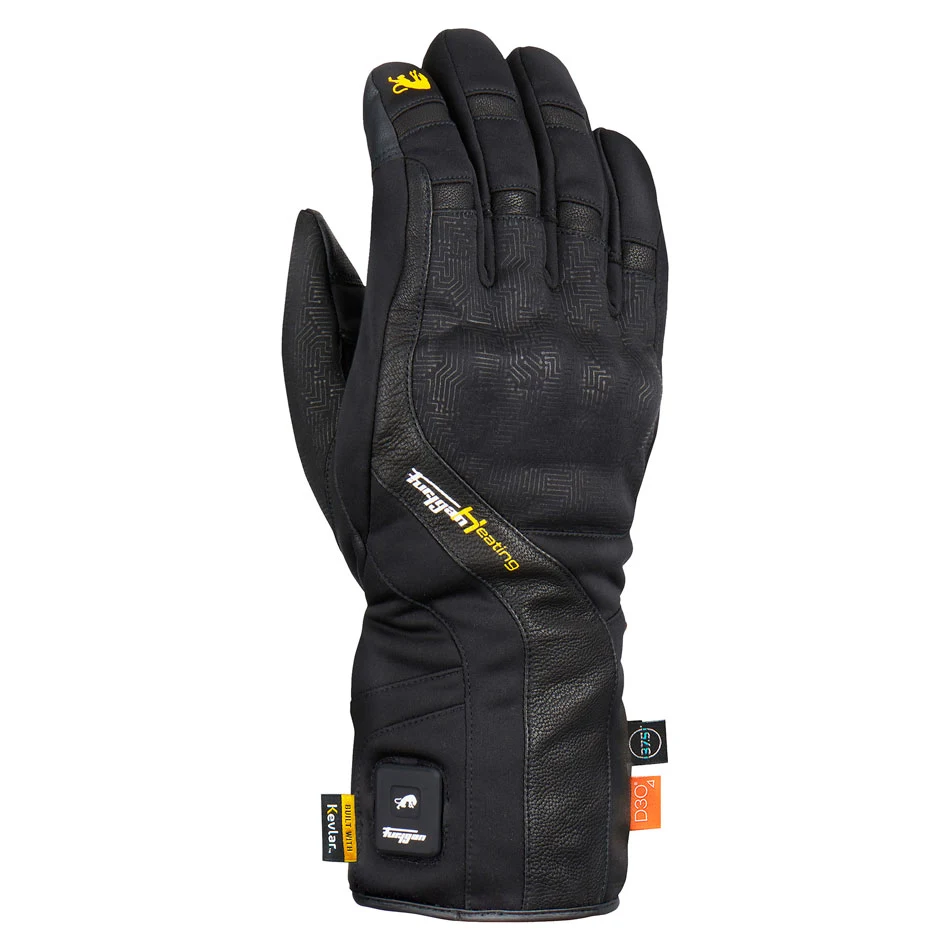
| 2 | | Furygan Heat X Kevlar | Active warmth beyond extra padding | Plan charging, battery condition and runtime | View on Amazon.de |
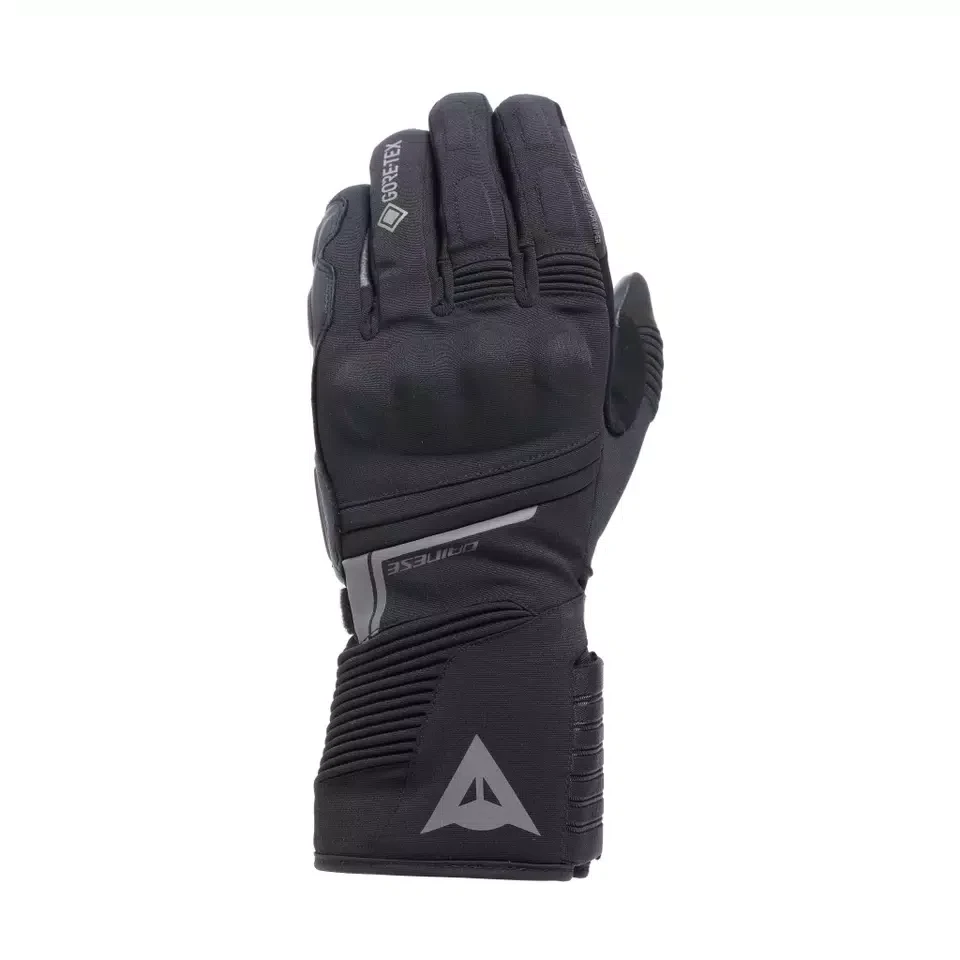
| 1 | | Dainese Funes Gore-Tex | Our versatile passive touring recommendation | Equipment cannot replace the right hand shape | View on Amazon.de |
How we select
This Top 10 is an editorial selection based on manufacturer information, not our own riding or laboratory test. We consider motorcycle protection, weatherproof construction, control feel and useful riding scenarios. The order is general guidance: a well-fitting urban glove may suit your route better than a higher-ranked touring model. There is no verified common lower temperature limit for these ten gloves.
Which glove suits your route?
Start with riding time, speed and wind protection rather than the thickest padding. A short urban trip with frequent stops places different demands on your hands from a long exposed country-road ride. The same glove may feel different behind a fairing than on an unfaired motorcycle. Also note whether you ride in rain and already have heated grips.[11]
For example, a compact glove can be useful on a commute with frequent braking and switching, provided it supplies enough warmth. A longer cuff may be more useful for extended stretches without a break. Check the choice in your usual riding position; comfort in a warm shop alone does not answer the winter question.
Rank 10
Dainese Udine WP
Manufacturer specifications: Dainese specifies a D-Dry membrane, light padding, Pro-Tek knuckle protection and a visor wipe.[1]
The Udine is a starting point for riders who frequently operate switches and levers in daily traffic. Its role is a compact urban solution. For a long windy ride, compare its warmth and cuff reserve with the Tempest 2 Long rather than relying on the brand name alone.
Suitable for: Short to medium urban journeys by motorcycle or scooter.
Less suitable for: Extended cold rides calling for substantial insulation or active heat.
Advantages
- A clear urban focus
- Knuckle protection and practical everyday features
Trade-offs
- Light padding gives no universal deep-winter reserve
- Check the jacket connection carefully
Compared with the closest alternative: Compared with the Tempest 2 Long, compact everyday handling is the reason to consider it; the Tempest focuses on a longer touring construction.
How snug should a winter glove be?
It should stay securely in place without pressure at the fingertips, back of the hand or wrist. Your fingers should not remain pressed against the ends when you hold the handlebar. Equally, excess material at the tips must not obstruct the switches. Size labels are insufficient because finger length and palm width differ between models.[7]
Try the glove with your actual jacket and any thin liner you intend to wear. Fasten the wrist strap, hold the handlebar and operate the levers repeatedly while the motorcycle is stationary. If you need to squeeze hard against the padding to close your hand, a different shape is usually more helpful than ordering a larger size speculatively.
Rank 9
REV’IT! Hydra 3 H2O
Manufacturer specifications: REV’IT! specifies a hydratex Z-liner, fleece lining, backhand Thinsulate insulation and a hard knuckle shell.[2]
The Hydra 3 is interesting when a short cuff works better with your jacket. The fitting decides: it must sit under the sleeve without leaving a gap when your arms bend. An urban design is not a recommendation for unlimited winter touring.
Suitable for: Urban commuters seeking a short insulated motorcycle glove.
Less suitable for: Riders whose jacket only closes reliably with a long over-cuff.
Advantages
- Clearly defined urban use
- Insulated waterproof construction
Trade-offs
- Short cuff needs a matching jacket
- No electric heat source
Compared with the closest alternative: The deliberately short construction is the key alternative to the Udine. Choose by sleeve connection and hand shape; the specifications do not prove which is warmer.
Waterproofing is more than a membrane name
A waterproof membrane and a water-repellent outer surface do different jobs. The outer material can become saturated while the internal barrier still keeps water out. This changes weight, drying and how cold the glove feels. Water may also enter through an open cuff; an expensive membrane cannot compensate for a poor jacket connection.[3]
Check the complete sleeve junction in riding position and follow the care instructions. After rain, let the exterior dry as directed and investigate whether moisture came from above, a damaged area or sweat. A damp lining alone does not establish that the membrane has failed.
Rank 8
REV’IT! Lava H2O
Manufacturer specifications: REV’IT! specifies a hydratex membrane, Fiberfill and high-loft lining, soft TPR knuckle protection and EN 13594:2015 Level 1 KP.[3]
The Lava H2O adds an option for commuters seeking a short insulated motorcycle glove without a long touring cuff. Straightforward sleeve integration and reliable everyday control are the priorities. The short construction must match your jacket; it is not automatically an advantage in every riding position. For a long exposed cold-weather journey, compare the longer touring models as well.
Suitable for: Everyday commuters whose jacket reliably covers a short glove cuff.
Less suitable for: Riders whose sleeve requires a long cuff, or who need extra electric heat.
Advantages
- Insulated waterproof winter construction
- Documented 1-KP motorcycle protection
Trade-offs
- Short cuff needs a compatible jacket
- No active heat or guaranteed lower temperature limit
Compared with the closest alternative: Unlike the Hydra 3, the Lava uses a soft TPR knuckle protector rather than a hard shell. Compare hand shape, lining feel and sleeve connection; those features do not establish a measured thermal ranking.
Long or short cuff: which matches your jacket?
A long cuff can cover the transition between jacket and glove more fully. It still needs enough room and a reliable closure. A short cuff is straightforward when the jacket closes neatly over it. What matters is a continuous junction that neither pulls apart nor directs water inside when you are riding.[5]
In rain, placing the glove cuff under the waterproof outer sleeve is often useful so water running down the sleeve does not flow straight into the glove opening. This is not a universal rule: some jackets have purpose-designed double cuffs. Follow the intended combination and check it with your arms bent.
Rank 7
iXS Arctic-GTX 2.0
Manufacturer specifications: iXS specifies a Gore-Tex Z-liner, PrimaLoft insulation, a leather palm and IMPACTON knuckle padding.[4]
The Arctic-GTX 2.0 is a touring option for riders wanting a more substantial cuff. Its manufacturer size range up to 5XL is particularly interesting, but cannot replace a fitting. A large size label does not automatically deliver the right finger length or a comfortable palm.
Suitable for: Touring riders who also need to compare larger glove sizes.
Less suitable for: Anyone preferring a minimal urban cuff.
Advantages
- Broad model size range
- Touring cuff with adjustable closures
Trade-offs
- More cuff material than urban models
- No dependable sub-zero limit in the specification
Compared with the closest alternative: Against the short Hydra, the sleeve junction on longer trips is the priority here. Against the Tempest, the particular fit is especially important.
What do EN 13594 and “1 KP” mean?
EN 13594 addresses mechanical requirements for motorcycle gloves. Levels 1 and 2 indicate different protective requirements; KP identifies tested knuckle protection. A motorcycle pictogram with the relevant marking is more informative than a general CE mark with no reference to the glove standard. It is not a temperature or waterproofness rating.[12]
Also look for an effective wrist restraint, reinforced palms and a fit that helps keep the glove on your hand in a fall. A large-looking knuckle shell alone says little about seams or abrasion performance. Do not infer a higher overall level from individual protectors; the label and conformity documents are what count.
Rank 6
Dainese Tempest 2 D-Dry Long
Manufacturer specifications: Dainese specifies a D-Dry membrane, Fiberfill padding, leather reinforcements and Pro-Tek TPU knuckles.[5]
The Tempest 2 Long is a logical option between compact urban gloves and more elaborate premium equipment. Include it if you regularly ride farther and prefer a long cuff. Check the opening with your winter jacket: a long glove is of little use if it cannot close neatly.
Suitable for: Commuting and touring with a preference for a long cuff.
Less suitable for: Riders needing a very short cuff or active heating.
Advantages
- Clearly touring-oriented
- Long cuff and adjustable fit
Trade-offs
- More material around the sleeve
- Passive warmth still depends on riding time
Compared with the closest alternative: Compared with the Funes, it uses D-Dry and Fiberfill rather than Gore-Tex and PrimaLoft Gold. This alone does not establish a measured thermal difference.
Warmth must leave you in control of the brakes
Additional material can change mobility and feel. Compare not only the insulation specification but also how much effort it takes to close your hand fully. Holding the motorcycle controls should feel natural. A glove that you continually fight to bend is poorly suited to frequent control inputs.[11]
With the motorcycle stationary, check the complete throttle travel and safe return, both levers, indicators and horn. Your hand must change position without snagging. Touchscreen fingertips are a convenience for stops; they do not replace good control feel or the need to stop before adjusting navigation.
Rank 5
Alpinestars Tourer W-7 V2 Drystar
Manufacturer specifications: Alpinestars specifies a Drystar membrane, Thinsulate insulation, a long cuff and EN 13594:2015 Level 1 KP.[6]
The Tourer W-7 V2 is an alternative to the Tempest when its hand shape or closure works better for you. A securely closed jacket junction is a useful buying reason, rather than a supposedly precise ranking of insulation materials. Check the material mix for folds and pressure points while holding the handlebar.
Suitable for: Regular commuters and touring riders using a long jacket cuff.
Less suitable for: Riders looking for heating batteries or a particularly short cuff.
Advantages
- Documented 1-KP motorcycle classification
- Long adjustable touring cuff
Trade-offs
- Insulation changes control feel
- No active heating
Compared with the closest alternative: It provides a real fit and closure alternative to the Tempest 2 from another manufacturer. Try both with the same jacket first.
Combining liners and heated grips
A thin liner can adapt a glove system, but it needs sufficient space. If the outer gloves become tight, comfort is lost. Try both layers together. Thick insulation at the palm can also change how much heat from a heated grip reaches your hand.[11]
Heated grips mainly warm the contact area around the handlebar; they do not automatically surround the fingertips and back of the hand. Existing heated grips therefore do not turn every thin glove into a winter glove. Judge the complete system of glove, grip heat and wind protection, and check whether both hands remain reliably warm in actual use.
Rank 4
Held Tonale 2 Gore-Tex
Manufacturer specifications: Held specifies Gore-Tex, Thinsulate lining, D3O knuckle protection and a zippered cuff.[7]
Shortlist the Tonale 2 when you want a pronounced touring cuff with several adjustments. Operate the zipper and hook-and-loop fasteners with the other glove already on. In everyday use, closing both sides without awkward re-gripping makes a meaningful difference.
Suitable for: Touring riders deliberately comparing closures and hand shapes.
Less suitable for: Anyone seeking a minimalist short glove.
Advantages
- Several cuff and wrist adjustments
- Documented motorcycle protection with a knuckle protector
Trade-offs
- Additional closures require room and handling
- Do not confuse it with earlier Tonale versions
Compared with the closest alternative: The zippered cuff is a concrete difference from the Tourer W-7 V2. Whether it is more practical depends on your jacket sleeve and how easily you operate it with the other glove on.
Why there is no honest universal sub-zero guarantee
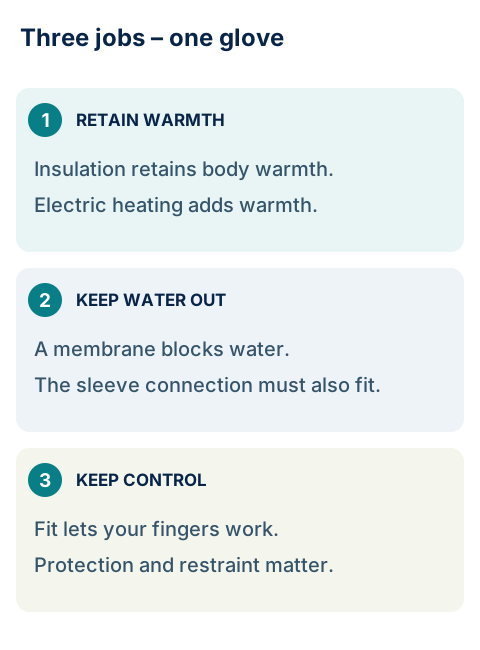
An unheated glove does not create extra electric heat. Its insulation helps retain existing body warmth. How long this is enough also depends on riding time, moisture, wind and your individual needs. The word “winter” or an insulation weight alone therefore cannot establish a dependable temperature limit for everyone.[11]
Even two high-quality membrane gloves can feel different. If your fingers regularly become cold during longer rides, do not simply add another thick layer. Check fit, dry clothing, wind protection and an active heat source. If sensation or control deteriorates, stop safely and only continue once your hands work reliably again.
Rank 3
Alpinestars WR-X Gore-Tex
Manufacturer specifications: Alpinestars specifies a Gore-Tex membrane, insulated winter construction and a long cuff.[8]
Include the WR-X if you want a Gore-Tex alternative to the Drystar Tourer within the Alpinestars range. Finger mobility, palm feel and sleeve connection remain important. We do not claim it is warmer than every Drystar model; that comparison would require shared measurements.
Suitable for: Touring riders preferring a passive Gore-Tex construction.
Less suitable for: Riders explicitly needing an electric heat source for cold fingers.
Advantages
- Designed for longer winter rides
- A clearly named Gore-Tex membrane
Trade-offs
- A premium membrane is no temperature guarantee
- Brand choice cannot fix an overly tight fit
Compared with the closest alternative: The membrane specification differs from the Tourer W-7 V2. A better hand shape may matter more than this material difference.
When are heated motorcycle gloves worthwhile?
They make sense when passive insulation cannot meet the demands of your usual route or when you need additional heat independent of grip contact. In return, batteries, cables, charging and further possible failure points enter the system. A maximum runtime without heat setting and ambient conditions is not a guarantee for your complete commute.[13]
Plan both outward and return journeys with a reserve. Check whether the precise package includes batteries and a charger, and whether a vehicle cable is a separate accessory. Cables must not interfere with steering or controls. Charge and dry components according to the instructions. Heating does not replace the glove’s mechanical motorcycle protection.
Rank 2
Furygan Heat X Kevlar
Manufacturer specifications: Furygan specifies electric heating to the fingertips, MyFury Connect functions and an optional 12-V connection.[9]
The Heat X Kevlar is the special case here: it supplies an additional heat source, making it especially relevant for cold-sensitive riders. Its high placement reflects that need, not a universal win over passive gloves. Short urban trips do not automatically justify batteries and charging.
Suitable for: Riders whose route regularly needs more warmth than passive insulation provides.
Less suitable for: Buyers who want neither charging nor cables.
Advantages
- Heat independent of direct handlebar contact
- Adjustable heating functions
Trade-offs
- Plan charging, battery condition and runtime
- Check package contents and optional vehicle cable separately
Compared with the closest alternative: The decisive difference from the Funes is active heat. With an empty battery, only passive insulation remains, so plan a return-journey reserve.
How do you keep winter gloves dependable?
Put them on and remove them carefully without pulling a damp lining out by force. Dry them according to the label; strong direct heat is not a shortcut. Leather and textiles may require different cleaning and care products. Heated models have additional requirements for electrical components and batteries.[13]
Before winter, inspect seams, palms, closures and damaged areas. Reproofing does not restore protective equipment with loose reinforcements. After a fall or other damaging event, follow the manufacturer’s inspection and replacement guidance. A dry spare pair can be more useful on a long wet journey than relying on one expensive pair.
Rank 1
Dainese Funes Gore-Tex
Manufacturer specifications: Dainese specifies a Gore-Tex membrane, PrimaLoft Gold with Cross Core, Pro-Tek knuckle protection and leather reinforcements.[10]
The Funes represents the rider wanting a high-quality passive touring solution without charging plans. Its combination of weather protection and insulated construction makes it a useful fitting starting point. First place is an editorial overall decision, not a measured best performance or a guarantee against cold hands.
Suitable for: Commuters and touring riders preferring passive insulation with a premium membrane.
Less suitable for: Anyone whose normal route has already shown that passive gloves are insufficient.
Advantages
- Extensive passive winter equipment
- No battery or charging plan
Trade-offs
- Equipment cannot replace the right hand shape
- High heat demand may favour active heating
Compared with the closest alternative: Membrane and insulation differ from the Tempest 2 Long. It lacks the Furygan’s active heat source. Choose the Funes only when fit and actual warmth needs match.
Which one suits you?
Start with the Udine, Hydra or Lava for short urban trips. For longer tours, compare the Tempest, Tourer, iXS, Held, WR-X and Funes with the same jacket. If passive insulation regularly fails on your route, investigate the heated Furygan. The best choice is the glove that still leaves you in control at the end of the ride.
Leave the motorcycle parked in snow and ice. Gloves do not make a slippery road safe.[11]
A fitting in six steps
- Measure hand circumference using the specific manufacturer’s size chart.
- Try on with your winter jacket and planned liner.
- Fasten the wrist restraint and check pressure at the knuckles and fingertips.
- On a stationary motorcycle, repeatedly operate the throttle, brake, clutch and switches.
- Check the sleeve junction in riding position with your elbow bent.
- For heated gloves, check power supply, cable routing and reserve for the return trip.
Frequently asked questions
Can ski gloves replace motorcycle gloves?
Warmth is insufficient. Motorcycle-specific mechanical protection, secure restraint and control feel matter. A ski glove is not automatically tested to EN 13594.
Which gloves are guaranteed warm at minus ten degrees?
There is no common independent temperature test for this selection. Such a guarantee would be unsupported. Riding time, wind protection, fit and personal needs change the result.
Should I order one size larger for winter?
Not automatically. Choose by hand circumference and finger length, and try the intended layers together. Too large can impair control; too tight can cause uncomfortable pressure.
Are heated grips enough?
It depends on the route and glove. The grip contact area is heated differently from the back of the hand and fingertips. Test the entire system rather than planning a long ride based on a warm palm alone.
Is Gore-Tex always warmer than D-Dry or Drystar?
A membrane name is not a warmth rating. Insulation, construction, fit and the actual riding conditions also matter.
What should I do if my fingers become numb or clumsy?
Stop safely, warm your hands and investigate why the combination is unsuitable. In snow or ice, the ADAC recommends leaving the motorcycle parked.
Sources and product information
- Dainese Udine WP
- REV’IT! Hydra 3 H2O
- REV’IT! Lava H2O (Reference address currently unavailable)
- iXS Arctic-GTX 2.0
- Dainese Tempest 2 D-Dry Long
- Alpinestars Tourer W-7 V2 Drystar
- Held Tonale 2 Gore-Tex
- Alpinestars WR-X Gore-Tex
- Furygan Heat X Kevlar
- Dainese Funes Gore-Tex
- ADAC: Motorrad fahren im Herbst und Winter
- SATRA: EN 13594:2015 – Protective gloves for motorcycle riders
- Furygan: care and use of heated gloves