
NUTRITION · ON THE GO · BUYING GUIDE
Ready-to-drink protein shakes and protein bars: a practical guide + Top 10
A ready-to-drink protein shake or protein bar is primarily a convenient way to fill a gap in your daily food intake. A shake suits you when you want to drink without preparation; a bar when a small snack fits your bag and routine better. The whole serving, protein source, calories and tolerance matter most. A high protein content does not automatically make a product a complete meal or a weight-loss product.
For healthy adults seeking a convenient addition at work, while travelling or around training. This comparison covers four ready-to-drink protein shakes and six protein bars. Protein powders and more comprehensive meal drinks are separate product groups.
Advertising / affiliate links: As an Amazon Associate I earn from qualifying purchases. The price you pay does not change.
Three recommendations for different needs
Rank 5
A bar with 20 g protein
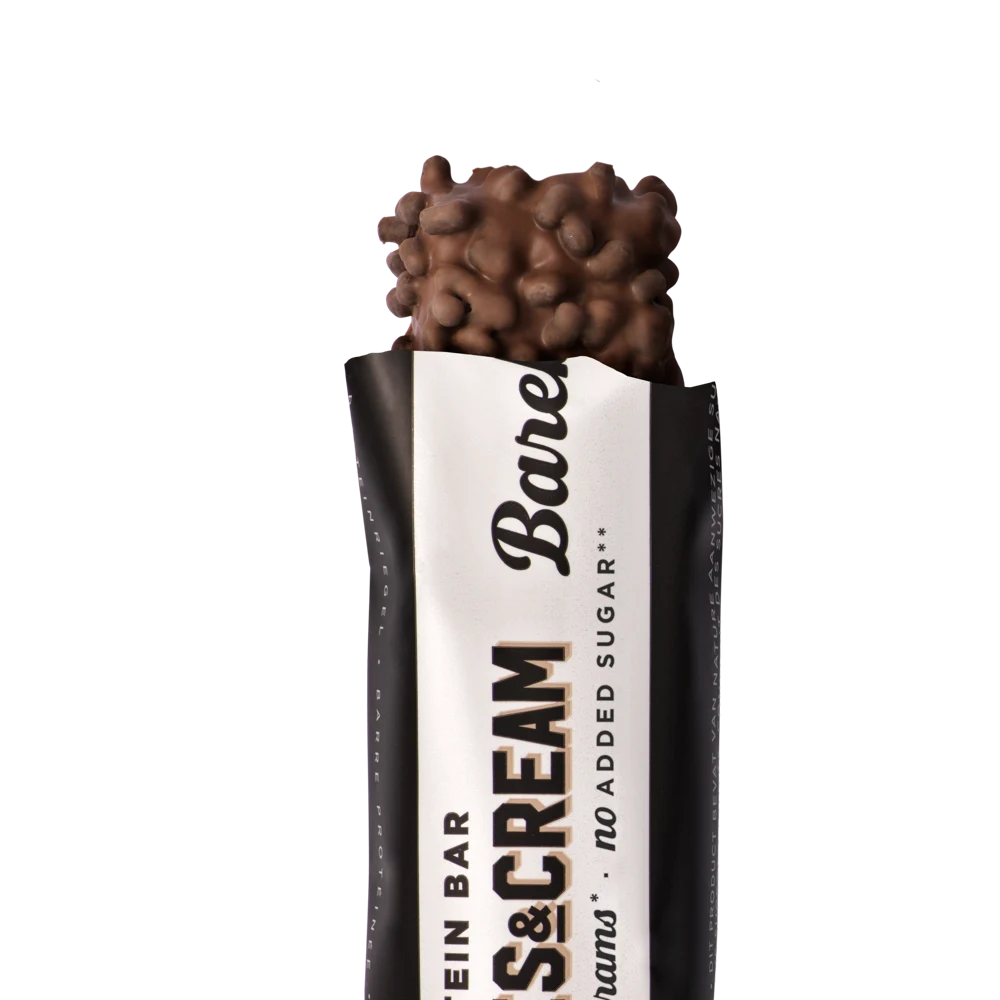
Barebells Protein Bar
Cookies & Cream
20 g protein, 194 kcal and 1.3 g sugar; a convenient portable portion.
View on Amazon*Rank 4
A plant-based drink
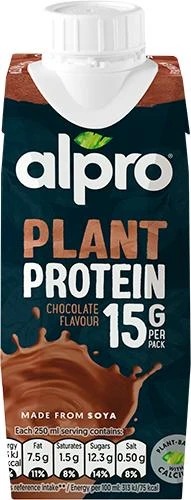
Alpro High Protein
Chocolate
Milk-free soy and pea protein combination, ready to drink in 250 ml.
View on Amazon*Rank 1
A compact milk-protein drink
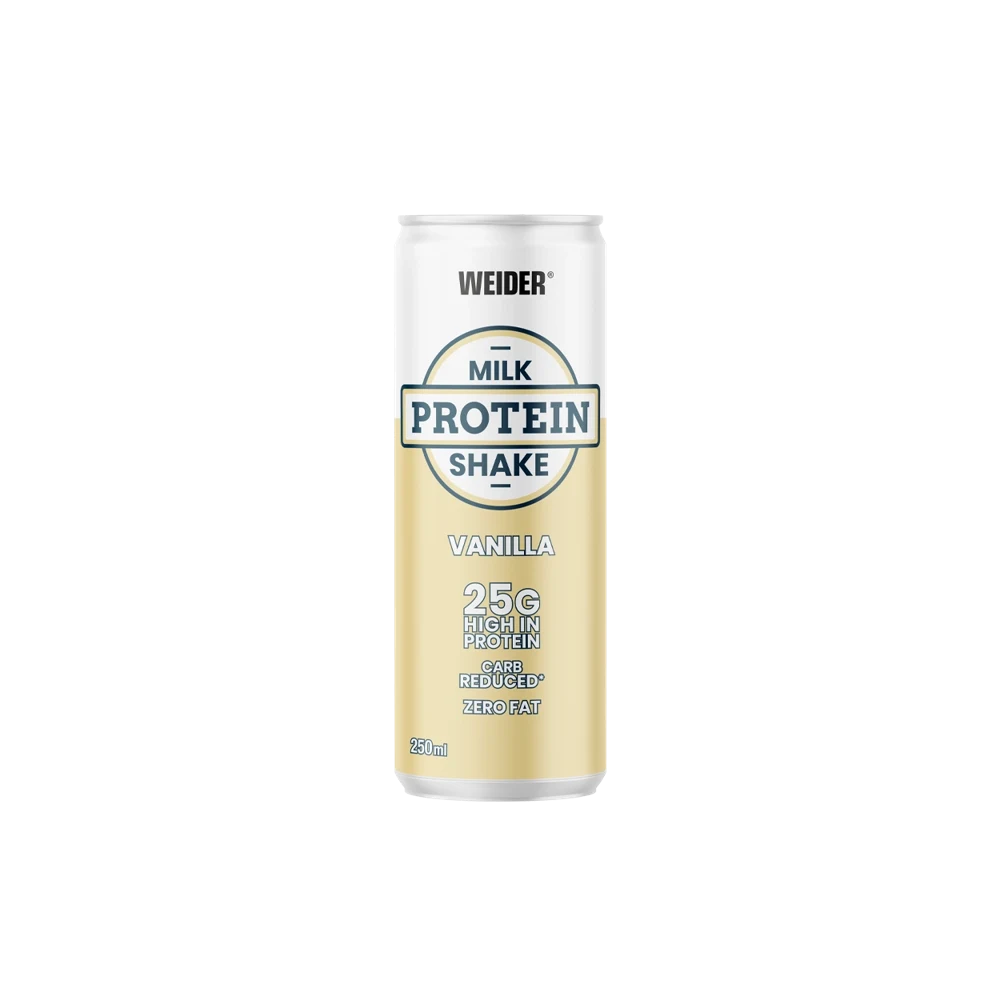
Weider Milk Protein Shake
Vanilla
25 g milk protein in 250 ml; 154 kcal on the pictured manufacturer label.
View on Amazon*Top 10: our selection from number 10 to number 1
All values refer to one whole bottle, can or bar in the stated flavour. They come from manufacturer information; Alpro values were converted from 100 ml to 250 ml. Rounded label figures and recipes may vary. Check flavour, serving size and the current label before buying. Amazon listings may offer different pack sizes.
| Rank | Product | Serving | Protein / kcal | Best suited to Key limitation | Amazon |
|---|---|---|---|---|---|
| 10 | 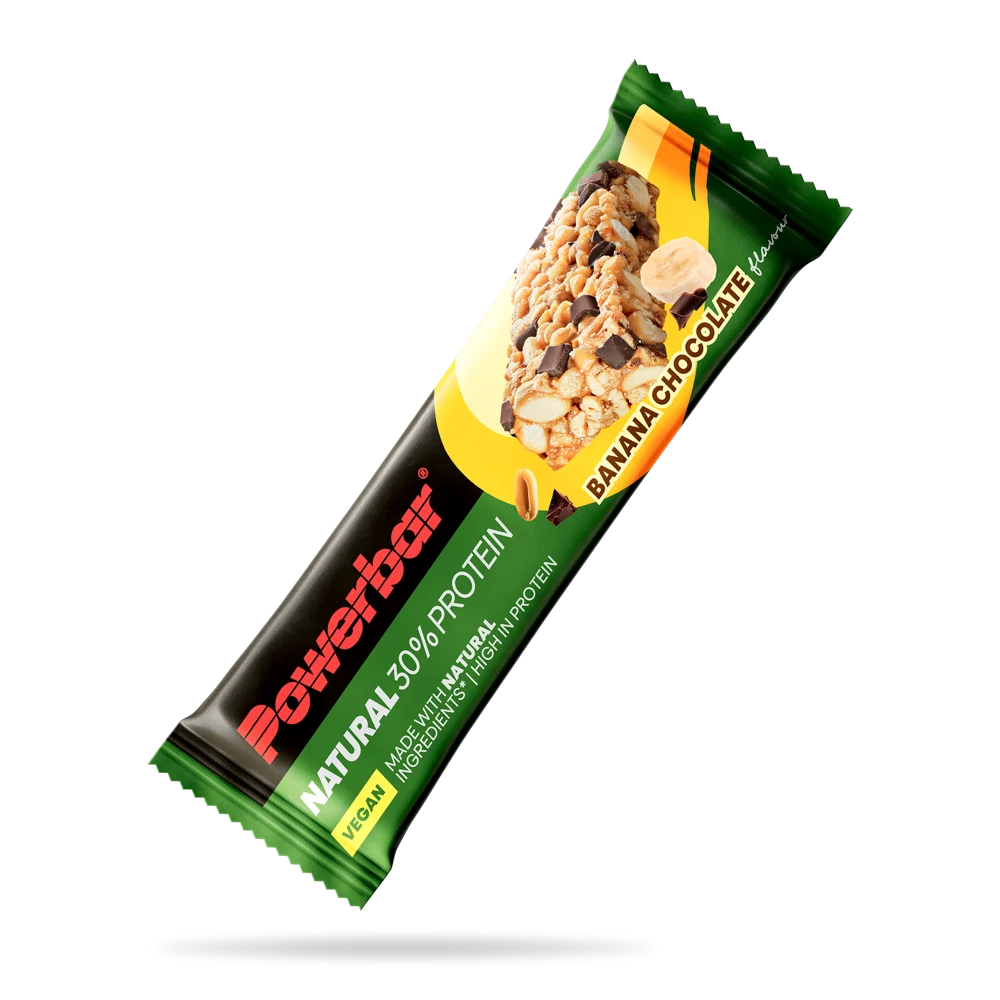 Powerbar Natural ProteinBanana Chocolate | 40 g | 12 g 175 kcal | Plant-based snackMore sugar than low-sugar bars | View on Amazon* |
| 9 | 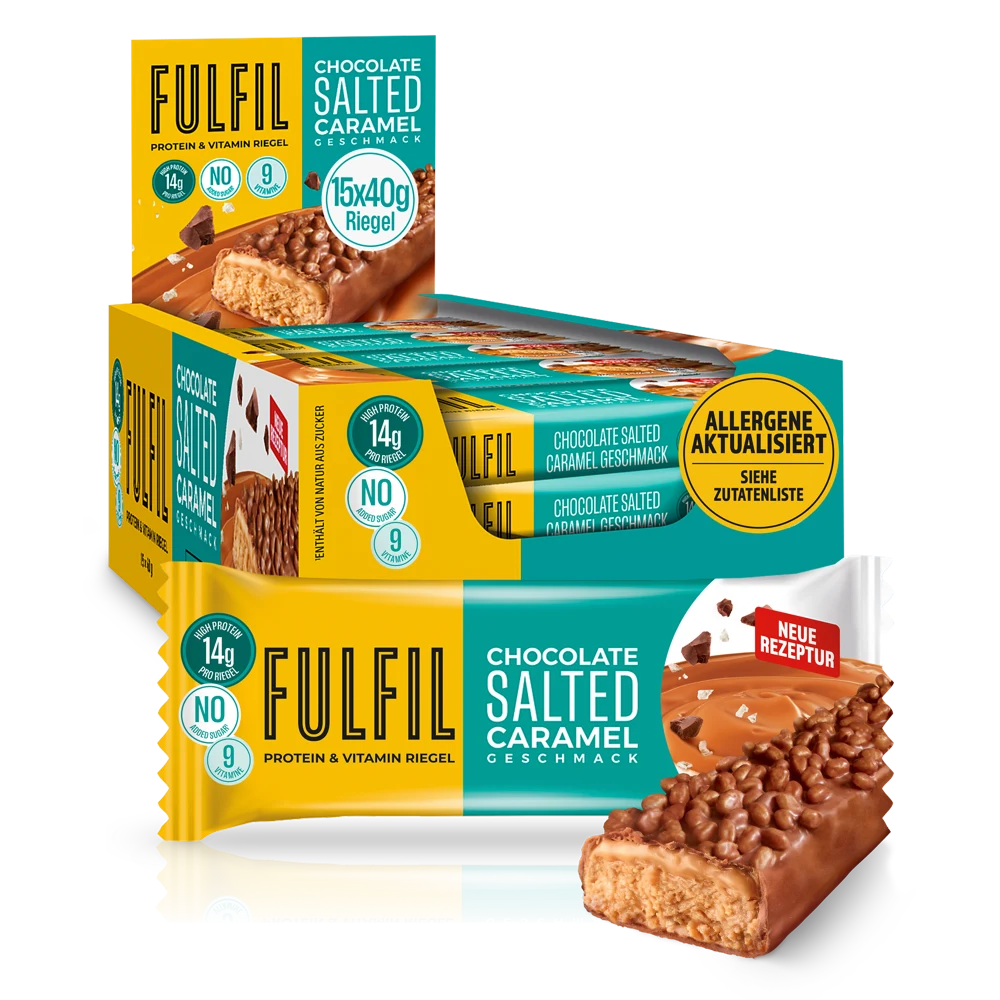 FULFILChocolate Salted Caramel | 40 g | 14 g 140 kcal | Small chocolate snackCollagen and polyols | View on Amazon* |
| 8 | 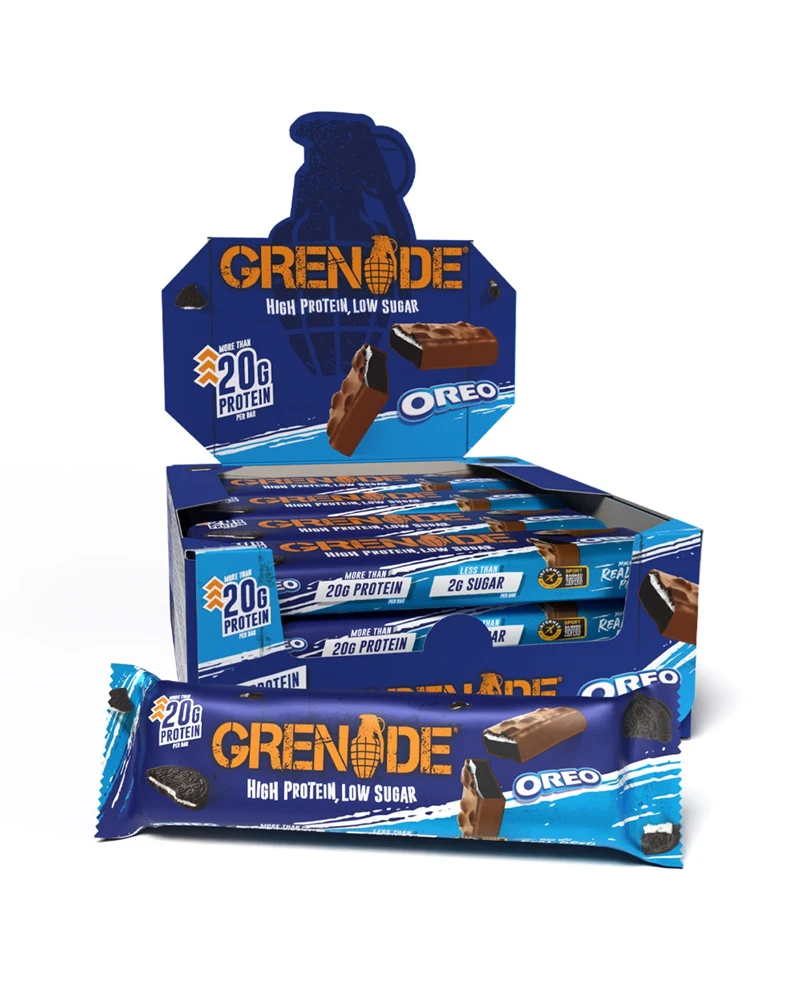 Grenade Protein BarOREO | 60 g | 21 g 233 kcal | Larger dessert bar233 kcal and 17 g polyols | View on Amazon* |
| 7 | 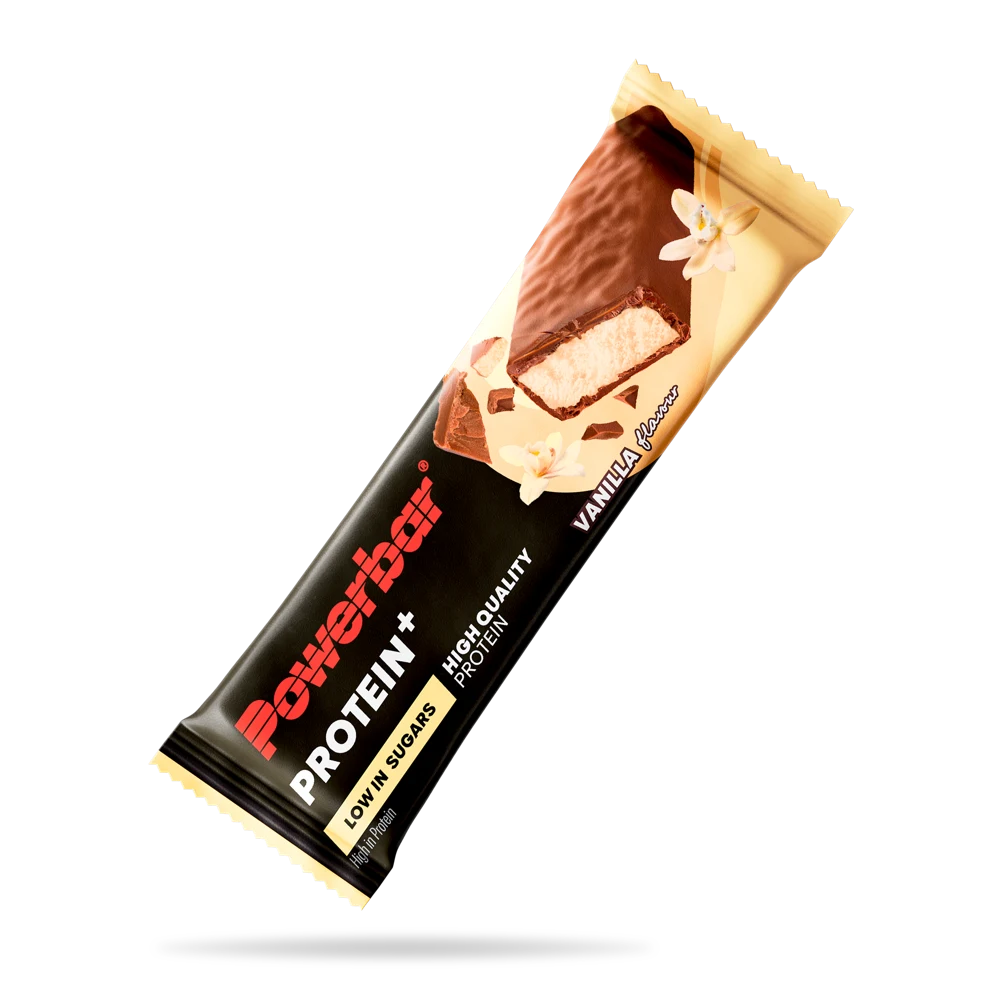 Powerbar Protein+ Low in SugarVanilla | 35 g | 10 g 112 kcal | Small vegetarian servingOnly 10 g protein per bar | View on Amazon* |
| 6 | 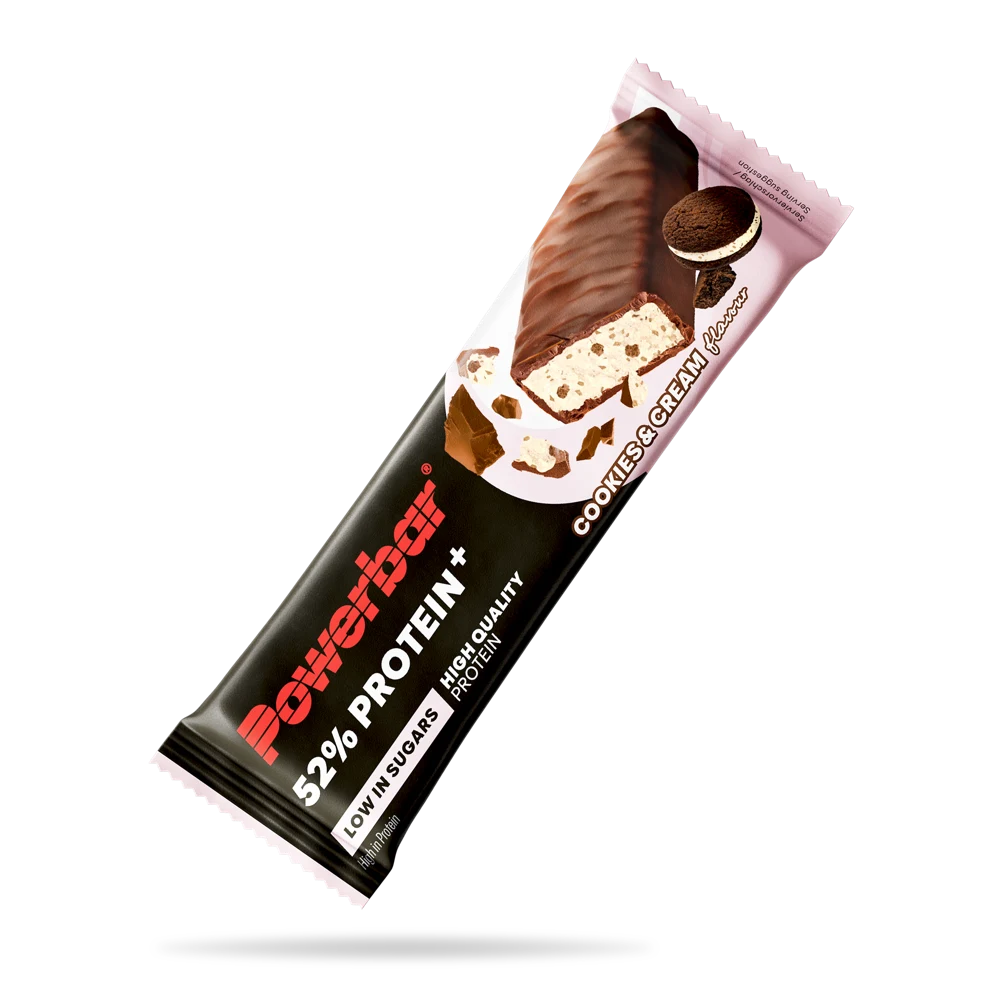 Powerbar 52% Protein+Cookies & Cream | 50 g | 26 g 165 kcal | High labelled proteinSome protein comes from collagen | View on Amazon* |
| 5 | Barebells Protein BarCookies & Cream | 55 g | 20 g 194 kcal | Bar with 20 g proteinMilk, soy and collagen | View on Amazon* |
| 4 | Alpro High ProteinChocolate | 250 ml | 15 g 185 kcal | Plant-based drink15 g protein; added sugar | View on Amazon* |
| 3 | 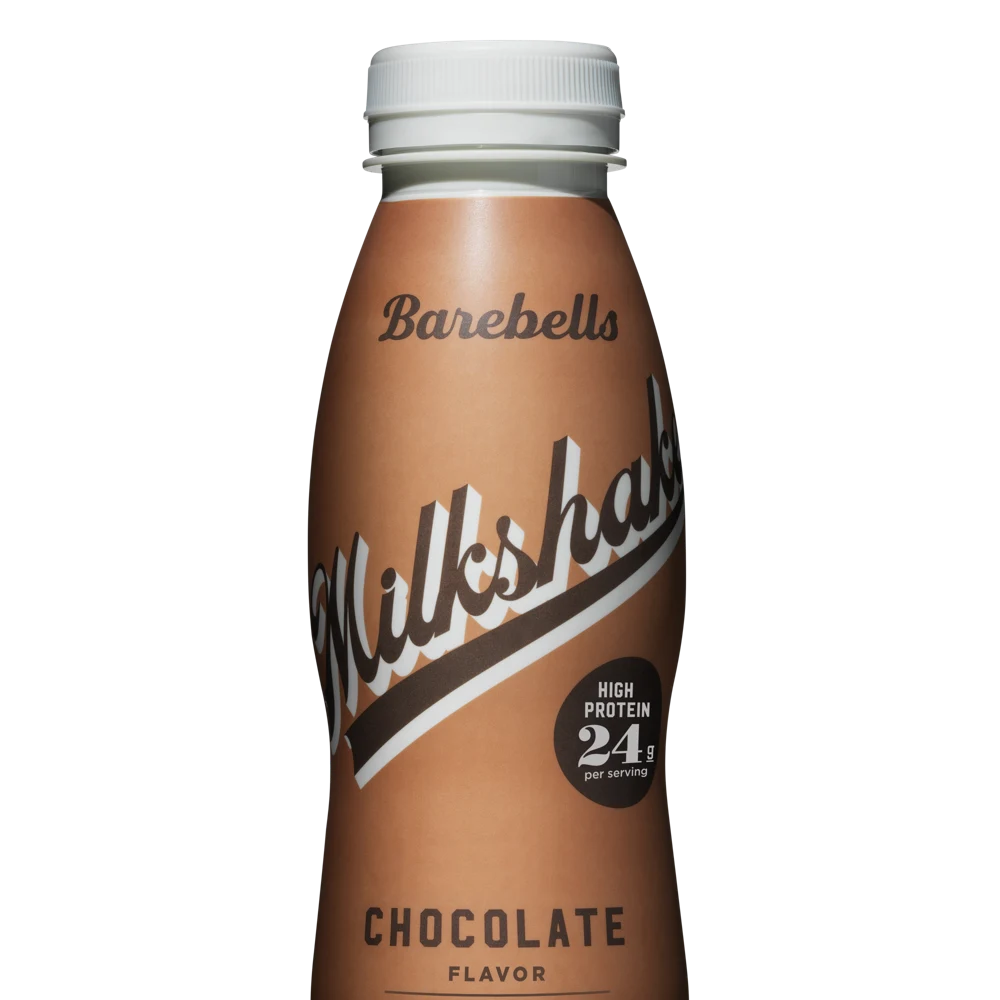 Barebells MilkshakeChocolate | 330 ml | 24 g 188 kcal | Lactose-free milkshakeStill contains milk protein | View on Amazon* |
| 2 |  MaxiNutrition MaxShakeChocolate | 330 ml | 25 g 188 kcal | 25 g in a lactose-free drink330 ml and sweeteners | View on Amazon* |
| 1 | Weider Milk Protein ShakeVanilla | 250 ml | 25 g 154 kcal | Compact milk-protein servingNo verified lactose-free claim | View on Amazon* |
How we select
This is an editorial comparison of manufacturer information, not our own taste, laboratory or hands-on test, and not an Amazon sales ranking. For supplementary protein, the order prioritises protein source, protein relative to energy, convenience and clear serving sizes. Your diet and tolerance may change this order. Number 1 is therefore not a universal winner. This is a targeted selection, not a review of every market product; prices, star ratings and commissions do not determine the ranking.
Shake, bar or meal drink?
A ready-to-drink protein shake already contains liquid: shake, open and drink. Its advantage is the lack of preparation. A bar needs neither a shaker nor refrigeration during a short trip when stored as directed. However, its texture, fat content and sweetening may differ considerably from a drink. Observe which format satisfies you better in real life.
A protein snack is not automatically a complete meal. For comparison, yfood Classic Choco is marketed with 500 kcal per 500 ml and follows a different concept from a drink with around 150–190 kcal. Replacing lunch requires more than a high protein number: suitable energy intake, food variety and other nutrients also matter. 7
For a long shift or a day out, a bar plus fruit can be a more practical stopgap than eating nothing. As a regular main meal, wholegrain bread with a protein source and vegetables, or a prepared meal, offers more variety.
Rank 10 · Plant-based snack
Powerbar Natural Protein — Banana Chocolate
- Protein
- 12 g
- kcal
- 175
- Sugar
- 8.5 g
Serving: 40 g · Protein per 100 kcal: 6.9 g
Advantage: Vegan bar with soy, pea protein and peanuts; 12 g protein in a small serving.
Trade-off: With 8.5 g sugar and 175 kcal, it is not a particularly low-energy protein source.
Who it suits — and who it does not: For a plant-based snack; unsuitable with soy or peanut allergy.
Compared with alternatives: Easier to carry than Alpro, but solid food and less protein per serving.
Linked pack: 18 × 40 g
View on Amazon*How much protein do you actually need?
The German Nutrition Society gives healthy adults under 65 a reference intake of 0.8 g protein per kilogram of body weight daily, and an estimated 1.0 g/kg from age 65. For more than five hours of training a week, sports recommendations range from 1.2–2.0 g/kg according to workload and goals. These are daily totals from all foods, not an extra shake dose. With overweight, calculation should not uncritically use current body weight. 1, 2
Example: 80 kg × 1.2–2.0 gives 96–160 g daily for someone training at the relevant level. The upper end is not an automatic target. If ordinary meals already provide enough, another bar mainly adds energy and cost.
Look at two typical days first. What protein sources appear at breakfast, lunch and dinner? Skyr or quark, pulses, tofu, eggs, fish and other suitable foods can serve the same practical purpose. Buy a supplement for a real gap or for convenience.
Rank 9 · Small chocolate snack
FULFIL — Chocolate Salted Caramel
- Protein
- 14 g
- kcal
- 140
- Sugar
- 1.1 g
Serving: 40 g · Protein per 100 kcal: 10 g
Advantage: 14 g protein in 40 g; a compact alternative when a larger bar feels excessive.
Trade-off: Added vitamins do not make it a complete meal; the blend includes collagen.
Who it suits — and who it does not: For occasional sweet snacking with protein; not vegan or suitable if polyols trigger symptoms.
Compared with alternatives: Smaller than a 55-g Barebells bar, with correspondingly less protein and energy per item.
Linked pack: 15 × 40 g
View on Amazon*“No added sugar” does not mean “sugar-free”
Naturally occurring sugars remain in the nutrition table even when no sugar is added. Milk-based shakes can therefore provide roughly 11–13 g sugar per bottle. Lactase breaks down lactose; it does not remove all sugar from the drink.
In the EU, “high protein” means at least 20% of energy comes from protein, not 20 g per serving. “Low sugar” has different limits for solid and liquid foods. When shopping, the amount in the portion you actually eat or drink is therefore more useful than the large claim on the front. 3
A low-sugar chocolate bar can still contain fat and sugar alcohols. The manufacturer lists 233 kcal for a 60-g Grenade OREO bar. Low sugar does not mean low energy here.
Rank 8 · Larger dessert bar
Grenade Protein Bar — OREO
- Protein
- 21 g
- kcal
- 233
- Sugar
- 1 g
Serving: 60 g · Protein per 100 kcal: 9 g
Advantage: A 60-g bar with 21 g protein according to the manufacturer’s table and OREO cookie pieces.
Trade-off: Relatively energy-dense; milk protein and collagen, plus wheat and soy.
Who it suits — and who it does not: For adults planning a larger sweet snack; the manufacturer says not suitable for children under 14.
Compared with alternatives: More energy than Barebells Cookies & Cream with almost the same protein amount.
Linked pack: 12 × 60 g
View on Amazon*Sweeteners, polyols and a sensitive stomach
Sugar alcohols, also called polyols, such as maltitol or sorbitol, appear in many bars. They are different from intense sweeteners such as sucralose. Larger amounts of polyols can have a laxative effect, and tolerance varies. Added fibre can also cause discomfort for some people. 5
Try a small amount on an ordinary day first. Do not test several new bars immediately before a race. Two or three low-sugar snacks together may provide substantially more polyols than the numbers on a single bar suggest.
Powerbar Low in Sugar Vanilla contains 9.1 g polyols and 4.9 g fibre per 35-g bar according to the manufacturer. Its small size is convenient, but does not guarantee tolerance. If discomfort recurs, trying a different product is more useful than ignoring the ingredients.
Rank 7 · Small vegetarian serving
Powerbar Protein+ Low in Sugar — Vanilla
- Protein
- 10 g
- kcal
- 112
- Sugar
- 1.6 g
Serving: 35 g · Protein per 100 kcal: 8.9 g
Advantage: 35-g format with milk protein; the current recipe is collagen-free according to the manufacturer.
Trade-off: Reaching 20 g protein would require two bars and twice the polyols.
Who it suits — and who it does not: For a small snack; unsuitable for a milk-free diet or strong polyol sensitivity.
Compared with alternatives: Less total protein than Powerbar 52%, but no collagen in the specified recipe.
Linked pack: 16 × 35 g
View on Amazon*Protein quality: milk, soy and collagen differ
Milk protein contains whey and casein. Both supply essential amino acids that must come from food. Soy can also be a useful plant protein source. For bars, check for collagen hydrolysate as well: it counts towards labelled protein but has a different amino acid profile.
That means 26 g total protein from a blend is not automatically equivalent to 26 g milk protein. Research comparing protein sources shows that the muscle protein synthesis response depends on the source and context. It cannot establish an exact muscle-growth advantage for any branded product in this guide. 4
Practical rule: when choosing targeted protein supplementation, check ingredients first. Milk or soy as a substantial source tells you more than simply choosing the biggest number on the wrapper. A collagen-containing bar can still be an occasional snack.
Rank 6 · High labelled protein
Powerbar 52% Protein+ — Cookies & Cream
- Protein
- 26 g
- kcal
- 165
- Sugar
- 0.7 g
Serving: 50 g · Protein per 100 kcal: 15.8 g
Advantage: 26 g protein and 165 kcal: high calculated protein density in a 50-g bar.
Trade-off: The numerical advantage does not prove a better muscle response; 11 g polyols per bar.
Who it suits — and who it does not: For a compact protein serving if the ingredients suit you; not vegan.
Compared with alternatives: More total protein than Barebells, but both contain collagen. A milk drink offers a different protein blend.
Linked pack: 20 × 50 g
View on Amazon*Can protein bars help with weight loss?
A protein snack can fit a weight-loss plan when it usefully replaces another snack and overall energy intake matches the goal. Eating it on top of your usual food does not save calories. This also applies to products with no added sugar.
Compare it with what you would otherwise eat, not only with other bars. A 194-kcal bar instead of a larger snack can be practical; the same bar after an already sufficient meal adds energy. Its value depends on how you actually use it.
“Protein per 100 kcal” helps with comparison but measures neither fullness nor overall diet quality. In this selection, the Weider drink calculates to about 16.2 g and Barebells Cookies & Cream to about 10.3 g. Protein source and allergens still matter.
Rank 5 · Bar with 20 g protein
Barebells Protein Bar — Cookies & Cream
- Protein
- 20 g
- kcal
- 194
- Sugar
- 1.3 g
Serving: 55 g · Protein per 100 kcal: 10.3 g
Advantage: 20 g protein, 194 kcal and 1.3 g sugar; a convenient portable portion.
Trade-off: No added sugar does not mean low-calorie; maltitol can limit tolerance.
Who it suits — and who it does not: For a portable snack; unsuitable for a vegan diet or milk-protein allergy.
Compared with alternatives: More protein per item than FULFIL 40 g, but a larger and more energetic serving.
Linked pack: 12 × 55 g
View on Amazon*Distinguishing vegan, lactose-free and milk-free
Lactose-free does not mean free of milk protein. Barebells and MaxShake are milk products containing lactase; that label does not solve milk-protein allergy. Avoiding animal products requires a genuinely plant-based recipe.
Alpro High Protein Chocolate uses soy and pea protein. A 250-ml serving provides 15 g protein, but also contains added sugar. Plant-based therefore does not automatically mean less sugar or more protein per calorie.
With allergies, always consult the ingredients and precautionary labelling on the actual pack. Soy, peanuts, nuts, milk and cereals containing gluten are common in this category. A vegan label does not establish allergen-free manufacturing.
Rank 4 · Plant-based drink
Alpro High Protein — Chocolate
- Protein
- 15 g
- kcal
- 185
- Sugar
- 12.3 g
Serving: 250 ml · Protein per 100 kcal: 8.1 g
Advantage: Milk-free soy and pea protein combination, ready to drink in 250 ml.
Trade-off: About 12.3 g sugar and 185 kcal; less protein per calorie than the milk drinks.
Who it suits — and who it does not: For a vegan diet; unsuitable with soy allergy.
Compared with alternatives: Fits a different diet from Weider or Barebells; ranking does not replace personal suitability.
Linked pack: 15 × 250 ml
View on Amazon*When do ready-made shakes fit around training?
A convenient protein serving is particularly useful when your next suitable meal is still far away. Ordinary recreational sessions do not create a need to buy products because of an alleged window lasting only minutes. Adequate daily intake and regular meals come first. 2
After prolonged or very intense endurance exercise, you also need fluid and often carbohydrate. A low-sugar protein bar does not automatically cover these needs. Plan water, an ordinary meal and, where appropriate, a suitable carbohydrate source.
If you prefer drinking after exercise, a ready-made milkshake is convenient. If you prefer chewing or carrying less weight, choose a bar. Format alone does not make recovery better.
Rank 3 · Lactose-free milkshake
Barebells Milkshake — Chocolate
- Protein
- 24 g
- kcal
- 188
- Sugar
- 12 g
Serving: 330 ml · Protein per 100 kcal: 12.8 g
Advantage: 24 g protein in 330 ml; no preparation and lactose-free according to the manufacturer.
Trade-off: 188 kcal and about 12 g sugar; contains sweeteners and is not milk-free.
Who it suits — and who it does not: For people who tolerate milk protein and want a lactose-free drink; not for milk allergy.
Compared with alternatives: One gram less protein than MaxShake at the same energy. Usually not a meaningful practical difference.
Linked pack: 8 × 330 ml
View on Amazon*Shelf-stable unopened does not mean shelf-stable opened
Follow the storage instructions. Some drinks keep unopened at room temperature; this does not make them suitable for a hot car or an entire hot day in a gym bag. Once opened, follow the manufacturer’s refrigeration and consumption directions.
Barebells recommends finishing its opened milkshake ideally within 24 hours. Shake before use. A can is usually harder to reseal than a bottle, so a small serving you finish immediately may be more practical. 6
Keep bars dry and protected from heat. Melted chocolate is initially a convenience issue; damaged packaging, unusual odour or a markedly changed texture are reasons not to eat the product.
Rank 2 · 25 g in a lactose-free drink
MaxiNutrition MaxShake — Chocolate
- Protein
- 25 g
- kcal
- 188
- Sugar
- 11.2 g
Serving: 330 ml · Protein per 100 kcal: 13.3 g
Advantage: 25 g protein and 188 kcal; lactose-free chocolate drink without added sugar.
Trade-off: Milk remains the main food ingredient; more liquid than the Weider serving.
Who it suits — and who it does not: For convenient lactose-free protein; neither vegan nor suitable for milk-protein allergy.
Compared with alternatives: Very similar to Barebells; taste preference, tolerance and actual price matter more in practice.
Linked pack: 12 × 330 ml
View on Amazon*Compare the price of protein, not just the pack
Divide the total amount actually paid by the number of bottles or bars first. The cost per 20 g protein is: serving price × 20 ÷ grams of protein in the serving. Include shipping and separate refundable deposits from the actual consumption cost.
Illustrative prices: a €2.50 drink with 25 g protein costs €2.00 per 20 g protein. A €1.50 bar with 10 g protein costs €3.00 per 20 g. The cheaper individual item is not necessarily the cheaper protein source. These are not current offer prices.
This calculation is guidance, not a reason to eat several bars. Protein source, portion, energy, tolerance and actual need come first. Try individual servings before ordering a large box.
Rank 1 · Compact milk-protein serving
Weider Milk Protein Shake — Vanilla
- Protein
- 25 g
- kcal
- 154
- Sugar
- 12 g
Serving: 250 ml · Protein per 100 kcal: 16.2 g
Advantage: 25 g milk protein in 250 ml; 154 kcal on the pictured manufacturer label.
Trade-off: Not labelled lactose-free, contains sweeteners, and the can cannot be resealed.
Who it suits — and who it does not: For adults who tolerate dairy and want a compact addition; not for milk allergy.
Compared with alternatives: Less energy and volume than the two 330-ml drinks. Number 1 applies to this selection goal, not a vegan or lactose-free diet.
Linked pack: 12 × 250 ml
View on Amazon*Which choice fits your routine?
| Milk protein, small drink | Weider Vanilla 250 ml, if you tolerate milk and lactose. |
|---|---|
| Lactose-free milk drink | MaxShake or Barebells; avoid both with milk allergy. |
| Plant-based drink | Alpro 250 ml; consider sugar and soy. |
| Plant-based bar | Powerbar Natural Banana Chocolate; check peanuts and soy. |
| Small vegetarian bar | Powerbar Low in Sugar Vanilla; allow for 10 g protein and polyols. |
| Sweet snack with more protein | Barebells Cookies & Cream; consider calories and collagen. |
With kidney disease or a medically prescribed protein restriction, daily intake should be individually agreed. Children do not need protein snacks instead of ordinary snacks. During pregnancy, breastfeeding or with special dietary requirements, check the actual ingredients and seek professional advice if uncertain.
Choose the right diet and portion first, then the protein source, and finally flavour and price. The useful everyday product is the one that conveniently fills a specific gap and agrees with you. A larger protein number on the front is not enough reason to buy.
Frequently asked questions
Can I eat a protein bar every day?
Yes, if it fits your needs, other foods and tolerance. There is no daily requirement. Consider energy and polyols, and keep varied meals in your diet.
Are ready-made shakes better than protein powder?
Their advantage is convenience. Powder may cost less per protein serving and offers flexible portioning. Better muscle growth purely from ready-to-drink packaging has not been established.
Is a sugar-free bar automatically healthy?
No. Energy, fat, protein source, polyols and overall eating patterns remain relevant. Sugar-free describes only one aspect of a product.
Why compare drinks and bars in one list?
Both address quick protein supplementation. The list specifies format and serving values; your dietary requirements matter more than rank.
Can a lactose-free shake help with milk allergy?
No. Lactose is milk sugar; milk allergy concerns proteins. Lactose-free milk drinks still contain those proteins.
Do I need a shake and a bar after the same workout?
A suitable meal or one supplement is usually sufficient. What matters is your actual daily gap; multiple products are not automatically better.
Sources and product information
- DGE: Protein – FAQ
- DGE: Proteinzufuhr im Sport
- European Commission: Nutrition claims
- McKendry et al. (2024): whey, pea and collagen – randomized trial
- European Commission: Sugars and sweeteners
- Barebells: European nutrition tables
- yfood Classic Choco: 500 ml meal drink
- Powerbar Natural Protein — Banana Chocolate
- FULFIL — Chocolate Salted Caramel
- Grenade Protein Bar — OREO
- Powerbar Protein+ Low in Sugar — Vanilla
- Powerbar 52% Protein+ — Cookies & Cream
- Barebells Protein Bar — Cookies & Cream
- Alpro High Protein — Chocolate
- Barebells Milkshake — Chocolate
- MaxiNutrition MaxShake — Chocolate
- Weider Milk Protein Shake — Vanilla