
This guide is for adults who want to understand symptoms and marketing claims more clearly and make an informed choice about a supplement. You will learn what research shows about antibiotics and irritable bowel syndrome, how to read a label and when medical assessment should come first. The product selection compares composition and how clearly the ingredients can be identified; it is not an individual treatment recommendation.
Before you buy: Persistent or unexplained symptoms should be assessed. There is no general professional recommendation for healthy people to take probiotics routinely. Food supplements replace neither a diagnosis nor prescribed treatment.[1][11]
Key terms: CFU means colony-forming units and measures microorganisms capable of growing under test conditions. FOS are fructooligosaccharides, a type of fermentable fibre. A best-before guarantee refers to the stated count at the end of the product’s shelf life.[1]
Three different selection priorities
Individually portioned powder
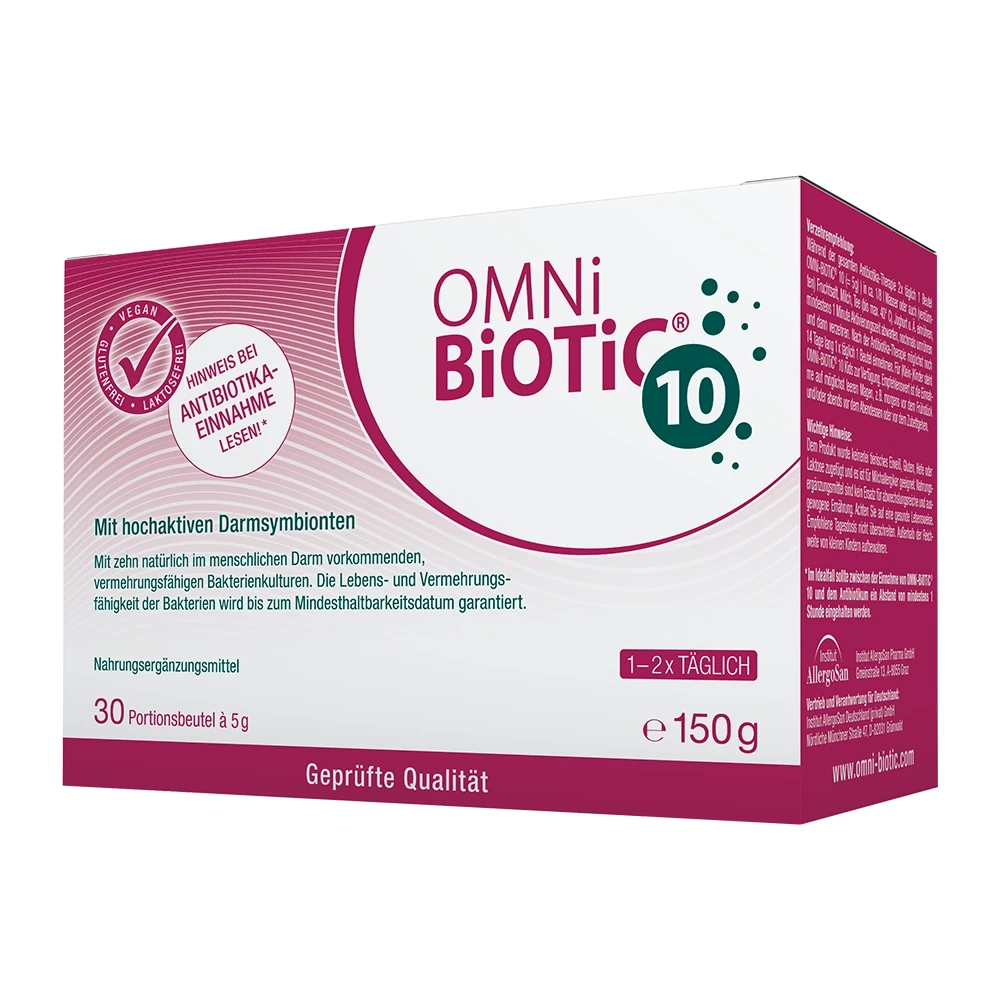
No. 6
OMNi-BiOTiC 10
Ten identified strains in 5 g sachets; assess the formulation and intended use with professional advice.
Multiple strains without inulin/FOS
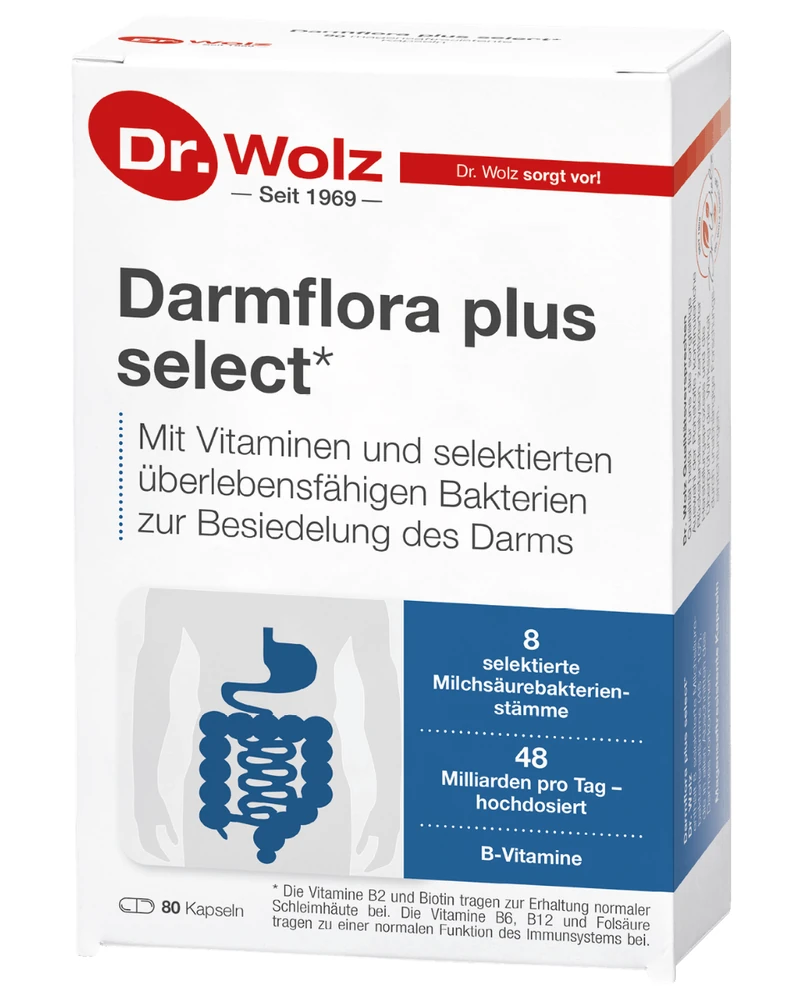
No. 3
Dr. Wolz Darmflora plus select
Eight strain codes and a viable-count guarantee through the best-before date.
A clearly identified single strain
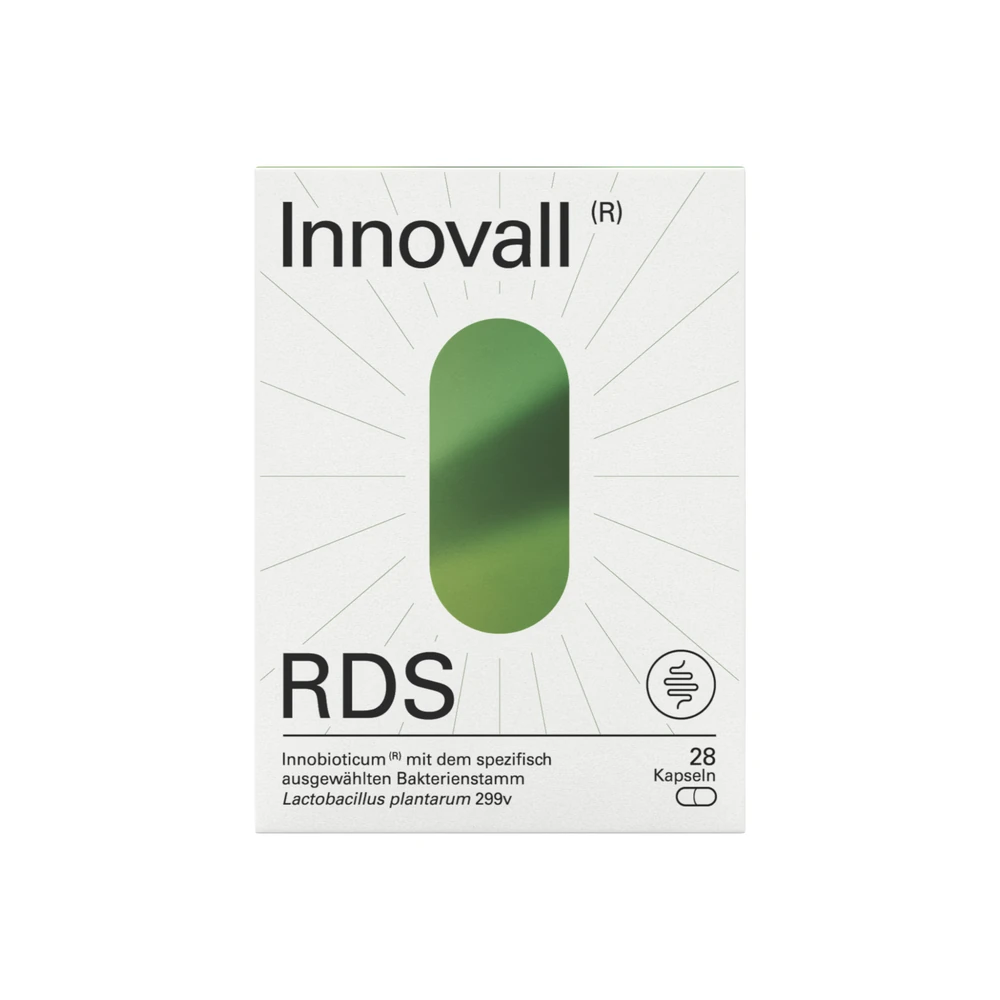
No. 1
Innovall RDS
299v is precisely named; one capsule per manufacturer serving and a shelf-life commitment.
Ten products compared
| No. | Image | Product | Assessment and limitation | Product page |
|---|---|---|---|---|
| 10 | 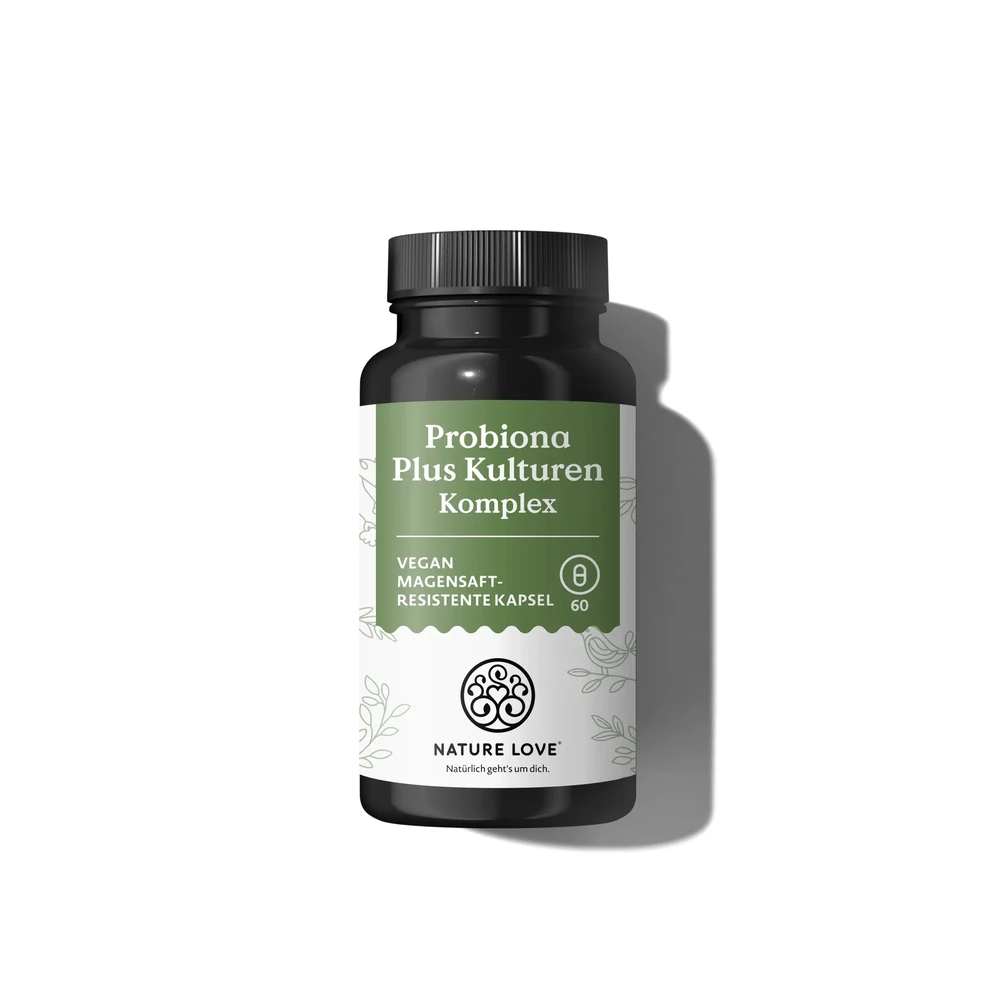 | Nature Love Probiona Plus Kulturen Komplex | The daily amount clearly refers to four capsules.120 billion does not establish a better effect. | View on Amazon.de* |
| 9 | 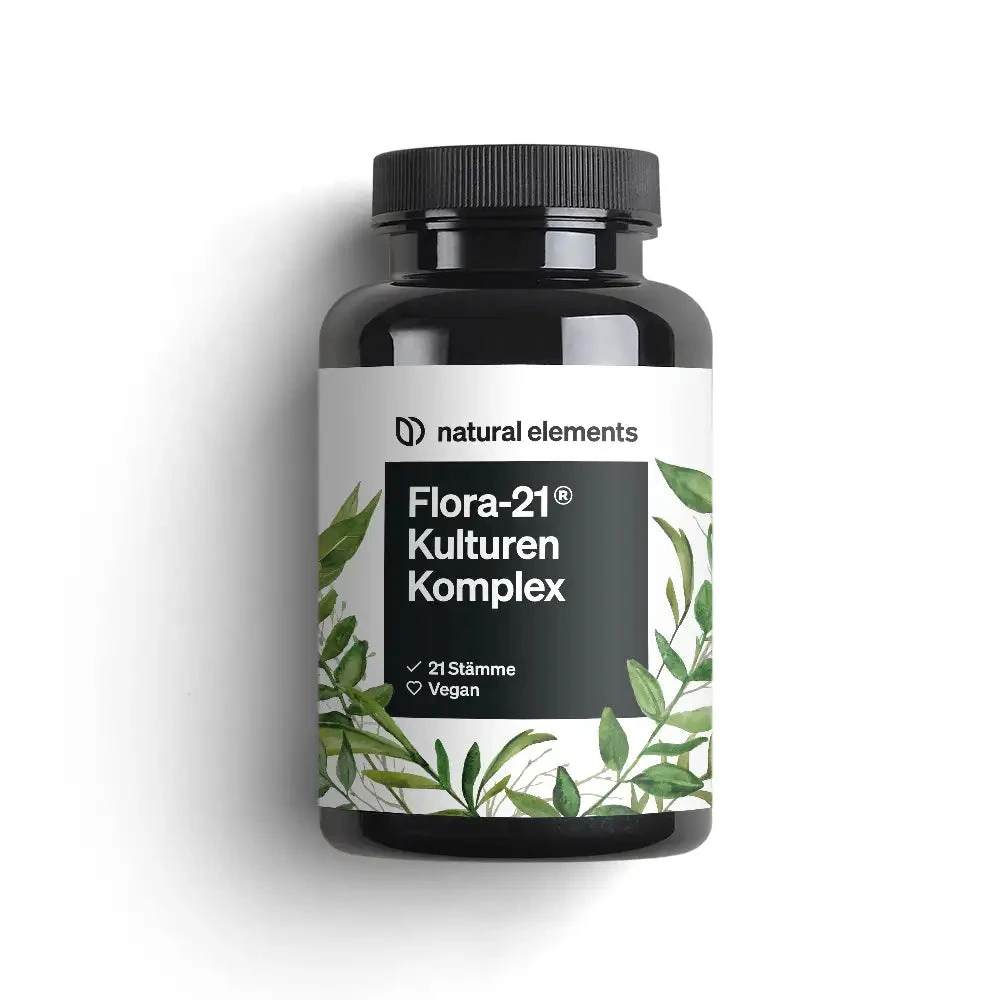 | natural elements Flora-21 Kulturen Komplex | 180 capsules provide 90 manufacturer’s daily servings.Species list without individual strain codes. | View on Amazon.de* |
| 8 | 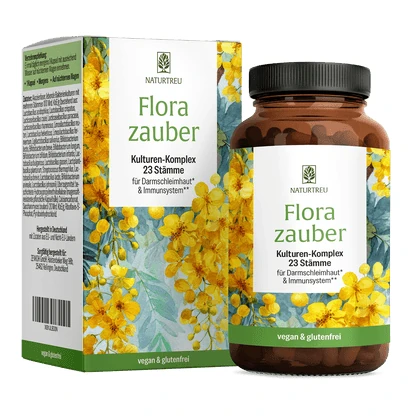 | NATURTREU Florazauber | One capsule combines cultures with acacia fibre.No strain codes; consider the added yeast. | View on Amazon.de* |
| 7 | 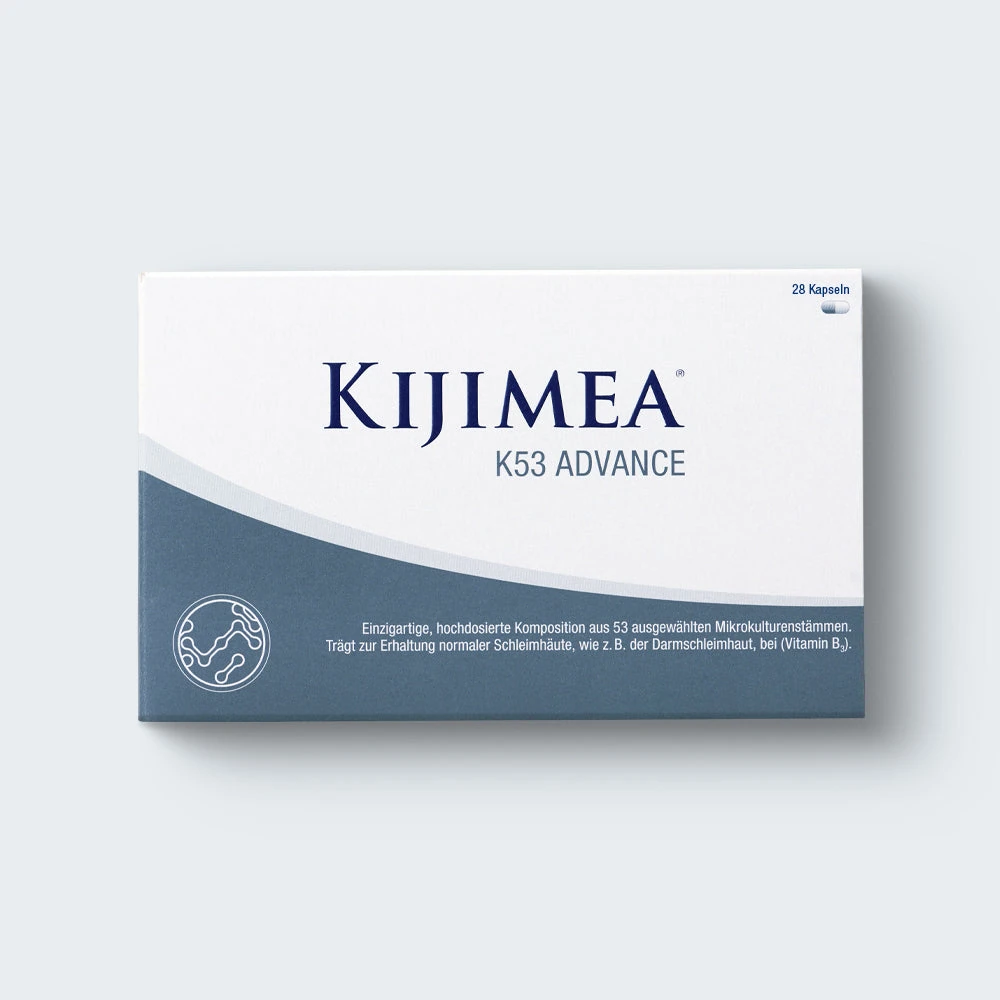 | Kijimea K53 Advance | The leaflet lists 53 specific strain identifiers.Contains milk protein and is not vegan. | View on Amazon.de* |
| 6 | | OMNi-BiOTiC 10 | Ten strain codes and measured 5 g sachets.At two sachets daily, the pack lasts 15 days. | View on Amazon.de* |
| 5 | 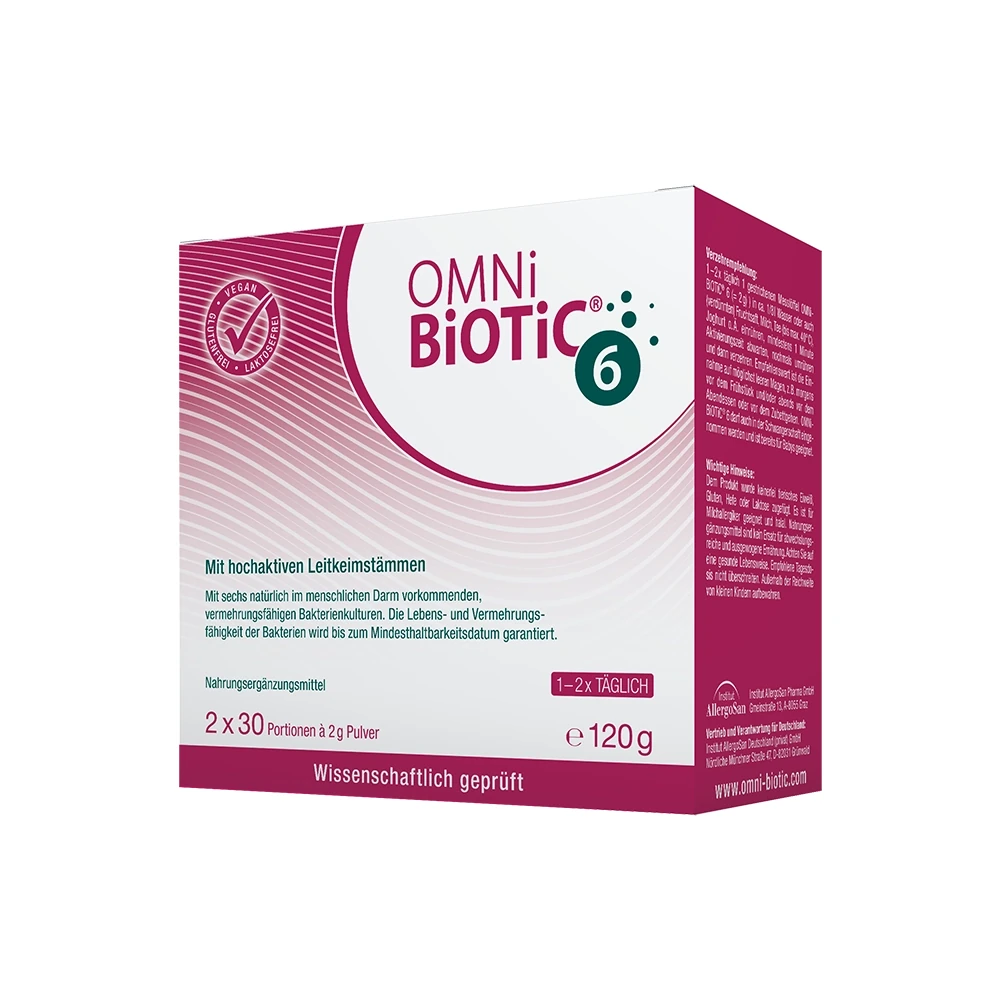 | OMNi-BiOTiC 6 | Six identified strains and a powder you can measure.Note the inulin/FOS and the exact 2 g serving. | View on Amazon.de* |
| 4 | 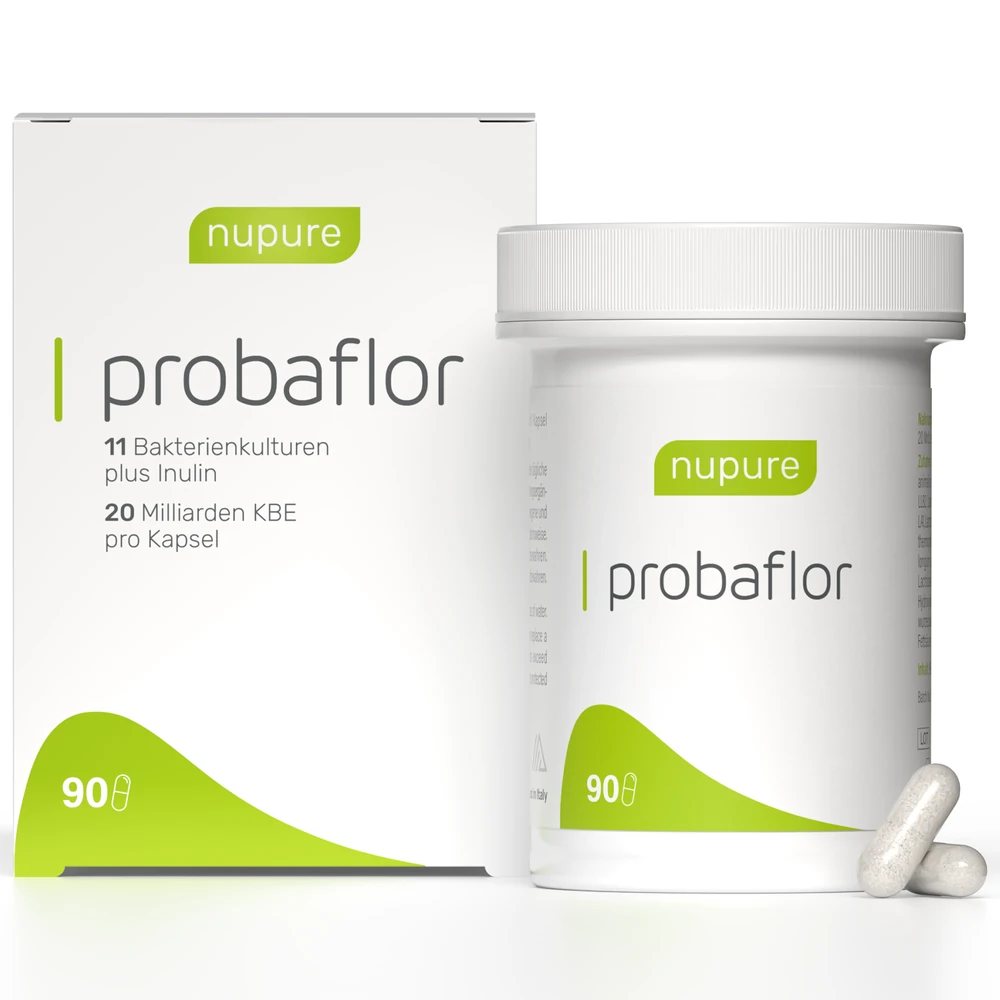 | nupure probaflor | Strain codes and 20 billion guaranteed until best-before.Contains inulin; not for pregnancy or breastfeeding. | View on Amazon.de* |
| 3 | | Dr. Wolz Darmflora plus select | Eight strain codes and a best-before guarantee are stated.The full manufacturer’s serving is four capsules. | View on Amazon.de* |
| 2 | 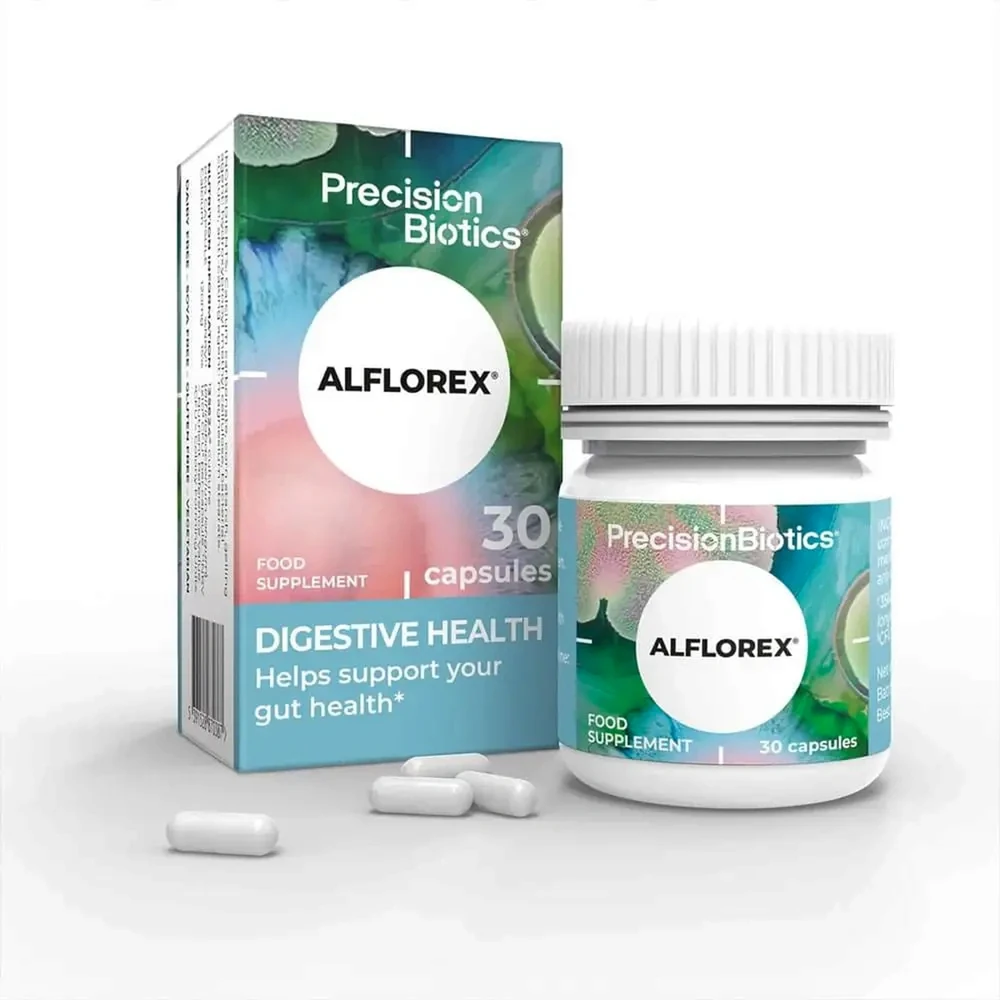 | Alflorex + Calcium | The 35624 strain is clearly identifiable.Calcium’s role does not establish the culture’s effect. | View on Amazon.de* |
| 1 | | Innovall RDS | 299v and the shelf-life commitment are clearly stated.Clear labelling does not guarantee individual benefit. | View on Amazon.de* |
On small screens, scroll the table horizontally.
How we compare the products
How we compare: The order takes into account whether strain identity is clear, how the product relates to research and how understandable its composition is. Ease of use and added ingredients also inform the assessment. The positions do not demonstrate clinical superiority and do not represent our own product test. Products with many cultures therefore do not automatically receive a higher position. Manufacturer information describes the product; the health assessment is based on the separately listed professional sources. Formulas can change: check the current label and exact pack size before buying.
What are probiotics, prebiotics and postbiotics?
A probiotic consists of live microorganisms with a demonstrated health benefit when supplied in an adequate amount. These are usually bacteria, but sometimes yeasts. A pack containing live cultures therefore does not meet the scientific definition simply because its label mentions “gut flora”.[1]
| Term | What does it mean? | What should you look for? |
|---|---|---|
| Probiotic | Live microorganisms with a demonstrated benefit | The strain, dose and application must fit together. |
| Prebiotic | A substrate selectively used by microorganisms, thereby providing a health benefit | Not every type of fibre automatically meets this definition. |
| Synbiotic | An effective combination of live microorganisms and a selectively used substrate | The combination needs a clear rationale. |
| Postbiotic | A preparation of inactivated microorganisms or their components with a demonstrated benefit | Live cultures are not required by this definition. |
Fermentation initially describes a production process. Yoghurt, kefir or fermented vegetables may contain live cultures; that does not by itself demonstrate a benefit for a particular set of symptoms. Heating after fermentation can kill the microorganisms. When comparing products, first establish whether they contain live cultures at all.
A specific example of this distinction: Kijimea Reizdarm PRO and Kijimea K53 Advance are different products. A brand name alone is not enough to make an appropriate choice.[17]
High declared microorganism count
Nature Love Probiona Plus Kulturen Komplex
Probiona Plus stands out for its high declared daily count. That figure refers to four capsules, so the 60-capsule pack lasts 15 days. The manufacturer lists twenty bacterial species but no individual strain codes. For a decision based on specific studies, that missing identification matters more than an impressive billion count.
- Cultures
- 20 species; no individual strain codes on the product page
- Manufacturer’s serving
- 2 capsules twice daily; 120 billion CFU in total
- Formula
- Organic agave inulin and organic rice flour; vegan
- Pack
- 60 capsules = 15 daily servings
Advantages
- Daily amount and capsule count clearly stated
- Vegan formulation
Trade-offs
- Four capsules daily and a short pack duration
- High count without precise strain codes or an explicit quantitative best-before guarantee
Who might consider it
Adults comparing a high-count multi-culture blend and the number of capsules involved.
When it is not a good fit
Pregnant or breastfeeding people and under-18s according to the manufacturer; those avoiding inulin.
How it differs from the alternative
Compared with Flora-21, the declared count is higher, but the full serving requires twice as many capsules; this does not imply a clinical advantage.
Manufacturer informationWhy are strain codes and microorganism counts so important?
A bacterial name has several levels. In Lacticaseibacillus rhamnosus GG, GG identifies the specific strain. Two products with the same bacterial species can contain different strains. Research on one therefore cannot automatically be applied to the other. A mixture is not well studied simply because some of its individual components are familiar.[2]
CFU stands for colony-forming units; on German labels, the equivalent abbreviation is KBE. This figure describes microorganisms capable of reproducing under the relevant measurement conditions. What matters is the amount guaranteed until the best-before date when the product is stored correctly. A count at the time of manufacture is not the same thing.[1]
A comparison based only on “billions per euro” answers the wrong question. With a medicine, you would also start by asking about the appropriate active ingredient and use. With cultures, the strain and formulation matter too. A small, specifically studied selection can be easier to evaluate for a particular question than a large mixture without clear strain identifiers.
An older trial with strain 35624 also showed that different doses of the same culture produced different results. This does not establish a universally optimal dose, but it illustrates that the highest number is not a reliable winner.[14]
Large pack with inulin
natural elements Flora-21 Kulturen Komplex
Flora-21 offers a large vegan capsule pack with inulin. The current manufacturer’s figure is 10 billion CFU per two capsules, rather than per capsule. The number 21 describes the listed cultures but does not replace precise strain identifiers. This is a significant limitation when comparing research with the actual blend.
- Cultures
- 21 species/subspecies; no individual strain codes on the product page
- Manufacturer’s serving
- 2 capsules daily; 10 billion CFU in total
- Formula
- Organic inulin; vegan, gluten- and lactose-free
- Pack
- 180 capsules = 90 daily servings
Advantages
- Large supply with a clear serving size
- Vegan capsule shell
Trade-offs
- Insufficient strain identification for precise study matching
- Inulin may influence individual tolerance
Who might consider it
Adults comparing a vegan multi-culture capsule in a large pack.
When it is not a good fit
People seeking a precisely identified research strain or an inulin-free formulation.
How it differs from the alternative
Like Probiona Plus, Flora-21 lists many species without strain codes; its daily capsule count is two rather than four.
Manufacturer informationHow do cultures work in the gut, and do they stay permanently?
Live microorganisms can interact with other gut microbes, metabolic products and the intestinal lining. Which processes actually matter clinically depends on the strain and the situation. A plausible laboratory mechanism does not yet prove that a specific product relieves symptoms in people.[1][2]
The idea that a few capsules permanently repopulate the gut and establish a fixed “ideal state” goes beyond established knowledge. In some people, the cultures taken are detected only temporarily. An effect can occur without permanent colonisation; conversely, detecting a microorganism in stool does not by itself prove a health benefit.[1]
A specific question is therefore more useful for your decision than “Is my microbiome optimal?” For example: has a symptom defined in advance improved within a reasonable period? You can assess that question in everyday life. A marketing statement such as “balances your gut flora” remains unclear without a definition, a measurable outcome and an appropriate study.
Nor can the effects of medical microbiota therapy be inferred from an ordinary capsule supplement. Such treatments for selected conditions follow their own procedures and medical indications.[7]
Bacteria and yeast without inulin
NATURTREU Florazauber
Florazauber combines bacteria with the yeast Saccharomyces boulardii and contains no added inulin. The advertised 100 billion CFU per gram is not the daily amount: the single capsule is the relevant serving. Missing strain codes make comparison with research harder. Findings for another precisely identified S. boulardii strain cannot automatically be applied to this mixture.
- Cultures
- Bacteria plus S. boulardii; 23 cultures according to the manufacturer, without strain codes
- Manufacturer’s serving
- 1 capsule daily: 10 billion bacterial CFU + 0.5 billion yeast CFU
- Added ingredient
- 120 mg acacia fibre; no inulin; vegan
- Pack
- 60 capsules = 60 manufacturer’s daily servings
Advantages
- No added inulin
- One capsule daily according to the label
Trade-offs
- Cultures cannot be precisely matched to research strains
- Added yeast and manufacturer exclusions need attention
Who might consider it
Adults considering an inulin-free blend and discussing the additional yeast with a professional.
When it is not a good fit
Under-18s, pregnancy, breastfeeding or histamine intolerance according to the manufacturer; no self-selection with immunosuppression or a central venous catheter.
How it differs from the alternative
Compared with nupure, Florazauber uses acacia fibre instead of inulin and adds yeast, but does not provide strain codes.
Manufacturer informationDo healthy people need a probiotic every day?
If you have no symptoms, the available recommendations do not imply that you generally need to take a probiotic every day. That does not mean every culture is useless. It means that “preventively for everyone” is a broader claim than a benefit shown in a specific study.[1]
Start with your actual daily life: which foods do you tolerate, how varied is your diet, and is there a specific problem at all? A capsule cannot reproduce the role of a varied diet. Exercising or having a busy working life does not, by itself, justify a particular culture or duration of use either.
Yoghurt or kefir can be foods within a suitable diet. You do not have to regard them as treatment. If you do not tolerate or enjoy them, you should not feel compelled to consume them. Other ingredients in foods and supplements matter too: sugar, milk components, sweeteners and added fibre can influence your choice.
Promises of guaranteed weight loss, “detoxification” or general performance improvements are not a sound basis for buying. Instead, ask: was this exact goal studied with this exact formulation, and was the difference meaningful in everyday life? A general product rating or an impressive microorganism count does not answer that question.
Broad blend with strain codes
Kijimea K53 Advance
Kijimea K53 Advance contains live cultures and differs from the same brand’s inactivated Reizdarm PRO product. Its many identified strains make it a broad blend, without establishing superiority. A particularly important distinction is that lactose-free does not mean milk-protein-free. Anyone with allergies needs to consider the full ingredients list.
- Cultures
- 53 strain identifiers in the manufacturer’s leaflet
- Manufacturer’s serving
- 1–2 capsules daily; 20–40 billion CFU
- Allergen
- Contains milk and milk protein; not vegan
- Pack
- 28 capsules; 14–28 days depending on the daily serving
Advantages
- Strain identifiers rather than species names alone
- Compact capsule serving
Trade-offs
- Milk protein despite being lactose-free
- Many strains do not establish greater effectiveness
Who might consider it
Adults comparing a broad blend described with strain codes.
When it is not a good fit
People with milk-protein allergy or those requiring a vegan preparation.
How it differs from the alternative
Unlike Flora-21, numerous strain codes are listed, but K53 is not a vegan or milk-protein-free alternative.
Manufacturer informationWhat applies during and after antibiotic treatment?
Certain probiotics may reduce the risk of antibiotic-associated diarrhoea. A meta-analysis of 42 studies involving 11,305 adults found an average benefit; results and baseline risks varied. This does not provide a guarantee for every product or automatically establish a recommendation for every antibiotic prescription.[5]
Distinguishing this from Clostridioides difficile is essential. The 2025 Cochrane review found a small absolute benefit with low-certainty evidence. By contrast, the AGA's 2026 expert update advises against using probiotics to prevent a first or recurrent C. difficile infection. The research finding and the professional society's practical recommendation therefore differ here.[6][7]
For everyday decisions, this means discussing with your doctor or pharmacist whether a specific formulation makes sense if your risk is elevated. The antibiotic treatment, existing conditions and chosen product all matter. “After antibiotics” is not a diagnosis in its own right, and a general “gut restoration” course has no uniformly defined standard programme.
If significant, persistent diarrhoea develops during or after antibiotics, the cause should be medically assessed. A probiotic does not replace that assessment. Do not independently change or stop a prescribed antibiotic to accommodate a capsule routine.
Pre-measured powder sachets
OMNi-BiOTiC 10
OMNi-BiOTiC 10 provides an identified ten-strain blend in individual sachets. The manufacturer describes different phases of use around antibiotics; these instructions are not a blanket recommendation for every treatment. The measured portions are convenient. Added inulin, FOS and the preparation process still matter when choosing between products.
- Cultures
- 10 identified strains, including W55, W37, W1 and W51
- Manufacturer’s serving
- 1–2 sachets of 5 g daily depending on use; 5–10 billion CFU
- Preparation
- About 125 ml liquid up to 40 °C; at least 1 minute activation according to the manufacturer
- Shelf life and pack
- Viability guaranteed until best-before date; 30 sachets of 5 g
Advantages
- Measured sachets simplify portioning
- Strain codes and shelf-life commitment available
Trade-offs
- Requires mixing and a waiting period
- Inulin/FOS can affect individual tolerance
Who might consider it
Adults preferring measured powder after discussing whether the preparation is appropriate.
When it is not a good fit
People expecting reliable C. difficile prevention or wanting to avoid added inulin/FOS.
How it differs from the alternative
Unlike OMNi-BiOTiC 6, there is no need to measure powder from a jar; the blend and serving size nevertheless differ.
Manufacturer informationHow well do probiotics help with IBS?
Individual formulations may provide a benefit in irritable bowel syndrome, but professional societies assess the evidence differently. The German DGVS/DGNM guideline from 2021 supports selected probiotics and choosing according to symptoms. The American ACG guideline from 2021 advises against their general use for global IBS symptoms because the evidence is very uncertain.[8][9]
The disagreement becomes easier to understand when you consider the research question: abdominal pain, bloating, stool frequency and the overall symptom picture are different outcomes. Studies also differ in participants, mixtures, doses and duration. A positive result for one symptom does not establish an equally large effect on all the others.
A sensible choice, agreed with a clinician, therefore begins with the diagnosed problem and a clear goal. “Less bloating in the evening” is easier to evaluate than “a better gut”. When looking at a study, also consider whether the population studied resembles your situation; a trial involving only adults cannot automatically be applied to a child.
A product should not become an “IBS winner” simply because its name sounds suitable. The product profiles therefore identify clearly documented strains and limitations. A higher position does not replace an individual treatment decision.
Powder in jars
OMNi-BiOTiC 6
OMNi-BiOTiC 6 is a powder option with six named strains. This comparison covers two 60 g jars. One manufacturer’s serving is 2 g, so figures from other sachet versions do not automatically apply. Mixing a drink may suit people avoiding capsules, but requires accurate measurement of each portion.
- Cultures
- 6 strains: W53, W55, W57, W54, W58, W56
- Manufacturer’s serving
- 1–2 servings of 2 g daily; 2–4 billion microorganisms in total
- Formula
- Contains inulin, FOS and polydextrose; no animal protein, gluten, yeast or lactose
- Pack
- 2 × 60 g = 60 servings of 2 g
Advantages
- Culture codes are specified
- Powder provides an alternative to swallowing capsules
Trade-offs
- Requires measurement and mixing
- Powder form does not automatically improve tolerance
Who might consider it
Adults preferring powder to capsules who can measure the serving reliably.
When it is not a good fit
People avoiding inulin/FOS or wanting no measuring and mixing step.
How it differs from the alternative
Unlike OMNi-BiOTiC 10, this version comes in jars rather than measured sachets and uses a different blend.
Manufacturer informationHow can you assess a limited trial of use?
When use is reasonable and has been agreed, decide before starting how you would recognise a benefit. A simple record is enough: the date, specific symptom, severity, stool changes, and new medicines or major dietary changes. It does not have to become a large daily project.
- Choose one goal: for example, less troublesome bloating rather than assessing sleep, weight and energy at the same time.
- Record your starting point: a few typical days reveal how much your symptoms already fluctuate.
- Make a change traceable: starting several new supplements at once makes it harder to identify what had an effect.
- Agree on a review: the duration depends on the reason for use, the product and medical assessment.
- Act on the result: no automatic ongoing subscription without a convincing benefit.
The British BSG guideline describes a trial of up to twelve weeks for IBS, with discontinuation if symptoms do not improve; the recommendation is weak and the evidence very uncertain. This is not a reason to persevere for twelve weeks if symptoms worsen.[10]
An improvement over time does not, by itself, establish a cause. Symptoms fluctuate, expectations play a part and other habits may change. The record is meant to make the decision clearer. If new warning signs appear, stop experimenting and seek medical assessment.
Eleven cultures in one capsule
nupure probaflor
nupure probaflor combines eleven identified strains in one daily capsule. Its explicit count guarantee until the best-before date helps comparison. The 90-capsule pack is substantial. Its 30 mg of inulin is a small added amount and does not replace a fibre-rich diet; the blend still needs assessment for the intended purpose.
- Cultures
- 11 strain codes, including BLC1, LA1, SP54 and SP1
- Manufacturer’s serving
- 1 capsule daily; 20 billion CFU
- Added ingredient
- 30 mg inulin per capsule; vegan, gluten- and lactose-free
- Shelf life and supply
- 20 billion guaranteed until best-before date; 90 capsules = 90 daily servings
Advantages
- Specific strain identifiers and best-before guarantee
- One capsule for the manufacturer’s daily serving
Trade-offs
- Inulin can matter for individual tolerance
- Large pack before individual benefit is established
Who might consider it
Adults aged 18 and over seeking a daily multi-strain capsule with a clear shelf-life statement.
When it is not a good fit
Pregnant or breastfeeding people according to the manufacturer; those avoiding added inulin.
How it differs from the alternative
Compared with Dr. Wolz, its one-capsule routine is simpler, but probaflor contains inulin.
Manufacturer informationWho should be particularly cautious?
Healthy adults often tolerate many preparations well; bloating is one possible side effect. However, “natural” does not mean risk-free. In people with severe illness or a weakened immune system, possible benefits must be weighed particularly carefully against risks. Rare infections caused by the microorganisms in these products have been reported.[11]
Self-treatment with live cultures is unsuitable in the presence of immunosuppression, intensive care treatment or a central venous catheter. Premature babies and other vulnerable infants raise particular medical safety concerns. An adult product ranking is not a recommendation for children or for people who are pregnant or breastfeeding; the indication and product need a separate assessment.[1][11]
Warning signs: Blood in the stool and substantial unintentional weight loss require medical assessment. Similarly, severe or worsening symptoms, significant diarrhoea with dehydration, or fever should not be managed by relying on a food supplement while delaying assessment. Rapid medical help is needed if there is an acute, serious deterioration.[12][16]
Worsening symptoms are not evidence of “detoxification” or proof that a course is working. Check added ingredients too: a product containing inulin may be tolerated differently from a simple capsule. A reaction to a mixture does not automatically reveal which ingredient was responsible.
Multiple strains without added inulin
Dr. Wolz Darmflora plus select
Dr. Wolz lists eight specific strain codes for Darmflora plus select and guarantees the declared count until the best-before date. The absence of added inulin and FOS is another useful distinction. The B vitamins are additional ingredients, rather than evidence that the bacterial blend delivers a particular health benefit.
- Cultures
- 8 identified strains, including La-14, Bl-04 and Lp-115
- Manufacturer’s serving
- Up to 4 capsules daily; 48 billion CFU per 4 capsules
- Formula
- No added inulin/FOS; vegan, milk-protein- and lactose-free
- Shelf life and supply
- 48 billion guaranteed until best-before date; 80 capsules = 20 four-capsule servings
Advantages
- Traceable strain codes and count guarantee
- An option when avoiding added inulin/FOS matters
Trade-offs
- Several capsules for the full daily serving
- Research on individual strains does not establish the whole blend’s effect
Who might consider it
Adults comparing a documented multi-strain blend without added inulin or FOS.
When it is not a good fit
People preferring as few capsules as possible or no added vitamins.
How it differs from the alternative
Unlike nupure probaflor, it has no added inulin, but the full manufacturer’s serving requires four capsules rather than one.
Manufacturer informationHow should probiotics be taken and stored?
There is no universal time of day for taking every product. Follow the current pack information: some cultures are taken with a meal, while some powders require a particular preparation method. The manufacturer's serving is product information, not an automatically appropriate personal dose.
A time interval may be specified between bacterial cultures and antibiotics. Ask about the instructions for the particular combination, and do not change the timing of prescribed medicine on your own. Probiotic yeasts are a different group; consultation is particularly useful when antifungals, medicines used against fungi, are taken at the same time.[2]
Storage depends on the instructions for the product, not the rule of thumb “put everything in the fridge”. Some preparations require refrigeration, while others remain stable at a specified room temperature. Avoid unsuitable heat, moisture and prolonged storage in a warm car. Only put a powder in a hot drink if the manufacturer explicitly provides for this use.
Also check the period for use after opening. A large pack can be impractical if you cannot finish it within that time. The best-before date on an unopened pack and the period for use after opening are different pieces of information. When ordering, compare the exact pack size rather than the brand name alone.
Single strain with calcium
Alflorex + Calcium
The current German Alflorex formulation combines strain 35624 with calcium. It should be distinguished from older packs without this addition and other versions from the brand. A single strain name makes research easier to trace, but studies using different doses or formulations do not automatically apply to this capsule.
“Low FODMAP” means low in certain fermentable carbohydrates, including sugars and sugar alcohols.[18]
- Strain
- Bifidobacterium longum 35624
- Manufacturer’s serving
- 1 capsule daily; 1 billion CFU
- Added ingredient
- 120 mg calcium per capsule; vegan and dairy-free
- Storage
- Below 25 °C; use within one month of opening; 30 capsules
Advantages
- Unambiguous strain code
- One daily capsule; low FODMAP according to the manufacturer
Trade-offs
- Added calcium contributes to total intake
- The product page gives a count without an explicit quantitative best-before guarantee
Who might consider it
Adults seeking an identified Bifidobacterium strain and a simple daily serving.
When it is not a good fit
People who do not want added calcium or expect a different Alflorex formulation.
How it differs from the alternative
Compared with Innovall, this product uses a Bifidobacterium rather than Lactiplantibacillus culture; the higher or lower billion count does not decide its benefit.
Manufacturer informationWhich criteria help with a buying decision?
Start by asking which specific, assessable goal you are pursuing. If no goal or relevant study can be identified, a higher microorganism count does not make a product more useful. A careful comparison needs only a few clearly answered questions:
- Identity: Are the species and strain code stated, or does the label provide only general bacterial names?
- Relevant research: Do the target population, symptoms, formulation and daily amount match the studies being cited?
- Shelf life: Does the stated microorganism count apply until the best-before date?
- Composition: Which fibres, minerals, sweeteners or allergens are added?
- Everyday use: Does the capsule or powder suit the way you will use and store it?
- Success criterion: When will you check whether taking it provides an identifiable benefit?
A commercial microbiome test does not currently make this decision automatically more precise. A 2025 international consensus describes limited clinical utility and does not recommend widespread routine use. A colourful results report is therefore not a reliable shopping list for missing bacteria.[13]
In this comparison, good documentation is a practical advantage. It makes informed questions at a pharmacy or medical practice possible in the first place. However, it does not prove that one product will work better for you than another. The appropriate decision may also be to hold off on buying a probiotic.
Clearly identified single strain
Innovall RDS
Innovall RDS focuses on the individually identified strain 299v. This makes it easier to compare the product with studies of that particular culture. The 28-capsule pack is manageable and daily use is straightforward. Suitability for a specific complaint still needs to be assessed separately from the quality of its documentation.
- Strain
- Lactiplantibacillus plantarum 299v
- Manufacturer’s serving
- 1 capsule daily; 10 billion CFU
- Formula
- Vegan; no added inulin; gluten- and lactose-free
- Shelf life and pack
- Viability and ability to multiply guaranteed until best-before date; 28 capsules
Advantages
- One clearly identified strain
- Explicit shelf-life commitment
Trade-offs
- No universal effect against every digestive complaint
- Pack instructions and the intended use remain essential
Who might consider it
Adults wishing to discuss a targeted single-strain choice with a healthcare professional.
When it is not a good fit
People expecting a proven IBS treatment simply from the product name.
How it differs from the alternative
Like Alflorex, it is a single-strain product; it contains 299v rather than 35624 and has no added calcium.
Manufacturer informationFrequently asked questions
Which probiotic is the best?
There is no universal winner. A useful formulation has an exact strain or mixture that fits the specific application. A product list can explain the choices, but cannot replace an individual diagnosis.
Are 50 billion cultures better than one billion?
The number alone cannot establish that. The strain, formulation, daily amount studied and shelf-life guarantee matter. A higher dose does not make studies with a different product transferable.[1][2]
Do I need probiotics after every course of antibiotics?
No. The decision depends on the risk, treatment and specific formulation. General antibiotic-associated diarrhoea and C. difficile infection must not be treated as the same thing.[5][7]
How quickly will I notice a difference?
There is no fixed time frame for every product. Agree on an observation period that suits the reason for use and assess a specific symptom. If symptoms clearly worsen, you should not continue taking it solely because of a planned course length.
Can I take probiotics indefinitely?
No automatic recommendation for ongoing use in healthy people can be drawn. At reasonable intervals, check whether the reason and benefit still apply and whether your medicines or health circumstances have changed.[1]
Is Kijimea Reizdarm PRO a live probiotic?
No. It contains an inactivated bacterial strain. It therefore needs to be distinguished from products containing live cultures and from K53 Advance, which is considered separately here. The similar brand name does not make the formulations interchangeable.[17]
Is yoghurt enough instead of a capsule?
Yoghurt can be a suitable food. However, it is not automatically a substitute for a particular studied formulation. Conversely, a person without symptoms does not need a capsule simply because they do not eat yoghurt.[1]
Can I give my child one of the products compared here?
This selection is intended for adults. In children, age, symptoms, product and dose need to be assessed separately. Particularly for infants and premature babies, the decision belongs with medical professionals.[11]
Making an informed decision
The soundest buying decision begins with a specific concern and a clearly identified strain. Next, check how closely the research matches the actual formulation. Healthy people have no general obligation to take probiotics; when symptoms occur, diagnosis, tolerability and an assessable goal matter. A transparent product description helps with selection, but does not replace medical assessment.
Sources and context
- NIH Office of Dietary Supplements: Probiotics — Health Professional Fact Sheet, 2025
- World Gastroenterology Organisation: Probiotics and Prebiotics, 2023
- ISAPP: Consensus statement on the definition and scope of prebiotics, 2017
- ISAPP: Consensus statement on the definition and scope of postbiotics, 2021
- Goodman et al.: Probiotics for the prevention of antibiotic-associated diarrhoea in adults, 2021
- Cochrane: Probiotics for prevention of C. difficile-associated diarrhea — updated review, 2025
- AGA: Clinical Practice Update on Management of C. difficile Infection in Adults, 2026
- DGVS/DGNM: S3-Leitlinie Reizdarmsyndrom, Empfehlungen 5.41 und 5.42, 2021
- American College of Gastroenterology: Clinical Guideline on Management of Irritable Bowel Syndrome, 2021
- British Society of Gastroenterology: Guidelines on the management of irritable bowel syndrome, 2021
- NIH NCCIH: Probiotics — Usefulness and Safety
- NHS: Irritable bowel syndrome — symptoms and warning signs
- Porcari et al.: International consensus statement on microbiome testing in clinical practice, 2025
- Whorwell et al.: Dose-ranging randomised trial of B. infantis 35624 in women with IBS, 2006
- ISAPP: Consensus statement on the definition and scope of synbiotics, 2020
- NHS: Diarrhoea and vomiting — dehydration and urgent warning signs
- Kijimea Reizdarm PRO: HI-MIMBb75 — manufacturer information
- Monash University: About FODMAPs and IBS.