Training Technique · Everyday Life & Prevention

Movement breaks instead of sitting for hours.

A hard workout in the evening can be valuable — but it does not automatically make long periods of sitting during the day irrelevant. This guide shows you how to structure your workday with short, realistic movement breaks without turning every break into a workout.

FitRecover Editorial Team · September 22, 2026 · Practical Guide
Fit man in his 40s wearing a black athletic shirt and gray shorts taking a movement break in a bright modern home office
Everyday movement counts. AI-generated FitRecover illustration; not a documented training session.
Advertising / Affiliate Links: This article contains clearly marked Amazon links (*). As an Amazon Associate, FitRecover earns from qualifying purchases. The price does not change for you. These recommendations are optional additions — not requirements for moving more.
01 · Putting the evidence in context

Short interruptions are not a replacement for exercise — but they are more than simply “standing up once in a while.”

The WHO continues to recommend 150–300 minutes of moderate-intensity aerobic activity per week or the equivalent amount of vigorous activity, plus muscle-strengthening activity on at least two days. At the same time, prolonged sedentary time should be limited and, where possible, replaced with physical activity.

For breaks in prolonged sitting, the evidence is particularly interesting for acute metabolic markers A 2026 systematic review and meta-analysis including 39 laboratory studies found lower post-meal glucose and insulin responses when prolonged sitting was regularly interrupted with activity breaks. Light walking performed more favorably than uninterrupted sitting. However, this is not proof, that a specific break protocol prevents disease over the long term.

Earlier meta-analyses point in a similar direction. For concentration and cognitive performance, however, the evidence base is smaller and less consistent. FitRecover therefore does not derive a “magic” break frequency from the available research.

1

Walking beats standing

If you can choose, a short walking break is usually the more active option. Switching only from an office chair to a standing desk is better than making no positional change at all, but metabolically it is not equivalent to moving.

2

Consistent beats perfect

A practical starting point is a short interruption roughly every 30–60 minutes. This range is a day-to-day rule of thumb, not an exactly validated dose for every person.

3

Total activity still matters

Movement breaks complement walking, cycling, strength training and sport. They do not replace weekly physical-activity recommendations.

02 · Practical application

The FitRecover 6-minute movement break.

This sequence is an editorially designed everyday routine. The walking component is informed by research on interrupting prolonged sitting; the other exercises mainly add position changes, muscle activity and a simple movement stimulus. You do not have to perform every round in exactly the same way.

2′

Walk briskly

Walk for two minutes through your home, office, hallway or stairwell. Keep the pace easy enough that you can still hold a normal conversation. No sprinting and no performance target.

1′

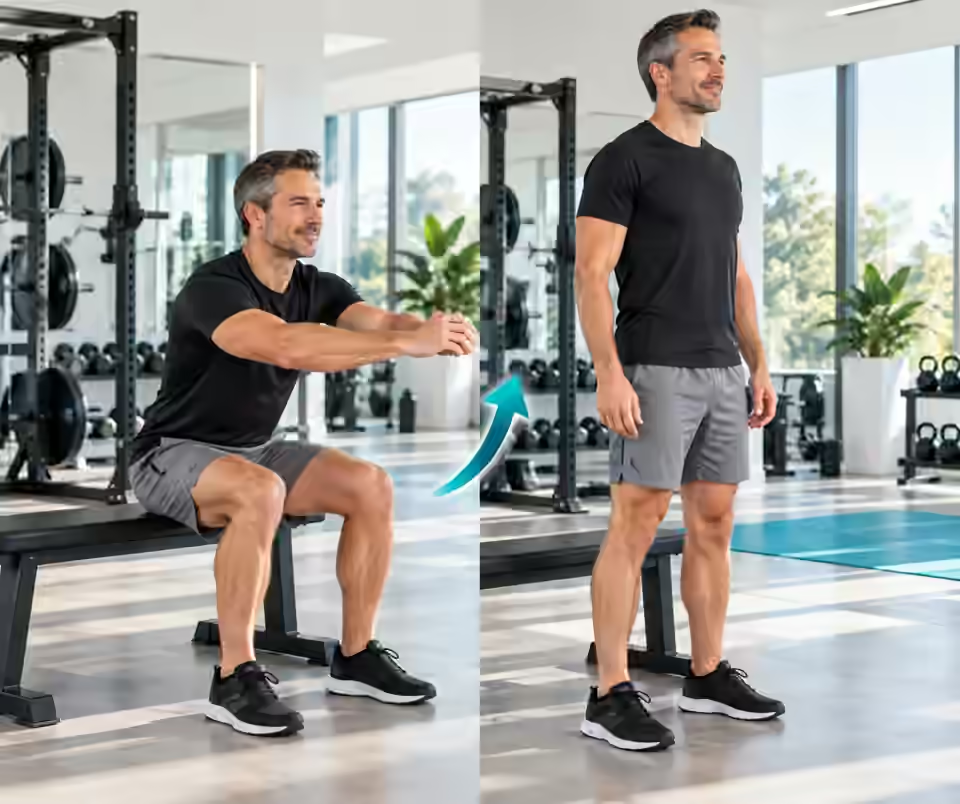
8–12 controlled sit-to-stands

Stand up from a stable chair or bench and sit back down under control. Let the knees track roughly in the same direction as the feet, and keep the whole foot loaded. Easier: use a higher seat or your hands for support. Harder: lower yourself more slowly.

1′

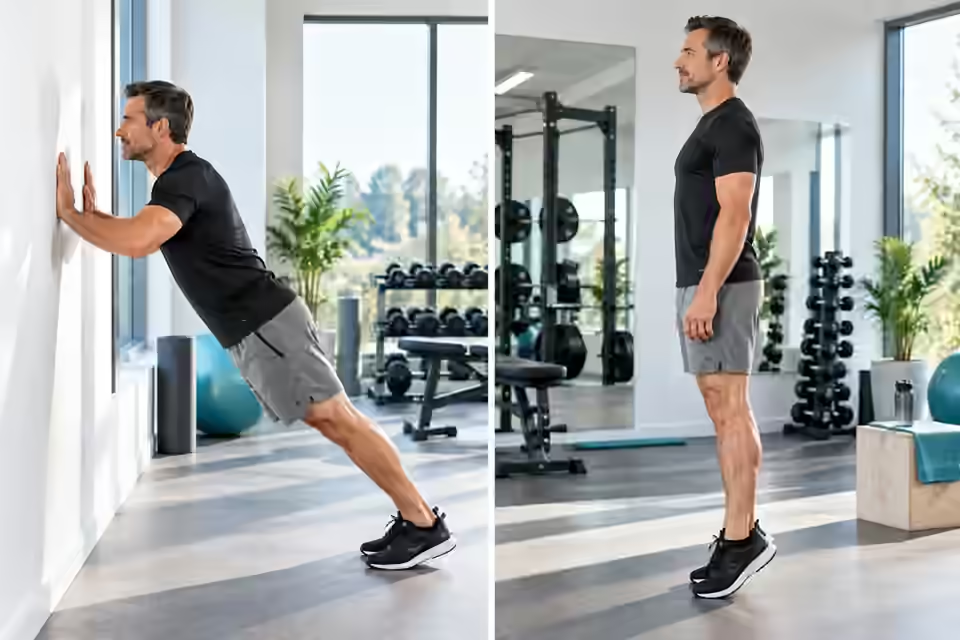
6–10 wall push-ups

Place your hands on a stable wall, keep your body in a steady line, and bend and straighten the elbows under control. Skip the exercise or adjust your hand position if it aggravates shoulder or wrist symptoms.

1′

10–15 calf raises

Stand tall, hold on if needed, and slowly raise and lower your heels. Do not bounce. If balance is an issue, use a secure support.

1′

Move the thoracic spine + keep walking easily

While standing, perform 3–5 gentle rotations to each side, then walk easily for the rest of the minute. The movement should come from the upper torso rather than aggressively twisting the lower back.

The same FitRecover man demonstrates a controlled sit-to-stand in a bright premium gym
Sit-to-stand: rise under control rather than using momentum. AI-generated training illustration.
The same man demonstrates wall push-ups and calf raises in a bright premium gym
Wall push-ups and calf raises: simple options for short activity breaks. AI-generated training illustration.
Stop and seek medical advice: Chest pain, unusual shortness of breath, dizziness, sudden weakness or newly occurring severe pain should not be “worked through.” If you have an existing medical condition, are recovering from surgery, or have significant symptoms, appropriate activity levels should be discussed individually with a qualified healthcare professional.
03 · A system instead of willpower

How to turn a good idea into a routine.

SituationSimple ruleWhy it works
Focused screen workAfter 45–60 minutes: move for 2–5 minutes.A clear trigger is easier to follow than vaguely planning to “stand up more often.”
Phone call without a screenIf it is safe to do so, walk around the room.Movement becomes attached to an activity that is already happening.
Lunch breakTake a 5–15 minute walk before or after eating.A longer walking block increases total daily movement without requiring a separate workout.
Home officeDeliberately keep your water, printer or headphones out of arm’s reach.Your environment creates small, automatic opportunities to walk.
Very busy workdaysDo only the 2-minute walking break.The minimum version protects the habit from all-or-nothing thinking.

What about standing desks?

A height-adjustable desk can help you change position, but it is not a substitute for movement. Standing for several hours simply shifts the basic problem. A better approach is to alternate sitting, standing and short walking periods.

What if I already train in the evening?

Your training still matters. Breaks from sitting serve a different purpose: they distribute movement throughout the day. That is exactly why it makes sense to view the two levels separately — structured workouts for fitness and performance, everyday movement to break up very long inactive periods.

Related FitRecover guides: 5 Mobility Exercises for Better Flexibility and Recovery After Exercise.

04 · Advertising / useful equipment

Two useful tools — but nothing you have to buy.

The best place to start costs nothing: stand up and walk. If you want to make your home office or short floor-based movement sessions more convenient, these two options already listed in the FitRecover product catalogue are reasonable additions. Prices and specific offers can change.

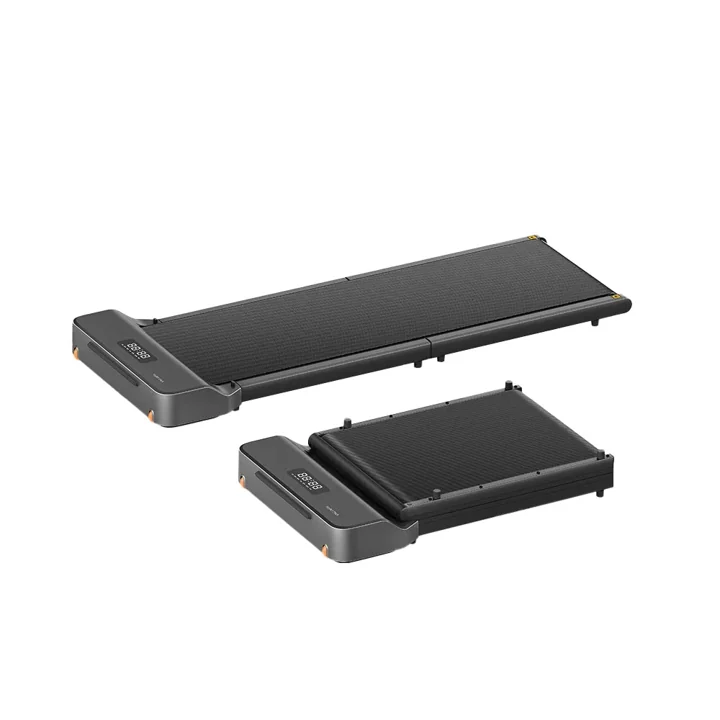
WalkingPad Z1 — real product image from the FitRecover product catalogue
For walking breaks in the home office

WalkingPad Z1

A foldable walking pad with a top speed of up to 6 km/h and, according to the manufacturer, a maximum user weight of 110 kg. It can be useful if you want to add short walking periods even in bad weather or during simple tasks.

Limitation: Walking at a desk does not suit every type of work. Typing, precise mouse work or video calls may be more difficult while walking.

View on Amazon* ↗
Direct Amazon.de product link; ASIN B0CLS9N2GJ was matched to the WalkingPad Z1 model on September 22, 2026.
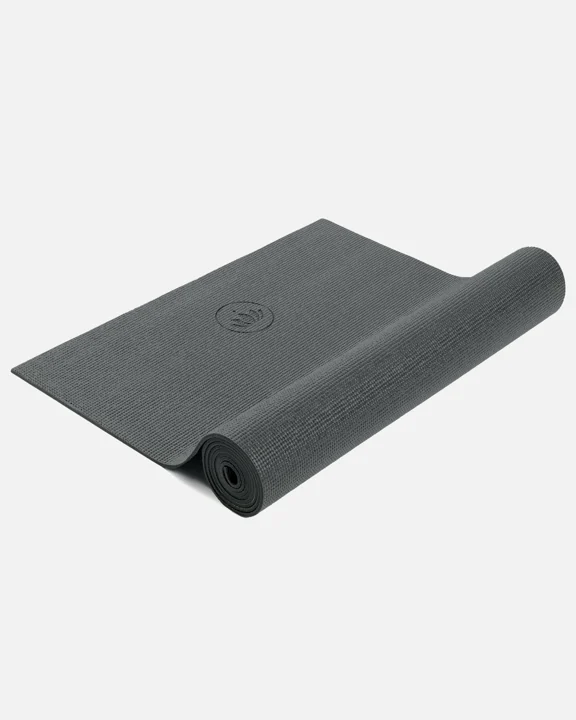
Lotuscrafts MUDRA Studio yoga mat — real product image from the FitRecover product catalogue
For floor exercises & mobility

Lotuscrafts MUDRA Studio

The manufacturer lists dimensions of 183 × 61 cm and a thickness of 5 mm. For short mobility or floor-based sessions, a defined non-slip training surface can be more comfortable than carpet or a bare floor.

Limitation: A mat does not make breaks from sitting more effective. You do not need one for a simple walking-and-standing routine.

View on Amazon* ↗
Direct Amazon.de product link, checked for model match on September 22, 2026.

* Affiliate link. Product images are referenced from existing FitRecover Store assets on the FitRecover website; no new Amazon image copy has been added to this package.

You can find more options in the FitRecover Walking Pad Comparison 2026.

Frequently asked questions

What you do not need to overcomplicate.

How often should I interrupt sitting?

There is no single frequency that has been proven to be exactly right for everyone. As a practical starting point, short movement breaks roughly every 30–60 minutes are reasonable. If your workday does not allow that, less frequent walking breaks are still better than none at all.

Does every break have to last six minutes?

No. The minimum version is two minutes of walking. The six-minute routine is a practical package for days when you also want to add a little strength work and movement variety.

Is a standing desk enough?

No. Standing changes your posture, but it is not an equivalent alternative to walking or other physical activity. Variation is more useful than replacing one fixed position with another.

Can this replace my 150 minutes of exercise per week?

No. WHO recommendations refer to overall physical activity. Movement breaks help break up inactive time; they do not replace dedicated aerobic and strength training.

FitRecover conclusion

The most important step is often the next short walk.

You do not need a complicated office-workout plan. Start by interrupting long periods of sitting regularly: walk for two to five minutes, stand up under control, add a few easy repetitions, and then return to work. If that becomes a stable habit, you will gain more than from a perfect routine that lasts only three days.

Keep the relationship in perspective: everyday movement spreads activity throughout the day; structured training develops fitness deliberately. The two complement each other.

Sources & editorial context

  1. WHO: Guidelines on physical activity and sedentary behaviour – at a glance. Recommendations on physical activity and sedentary behaviour.
  2. WHO Fact Sheet: Physical activity. Current global context for physical-activity recommendations.
  3. 2026 systematic review and meta-analysis: activity breaks, post-meal glucose and insulin. 39 studies in the meta-analysis; acute laboratory outcomes.
  4. Buffey et al., Sports Medicine 2022. Meta-analysis of standing and walking breaks during prolonged sitting.
  5. 2022 systematic review: breaks from sitting and cognition. Small, heterogeneous evidence base; mixed results.
  6. WalkingPad Z1 — manufacturer page for Germany. Device specifications.
  7. Lotuscrafts MUDRA Studio — manufacturer page. Dimensions, materials and product data.

Editorial limitation: the proposed six-minute sequence has not been clinically tested as a complete protocol. The scientific basis mainly concerns interrupting prolonged sitting with activity, especially light walking. The additional strength and mobility exercises are a practical FitRecover selection.