
NUTRITION · EVIDENCE · PRODUCT COMPARISON
Omega-3: benefits, EPA and DHA, and 10 supplements compared
Omega-3 matters for nutrition. Whether you need a supplement depends on what you eat, what the product actually contains and what you expect it to achieve.
This guide is for adults comparing foods, fish oil and algae oil. Start with the EPA and DHA amounts, rather than the largest number on the front of a bottle. You will find a practical explanation of the evidence, a comparison of ten products and clear reasons to choose—or skip—a supplement.
Advertising / affiliate links: As an Amazon Associate, FitRecover earns from qualifying purchases. Links marked with an asterisk lead to Amazon.de. Your purchase price is not increased by our commission.
Three practical starting points
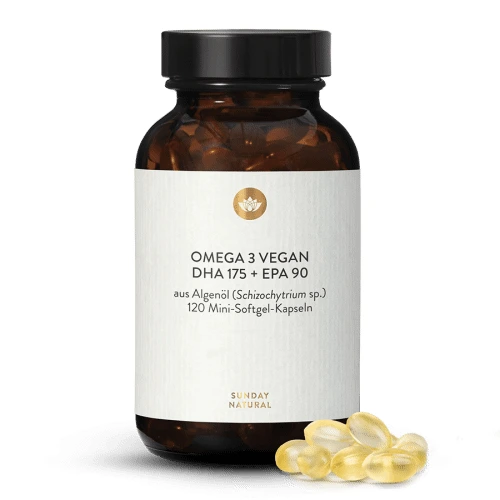
Sunday Natural Omega 3 Vegan DHA 175 + EPA 90 · 120 capsules
Small vegan units with transparent EPA/DHA content
Position 1 · Refrigerate after opening; DHA-predominant formula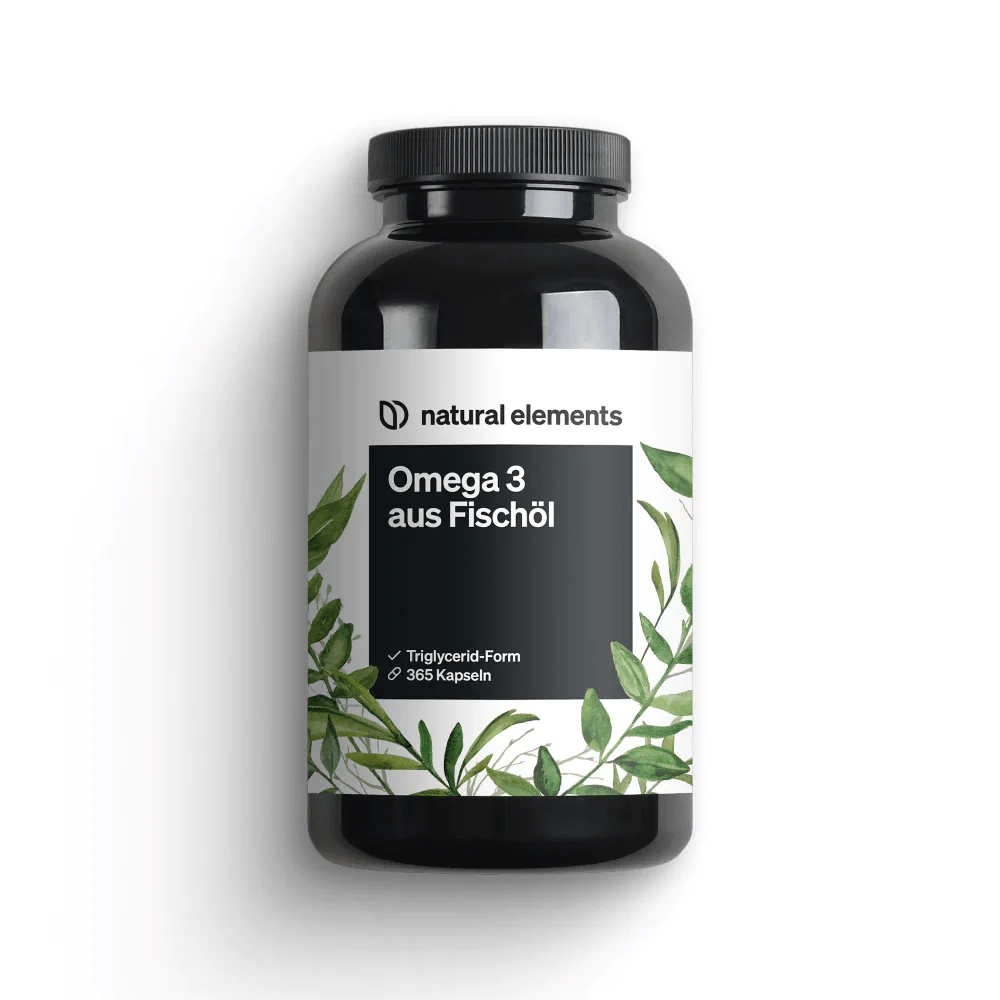
natural elements Omega 3 aus Fischöl · 365 capsules
Moderate EPA+DHA amount per capsule
Position 2 · Large pack; fish and bovine gelatin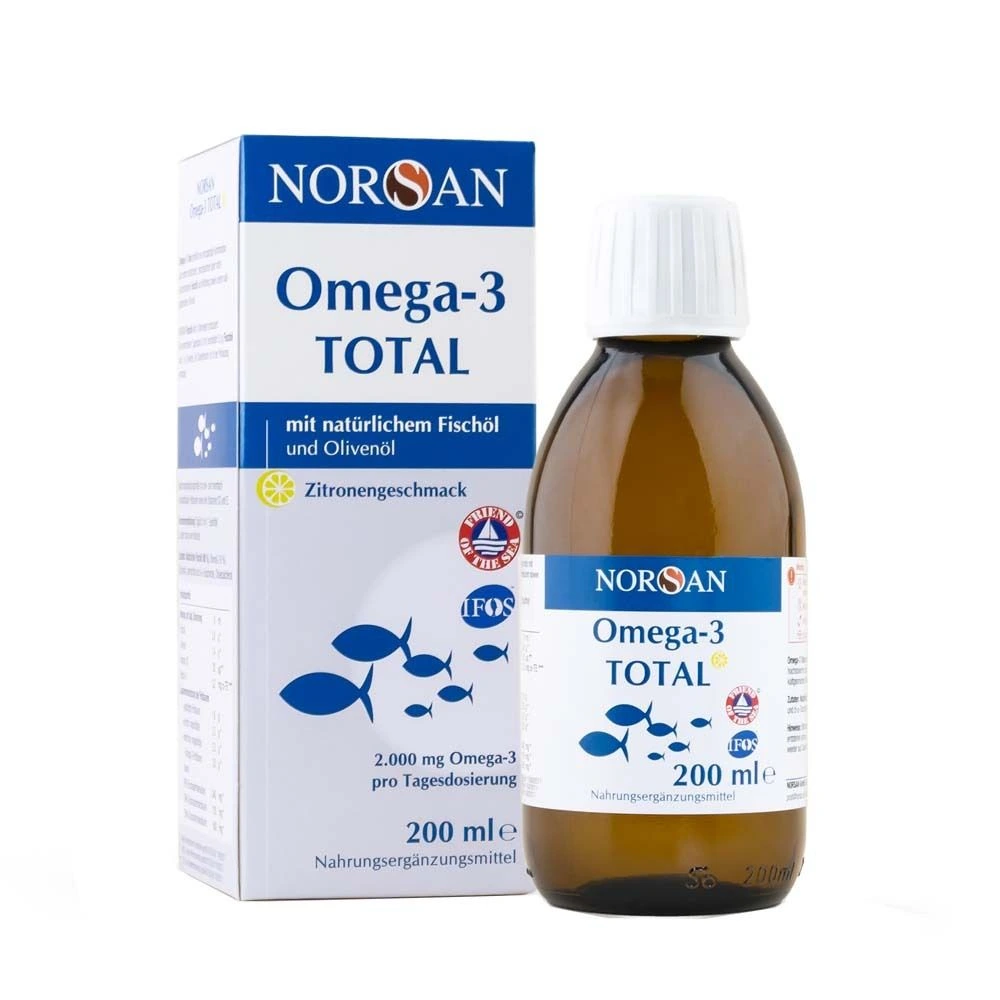
NORSAN Omega-3 Total Zitrone · 200 ml
Practical alternative to capsules
Position 7 · Added vitamin D3 and a high stated portionTop 10 omega-3 supplements: our editorial comparison
The list runs from 10 to 1. It compares different practical options, not proven differences in disease prevention. EPA+DHA amounts below refer to the manufacturer's stated serving; they are not a recommendation to take that amount.
| Rank | Photo | Product and pack | EPA + DHA / serving | Main advantage and limitation | Offer |
|---|---|---|---|---|---|
| 10 | 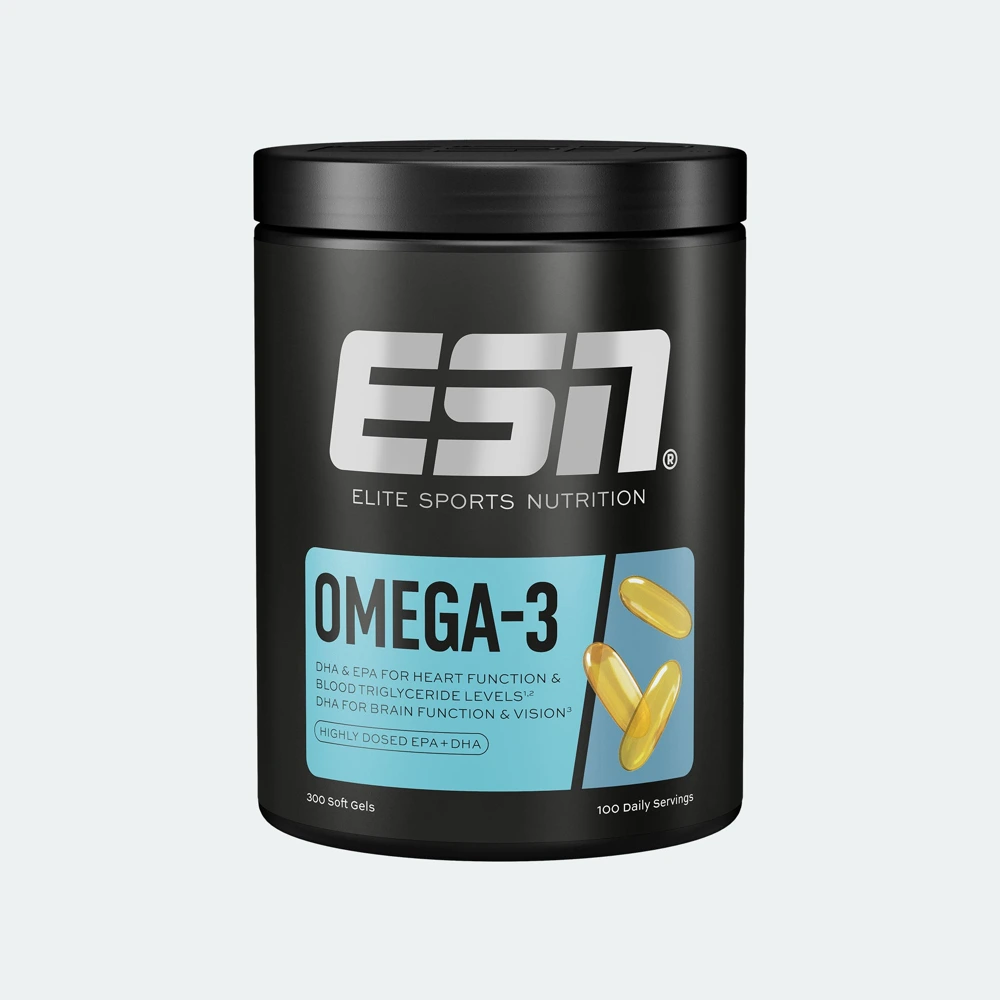 | ESN Omega-3300 capsules | 2,100 mg3 capsules | High EPA+DHA content per capsuleThe full serving is a high dose | View on Amazon* |
| 9 | 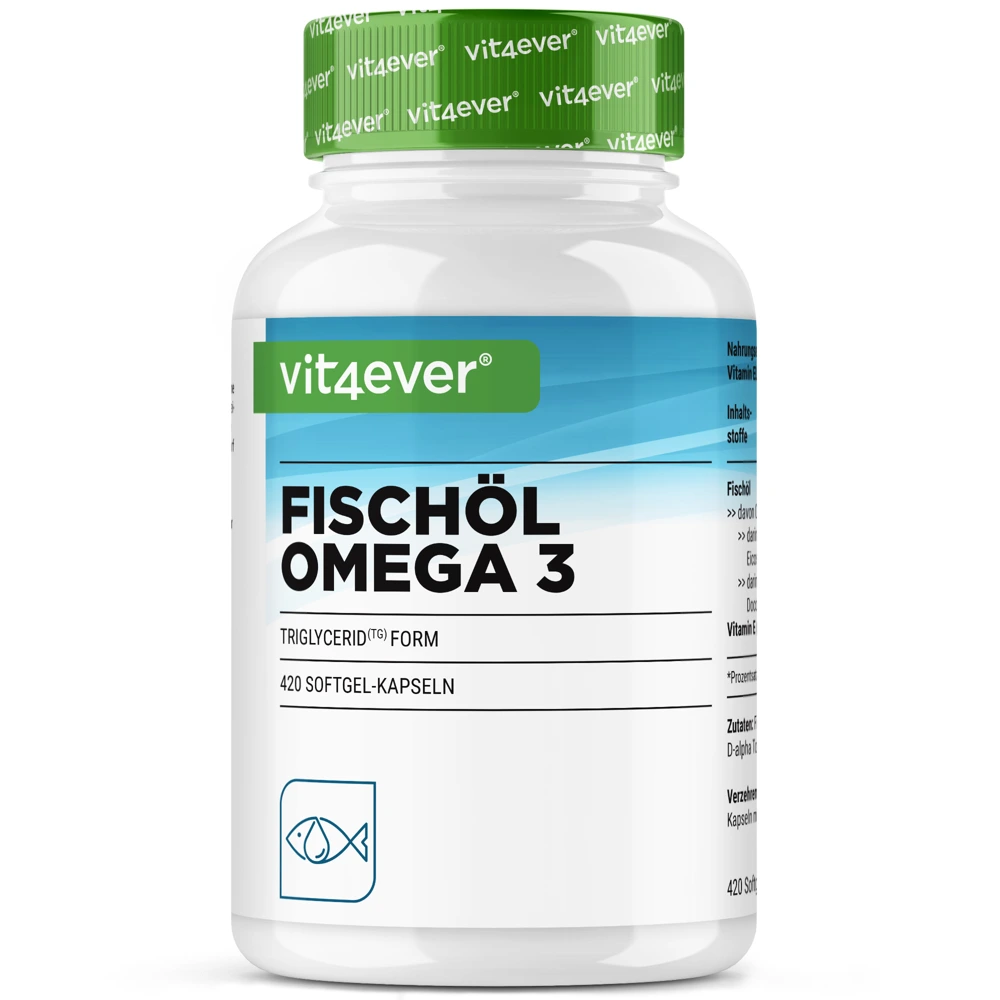 | vit4ever Fischöl Omega 3420 capsules | 1,200 mg4 capsules | Transparent standard EPA/DHA unitsFour capsules in the labelled portion | View on Amazon* |
| 8 | 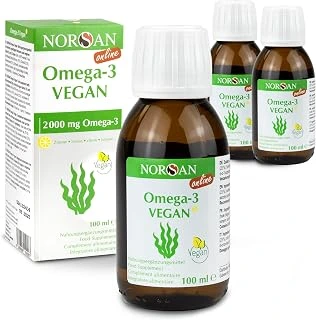 | NORSAN Omega-3 Vegan Öl3 × 100 ml | 1,767 mg5 ml | Fish-free oil without swallowing capsulesHigh stated portion; three-bottle bundle | View on Amazon* |
| 7 | | NORSAN Omega-3 Total Zitrone200 ml | 1,640 mg8 ml | Practical alternative to capsulesAdded vitamin D3 and a high stated portion | View on Amazon* |
| 6 |  | NORSAN Omega-3 Vegan Kapseln2 × 80 capsules | 1,501 mg4 capsules | Algae oil with no added vitamin D declaredFour capsules per manufacturer portion | View on Amazon* |
| 5 | 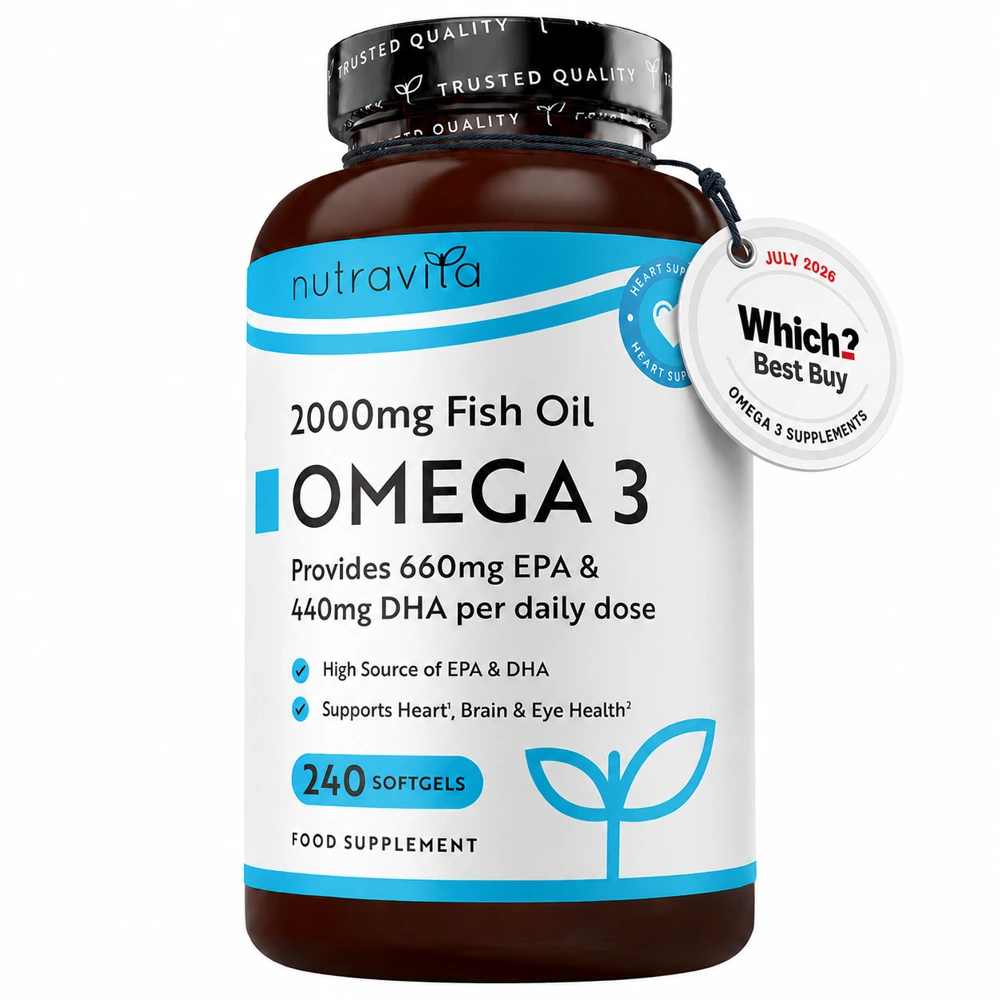 | Nutravita Omega 3 2000 mg Fischöl240 capsules | 1,100 mg2 capsules | More EPA+DHA per capsule than standard fish oilsLarge pack and animal gelatin | View on Amazon* |
| 4 | 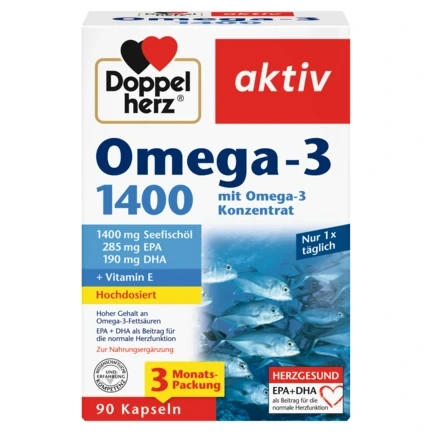 | Doppelherz aktiv Omega-3 140090 capsules | 475 mg1 capsule | One capsule in the manufacturer portionAdded vitamin E; unsuitable for swallowing difficulties | View on Amazon* |
| 3 | 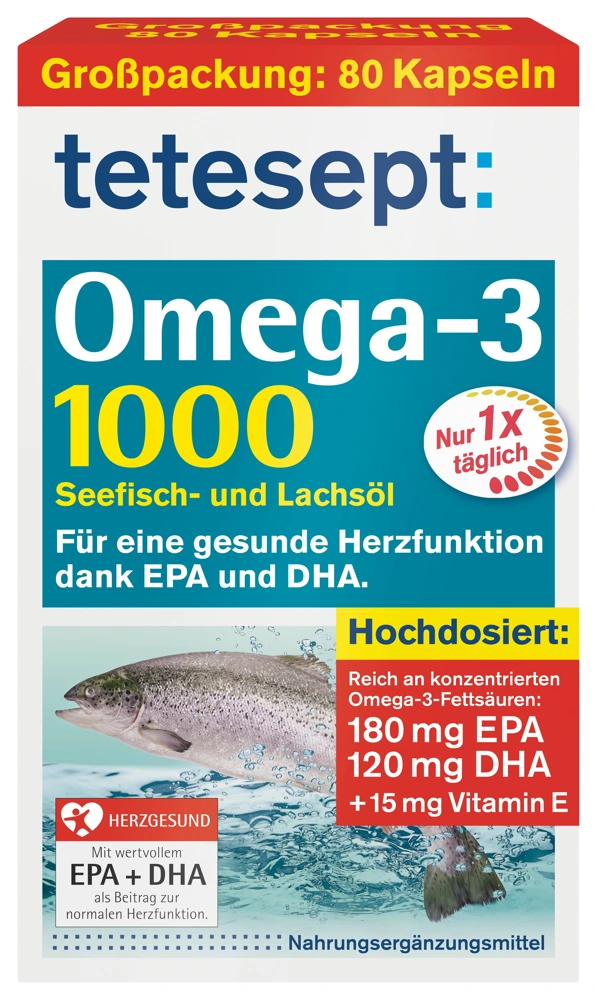 | tetesept Omega-3 100080 capsules | 300 mg1 capsule | A moderate EPA+DHA unitIncludes vitamin E and gelatin | View on Amazon* |
| 2 | | natural elements Omega 3 aus Fischöl365 capsules | 600 mg2 capsules | Moderate EPA+DHA amount per capsuleLarge pack; fish and bovine gelatin | View on Amazon* |
| 1 | | Sunday Natural Omega 3 Vegan DHA 175 + EPA 90120 capsules | 530 mg2 capsules | Small vegan units with transparent EPA/DHA contentRefrigerate after opening; DHA-predominant formula | View on Amazon* |
The table describes manufacturer servings. For high amounts and existing cardiovascular risk, read the safety section. Safety and dosage →
How we selected and ranked the products
We compared fish and algae oils, liquids and capsules, smaller unit doses and concentrated products. The order prioritises practical everyday use, clear EPA/DHA information, manageable portions and the ability to avoid unwanted added vitamins. It is an editorial assessment of manufacturer information, not a hands-on test, an independent purity analysis or an Amazon sales ranking.
A low-dose vegan capsule can suit one reader better than a concentrated fish oil; a liquid can suit someone who cannot swallow capsules. We therefore show a suitable use and a meaningful drawback for every choice. A higher position does not establish greater clinical effectiveness. The named pack, flavour and formula matter: another listing from the same brand may contain different amounts.
What omega-3 can—and cannot—promise
| Question | Evidence in context | Practical consequence |
|---|---|---|
| Do we need omega-3 in the diet? | Yes. ALA is essential; EPA and DHA have distinct nutritional roles. | Check the overall diet before buying capsules. |
| Will a retail capsule prevent a heart attack? | Large trials give different results in different populations and with different preparations. | Do not transfer prescription-drug results to ordinary supplements. |
| Will it build muscle or remove soreness? | Some recovery studies are encouraging; a reliable performance benefit or standard effective dose is not established. | Use training, food and rest as the foundation. |
| Is a larger dose automatically better? | No. High doses add safety questions, including atrial fibrillation in susceptible populations. | Compare EPA+DHA, existing intake and the reason for supplementation. |
1. ALA, EPA and DHA: three names, different decisions
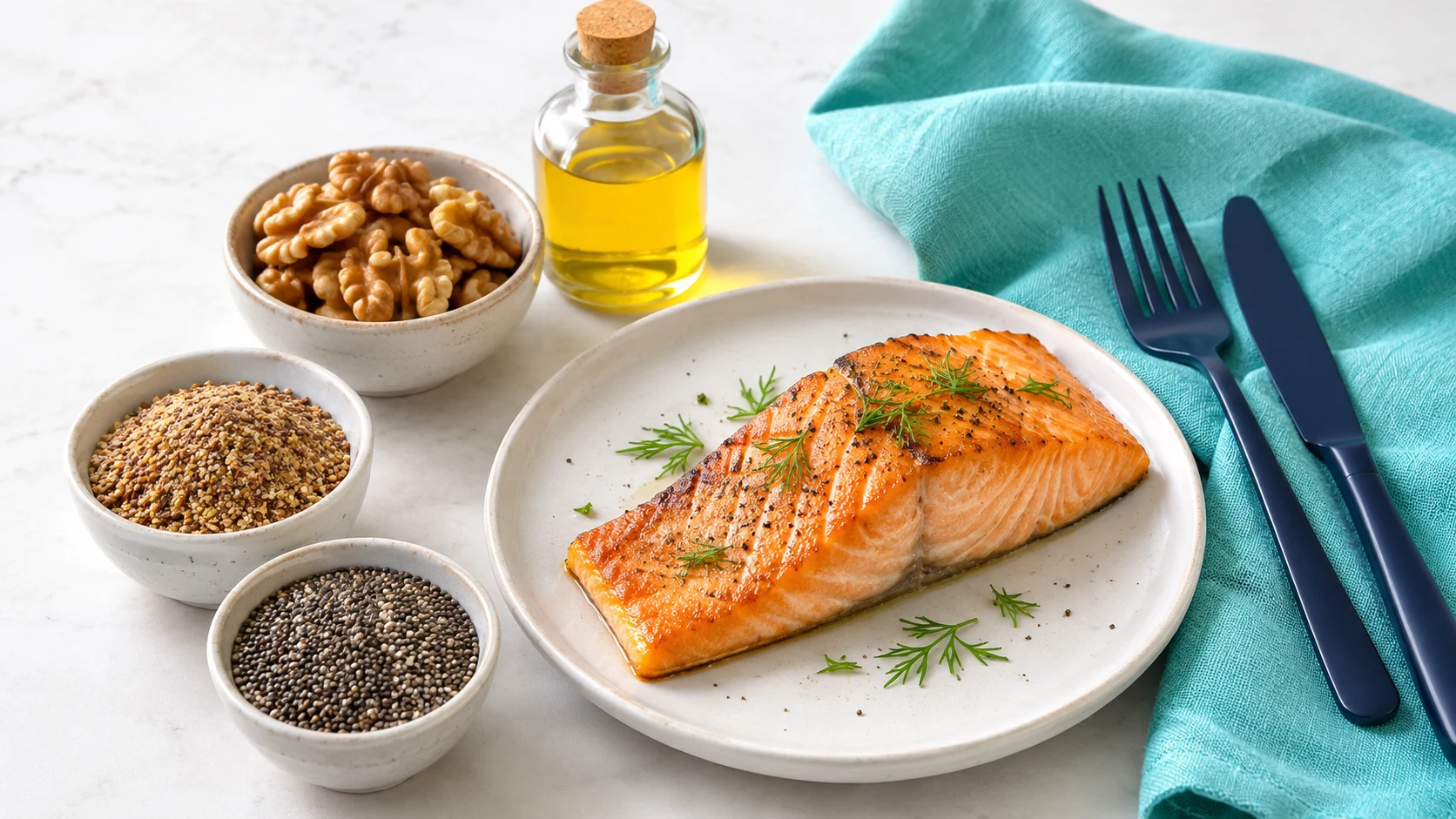
Omega-3 describes a family of fats, not a single ingredient. Alpha-linolenic acid (ALA) is essential and occurs in foods such as flaxseed, walnuts and rapeseed oil. The body can convert some ALA into eicosapentaenoic acid (EPA) and docosahexaenoic acid (DHA), but conversion is limited and variable. Fish and suitable microalgae oils supply EPA and/or DHA directly. [1]
Keep two separate questions in mind: am I including useful plant foods, and am I obtaining the long-chain fatty acids I intend to obtain? A spoonful of flaxseed is not a milligram-for-milligram replacement for a labelled EPA+DHA portion. Equally, that does not make flaxseed nutritionally pointless. It means the foods and oils solve partly different problems.
A product can also contain added vitamins. Evaluate the complete formula, including any nutrients already present in your other supplements.
Position 10 · Concentrated fish-oil capsules
ESN Omega-3 · 300 capsules
ESN offers a concentrated capsule for readers who specifically want fewer capsules for a given EPA+DHA amount. Its position reflects the high manufacturer serving, which should not be treated as the everyday default simply because the brand targets sport.
Manufacturer's serving: 3 capsules
Per capsule (calculated): 700 mg EPA+DHA
Label information describes this product; it is not an individual dosage recommendation.
May suit: Adults comparing concentrated fish oils for an already clarified purpose.
Less suitable: Vegan diets, fish allergy or choosing a dose solely for supposed faster recovery.
- Clear EPA and DHA amounts
- Concentrated capsule with no declared vitamin dose
- Three-capsule serving exceeds the general nutritional reference substantially
- Fish oil and bovine gelatin
Closest alternative: Nutravita is less concentrated per capsule; natural elements offers a smaller EPA+DHA unit. Choose the amount for the need, rather than using concentration as a quality score.
View on Amazon*2. Read the EPA+DHA line, not just the oil quantity
Three figures may appear on one label: total oil, total omega-3 and EPA+DHA. They are not interchangeable. Total omega-3 can include fatty acids other than EPA and DHA. The relevant calculation for this comparison is simply EPA milligrams plus DHA milligrams, using the same serving.
For example, a hypothetical capsule containing 1,000 mg fish oil, 180 mg EPA and 120 mg DHA provides 300 mg EPA+DHA. Two capsules provide 600 mg EPA+DHA and 2,000 mg fish oil. A different capsule could provide the same EPA+DHA in less oil. This arithmetic describes concentration; it does not prove better health outcomes.
Before comparing bottles, write down the capsule count, the manufacturer's daily portion and the EPA/DHA amount per portion. A claim printed for three capsules is easily mistaken for the content of one. The data cards below keep the portion beside the number.
Position 9 · Large fish-oil pack
vit4ever Fischöl Omega 3 · 420 capsules
The large vit4ever pack suits a routine that has already been settled. Its headline oil amount needs careful reading: much of that quantity is fish oil other than EPA and DHA. Capsule count is the main practical compromise.
Manufacturer's serving: 4 capsules
Per capsule (calculated): 300 mg EPA+DHA
Other declared nutrients: Vitamin E: 13.4 mg α-TE
Label information describes this product; it is not an individual dosage recommendation.
May suit: Readers comfortable with several capsules and a large container.
Less suitable: Occasional use, difficulty swallowing or avoiding animal gelatin.
- Clearly separated oil and EPA/DHA amounts
- Many portions in one container
- Four capsules per manufacturer portion
- Added vitamin E and fish-derived ingredients
Closest alternative: Natural elements provides the same EPA+DHA amount per capsule with a smaller stated daily portion. The difference in daily totals mainly reflects capsule count.
View on Amazon*3. How much omega-3 is a useful reference?
EFSA sets an adequate intake of 250 mg EPA+DHA per day for adults. This is a reference for total intake, including food, rather than an instruction to add a 250 mg supplement to every diet. [2] Manufacturer servings often exceed that figure. A larger printed serving does not demonstrate a larger nutritional gap.
A practical first step is to examine an ordinary week: how often do you eat fish, which types, and do you already take another omega-3 product? The DGE recommends fish once or twice a week, with oily fish providing long-chain omega-3. [3] If fish is excluded, look specifically at algae products containing the fatty acids you intend to obtain.
Do not turn a population reference into a personalised treatment plan. Persistently elevated triglycerides, pregnancy, childhood and diagnosed disease require their own assessment. This adult comparison does not establish suitable doses for those situations.
Position 8 · Vegan liquid bundle
NORSAN Omega-3 Vegan Öl · 3 × 100 ml
This vegan liquid combines algae oil with olive oil and vitamin D3. The selected offer is a bundle of three bottles. It makes sense to assess the format and storage routine before committing to that quantity.
Manufacturer's serving: 5 ml
Per 1 ml (calculated): 353.4 mg EPA+DHA
Total omega-3: 2,000 mg
Other declared nutrients: Vitamin E: 3 mg α-TE · Vitamin D3: 20 µg
Label information describes this product; it is not an individual dosage recommendation.
May suit: Vegan adults who prefer a measured liquid and have clarified the intended intake.
Less suitable: A first casual trial, avoiding added vitamin D or treating the full portion as a routine target.
- Both EPA and DHA from microalgae
- Liquid format; bottles can be opened one at a time
- Refrigeration and a limited use period after opening
- Vitamin D3 adds to any separate vitamin D supplement
Closest alternative: NORSAN vegan capsules avoid measuring a liquid and do not list added vitamin D. Sunday Natural uses smaller capsule units and a lower manufacturer portion.
View on Amazon*4. Training and recovery: promising findings need perspective
Omega-3 is not a reliable shortcut to muscle growth or effortless recovery. A 2026 systematic review found some favourable findings for post-exercise soreness and function, but the studies were too varied to establish a dependable effective dose. [4]
That distinction matters in practice. Feeling less sore after an unfamiliar session is not the same as building more muscle over a year. A change in a blood marker is not automatically a meaningful improvement in your next workout. A sports brand or a high capsule concentration does not resolve those questions.
If recovery is the goal, first examine training progression, sufficient food and the opportunity to sleep. When those basics are inconsistent, adding another supplement makes it harder to identify what is helping. If you use omega-3 for a nutritional reason, do not keep increasing the dose because yesterday's workout still feels demanding.
Position 7 · Liquid fish oil
NORSAN Omega-3 Total Zitrone · 200 ml
NORSAN Total is a lemon-flavoured fish-oil liquid with olive oil. It is our liquid starting point for readers who accept fish and prefer not to swallow softgels. That format preference does not establish a need for the full manufacturer portion.
Manufacturer's serving: 8 ml
Per 1 ml (calculated): 205 mg EPA+DHA
Total omega-3: 2,000 mg
Other declared nutrients: Vitamin E: 3.2 mg α-TE · Vitamin D3: 20 µg
Label information describes this product; it is not an individual dosage recommendation.
May suit: Adults who want a measured liquid and can follow refrigerated storage.
Less suitable: Fish allergy, vegan diets or avoiding additional vitamin D3.
- EPA and DHA separately declared
- No capsule swallowing required
- Measuring and refrigeration are part of use
- The portion includes vitamin D3 and substantial EPA+DHA
Closest alternative: The vegan NORSAN liquid changes the source and fatty-acid balance. Natural elements is more convenient for readers who prefer counted capsules instead of a bottle.
View on Amazon*5. Fish oil or algae oil: start with the source you can use
Algae oil can provide EPA and DHA without fish. Some formulas are DHA-focused; others contain both. Check the actual table rather than assuming that every vegan omega-3 product has the same composition. Fish oil capsules also need an ingredient check: the capsule shell and added ingredients can matter as much as the oil source. [1]
For a vegan reader, a fish-derived formula is excluded regardless of concentration. For someone comfortable with fish, the decision may instead depend on portion size, swallowing, taste and the evidence available for the exact batch. Do not assume that either source guarantees purity or a stronger clinical effect.
Labels such as triglyceride or ethyl ester describe chemical forms. Absorption can differ under study conditions, but a form name alone does not establish superior long-term outcomes. Treat it as one specification among several, after confirming EPA+DHA content and an appropriate reason for use.
Position 6 · Vegan capsules in a twin pack
NORSAN Omega-3 Vegan Kapseln · 2 × 80 capsules
These algae-oil capsules offer a portable alternative to liquid oil. The selected pack contains two jars. The current manufacturer document distinguishes the total omega-3 amount from the smaller EPA+DHA sum.
Manufacturer's serving: 4 capsules
Per capsule (calculated): 375.25 mg EPA+DHA
Total omega-3: 1,700 mg
Label information describes this product; it is not an individual dosage recommendation.
May suit: Vegan adults who prefer capsules and already know this portion format fits their plan.
Less suitable: Readers seeking the smallest capsule count or an automatically appropriate low daily amount.
- EPA and DHA from algae
- No animal gelatin or added vitamin D in the declared formula
- Four capsules form the labelled portion
- Twin pack is a larger commitment than a single small bottle
Closest alternative: Sunday Natural has smaller EPA+DHA units and a two-capsule manufacturer portion. The liquid NORSAN vegan formula adds vitamin D3 and requires measuring.
View on Amazon*6. Liquid or capsules: choose a routine you can follow
Liquid oil avoids swallowing capsules, but measuring and storage become part of the routine. Use the manufacturer's measuring guidance; a household spoon is not automatically the stated volume. Check refrigeration and the time limit after opening on the exact bottle. A large bottle is less useful if you cannot finish it within those instructions.
Capsules make the unit count clearer and are convenient away from home, although large softgels can be uncomfortable to swallow. Count the actual number needed for the labelled portion before buying. If you dislike taking four capsules, a product labelled as a multi-month supply may be less convenient than it first appears.
The chosen NORSAN liquids also demonstrate why total omega-3 and EPA+DHA should be shown separately. Their front-of-pack total is not a substitute for reading the EPA and DHA lines. Choosing a liquid is a format decision, not evidence that you need its full manufacturer portion.
Position 5 · Concentrated fish oil in a large pack
Nutravita Omega 3 2000 mg Fischöl · 240 capsules
Nutravita sits between standard fish-oil capsules and the more concentrated ESN option. It is a practical comparison for readers who find a larger EPA+DHA unit useful, without assuming that a larger manufacturer portion gives extra benefit.
Manufacturer's serving: 2 capsules
Per capsule (calculated): 550 mg EPA+DHA
Label information describes this product; it is not an individual dosage recommendation.
May suit: Adults comfortable with fish oil, softgels and a settled routine.
Less suitable: Fish allergy, vegan diets or wanting a small trial pack.
- EPA and DHA amounts are explicitly declared
- Two capsules in the manufacturer portion
- A sizeable container for an untested routine
- Fish and gelatin; the serving is above the general nutritional reference
Closest alternative: ESN is more concentrated per capsule; natural elements offers smaller units. Choose based on the intended total and practical capsule count.
View on Amazon*7. Heart health: why the major trials do not say the same thing
The VITAL trial did not find a significant reduction in its main combined cardiovascular endpoint with a daily fish-oil preparation in a general prevention population. Some secondary findings were favourable. [5] STRENGTH, using a different high-dose preparation in high-risk patients, also found no benefit for its primary endpoint. [6]
REDUCE-IT did find benefit with 4 g/day prescription icosapent ethyl in selected statin-treated patients: primary events occurred in 17.2% versus 22.0% over a median 4.9 years. That is a 4.8 percentage-point absolute difference. [7] It does not establish the same benefit for a retail fish- or algae-oil capsule.
These are different products, populations and trial conditions. The useful consumer conclusion is to avoid treating every omega-3 bottle as an interchangeable heart medicine. The EU's permitted health claim about normal heart function at 250 mg EPA+DHA daily also does not promise prevention of heart attacks. [8]
Position 4 · One-capsule fish-oil routine
Doppelherz aktiv Omega-3 1400 · 90 capsules
Doppelherz aktiv Omega-3 1400 provides a straightforward one-capsule format. The 1400 in the product name denotes fish oil, not EPA+DHA. Its added vitamin E matters if other supplements already supply that nutrient.
Manufacturer's serving: 1 capsule
Per capsule (calculated): 475 mg EPA+DHA
Total omega-3: 485 mg
Other declared nutrients: Vitamin E: 20 mg α-TE
Label information describes this product; it is not an individual dosage recommendation.
May suit: Adults comfortable swallowing a softgel who want a clearly counted portion.
Less suitable: Swallowing difficulties, fish allergy or avoiding bovine gelatin.
- Single-capsule manufacturer portion
- Separate EPA and DHA figures on the label
- Added vitamin E should be included in the overall supplement review
- Not a vegan formula
Closest alternative: tetesept supplies less EPA+DHA per capsule and also adds vitamin E. Neither product's oil headline should be confused with its EPA+DHA amount.
View on Amazon*8. Safety: high doses deserve a clear reason
More is not automatically safer or more useful. EMA highlights a dose-related atrial-fibrillation risk with omega-3-acid ethyl ester medicines in people with cardiovascular disease or risk factors. [9] BfR likewise advises medical discussion in such circumstances and retains its conservative advice not to exceed a total of 1.5 g EPA+DHA per day from all sources. This is not an EU legal maximum or an individual prescription. [10]
The 2026 EFSA opinion retains a 1 g/day safe level for supplemental DHA alone or predominantly DHA, defined by an EPA:DHA ratio below 0.3. It is neither a universal EPA+DHA ceiling nor an intake target. [11] Quoting an isolated safety number without its scope is misleading.
Discuss supplementation with a clinician or pharmacist if you have an arrhythmia, cardiovascular disease, take anticoagulants or are considering a therapeutic dose. Check fish allergy and added vitamins; do not independently stop prescribed medication. New persistent palpitations need assessment rather than another change of supplement.
Position 3 · Smaller one-capsule portion
tetesept Omega-3 1000 · 80 capsules
tetesept Omega-3 1000 is a straightforward option for readers who value a single capsule with a smaller EPA+DHA amount. It illustrates why a less dramatic headline can still suit a practical nutritional decision.
Manufacturer's serving: 1 capsule
Per capsule (calculated): 300 mg EPA+DHA
Total omega-3: 350 mg
Other declared nutrients: Vitamin E: 15 mg α-TE
Label information describes this product; it is not an individual dosage recommendation.
May suit: Adults who accept fish oil and want a simple single-capsule format.
Less suitable: Vegan diets, fish allergy or avoiding added vitamin E.
- One capsule in the stated portion
- Smaller pack than the largest containers in this comparison
- Added vitamin E
- Gelatin source is not specified by animal species
Closest alternative: Doppelherz contains more EPA+DHA per capsule. Natural elements uses a similar EPA/DHA unit but comes in a much larger pack and specifies two capsules per portion.
View on Amazon*9. Quality: ask what was measured and which batch it covers
A useful quality statement identifies the product, the batch, the test and the result. When a seller says laboratory tested, look for more than a badge: which fatty-acid contents were measured, were oxidation and contaminants examined, and is there a dated report for the relevant batch? Those questions are our purchasing criteria; this article does not claim independent laboratory verification of the products.
A sustainability label, a purity analysis and a clinical trial answer different questions. None should silently stand in for the others. A clean ingredient list does not prove a cardiovascular benefit, and a general study about EPA does not certify the oil in a particular bottle.
Also inspect the seal, expiry date and storage instructions when the product arrives. Do not interpret an unusually strong or changed smell as a numerical oxidation test. Ask the manufacturer about a questionable bottle rather than taking extra capsules to compensate for uncertain quality.
Position 2 · Fish-oil option with smaller units
natural elements Omega 3 aus Fischöl · 365 capsules
natural elements is our fish-oil starting point because its smaller capsule units make the content easy to understand. The large pack is most useful once you know the product suits you; it is not automatically the best choice for trying a supplement for the first time.
Manufacturer's serving: 2 capsules
Per capsule (calculated): 300 mg EPA+DHA
Other declared nutrients: Vitamin E: 6.8 mg α-TE
Label information describes this product; it is not an individual dosage recommendation.
May suit: Adults who accept fish and bovine gelatin and have a consistent routine.
Less suitable: Vegan diets, fish allergy or wanting a compact starter pack.
- Clear portion arithmetic
- Smaller EPA+DHA unit than concentrated formulas
- Large container requires sensible storage
- Added vitamin E and animal ingredients
Closest alternative: tetesept uses a similar EPA/DHA amount per capsule in a smaller pack. Sunday Natural is the fish-free alternative with a different EPA:DHA balance.
View on Amazon*10. Choose by your situation, not by the largest headline
A suitable product is one that matches an identified need with a workable amount and format. For a vegan diet and small capsules, compare the Sunday Natural option with NORSAN's vegan capsules. For a simpler fish-oil routine, compare natural elements with Doppelherz. For difficulty swallowing, compare the two liquid NORSAN formulas and their measuring requirements.
Our first position favours a small vegan unit with transparent amounts. It does not mean every reader needs it, or that it has proved more effective in a clinical trial. Readers who already meet their needs through food may make the best choice by buying none of these products.
Before checkout, match the product name, capsule count or bottle volume and flavour to this comparison. Then read the currently supplied label. Formula changes are possible; if the serving or EPA/DHA values differ, use the new label to reassess the choice instead of relying on an old front-of-pack number.
Position 1 · Small vegan softgels
Sunday Natural Omega 3 Vegan DHA 175 + EPA 90 · 120 capsules
Sunday Natural's mini softgels take our first position for a practical combination of vegan sourcing, smaller units and clearly stated EPA/DHA content. This is an everyday-format judgement, not proof of superior absorption, purity or disease prevention.
Manufacturer's serving: 2 capsules
Per capsule (calculated): 265 mg EPA+DHA
Total omega-3: 580 mg
Label information describes this product; it is not an individual dosage recommendation.
May suit: Vegan or fish-free adults who prefer small softgels and a modest stated portion.
Less suitable: Readers unable to follow the manufacturer's refrigerated storage guidance or specifically requiring a different formulation.
- Both EPA and DHA without fish or animal gelatin
- Two small softgels form the labelled portion
- More DHA than EPA; not interchangeable with every formula
- Refrigeration after opening requires planning when travelling
Closest alternative: NORSAN vegan capsules provide a larger EPA+DHA amount in a four-capsule manufacturer portion. The best choice depends on the intended intake and your routine, not the ranking alone.
View on Amazon*A practical routine in four steps
- Define the reason. Are you filling a dietary gap, choosing a fish-free source, or discussing a medical goal? These require different decisions.
- Read one complete serving. Record EPA, DHA, the number of capsules or millilitres and any added vitamins. Include other supplements in your calculation.
- Follow the current product instructions. Use the specified measuring method and storage conditions. Do not turn the manufacturer's stated serving into a target you must reach.
- Review the choice. Check tolerability and whether the original reason still applies. A bottle running out is a useful moment to reassess, not an automatic reason to buy a stronger version.
Which direction fits your needs?
Regular fish intake and no particular gap: first assess whether you need a supplement at all.
Vegan or fish-free: compare clearly labelled EPA/DHA algae oil; ALA foods remain part of the diet.
Difficulty swallowing: consider a measured liquid and realistic storage after opening.
Medical treatment goal or cardiac risk: choose the preparation and dose with your healthcare professional, rather than from this ranking.
Frequently asked questions
Is 1,000 mg fish oil the same as 1,000 mg omega-3?
No. Total oil, total omega-3 and EPA+DHA are different quantities. Add EPA and DHA using the same labelled portion. A large oil number alone is not a meaningful comparison.
Can flaxseed or walnuts replace algae oil?
They provide ALA and can be useful foods. Conversion to EPA and DHA is limited and varies. They are not a predictable milligram-for-milligram substitute when the specific aim is direct EPA/DHA intake.
Do healthy people all need capsules?
No. The need for an optional supplement depends on the diet and circumstances. Meeting a nutrient requirement and needing an additional product are different questions.
Is algae oil weaker than fish oil?
The source alone does not answer that. Compare EPA, DHA, serving size and quality information. A DHA-only algae oil and a mixed EPA/DHA product are not the same formula.
Can I take several brands together?
Calculate the total EPA+DHA and added vitamins first. Stacking products can create a much higher intake without solving a new problem. Discuss high-dose or medical use with a healthcare professional.
How quickly should I feel a benefit?
There is no dependable feel-it-by-this-date promise. Many relevant outcomes are not immediately perceptible, and some advertised benefits are not established. Do not increase the amount simply because you do not notice a sensation.
Does this list also apply to children or pregnancy?
No. It compares adult products and does not set individual requirements for pregnancy, breastfeeding or children. Those situations need separate advice.
Sources and product information
Scientific and official sources support the explanation. Manufacturer documents support the declared product composition; our practical ranking is an editorial judgement.
- NIH Office of Dietary Supplements. Omega-3 Fatty Acids: Health Professional Fact Sheet.
- EFSA (2010). Dietary Reference Values for fats. doi:10.2903/j.efsa.2010.1461.
- Deutsche Gesellschaft für Ernährung. Fisch jede Woche.
- Yaghoobi et al. (2026). LC n-3 PUFA, muscle pain, function and damage markers: systematic review and meta-analysis. Nutrients 18, 1447.
- Manson et al. (2019). Marine n−3 Fatty Acids and Prevention of Cardiovascular Disease and Cancer. VITAL.
- Nicholls et al. (2020). The STRENGTH Randomized Clinical Trial. JAMA.
- Bhatt et al. (2019). Cardiovascular Risk Reduction with Icosapent Ethyl for Hypertriglyceridemia. REDUCE-IT.
- European Commission. Regulation (EU) No 432/2012, consolidated 20 August 2025: authorised health claims.
- European Medicines Agency (2023). Omega-3-acid ethyl ester medicines: atrial fibrillation risk.
- Bundesinstitut für Risikobewertung (30 April 2026). Omega-3-Fettsäuren: Wichtig – aber in Maßen.
- EFSA (2026). Tolerable upper intake level for supplemental docosahexaenoic acid. doi:10.2903/j.efsa.2026.9858.
- ESN Omega-3
- vit4ever Fischöl Omega 3
- NORSAN Omega-3 Vegan Öl
- NORSAN Omega-3 Total Zitrone
- NORSAN Omega-3 Vegan Kapseln
- Nutravita Omega 3 2000 mg Fischöl
- Doppelherz aktiv Omega-3 1400
- tetesept Omega-3 1000
- natural elements Omega 3 aus Fischöl
- Sunday Natural Omega 3 Vegan DHA 175 + EPA 90
General information for adults; not individual medical advice.