
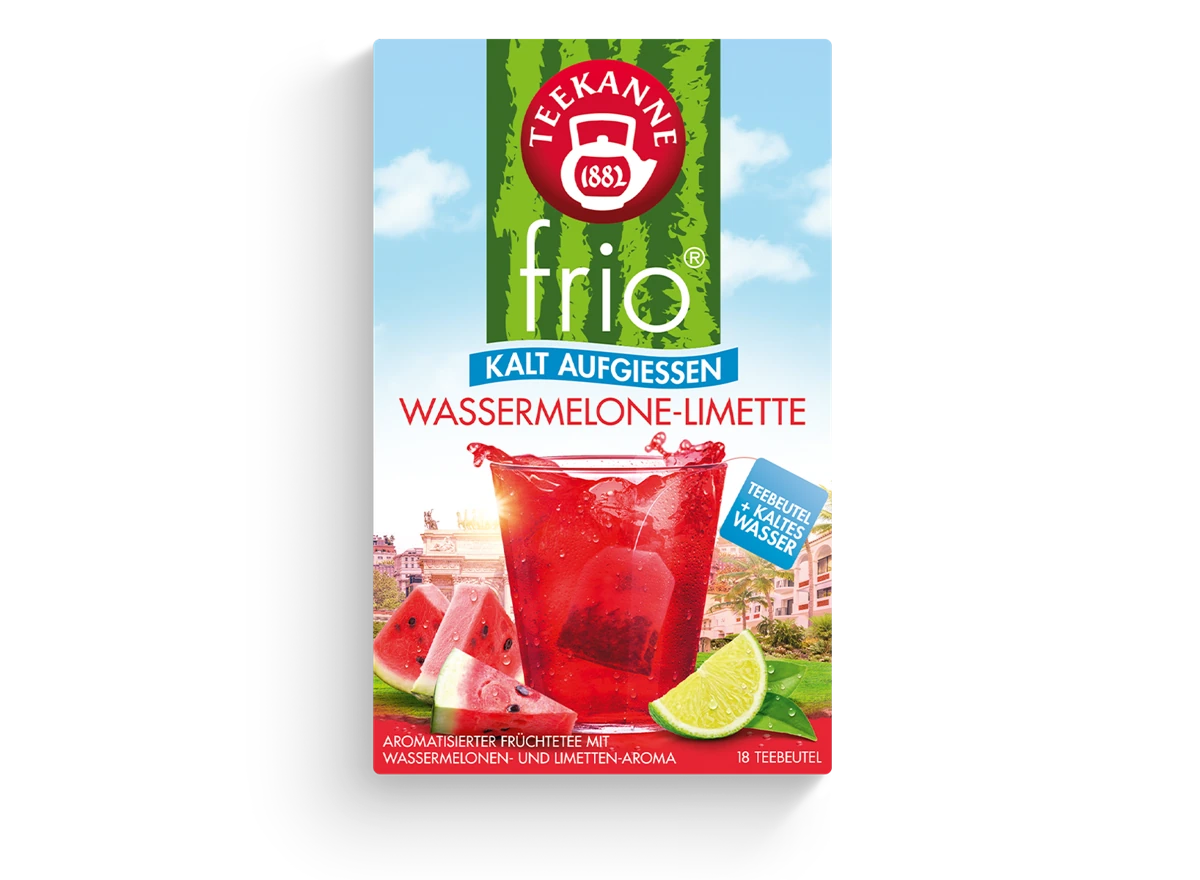
TEEKANNE frio Wassermelone-Limette
A cold infusion instead of an instant powderFor anyone who prefers to flavour water with an infusion bag and can allow a few minutes for it to steep.
View on AmazonLow-calorie water flavourings can help you replace sugary soft drinks with a drink that provides considerably less energy. What matters is the ingredient list and the amount used in the finished drink. This guide compares ten specific options and explains when a powder, concentrate, cube or cold infusion makes sense.
For adults who want more variety in their everyday drinks, with clear nutrition figures, real product photographs and advice that makes no weight-loss promises.
Advertising / affiliate links: As an Amazon Associate, FitRecover earns from qualifying purchases. This adds no extra cost for you. Product links lead to Amazon.de.
For anyone who prefers to flavour water with an infusion bag and can allow a few minutes for it to steep.
View on Amazon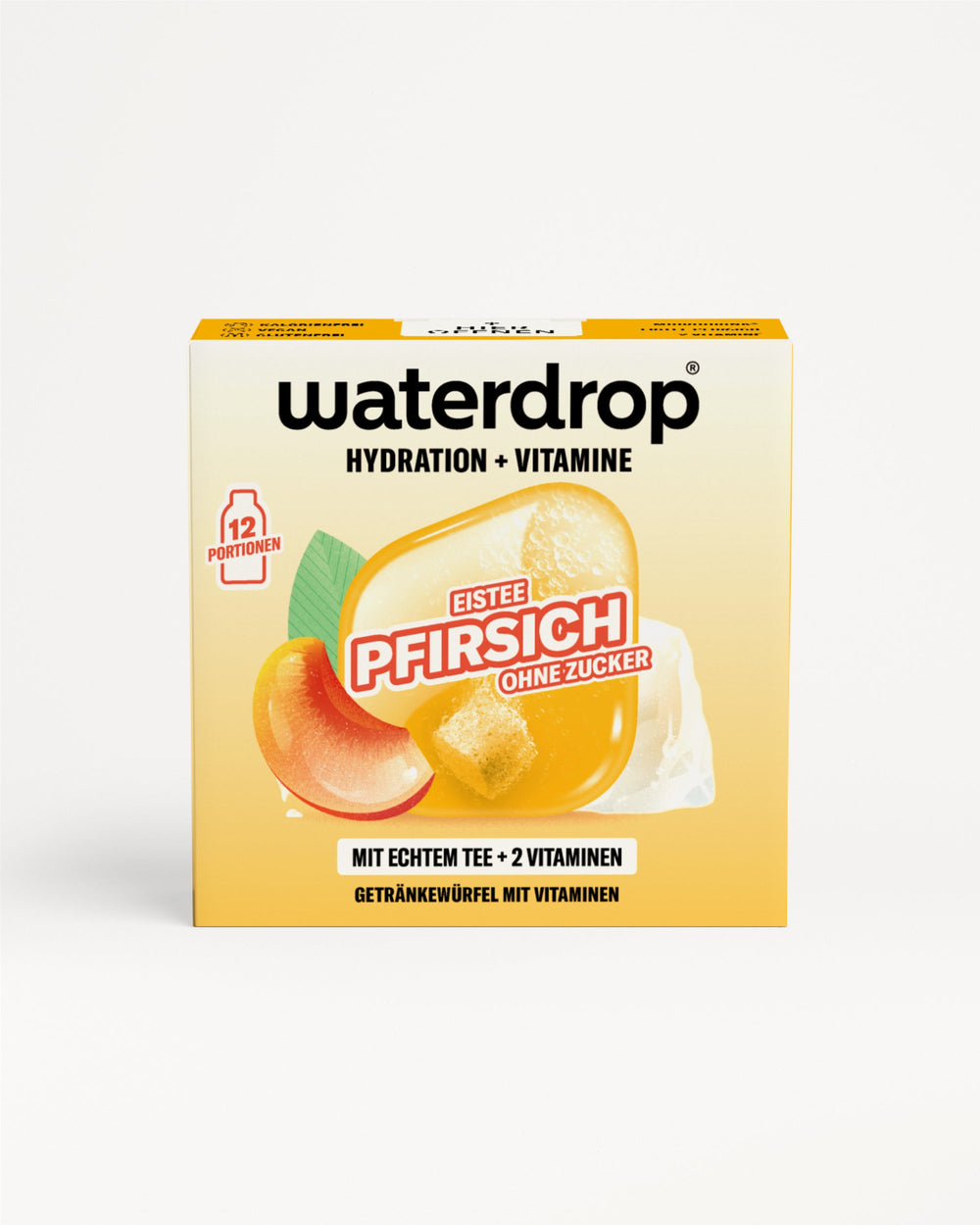
A drink cube suits a regular routine and a bottle that holds the recommended amount of water.
View on Amazon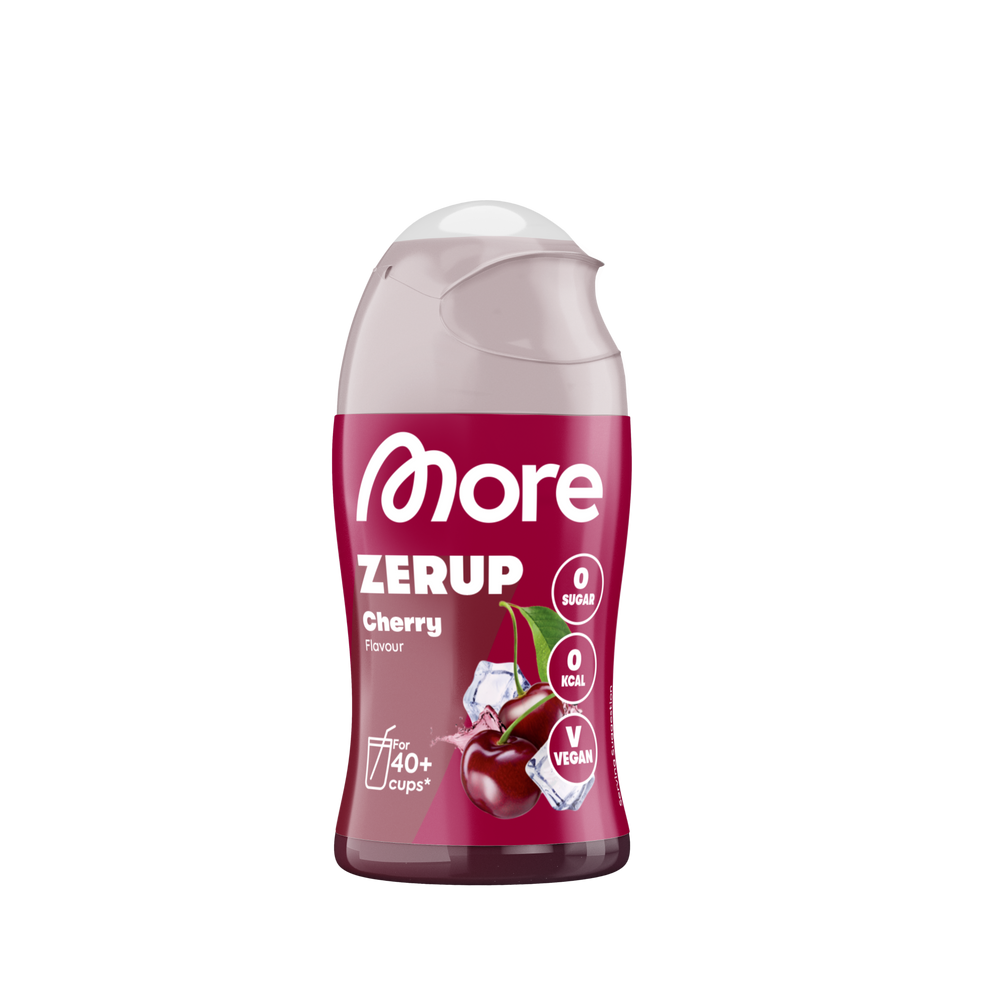
A small bottle takes up little space; use the recommended dose to control the concentration.
View on AmazonThe order reflects an editorial selection for everyday use. It is neither a sales ranking nor the result of our own taste test. Cold-infusion teas are included as clearly identified alternatives to instant flavourings and syrups.
The comparison serving is 500 ml. Calculated values use the manufacturer's preparation instructions stated for each product; rounded label figures do not provide laboratory precision. A portioned cube contains the same total energy even when you dissolve it in more water.
For some linked multipacks, the photograph shows one individual pack or bottle from the set. The total quantity in the linked offer is stated beside each product.
On small screens, swipe the table sideways. Tap a product name to jump to its detailed review.
| Rank | Product / variant | Key advantage | Main compromise | kcal / 500 ml | Product link |
|---|---|---|---|---|---|
| 10 | TEEKANNE frio Wassermelone-Limette10 × 45 g (18 bags each) | Fruit infusion without black tea | Steeping time; large ten-box multipack | ≈ 10 | View on Amazon |
| 9 | 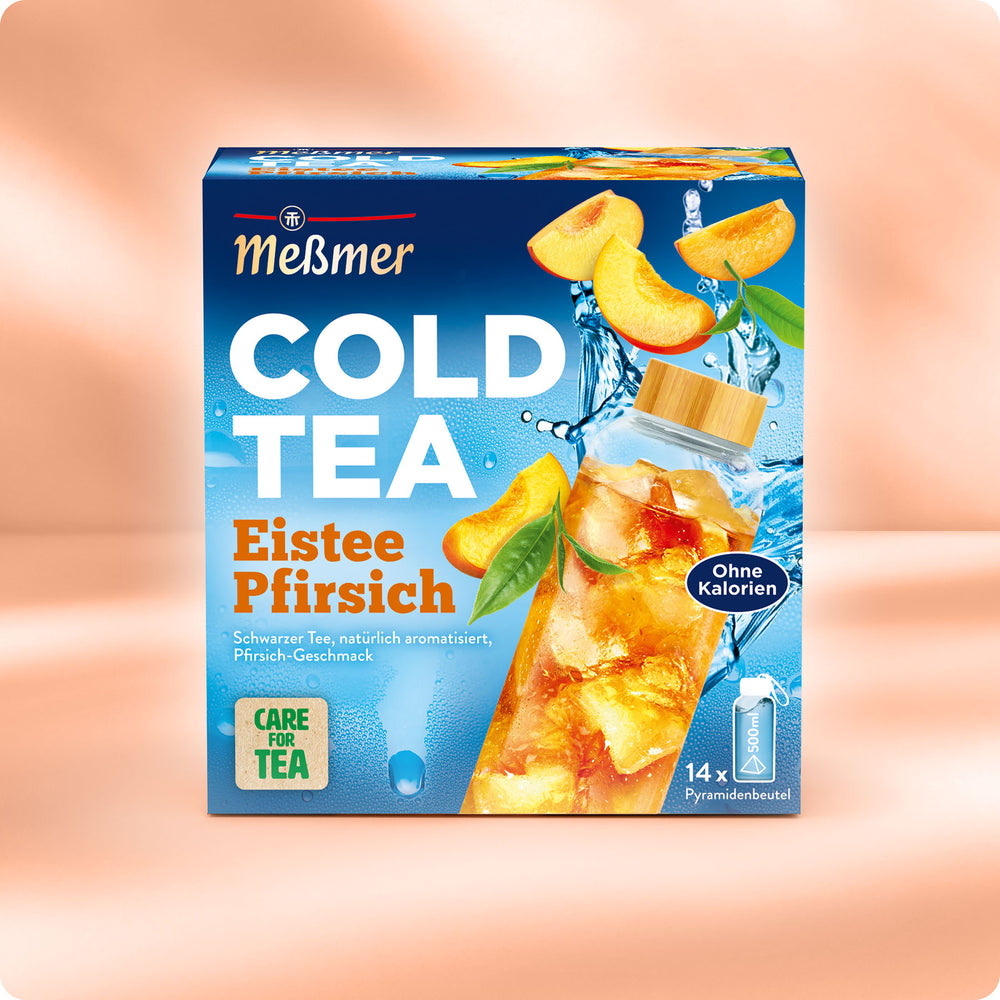 Meßmer Cold Tea Eistee Pfirsich14 × 2.75 g (38.5 g) | One tea bag for 500 ml of water | Black tea; at least eight minutes to steep | ≈ 5 | View on Amazon |
| 8 | 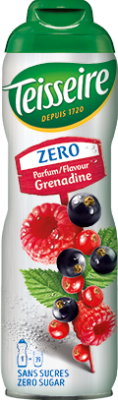 Teisseire Zero Grenadine600 ml | Grenadine as an alternative to citrus or tea | 600 ml bottle; one part syrup plus 12 parts water | ≈ 4.2 | View on Amazon |
| 7 | 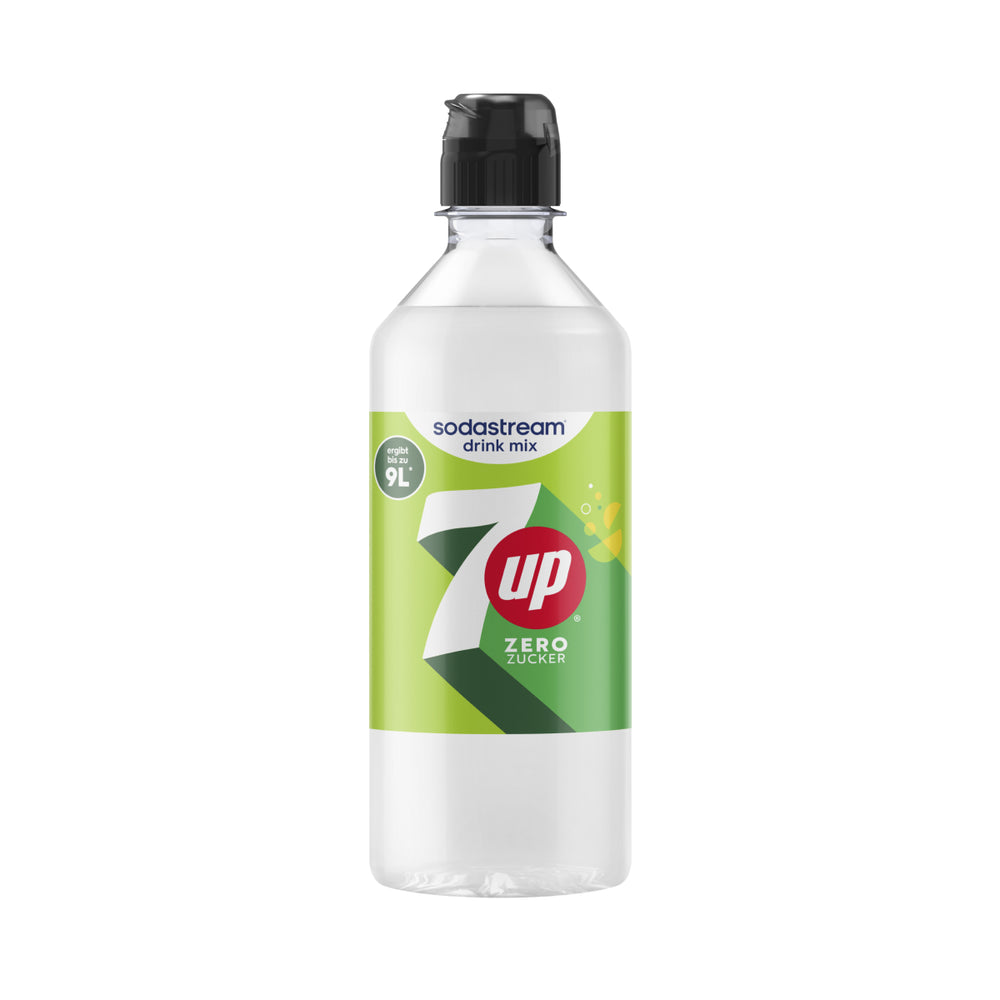 SodaStream 7UP Zero Zucker4 × 440 ml | 0.6 kcal per 100 ml at a 1 + 19 dilution | Four bottles; sweeteners and acid | ≈ 3 | View on Amazon |
| 6 | 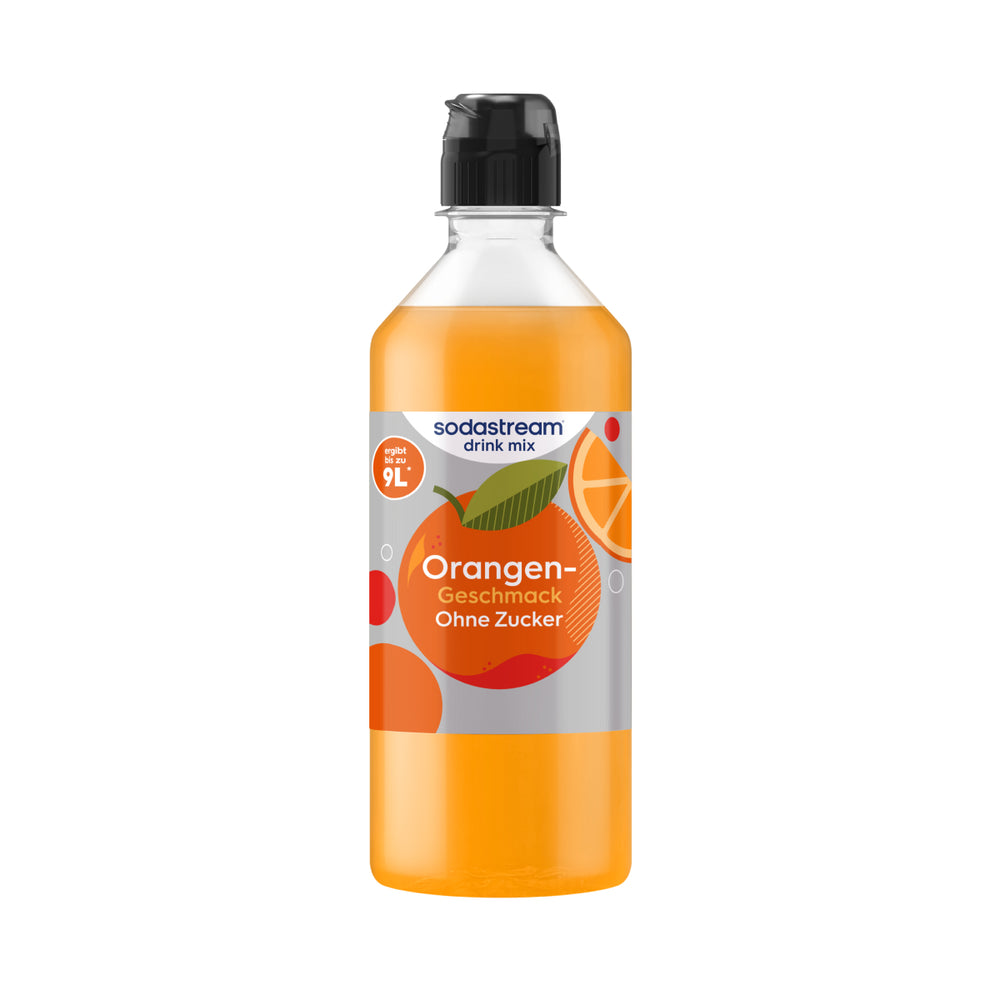 SodaStream Orange ohne Zucker4 × 440 ml | An orange option for sparkling water | Different sweetener blend from 7UP Zero | ≈ 5 | View on Amazon |
| 5 | 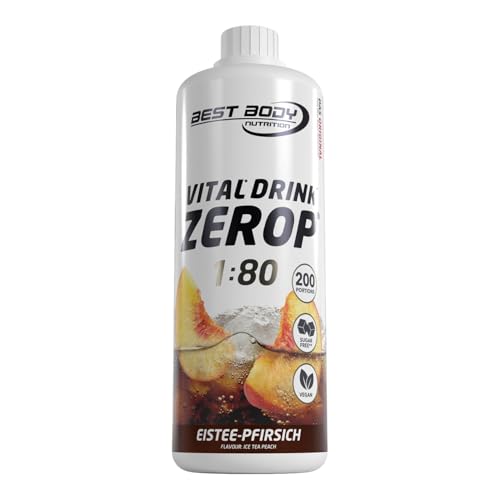 Best Body Nutrition Vital Drink ZEROP Eistee-Pfirsich1 l | One-litre concentrate; small measured dose | Measure 5 ml accurately; bulky bottle | ≈ 1.9 | View on Amazon |
| 4 | waterdrop Eistee Pfirsich36 Drops (3 × 12) | One cube; no measuring required | Black-tea extract; individually wrapped | ≈ 5 | View on Amazon |
| 3 | 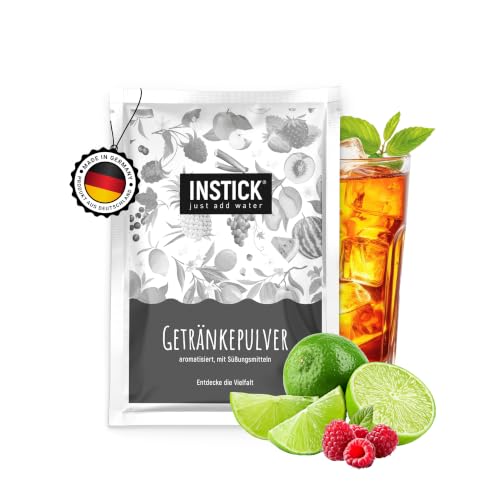 INSTICK Eistee Himbeere & Limette XL90 g XL | A 90 g pouch for flexible portions | Needs weighing; black-tea extract | ≈ 10 | View on Amazon |
| 2 | 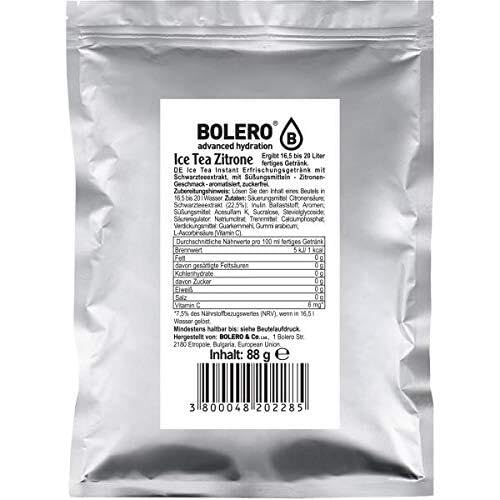 Bolero Eistee Zitrone88 g | Compact multiple-serving pouch | Check the recipe and dilution on the pack | ≈ 5 | View on Amazon |
| 1 | More Zerup Cherry65 ml | A 65 ml bottle; mixes immediately | Precise measuring; check the recipe version | ≈ 10 | View on Amazon |
A product can provide very little energy compared with a conventional soft drink without containing literally no calories. The EU sets specific limits for nutrition claims. For powders and syrups, these apply to the ready-to-drink mixture prepared according to the manufacturer's instructions. The nutrition table for the dry powder alone therefore tells you little about how many calories will end up in your bottle. [1]
The claim ‘sugar free’ also describes only the sugar content. Other ingredients can still provide energy. The most useful first question is how much product the pack says to use with your chosen amount of water, and how much energy that portion contains. Looking at the prepared portion makes it easier to compare very different formats fairly.
Water does not need flavouring. Unsweetened tea offers another simple way to vary the taste. A cold infusion can be a suitable alternative if you are happy to allow time for steeping and do not need an instantly soluble drink with the character of a soft drink. [6]
| Claim | Limit for drinks | What it means |
|---|---|---|
| Low energy / low calorie | No more than 20 kcal per 100 ml | A 500 ml serving can still contain up to 100 kcal. |
| Energy free / calorie free | No more than 4 kcal per 100 ml | The claim does not necessarily mean exactly zero. |
| Sugar free | No more than 0.5 g of sugars per 100 ml | Sugar content alone does not tell you the total energy content. |
Best suited to: A cold infusion with fruit and herbal ingredients if you prefer to avoid black tea.
Pack size: 10 × 45 g (18 bags each)
TEEKANNE frio Wassermelone-Limette is the fruit-based cold infusion in this selection. Its ingredients include hibiscus, rosehips, apples and sweet leaves. Unlike Meßmer Cold Tea Pfirsich, it is not based on black tea. The manufacturer declares 2 kcal per 100 ml when one bag is used with 200 ml of water.
For this comparison, you can prepare one litre with five bags and pour out a 500 ml serving, which contains approximately 10 kcal. Using one bag in 500 ml would produce a different concentration. The Amazon link leads to ten boxes, each containing 18 bags. If you have not yet tried the flavour, such a large supply is a significant drawback. The manufacturer does not recommend this product for babies or young children.
The comparison uses the declared value for one bag per 200 ml. In practice, prepare one litre with five bags and pour out a 500 ml serving.
View on AmazonDry drink powder saves weight and can be stored in a multiple-serving pouch. With larger packs such as the Bolero and INSTICK products compared here, you need to measure the required amount yourself. A suitable scale is more accurate than a heaped household spoon. A concentrate also allows flexible portions but needs careful measuring. In either case, match the stated dose to the amount of water in your bottle.
Drink cubes offer a different advantage: one cube is a clearly defined portion. You do not need to count drops or weigh powder. Allow time for it to dissolve, however, and bear in mind that preparing half a portion is usually less convenient than with a liquid concentrate. Larger syrup bottles are more at home in a kitchen than in a running vest.
A cold infusion works differently from an instant drink: the bag releases flavour into the water and is then removed. Steeping time and storage instructions are part of its preparation. If the blend contains black or green tea, it is not automatically caffeine free, regardless of a fruity flavour name.
| Format | Practical advantage | Check before buying |
|---|---|---|
| Powder in a multiple-serving pouch | Lightweight; flexible portions | Dose in grams, accurate measuring and dry, sealed storage |
| Concentrate / syrup | Flexible portion size | Dilution, measuring aid and storage |
| Drink cube | One piece per preparation | Dissolving time and suitable bottle capacity |
| Cold infusion | Tea flavour without an instant powder | Steeping time, ingredients and possible caffeine from tea |
Best suited to: An individually portioned peach cold infusion for a 500 ml bottle.
Pack size: 14 × 2.75 g (38.5 g)
Meßmer Cold Tea Eistee Pfirsich contains 77% black tea, alongside natural flavouring, sweet herb and other ingredients. Compared with TEEKANNE, its bottle-sized portion is particularly straightforward: one bag is intended for 500 ml of cold still water. Allow at least eight minutes for it to steep.
The declared energy of 1 kcal per 100 ml gives approximately 5 kcal per bottle. The manufacturer recommends drinking it within four hours. That suits a freshly prepared bottle at work; it fits less well with preparing a drink the evening before. If you want to avoid caffeine, choose another option because this one contains black tea.
The manufacturer's figure of 1 kcal per 100 ml is rounded, giving approximately 5 kcal per 500 ml. This does not establish an exact measured caffeine quantity.
View on AmazonAlways compare the same amount of finished drink. If a pack states 2 kcal per 100 ml, a 500 ml serving works out at approximately 10 kcal. If another product gives the energy for one cube dissolved in 500 ml of water, that serving figure is the more useful starting point. Values per 100 g of powder, per bottle of concentrate and per prepared glass do not belong in the same comparison column.
Here is an illustrative calculation that does not refer to a particular branded product: a powder contains 200 kcal per 100 g. Using 3 g in 500 ml of water gives a serving with 6 kcal. The large number on the powder pack can therefore look more significant than the amount you actually use. Conversely, several generous squeezes can quickly turn a carefully measured serving into a more concentrated mixture.
With syrup, pay attention to how the mixing ratio is written. ‘One part syrup plus 19 parts water’ gives 20 parts of finished drink. For 500 ml, that means 25 ml of syrup and 475 ml of water. Manufacturers do not all use the same ratio or notation, so the instructions for the specific product take precedence over this general example. The advertised yield also applies only at the stated dilution.
Best suited to: A red-fruit syrup for still or sparkling water at home.
Pack size: 600 ml
Teisseire Zero Grenadine combines 12% fruit juices from concentrate with ingredients including sucralose and acesulfame K. It is a flavoured syrup; the fruit juices do not turn it into a serving of fruit or an unsweetened juice. It is nevertheless a reasonable option if you want a different flavour category from the many tea and citrus products.
At one part syrup plus 12 parts water, the declared 11 kcal per 100 ml of concentrate works out at around 4.2 kcal per 500 ml of prepared drink. That serving uses approximately 38.5 ml of syrup and 461.5 ml of water. The 600 ml bottle is practical at home but considerably larger than More Zerup. That difference will matter more if you want to carry as little concentrate as possible.
Our calculation uses 11 kcal per 100 ml of concentrate and a 1 + 12 dilution. Rounding only at the end gives approximately 0.8 kcal per 100 ml or 4.2 kcal per 500 ml.
View on AmazonStart with the instructions on the pack you have actually bought. Add the recommended amount of water, then measure the product using the supplied cap, a suitable measuring spoon or the exact stated portion. An arbitrary generous squeeze is not a repeatable unit of measurement. With a highly concentrated product, even a small extra amount can noticeably change the mixing ratio.
If the flavour is too intense, add more water. This makes the portion less concentrated, but it does not remove calories you have already added. For example, dissolving the same cube in 600 ml instead of 400 ml reduces the energy per 100 ml, while the whole bottle still contains the energy supplied by that cube.
Follow the appliance instructions when using a sparkling-water maker. Most machines are designed to carbonate water, with the flavouring added carefully afterwards unless the manufacturer specifies otherwise. You do not need a sparkling-water maker for a zero-sugar syrup if its instructions also allow simple mixing. Getting the dilution right matters more than the accessory you use.
Best suited to: A lemon-and-lime soft-drink style, particularly with sparkling water.
Pack size: 4 × 440 ml
SodaStream 7UP Zero Zucker is an option if you want a lemon-and-lime soft-drink style. At one part syrup plus 19 parts water, the manufacturer declares 0.6 kcal per 100 ml of prepared drink. A 500 ml serving therefore contains approximately 3 kcal and uses a calculated 25 ml of syrup with 475 ml of water.
Compared with Orange ohne Zucker from the same range, both the flavour and the combination of sweeteners differ. This recipe contains sucralose and acesulfame K. When using a conventional sparkling-water maker, add the syrup after carbonation and follow the appliance instructions. If you do not generally enjoy a pronounced soft-drink character, a cold infusion may suit your preferences better.
Calculated at approximately 3 kcal per 500 ml using the declared 0.6 kcal per 100 ml of prepared drink. The linked offer contains 4 × 440 ml.
View on AmazonSucralose, acesulfame K and steviol glycosides are high-intensity sweeteners. Small quantities make a drink taste sweet without adding the amount of sugar found in a conventional soft drink. The particular sweeteners used depend on the exact flavour. ‘With stevia’ does not automatically mean that stevia is the only sweetener or that the product will be better tolerated.
In 2026, EFSA confirmed the safety of sucralose for its currently authorised uses and maintained its acceptable daily intake. Acesulfame K was also reassessed in 2025. These assessments concern safety under the relevant conditions of use; they are not a recommendation to consume as much as possible. [3][4]
The WHO, meanwhile, advises against using non-sugar sweeteners as a long-term weight-control strategy. This is a conditional recommendation and addresses a different question from a toxicological safety assessment. It does not demonstrate that one zero-sugar drink causes illness. In everyday terms, a lower-calorie replacement can be useful, while your overall diet and drinking habits remain central. [2]
The order of the ingredients does not let you calculate how many milligrams of a sweetener a portion contains. Without that quantity, a brand-specific claim such as ‘up to five bottles a day is safe’ would be unjustified. Use the products according to the manufacturer's instructions and continue to include plain drinks in your routine.
Best suited to: An orange soft-drink style as a lower-calorie replacement for a sugary drink.
Pack size: 4 × 440 ml
SodaStream Orange ohne Zucker serves a different flavour preference from 7UP, while following a similar nutritional approach. At the intended dilution, the manufacturer declares around 1 kcal per 100 ml. That gives approximately 5 kcal for our 500 ml comparison serving.
The relevant distinction is in the ingredients: this variety uses acesulfame K, sodium cyclamate and sodium saccharin. If you want to avoid a particular sweetener combination, you therefore cannot assume that all SodaStream varieties use the same one. Its position above 7UP is an editorial choice to include another practical flavour option, not evidence of better tolerance or a better taste.
The manufacturer's figures are rounded. The 500 ml value is calculated from the 100 ml declaration; separately rounded values for a glass may differ slightly.
View on AmazonSugar free does not automatically mean gentle on teeth. Citric acid, malic acid and other acids can also be present in zero-sugar products. Frequent exposure to acid can contribute to damage to hard dental tissue. Continually sipping an acidic drink over several hours is therefore different from drinking it during a limited period; water is a simple alternative in between. A product's pH cannot be determined from its ingredient list alone. [5]
Sugar alcohols such as sorbitol or erythritol are a different group of substances from high-intensity sweeteners. Larger amounts of certain polyols can cause digestive discomfort. This does not automatically apply to every low-calorie flavouring. Check the actual ingredients and any warning statements instead of treating all zero-sugar drinks alike. [8][10]
Aspartame or another source of phenylalanine is particularly relevant for people with phenylketonuria; general advice about sweeteners does not replace their specific dietary plan. Tea, cola and energy flavours also warrant a check for caffeine. The absence of a quantity in milligrams must not be interpreted as ‘caffeine free’. If you want to avoid caffeine, choose a variant explicitly suitable for that purpose. [9][11]
Best suited to: Regular preparation at home with a large bottle of highly concentrated syrup.
Pack size: 1 l
Best Body Nutrition Vital Drink ZEROP Eistee-Pfirsich is the large concentrate in this selection. The instructions specify 5 ml of syrup plus 400 ml of water, giving a calculated 405 ml of finished mixture. Using the declared 31 kcal per 100 ml of concentrate, this dilution provides approximately 1.9 kcal per 500 ml.
Compared with More Zerup, the bottle is larger and better suited to a permanent drink-preparation spot. It is less convenient to carry in your bag. The iced-tea name alone does not establish a black-tea content: the ingredient list used here contains no tea extract. We do not interpret this as analytically confirmed absence of caffeine. If an intolerance means you need to choose very carefully, always use the current ingredient list on the pack.
Our calculation uses 31 kcal per 100 ml of concentrate and a 1 + 80 dilution: approximately 0.4 kcal per 100 ml and 1.9 kcal per 500 ml. Full values are retained until the final rounding.
View on AmazonA drink cube with vitamins may primarily be a convenient portion of flavouring. The number of added vitamins does not determine whether you need the drink. Compare the portion, ingredients, energy and practical suitability first. An attractive fruit picture tells you neither the fruit content nor the sugar content.
Flavourings, fruit powders, extracts and juice concentrates have different roles. A fruity-tasting mixture need not be a fruit juice, and a small fruit content does not automatically make it nutritionally superior. Read the ingredients for the exact flavour and avoid equating the advertised fruit with a serving of whole fruit.
If you already use several fortified drinks or supplements, your total intake of the relevant nutrients matters. In a comparison of flavourings, we therefore do not automatically award a higher ranking for added vitamins. A useful personal benefit may be much more straightforward: a fixed portion lets you prepare a drink without handling a sticky measuring cap.
Best suited to: A fixed portion for a bottle holding 400–600 ml.
Pack size: 36 Drops (3 × 12)
waterdrop Eistee Pfirsich may appeal if you prefer a clearly defined portion. Dissolve one Drop in 400–600 ml of cold water. We use 500 ml for the comparison; the current manufacturer page states 5 kcal for that serving. Dissolving the same Drop in more water does not change its total energy.
The black-tea extract distinguishes this variety from a simple fruit flavouring, so it should not be described as caffeine free. Added vitamins do not change the product's main purpose: it is a convenient portion of flavouring. Compared with loose INSTICK powder, it removes the need to weigh a dose, but ties you more closely to whole cubes. The linked pack contains 36 Drops, comprising three boxes of 12.
Current manufacturer figure: 5 kcal for one Drop in 500 ml. The specific recipe may differ from older packs.
View on AmazonThey can reduce the energy you consume from drinks if they replace a higher-calorie alternative. Take this explicitly hypothetical example: 500 ml of a soft drink containing 42 kcal per 100 ml provides 210 kcal. The same volume of a drink with 2 kcal per 100 ml provides 10 kcal. The substitution reduces the energy in that drink by a calculated 200 kcal.
This calculation is not a prediction of weight change. Whether and how your body weight changes depends, among other things, on what else you eat and drink and whether you replace the energy elsewhere. Adding a flavouring to your existing diet does not have the same effect as replacing a sugary soft drink. This is why a long-term approach to eating matters more than the word ‘zero’. [2]
If you already drink mostly water, a sweetened drink does not offer an essential health benefit. If you find it difficult to move away from heavily sweetened drinks, however, a clearly measured alternative may be practical. You can also gradually choose a less intensely sweet taste. The aim is a routine you are happy to maintain.
| Illustrative 500 ml serving | Energy per 100 ml | Energy in the serving |
|---|---|---|
| Hypothetical soft drink | 42 kcal | 210 kcal |
| Hypothetical low-calorie drink | 2 kcal | 10 kcal |
| Difference when substituted | — | 200 kcal less; no guarantee of weight loss |
Best suited to: Instant iced-tea powder measured to suit your needs from a multiple-serving pouch.
Pack size: 90 g XL
The INSTICK Eistee Himbeere & Limette XL selected here is specifically the 90 g multiple-serving pouch. The manufacturer's nutrition reference is 90 g of powder plus 18 litres of water. This works out at 2.5 g of powder per 500 ml of water. The label declares 2 kcal per 100 ml, or approximately 10 kcal for the comparison bottle.
The ingredients include 25% black-tea extract, maltodextrin, sucralose and acesulfame K. Sugar free therefore does not mean that every ingredient is natural or that the drink contains no caffeine. Compared with a waterdrop cube, you gain flexibility in the amount used but need to measure it yourself. Compared with Bolero Eistee Zitrone, raspberry and lime primarily offers a different flavour direction; we cannot claim a personal taste advantage without carrying out a tasting.
Nutrition reference: 90 g of powder + 18 litres of water. The 2.5 g per 500 ml dose is calculated from that ratio. Further dilution changes the values per 100 ml.
View on AmazonA water flavouring primarily adds taste. It does not automatically provide meaningful amounts of sodium or carbohydrate. You do not need a special flavouring for a short, easy session; water may be entirely sufficient. Whether you prefer it plain or flavoured is mainly a practical choice.
During prolonged, strenuous endurance exercise, a planned approach to fluids, carbohydrate and sodium may be needed. An almost energy-free powder does not, on its own, perform the role of a carbohydrate-containing sports drink. The German Nutrition Society specifically highlights the importance of drink composition during longer exercise. The word ‘fitness’ or a vitamin complex on the pack does not replace that planning. [7]
If you already obtain energy from food or gels, plan the remaining fluid and electrolyte intake separately. This comparison of water flavourings does not assess medical rehydration solutions or complete race-fuelling strategies. You can find more on the distinction in the FitRecover electrolyte-drinks guide linked below.
Best suited to: Instant lemon iced-tea powder, measured flexibly from an 88 g pouch.
Pack size: 88 g
Bolero Eistee Zitrone is not simply a lemon soft drink. The recipe used here contains 22.5% black-tea extract, inulin and a blend of acesulfame K, sucralose and steviol glycosides. The official regional representative's product information declares 1 kcal per 100 ml of prepared drink, giving approximately 5 kcal per 500 ml.
Bolero's stated yield can differ with the pack and recipe version. Measure the portion according to your specific pack instructions and do not transfer these figures to other flavours. For a repeatable everyday comparison, a fixed, measured dose is more useful than varying spoonfuls. If you want to avoid caffeine or do not tolerate inulin well, either is a relevant reason to choose another product.
Comparison value from the official regional Bolero representative's nutrition declaration for Eistee Zitrone 88 g. The particular pack instructions determine dilution; do not apply the value to other recipes.
View on AmazonStart with where and how you will use it: a drink at your desk, a bottle to take out or a jug at home. Then choose the format. A clearly portioned cube is convenient for one suitably sized bottle. A larger syrup bottle may make more sense for several people. A small concentrate is especially useful when space is limited and you can measure carefully.
Begin with a manageable quantity of one flavour. Sweetness, acidity and aftertaste are personal, and an ingredient list cannot tell you which flavour you will prefer. To assess value, consider the cost per litre you actually prepare at your usual concentration. Divide the pack price by the volume of drink it makes. Prices change, so this guide does not publish fixed prices.
Use a clean bottle, follow the storage instructions and prepare drinks as fresh as practical. With cold infusions, the steeping instructions and advice on prompt consumption are particularly relevant. Store opened concentrates as directed on the label and keep powders dry. This prevents more frustration than buying a large supply of a flavour you have not yet tried.
The best choice is the one that makes your drinking routine easier. If you enjoy water and unsweetened tea, you do not need to buy anything extra. If you want to replace sugary soft drinks, a clearly measured serving, little energy in the prepared drink and a flavour you enjoy are more useful criteria than ambitious promises. [6]
Best suited to: A very compact liquid concentrate for everyday use and carrying with you.
Pack size: 65 ml
More Zerup Cherry takes first place in this everyday-use selection because of its compact format and immediate preparation. This does not mean it is the healthiest or best-tasting option. The current manufacturer recipe recommends one part syrup plus 154 parts water, giving 1.6 ml plus 248.4 ml of water as a specific example serving.
The published nutrition table states 2 kcal per 100 ml of prepared drink, equivalent to approximately 10 kcal per 500 ml. Despite the zero branding, this is not literally zero energy. Glycerin is one of the ingredients and can contribute energy. Compared with Best Body, the 65 ml bottle is much easier to store in a bag; compared with waterdrop, it requires more attention to accurate measuring. If you do not want to measure tiny quantities, a portioned cube may suit you better.
Values use the current manufacturer's Cherry recipe. Older packs with a different stated yield should be prepared and assessed using their own instructions and nutrition figures.
View on AmazonA portioned cube such as waterdrop is convenient if the recommended amount of water suits your bottle.
More Zerup fits in a small bag. Follow the dilution instructions on the particular pack.
Bolero and INSTICK offer powder in multiple-serving pouches. You can measure suitable portions for smaller bottles, but need accurate measuring and dry storage.
Zero-sugar syrups from SodaStream or Teisseire use a familiar mixing method. Check the sweeteners and dilution for the exact flavour.
Teekanne frio and Meßmer Cold Tea need time to steep. The Meßmer peach variety compared here contains black tea.
Tap water and unsweetened tea provide a simple foundation. A flavouring is optional, not an essential part of a healthy diet.
No. For drinks, sugar free means no more than 0.5 g of sugars per 100 ml. Energy free permits up to 4 kcal per 100 ml. Other ingredients can also supply energy, so check the prepared serving. [1]
Not inherently. A concentrate allows flexible measuring, while powder is often light to carry. The right amount of water, the ingredients and ease of use matter more than whether the product is liquid or solid.
The term alone does not establish that. A product may combine steviol glycosides with other sweeteners. Its overall composition, preparation and your individual tolerance are more informative than one highlighted ingredient.
There is no single appropriate number of bottles for every product. Follow the pack instructions and account for caffeine, acids and other fortified products you use. Water and unsweetened tea are suitable everyday foundations; continually sipping acidic drinks is unhelpful for teeth. [5][6]
Flavours, recipe versions and country-specific formulations may differ. Use the ingredients and preparation instructions on the pack you actually bought. Values for another flavour or an older product photograph are not a reliable substitute.
With a highly concentrated powder, a suitable measuring method is more repeatable. A heaped teaspoon can hold quite different amounts depending on the powder. Use the dose in grams stated on the pack and a sufficiently accurate scale. Alternatively, prepare a correctly measured larger batch and divide the finished drink between bottles, following the storage instructions.
Not automatically. Black- and green-tea extracts can contribute caffeine. A fruity flavour name or the absence of a warning is not evidence that a product is caffeine free. Check the specific ingredient list and the manufacturer's information. [11]
Water should provide a simple foundation for children. This comparison is intended for adults and does not recommend sweetened drinks as a regular childhood habit. Caffeinated varieties are unsuitable as everyday thirst-quenchers for children. [6][11]
Only if its composition actually provides suitable amounts of electrolytes. A flavouring or added vitamins alone do not establish that. For prolonged endurance exercise, fluids, sodium and energy need to be considered together. [7]
Information checked on 14 November 2026. Expert sources support the nutrition guidance; the linked manufacturer pages describe the specific flavours compared. Values converted to 500 ml are our own calculations using declared figures. If a recipe changes, follow the information on the pack you actually buy.