 FITRECOVER
 DE
 EN
 FR
 ES
Advertising / affiliate links: As an Amazon Associate, FitRecover earns from qualifying purchases. Links marked * are affiliate links; your purchase price is unchanged. Offers, selected variants and availability can change.
Three recommendations
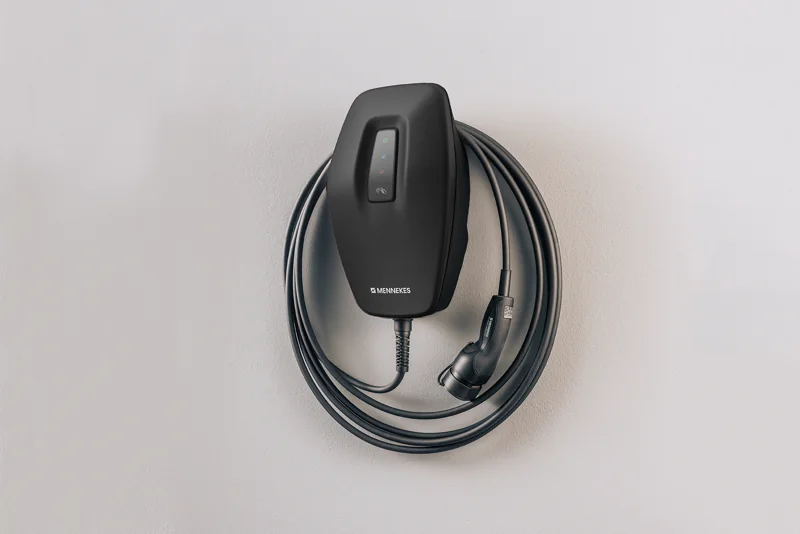
#1 · MENNEKES AMTRON 4You 410 · 11 kW
Automatic phase switching and energy-system interfaces
View on Amazon*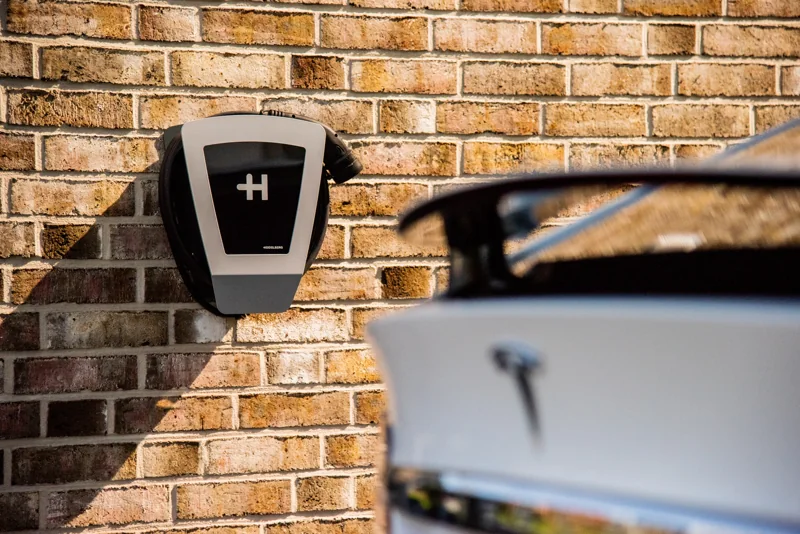
#10 · HEIDELBERG Home Eco · 11 kW
Simple charging without a user account
View on Amazon*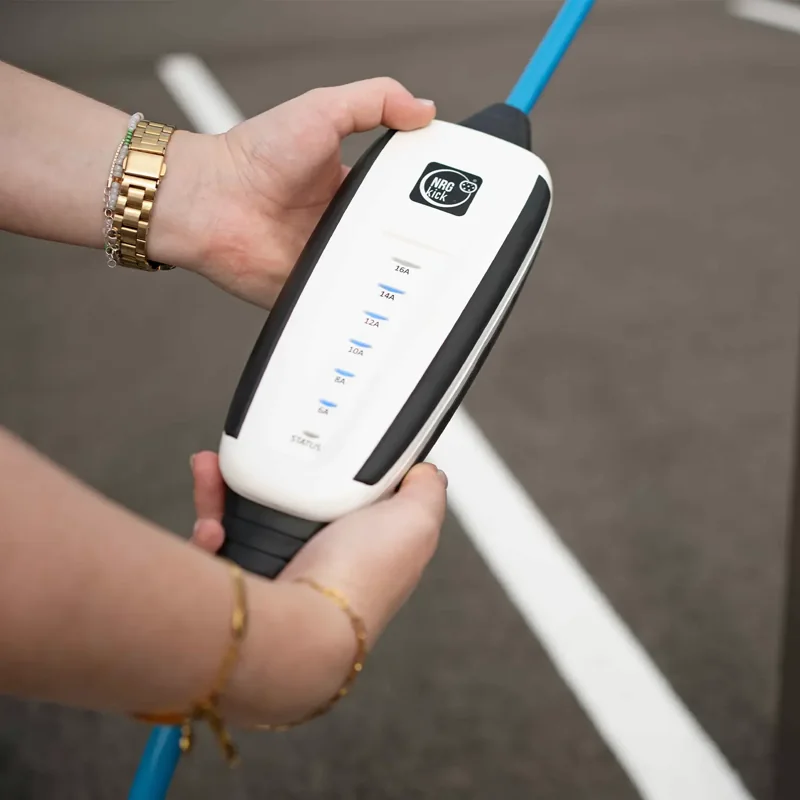
#7 · NRGkick 16A light · 5 m Pure
Portable hardware with an upgradeable feature set
View on Amazon*Top 10 at a glance
Amazon product pages were located during research on 25 October 2026. A listing is not a guarantee that the exact variant is in stock or deliverable to your postcode. Check the selected model, cable, accessories and purchase option on Amazon before ordering.
| # | Image | Product | Maximum AC power | Key advantage | Product link |
|---|---|---|---|---|---|
| 1 | | MENNEKES AMTRON 4You 410 · 11 kW | 11 kW · 3 × 16 A | Automatic phase switching and energy-system interfaces | Amazon* |
| 2 | 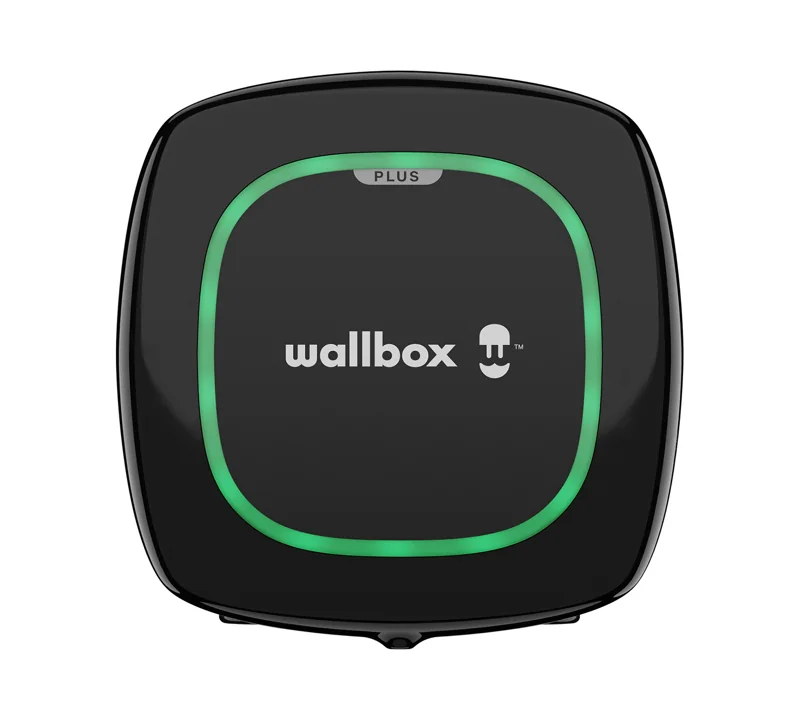 | Wallbox Pulsar Plus · 22 kW | Up to 22 kW · 3 × 32 A | Compact housing and convenient everyday cable | Amazon* |
| 3 | 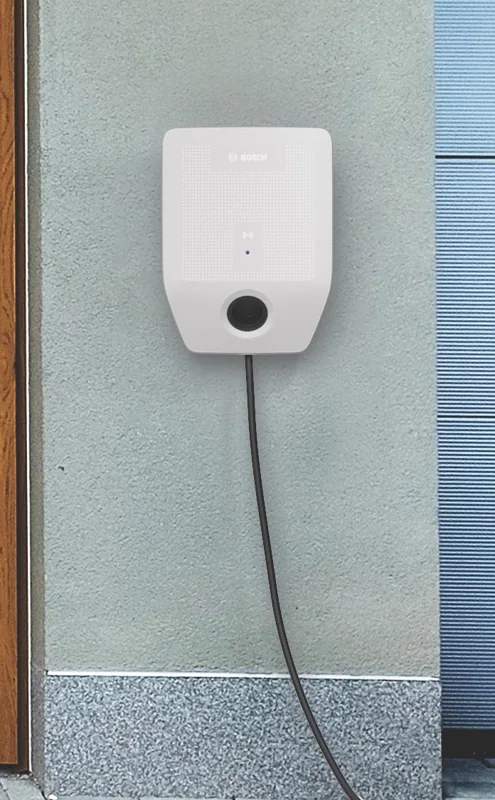 | Bosch Power Charge 7000i · 11 kW | 11 kW · 3 × 16 A | Wired networking for garages with weak Wi-Fi | Amazon* |
| 4 | 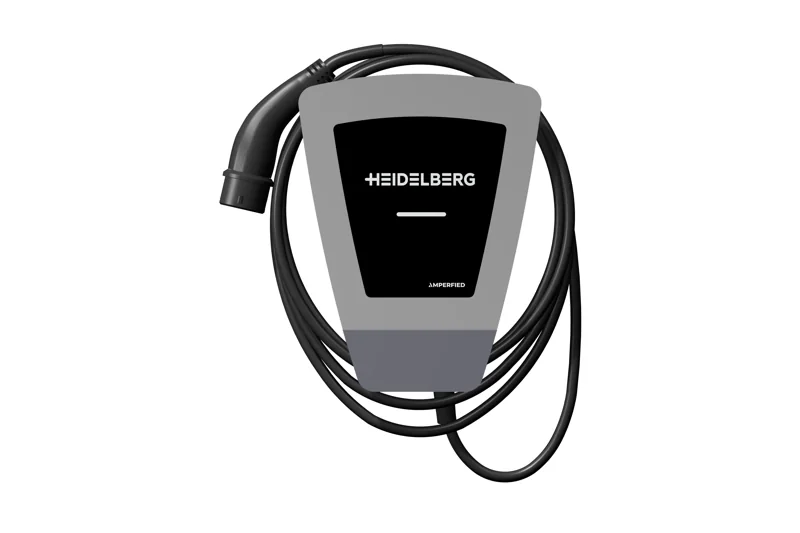 | HEIDELBERG Energy Control Plus · 11 kW | 11 kW · 3 × 16 A | Local control and a long cable without a cloud account | Amazon* |
| 5 | 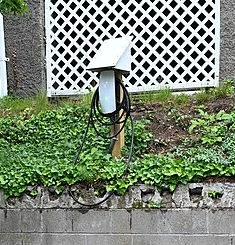 | Tesla Wall Connector Gen 3 · EU Type 2 | Up to 22 kW · 3 × 32 A | Long cable and support for Tesla and other Type 2 cars | Amazon* |
| 6 | 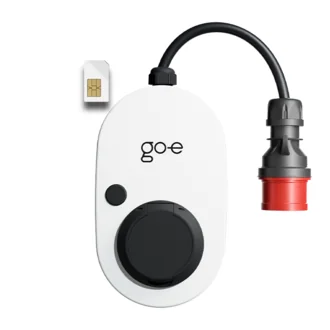 | go-e Charger Gemini flex 2.0 · 11 kW | 11 kW · 3 × 16 A | Broad integration options and portable CEE connection | Amazon* |
| 7 | | NRGkick 16A light · 5 m Pure | 11 kW · 3 × 16 A | Portable hardware with an upgradeable feature set | Amazon* |
| 8 | 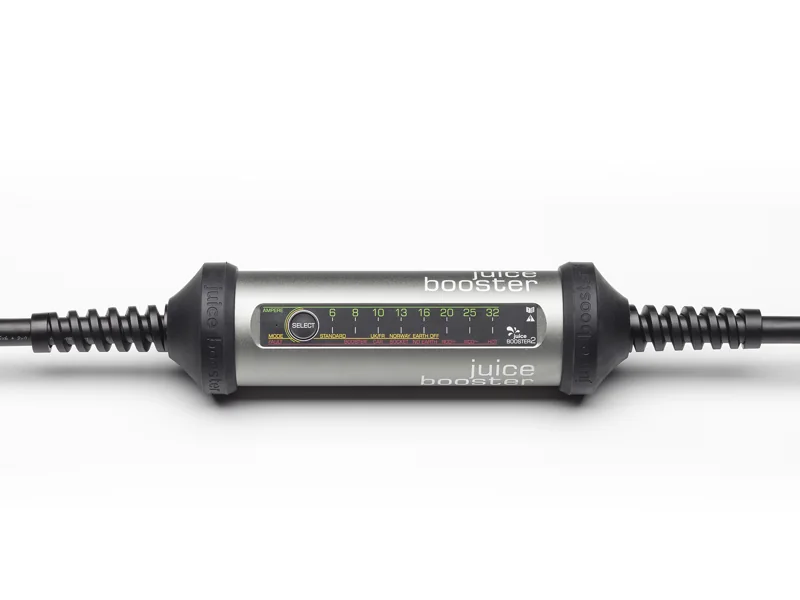 | JUICE BOOSTER 2 · Basic Set EU | Up to 22 kW · 6–32 A | Robust portable charging without cloud dependence | Amazon* |
| 9 | 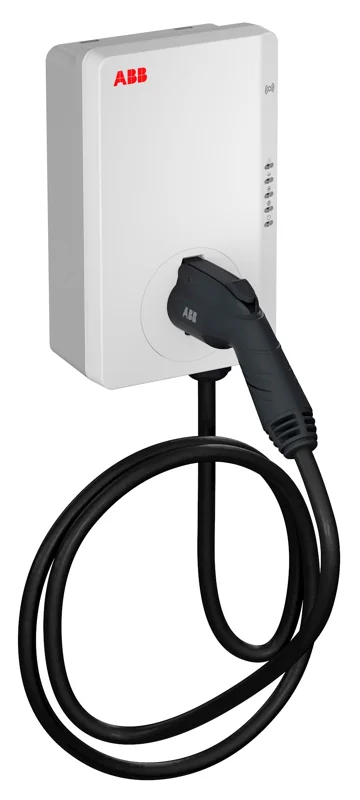 | ABB Terra AC TAC-W22-T-R-0 · 22 kW | Up to 22 kW · 3 × 32 A | Socket format and network interfaces for system integration | Amazon* |
| 10 | | HEIDELBERG Home Eco · 11 kW | 11 kW · 3 × 16 A | Simple charging without a user account | Amazon* |
What the ranking actually measures
This is a desk-researched editorial comparison, not a hands-on test, a safety certification or a measured charging-speed competition. Manufacturer documentation and installation information underpin the technical profiles; Amazon listings identify the linked variants. The order prioritises integration into a typical German home, everyday usability, clear expansion requirements and flexibility. The three category recommendations can be more useful than the overall position. The approaching 2027 interoperability requirements and documented intended use also influence the order; an announced update is distinguished from verified released functionality.
1. What does ‘fast charging at home’ really mean?
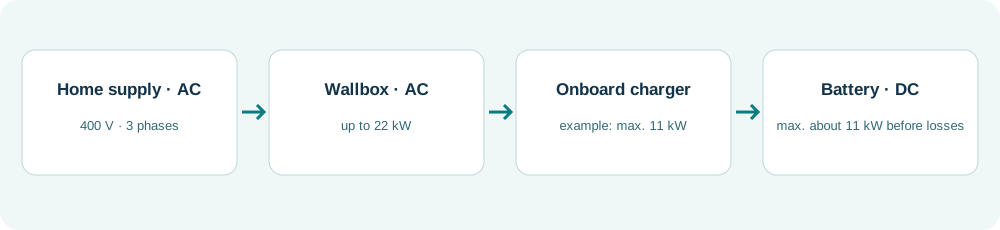
The battery stores direct current (DC), while the home supplies alternating current (AC). A conventional wallbox is primarily a controlled, protected AC supply: the car’s onboard charger converts AC into DC. At a public DC fast charger, that conversion happens outside the car. A Type 2 wallbox therefore cannot reproduce the 100–300 kW charging advertised for a car’s CCS connection. None of the ten devices below is a DC fast charger. [1]
The usable AC power is limited by the weakest element: the car’s onboard charger, the number of available phases, the wallbox setting, the cable and the approved installation. A car limited to 11 kW AC will normally still take at most 11 kW from a 22 kW wallbox. A plug-in hybrid may accept considerably less. Check the vehicle’s AC specification, not its maximum DC charging figure.
In a balanced three-phase supply, 400 V × √3 × 16 A is approximately 11 kW; at 32 A it is approximately 22 kW. These are nominal electrical values, not a promise of continuous battery input. Temperature, battery state, vehicle settings and load control can reduce actual charging power.
AMPErfied / HEIDELBERG
HEIDELBERG Home Eco · 11 kW
- Maximum AC power
- 11 kW · 3 × 16 A
- Selected variant
- Tethered Type 2 · 5 m
- Connectivity
- No app, Wi-Fi or integrated RFID; external enable input
The Home Eco is the simple-charging recommendation, despite its low position in a ranking that gives substantial weight to integration. Plugging in without an account or app can be an advantage, and its 11 kW output suits many overnight routines. The limits are equally clear: no built-in consumption app, RFID or fine-grained native solar-surplus management. Its external enable or blocking input is a switching interface, not a full energy management system. Current manufacturer information describes German §14a arrangements, but do not infer that it has the same continuously adjustable control behaviour as a newer connected charger. Have the exact new-installation control concept approved by the installer before ordering. For a household likely to add solar control or several chargers, the Energy Control Plus may justify its additional integration work better than starting again later.
- Simple routine without app, account or cloud dependence.
- Metal front and an indoor/outdoor installation format.
- 11 kW with integrated 6 mA DC fault detection.
- No built-in app, RFID reader or detailed consumption display.
- External on/off control is not smooth native solar-surplus management.
- German control integration must be agreed; future expansion is limited.
Best suited to: A household deliberately choosing a basic fixed charger and an agreed control concept.
↑ Back to rankingABB · © ABB, all rights reserved.
ABB Terra AC TAC-W22-T-R-0 · 22 kW
- Maximum AC power
- Up to 22 kW · 3 × 32 A
- Selected variant
- Type 2 socket; vehicle cable separate
- Connectivity
- RFID, Ethernet, Wi-Fi, Bluetooth, OCPP 1.6
The exact type code matters with ABB’s Terra AC range. TAC-W22-T-R-0 is a 22 kW socket and RFID configuration; it is not automatically a cellular or MID-meter variant. The separate vehicle cable can be chosen for the parking layout, but it adds to the total purchase and must support the intended current. Ethernet, Wi-Fi and OCPP provide integration options, not a guarantee that any solar system or German control arrangement will work out of the box. For this particular older model, obtain explicit current confirmation of firmware support and the installer’s §14a control path before ordering it for a new German home installation. Without that confirmation, it should remain a conditional candidate rather than a default recommendation. The 22 kW label offers no speed advantage to a car limited to 11 kW AC.
- Socket layout and RFID access can suit shared use.
- Ethernet and OCPP support planned system integration.
- 22 kW capability for a suitable approved installation and car.
- A separately rated vehicle cable is required.
- The exact linked variant does not include 4G or a MID meter.
- Current firmware and German network-control integration need confirmation.
Best suited to: A professionally planned networked installation with confirmed current control support.
↑ Back to ranking2. Charging time: calculate the energy you actually need
Charging from 20% to 80% of a usable 60 kWh battery adds 36 kWh. For an illustrative 90% grid-to-battery efficiency, the charging-time estimate is 36 kWh ÷ (AC power × 0.90). This is a planning model with constant power, not a measurement of any listed wallbox; it excludes additional delays or power reductions.
| AC supply | Calculated time | Meaning |
|---|---|---|
| 2.3 kW | 17 h 23 min | Household-socket scenario; contingency only |
| 3.7 kW | 10 h 49 min | Low-power AC scenario |
| 11 kW | 3 h 38 min | Typical three-phase home charging |
| 22 kW | 1 h 49 min | Only with a 22 kW-capable car and installation |
Daily use is usually the better starting point. At an assumed consumption of 18 kWh/100 km, a 50 km day needs 9 kWh in the battery: about 55 minutes at 11 kW with the same efficiency assumption. If the car is parked for eight hours, doubling the wallbox rating may bring little daily benefit. The 3.7 kW row is an arithmetic scenario, not permission to draw that power continuously from a normal socket.
Choose 22 kW for a real requirement: a compatible car, short parking windows or a planned fleet change. Otherwise, money spent on good cable routing, an energy meter and reliable load management can provide more value than a larger number on the housing.
Juice Technology
JUICE BOOSTER 2 · Basic Set EU
- Maximum AC power
- Up to 22 kW · 6–32 A
- Selected variant
- Vehicle Type 2; original interchangeable mains adapters; about 5 m overall
- Connectivity
- No app or network connection on BOOSTER 2
The JUICE BOOSTER 2 follows a deliberately different philosophy from connected wallboxes: portable charging with original adapter recognition and no app or cloud account. Its output can reach 22 kW, but only at a suitable 32 A three-phase supply and with a compatible car. The manufacturer’s Basic EU set includes particular mains adapters; verify that the Amazon selection is the same package. Its advertised overall length is not the length of an uninterrupted vehicle cable: the manufacturer describes roughly 3.1 m on the vehicle side plus the supply lead and adapter. Do not confuse BOOSTER 2 with BOOSTER 3 air, which has a different connected feature set. Additional adapters and extensions can increase bulk and cost, and public Type 2 use needs the appropriate optional adapter. Its attraction is robust portability, not native solar automation.
- Portable hardware supporting up to 22 kW where available.
- A wide original-adapter ecosystem.
- Works without an app or internet service.
- No connected scheduling or native app-based solar control.
- The maximum power requires the right supply and car.
- Adapters, extensions and their storage add cost and bulk.
Best suited to: Travel and a second suitable property where approved adapters are useful.
↑ Back to rankingDiniTech / NRGkick
NRGkick 16A light · 5 m Pure
- Maximum AC power
- 11 kW · 3 × 16 A
- Selected variant
- Vehicle-side Type 2; proprietary mains attachments; 5 m variant
- Connectivity
- LIGHT base: smart functions require paid activation
The important word in this product name is ‘light’. The base LIGHT version should not be confused with an NRGkick package whose app, Bluetooth, Wi-Fi and cloud functions are already activated. Those smart features, solar operation and other services can require paid upgrades. The portable hardware has a broad protection and monitoring concept, including temperature and unplugging safeguards documented by the manufacturer. Its mains side uses the NRGkick attachment system, so compare the actual contents rather than assuming that ‘Pure’ means a full travel adapter kit. At 16 A it supplies up to 11 kW on a suitable three-phase connection; it is not the 32 A, 22 kW model. This is a good portability candidate when the chosen sockets, attachments and optional licences match a real use case. For permanent wall-only use, the extra mobility may offer little benefit.
- Compact portable 11 kW charging concept.
- Documented temperature and unplugging monitoring.
- Smart functions can be unlocked later on compatible hardware.
- App and connectivity are paid upgrades on the LIGHT base.
- The Pure unit is not automatically a complete adapter set.
- 11 kW ceiling; attachments and licences add to the complete cost.
Best suited to: Drivers who need portable 11 kW charging and can budget the required attachments.
↑ Back to ranking3. Installation and German requirements come before the purchase
A wallbox requires a properly designed circuit, overcurrent protection, residual-current protection and commissioning by a qualified electrical installation company. Integrated 6 mA DC fault detection does not automatically mean that every upstream RCD can be omitted. The exact device manual and the electrical installation determine the protection concept. Do not use an extension reel, power strip or improvised adapter as a permanent EV charging solution. A portable charger also needs a suitable, checked supply circuit. [2]
In Germany, charging installations must be notified to the distribution network operator before commissioning. Under §19 NAV, prior consent is additionally required when the aggregate rated charging capacity exceeds 12 kVA per electrical installation; this is why 11 kW and 22 kW projects usually follow different procedures. Multiple charging points must be considered together. [3]
New non-public low-voltage charging installations above 4.2 kW commissioned since 1 January 2024 generally fall under §14a EnWG arrangements. The implementation needs an agreed control path, directly or through an energy management system. For an individually directly controlled device, the network operator can temporarily limit grid draw to 4.2 kW during a qualifying network constraint; household electricity is not included in that limit. EMS arrangements have separate aggregate rules. Reduced network charges are the counterpart. A Wi-Fi logo by itself proves neither controllability nor a complete compliant installation. [4]
Before ordering, ask the installer to confirm the exact hardware generation, firmware, control interface, meter and network-operator requirements in writing. In rented or shared property, settle landlord or owners’ association approval, cable routes, cost allocation and any removal obligations first; a right to request a charging solution does not mean that a resident can install a chosen unit unilaterally. [5]
AFIR Annex II, point 2.1.3, as amended by Delegated Regulation (EU) 2025/656, distinguishes the charging mode: private points installed or renovated from 1 January 2027 must meet EN IEC 61851-1:2019 for Mode 2 or EN ISO 15118-20:2022 for Mode 3/4. Renovation means a major or complete replacement of the charging-point equipment; there is no blanket requirement to replace every existing charger. A portable housing does not by itself identify the mode. [8]
In this selection, MENNEKES publishes a hardware preparation and free software-update route for the 4You 400 family. That is an announced conformity path, not our verification of a released update on every Amazon unit. For the other models, this research does not establish 2027 conformity of the exact hardware/software combination. Confirm the installation date and conformity documents with the manufacturer and installer before ordering. Communication-standard support also does not by itself guarantee working bidirectional charging.
go-e
go-e Charger Gemini flex 2.0 · 11 kW
- Maximum AC power
- 11 kW · 3 × 16 A
- Selected variant
- CEE 16 A supply plug; Type 2 socket; vehicle cable separate
- Connectivity
- Wi-Fi, cellular, RFID; local and EMS interfaces
The Gemini flex 2.0 combines an 11 kW CEE connection with a Type 2 socket and several integration interfaces, including HTTP API, MQTT and OCPP. Its intended use is decisive: the exact manufacturer manual classifies the flex version as a mobile Mode 2 device and excludes permanent installation and permanent vehicle charging. It should therefore not be bought as the default permanent home wallbox. For suitable occasional use, cellular connectivity offers an alternative to weak garage Wi-Fi; the manufacturer includes at least five years of mobile service, with later terms to check. A separate vehicle cable is required. Solar and dynamic building load functions need the go-e Controller or a compatible external system. Internal fault detection does not remove the specified upstream Type A RCD and circuit breaker. Choose a fixed charging solution when the installation is intended for permanent daily use.
- Documented interfaces provide several options for a compatible control system.
- Cellular connectivity offers an alternative to weak Wi-Fi.
- Adjustable 11 kW mobile charging at suitable approved connections.
- The flex manual excludes permanent installation and permanent vehicle charging.
- A separate Type 2 cable and extra measurement/control hardware may be required.
- 11 kW hardware ceiling; mobile-service renewal terms need checking.
Best suited to: Occasional mobile charging at a suitable connection; not the permanent home-charging recommendation.
↑ Back to ranking4300streetcar / Wikimedia Commons · CC BY 4.0. Photograph cropped and compressed to WebP.
Tesla Wall Connector Gen 3 · EU Type 2
- Maximum AC power
- Up to 22 kW · 3 × 32 A
- Selected variant
- Fixed installation · tethered Type 2 · 7.3 m
- Connectivity
- 2.4 GHz Wi-Fi, Tesla app, group power sharing
Tesla’s European Gen 3 Wall Connector is not limited to Tesla cars: it can charge compatible Type 2 vehicles from other manufacturers. The long 7.3 m cable is a meaningful benefit when the charge port is on the far side of the car. Wi-Fi enables app functions and software updates, and compatible Gen 3 units can share a group power budget. Dynamic management of the whole building requires a separately installed, Tesla-approved power meter; it is different from simply sharing a fixed limit between chargers. Check solar and vehicle-access features carefully, because some depend on Tesla vehicles or other Tesla equipment rather than working universally. The 22 kW maximum is subject to the same onboard-charger and installation limits as every other model. It is a daily-use wallbox, not a charger to take on holiday.
- 7.3 m tethered cable gives generous reach.
- European Type 2 version supports compatible non-Tesla cars.
- App support and sharing between compatible Gen 3 units.
- Fixed cable and installation cannot serve as a portable charging kit.
- Whole-building dynamic control needs an approved additional meter.
- Tesla ecosystem features are not universal third-party features.
Best suited to: A fixed home parking space, especially within a compatible Tesla energy setup.
↑ Back to ranking4. Solar charging, load management and dynamic tariffs are different features
Dynamic load management measures the building’s demand and reduces charging power to keep within the available connection capacity. Merely sharing a fixed current budget between two chargers is static load management. An app timer provides neither function on its own. Check whether the necessary meter, current transformers, controller and wiring are included or must be purchased separately.
Solar-surplus charging adjusts vehicle charging to the electricity left over after the household’s needs. Conventional AC charging commonly starts at 6 A: approximately 1.4 kW on one phase or 4.2 kW on three phases. Automatic phase switching can therefore increase the usable solar window, but only when the charger, controller and car support that combination. A ‘solar-ready’ label may mean that additional hardware or a third-party EMS is required. [6]
Parking time is critical: a car away from home all day cannot use the midday solar surplus directly. Compare the marginal value of charging the car with feed-in revenue, household consumption and battery-storage losses. Solar electricity has an opportunity cost; calling it free can distort a purchasing decision.
A dynamic electricity tariff shifts charging towards cheaper periods. Evaluate the final delivered price, including taxes, charges and service subscriptions, rather than the exchange price alone. Check the applicable smart-meter and tariff conditions. A charger’s scheduling feature does not guarantee savings, and cloud-dependent scheduling needs a sensible fallback if the internet or provider service is unavailable.
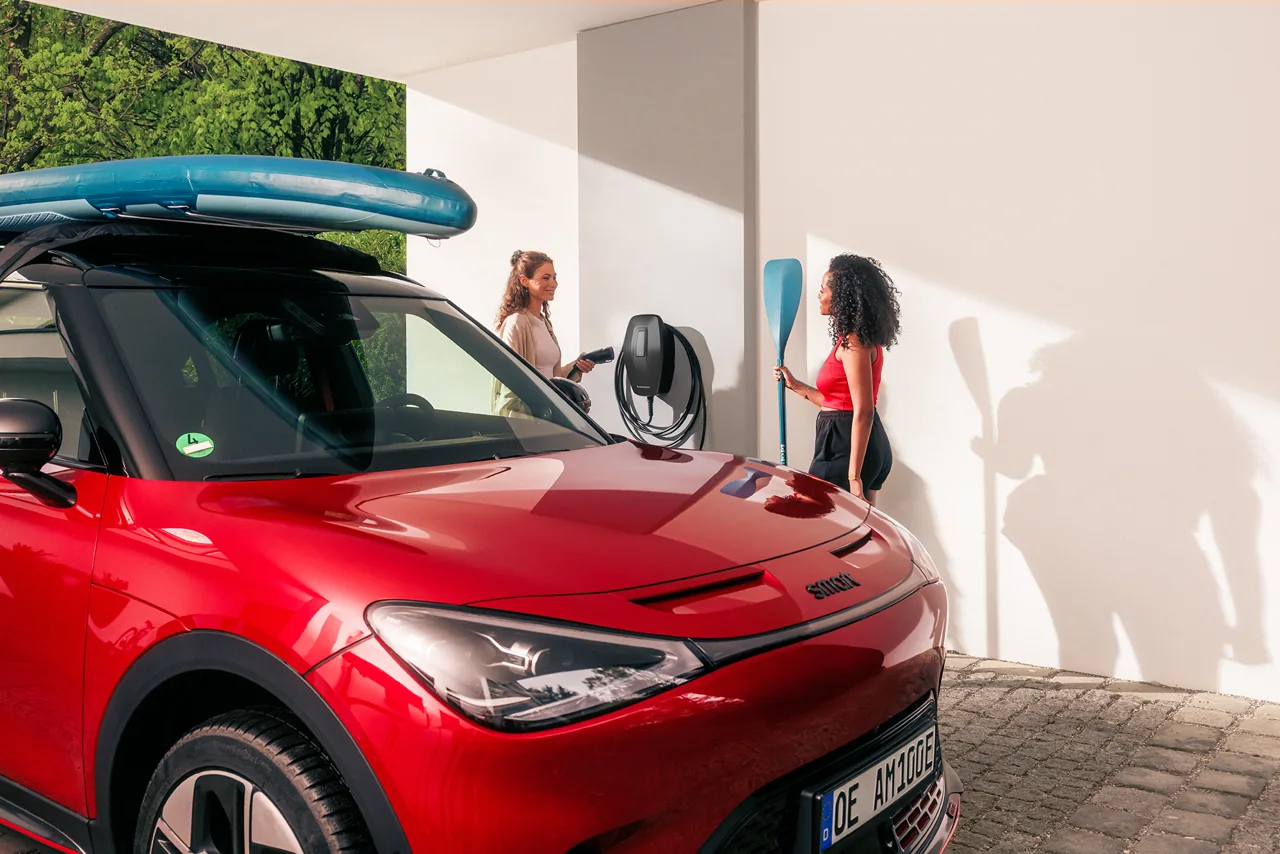
AMPErfied / HEIDELBERG
HEIDELBERG Energy Control Plus · 11 kW
- Maximum AC power
- 11 kW · 3 × 16 A
- Selected variant
- Tethered Type 2 · 7.5 m
- Connectivity
- RS485 / Modbus RTU; external enable/control input
The Energy Control Plus adds a meaningful control route to the simpler Heidelberg approach: Modbus RTU over RS485. It can join a static charging group of up to 16 compatible Energy Control units, while the selected 7.5 m cable is useful across a wide parking bay. Static group sharing is not the same as measuring the building’s live demand. Dynamic protection of the home connection and solar-surplus operation need a compatible external energy system and metering. There is no integrated consumer app or RFID reader; external access-control options should be included in the plan if needed. The manufacturer documents §14a interfaces, but the control arrangement differs between standalone use and an internal charging group. This is best treated as a system component installed by someone who understands the selected topology, rather than a plug-and-play smart-home gadget.
- Local Modbus integration without compulsory cloud control.
- Long 7.5 m cable and a robust front panel.
- Static sharing between up to 16 compatible units.
- No built-in app or RFID user interface.
- Solar and dynamic household control require an external system.
- RS485 wiring and network-control behaviour need professional planning.
Best suited to: An installer-designed local EMS or a group of compatible charging points.
↑ Back to rankingBosch
Bosch Power Charge 7000i · 11 kW
- Maximum AC power
- 11 kW · 3 × 16 A
- Selected variant
- Tethered Type 2 · 5 m
- Connectivity
- Ethernet or Wi-Fi; HomeCom Easy app
A wired network connection is an easily overlooked advantage, and it is the Bosch Power Charge 7000i’s most useful differentiator here. Ethernet can be more practical than relying on a weak signal through a garage wall. The selected version has an 11 kW rating and a 5 m Type 2 cable, with HomeCom Easy app functions for access, status and settings. Pay close attention to the name: the conventional 7000i is not the newer 7000i S solar variant, and features such as the latter’s solar-oriented configuration must not be transferred between them. Confirm the exact external energy-management combination, firmware and German network-control implementation before purchase. This model makes most sense when its networking and the installer’s support fit the household, rather than simply because several other home devices carry a Bosch logo.
- Ethernet avoids dependence on garage Wi-Fi alone.
- App-based status and charging settings.
- A straightforward 11 kW fixed-cable format for home use.
- Different specification from the 7000i S; similar names can mislead.
- Solar compatibility and additional control hardware need explicit confirmation.
- The linked 5 m cable may not fit every parking position.
Best suited to: A home seeking a fixed 11 kW wallbox with Ethernet and app control.
↑ Back to ranking5. The relevant cost is the complete installed system
Compare written quotations for the charger, a separate Type 2 cable where required, circuit and trenching, protective equipment, meter-cabinet work, network control, PV or load-management accessories, installation and commissioning. A low device price can lose its advantage when the desired control functions need several additional components. Conversely, an expensive mobile unit makes little economic sense if it will always remain attached to the same wall.
Illustrative energy budget: 15,000 km/year × 18 kWh/100 km = 2,700 kWh delivered to the battery. At an assumed 90% efficiency, the meter records 3,000 kWh. At a hypothetical €0.30/kWh, that is €900/year or €6/100 km. This is arithmetic using assumptions, not a current tariff quotation or a prediction for your vehicle.
Losses also depend on the car, charging power and conditions. An ADAC measurement series published in August 2026 found 5.1–7.0% loss at the vehicles’ maximum AC wallbox power, versus 12.7–24.2% at a household socket for the five vehicles tested. Those results must not be assigned to every car or used to rank these ten devices. [7]
For scale, 2,700 kWh of battery energy requires about 2,903 kWh at 7% loss and 3,176 kWh at 15% loss. The difference is about 273 kWh, or €82/year at the hypothetical tariff above. This explains why efficiency matters, while also showing why a wallbox should not be sold with an unsupported claim that it quickly pays for itself through efficiency alone.
Wallbox
Wallbox Pulsar Plus · 22 kW
- Maximum AC power
- Up to 22 kW · 3 × 32 A
- Selected variant
- Tethered Type 2; manufacturer standard cable 5 m; selected bundle must match
- Connectivity
- Wi-Fi, Bluetooth, myWallbox, OCPP
The Pulsar Plus is a compact fixed wallbox with a permanently attached Type 2 cable. That saves a separate cable connection each evening and makes it a practical daily-use alternative to the go-e socket design. The linked listing is for an up-to-22 kW version; the actual setting must match the car and approved installation. App access and scheduling are useful, while Power Boost household load control and Eco-Smart solar charging need a compatible additional meter. Check the exact cable length and colour selected in Amazon’s variant selector: the manufacturer documents a standard 5 m cable and other configurations. Current European documentation specifies 6 mA DC detection; the upstream residual-current protection must still follow the installation instructions and local requirements. This is a mature charging ecosystem, but buying the wallbox alone does not buy the complete solar-control system.
- Compact body and a tethered cable simplify daily use.
- Wi-Fi and Bluetooth offer flexible app access.
- Documented upgrade path for solar and household load control.
- Compatible extra metering is needed for the advertised energy functions.
- Fixed installation provides little travel flexibility.
- The standard 5 m cable may be too short for some parking layouts.
Best suited to: A fixed parking space where app scheduling and optional energy management are useful.
↑ Back to rankingFoto: MENNEKES
MENNEKES AMTRON 4You 410 · 11 kW
- Maximum AC power
- 11 kW · 3 × 16 A
- Selected variant
- Tethered Type 2 · 6 m · black variant
- Connectivity
- Wi-Fi, RFID, 4Drivers; EEBus, Modbus TCP, OCPP
The AMTRON 4You 410 is an attractive 2026 option for a home that values integration over a 22 kW headline. The selected 11 kW black version has a 6 m fixed cable, RFID and automatic switching between one and three charging phases. With suitable external measurement or a compatible home energy management system, that can make solar-surplus charging more practical when production is modest. EEBus and Modbus TCP are useful integration routes, while the manufacturer documents a control input for German network-control arrangements. The trade-off is connectivity: this 400-series unit uses Wi-Fi rather than Ethernet, so test reception at the installation point. It also should not be confused with more highly equipped AMTRON variants offering additional company-car or convenience functions. A matching system quotation matters more than the feature list alone. MENNEKES also publishes an ISO 15118-20 preparation and free software-update path for 2027; confirm the required released version for the exact unit before commissioning.
- 11 kW and automatic phase switching suit planned solar charging.
- RFID plus documented interfaces for energy management.
- A 6 m cable provides useful daily reach.
- No Ethernet; reliable garage Wi-Fi is important.
- Solar and dynamic load control require external measurement or HEMS.
- Higher-series billing and convenience features are not automatically included.
Best suited to: A solar-oriented home whose installer can provide the matching meter or HEMS.
↑ Back to ranking6. Make the shortlist fit your household
Single car, regular overnight parking: start with the car’s AC limit, a suitable 11 kW connection and comfortable cable reach. Measure the cable path to the car’s charging flap in both parking directions; the straight-line wall distance can be misleading.
Solar panels or a heat pump: shortlist the energy-management ecosystem first. Obtain confirmation that the chosen charger and firmware can work with your inverter or EMS, and that all required metering is included in the quotation. Open interfaces can reduce dependence on a single cloud service, but still require correct integration.
Shared parking or company-car reimbursement: access control and a reliable metering concept become more important. RFID is access control, not evidence of legally suitable billing. MID certification and German calibration-law requirements are not interchangeable; the reimbursement or billing arrangement determines what is needed.
Travel and a second property: a portable charger can replace several charging solutions if the available sockets are approved and suitable. Compare the complete adapter set, theft protection, cable handling and transport weight. Portability does not waive connection or notification requirements at a regularly used home charging location.
None of the listed units is presented here as a bidirectional vehicle-to-home solution. That requires a compatible vehicle, charger, installation, control system and applicable permissions; a normal Type 2 wallbox or an ‘ISO 15118-ready’ label alone is insufficient.
A considered choice for everyday charging
For many homes, well-integrated 11 kW charging is the sensible starting point. Choose 22 kW when the car and real parking pattern justify it. Select a portable unit for a real mobility need, and select solar functions as part of a complete energy system. Have the installation and control concept agreed before buying the device: those decisions shape usability and total cost more than an Amazon headline.
Frequently asked questions
Does a 22 kW wallbox charge every car twice as fast?
No. The car must accept 22 kW AC, and the connection, cable and installation settings must support it. A car limited to 11 kW AC remains limited to 11 kW.
Can I charge every day from a normal household socket?
A normal household socket should not be treated as the permanent charging solution. Have a suitable charging circuit planned and checked by a qualified installation company; use any contingency cable only as its instructions permit.
Does Wi-Fi mean a charger is ready for solar surplus or §14a control?
No. Metering, control hardware, supported interfaces and the exact integration matter. Ask for written confirmation for the selected hardware and firmware.
Do portable 22 kW chargers avoid the network-operator process?
No. Portability does not create a general exemption for a home charging installation. Have the planned connection and regular use assessed by the installer and network operator.
Are all the Amazon links for German installations?
They lead to Amazon.de product pages. Check the selected EU Type 2 variant, required accessories, delivery address and installation suitability; marketplace presence is not a certificate of suitability.
Does a Type 2 cable automatically support 22 kW?
No. For three-phase 22 kW charging, the cable must support the required three phases and 32 A, as well as the vehicle and installation. A socket wallbox may be sold without a vehicle cable.
Sources and documentation
The sources document specifications and requirements, not an independent finding of superiority. Check the current manual for the exact part number before ordering.
- Verbraucherzentrale · AC/DC, vehicle limits and charging at home
- ADAC · Home charging and installation protection
- Bundesnetzagentur · §14a EnWG and grid-oriented control
- ADAC · Charging in rented and shared property
- go-e · Solar surplus, metering and phase switching
- ADAC · Charging-loss measurements, August 2026
- EU 2025/656 · AFIR Annex II 2.1.3, private charging from 2027
Manufacturer documentation
- MENNEKES AMTRON 4You 410 · 11 kW
- Wallbox Pulsar Plus · 22 kW
- Bosch Power Charge 7000i · 11 kW
- HEIDELBERG Energy Control Plus · 11 kW
- Tesla Wall Connector Gen 3 · EU Type 2
- go-e Charger Gemini flex 2.0 · 11 kW
- NRGkick 16A light · 5 m Pure
- JUICE BOOSTER 2 · Basic Set EU
- ABB Terra AC TAC-W22-T-R-0 · 22 kW
- HEIDELBERG Home Eco · 11 kW
More from FitRecover
Explore our product comparisons and practical guides for everyday decisions.