The 10 Best Fitness Trackers of 2026
More sensors do not automatically mean better decisions. We show which watches meaningfully bring training, sleep and recovery together – and where marketing claims, short battery life or a closed ecosystem impose limits.

Our three clearest recommendations
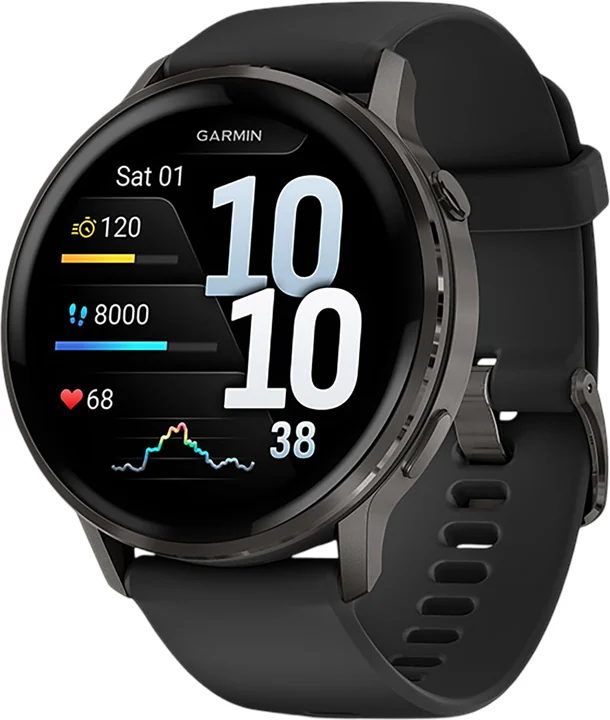
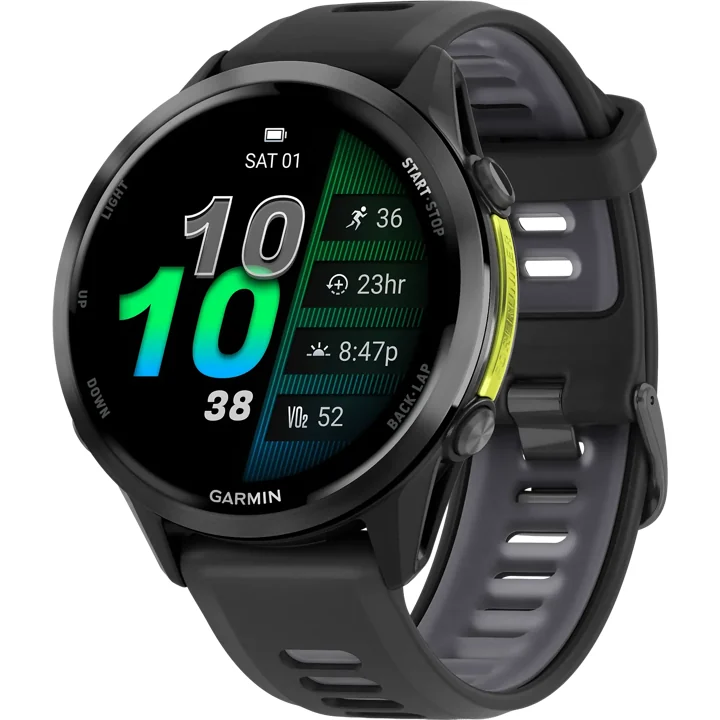
The Venu 4 is the most balanced watch for most people. The Forerunner 970 leads for ambitious running and triathlon training; the COROS PACE 4 currently offers the strongest value profile – without price contributing any points to the ranking.
A clearly defined category
This ranking compares fitness trackers in watch form with their own display. Smart rings, slim activity bands and screenless recovery bands get their own Top 10 articles, avoiding mismatched criteria across different product categories.
Garmin Venu 4
Strong health and recovery data, multi-band GPS, training readiness and up to twelve days of battery life in an everyday-friendly case.
Garmin Forerunner 970
In-depth training analysis, maps, multi-band GPS and up to 15 days of smartwatch battery life – powerful, but larger and more complex.
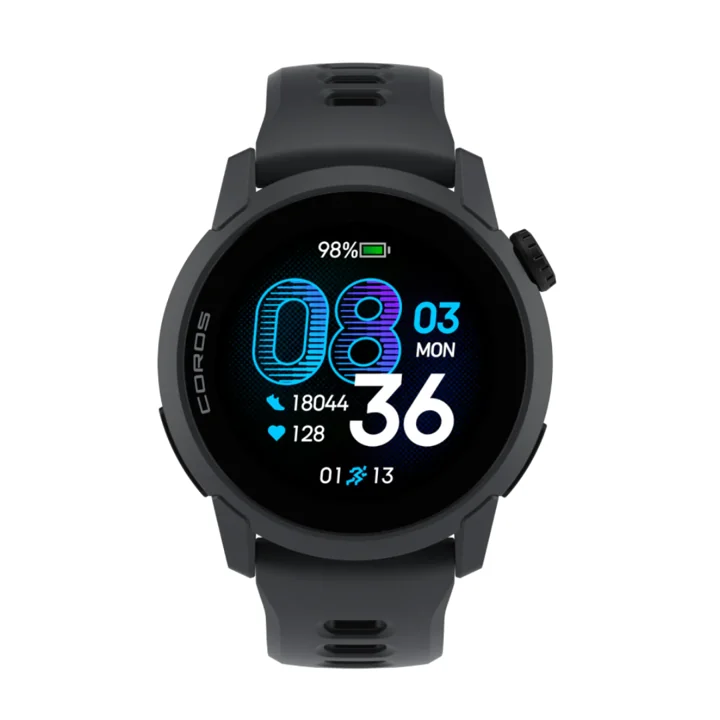
COROS PACE 4
Just 32 grams with the nylon band, 41 GPS hours, global maps and a strong training system. Everyday smart features are deliberately kept lean.
Performance first, price separately
FitRecover has not tested these watches in its own laboratory. We combined current manufacturer documentation, specifications, feature limitations, publicly available validation research and independent hands-on impressions. Manufacturer claims – particularly about battery life, GPS or medical-sounding features – are treated as manufacturer statements, not universally confirmed measurements.
Only performance and everyday usability are scored. Price carries a 0% weighting. Instead, each watch has a dated price tier and a link to its current offer page.
€ below €200 · €€ 200–399 € · €€€ 400–599 € · €€€€ €600 and above
The classification uses the regular recommended retail price or standard launch price, not short-term promotions. It has no effect on scores or ranking.
Heart rate, GPS, data quality25 %
Profiles, load, planning, navigation20 %
HRV, recovery, understandable guidance20 %
Runtime, weight, charging interruptions15 %
Android/iPhone, export, subscriptions10 %
Display, buttons, protection, support10 %
All 10 fitness watches at a glance
Battery figures are manufacturer maximums and depend heavily on always-on display, GPS, LTE, music and sensors. Maps means full maps on the watch, not just arrow or breadcrumb navigation.
| Rank | Image | Model | Strength | Battery* | Maps | Phone | Price tier** | Score |
|---|---|---|---|---|---|---|---|---|
| 1 | | Garmin Venu 4 All-rounder | Fitness and recovery | up to 12 days | No | Android / iPhone | €€€ | 93/100 |
| 2 | | Garmin Forerunner 970 Training winner | Running and triathlon | up to 15 days | Yes | Android / iPhone | €€€€ | 92/100 |
| 3 | | Apple Watch Series 12 iPhone winner · provisional | Smartwatch and health | up to 24 hours | No | iPhone only | €€€ | 90/100* |
| 4 | | COROS PACE 4 Value pick | lightweight running training | 19 days / 41 h GPS | Yes | Android / iPhone | €€ | 89/100 |
| 5 | 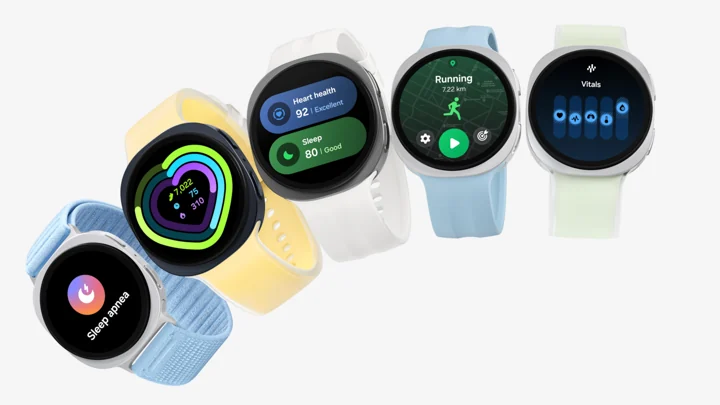 | Samsung Galaxy Watch9 Galaxy winner | Everyday Android use | up to 40 hours | Google Maps | Android only | €€ | 87/100 |
| 6 | 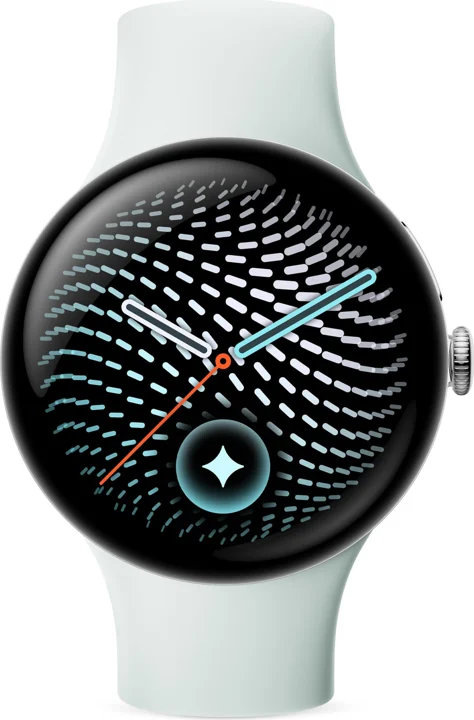 | Google Pixel Watch 5 Google ecosystem | Health and AI | 30 / 40 hours | Google Maps | Android only | €€€ | 86/100 |
| 7 | 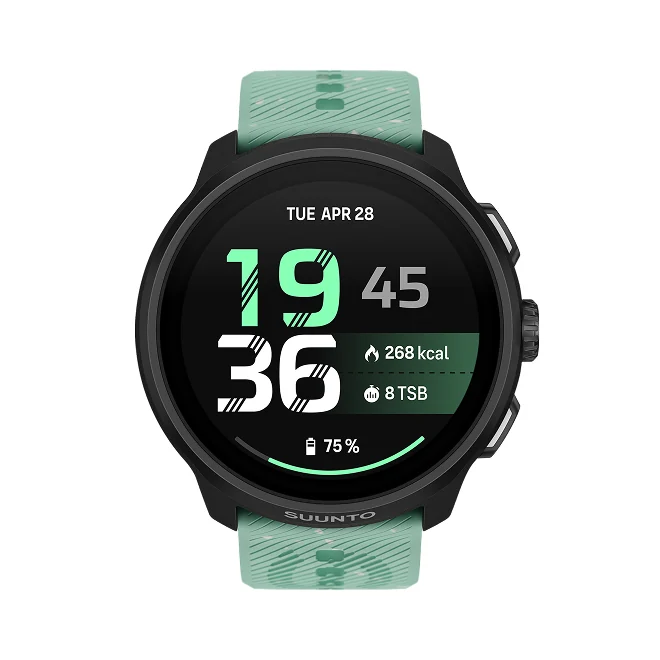 | Suunto Run 2 lightweight with maps | Running and navigation | 10 days / 24 h GPS | Yes | Android / iPhone | €€ | 85/100 |
| 8 | 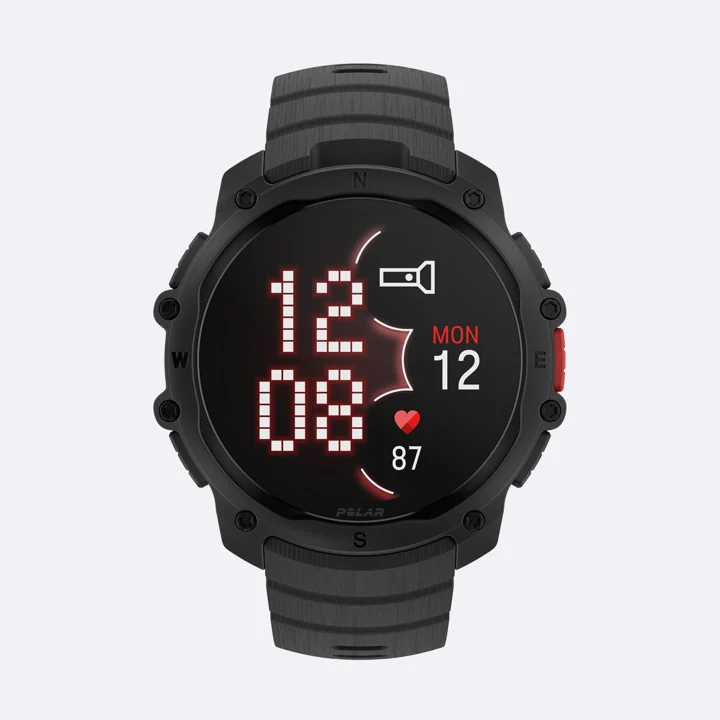 | Polar Street X Recovery focus | Training and sleep | 10 days / 43 h GPS | No | Android / iPhone | €€ | 83/100 |
| 9 | 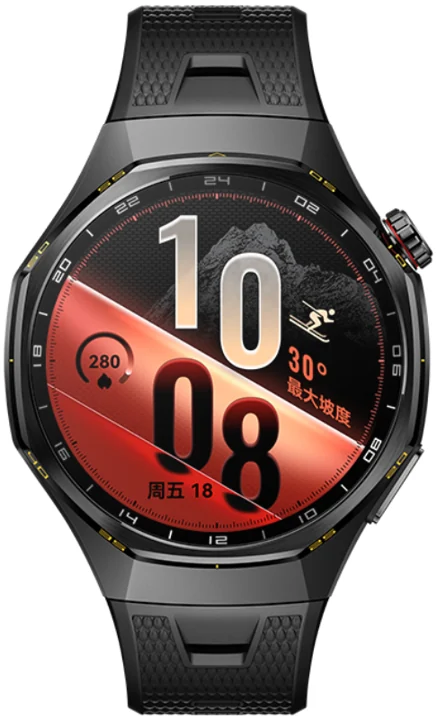 | HUAWEI WATCH GT 7 Pro Battery and materials | Everyday outdoor use | up to 21 days | partial / routes | Android / iPhone | €€ | 82/100 |
| 10 | 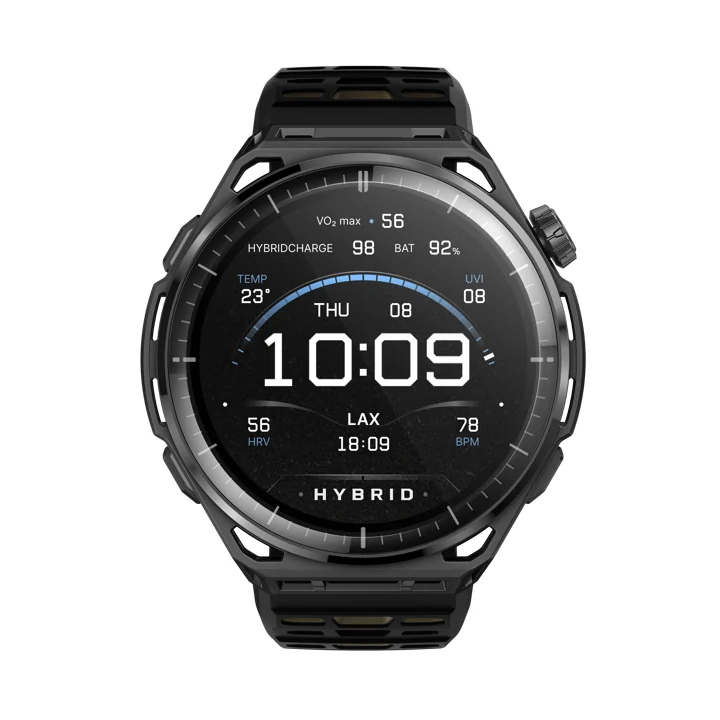 | Amazfit Balance 3 Hybrid fitness | HYROX and everyday use | up to 21 days | Yes | Android / iPhone | €€–€€€ | 80/100 |
* Manufacturer maximums. The Apple Watch Series 12 score is provisional pending widespread availability and independent long-term experience. ** Price tier based on regular RRP or launch price on 14 September 2026; not included in scoring.
Calories are not a precise measurement
A controlled study published in 2026 found substantial errors in energy expenditure estimates from Apple, Garmin, Samsung and Fitbit devices. Use calorie figures as a personal trend line, not an exact basis for food intake or medical decisions. Sleep stages, stress and readiness scores are models too – not diagnoses.
From number 10 to our comparison winner
The score describes editorial suitability in September 2026. It is not our own laboratory test and does not mean number 1 is automatically best for every phone, sport or wrist.
Amazfit Balance 3 – huge features, huge case
The Balance 3 combines 180+ sports profiles, structured HYROX tools, colour offline maps and Amazfit's HybridCharge approach to training load and recovery. According to the manufacturer, its 1.5-inch AMOLED with sapphire glass reaches up to 3,000 nits; battery life is up to 21 days with typical use.
Who is it for? Hybrid athletes, HYROX fans and buyers seeking long battery life, large maps and many sports modes in one watch.
Why number 10? The features are impressive, but the very large case limits 24/7 and sleeping comfort. There is also less independent long-term experience with its new sensor and recovery generation than with higher-ranked platforms.
Price tier based on the regular launch price on 14 September 2026; price is not scored. Check EU availability and the exact version before buying.
Strengths
- up to 21 days of typical battery life
- offline maps and dual-band GPS
- strong HYROX and strength-training focus
- sapphire glass, 10 ATM, 64 GB storage
Limitations
- very large for slim wrists
- 55–62 g even without a strap
- new algorithms with limited long-term evidence
- USB-C cable not included, according to the manufacturer
HUAWEI WATCH GT 7 Pro – sapphire, titanium and long battery life
The GT 7 Pro combines a 1.47-inch AMOLED with sapphire glass, titanium alloy and a ceramic bezel. HUAWEI specifies up to 12 days of typical use or 21 days of light use, plus 51 hours in trail-running mode. Skiing, cycling and outdoor features are particularly extensive.
Who is it for? Android or iPhone users who value long battery life, premium materials and outdoor sports profiles more than third-party apps.
Why number 9? Hardware and battery life are first class. The more closed app ecosystem, regional differences in health and payment features and less flexible training integrations cost it points overall.
* Manufacturer-stated peak brightness. Price tier as of 14 September 2026; check features available in Germany before buying.
Strengths
- very long battery life
- sapphire glass and titanium alloy
- large, bright AMOLED
- broadly compatible with Android and iPhone
Limitations
- fewer apps and training integrations
- health features vary by region
- 46 mm class does not suit every wrist
- not medical monitoring
Polar Street X – clear training and recovery guidance
Polar focuses less on mini-apps and more on Training Load Pro, Nightly Recharge, SleepWise and FitSpark. The 48-gram Street X offers a 1.28-inch AMOLED, barometer, route guidance, LED light and up to 43 training hours or ten days of smartwatch use.
Who is it for? Users who appreciate Polar Flow, understandable training-load and sleep analysis and a streamlined sports-watch experience.
Why number 8? Its recovery approach is strong and easy to understand without unnecessary features. However, full offline maps, SpO₂ and ECG are absent, and smartwatch features are simpler than Garmin, Apple or Wear OS.
Price tier based on regular RRP on 14 September 2026; not part of the assessment.
Strengths
- strong sleep and recovery tools
- ten days of battery life and 43 training hours
- route guidance, barometer and a proper LED light
- Polar Flow without a compulsory subscription
Limitations
- no full offline maps
- no ECG or SpO₂ sensor
- few smart apps
- chunkier plastic case
Suunto Run 2 – featherlight, now with offline maps
At 35 grams, with a 1.32-inch AMOLED, dual-band GPS and free offline maps, the Run 2 hits a rare sweet spot. Its new 12-channel heart rate sensor, offline music and up to 24 hours in accurate GPS mode make it an interesting marathon watch.
Who is it for? Runners who want real maps and music but do not want a large, heavy outdoor watch while sleeping or in everyday life.
Why number 7? Its hardware concept is exceptionally well balanced. However, the watch has only been available since September; early reviews report good GPS and heart rate impressions alongside software bugs and weaker everyday and sleep analysis.
Price tier based on the regular launch price on 14 September 2026. Check storage and colour version on the destination page.
Strengths
- extremely light and comfortable for sleep
- offline maps and dual-band GPS
- bright 2,000-nit AMOLED
- offline music and clear running metrics
Limitations
- very new platform
- early software not yet fully mature
- 24 GPS hours is shorter than COROS
- fewer everyday smart features
Google Pixel Watch 5 – the most rounded Google experience
The Pixel Watch 5 closely integrates Google Health, Wear OS, Google Maps and Gemini. It comes in 41 and 45 mm versions, with a display reaching up to 3,000 nits and, according to Google, up to 30 or 40 hours of battery life respectively. Its new GPS approach is technically interesting.
Who is it for? Android users who want closer integration of smart apps, navigation and health features, and accept charging every one or two days.
Why number 6? Usability and ecosystem are strong. Short battery life interrupts 24/7 data more often; several Health Guardian and strength-training features are regionally restricted, coming soon or tied to Google Health Premium.
Google's GPS comparison comes from an internal study using pre-production devices. Check feature, subscription and regional conditions before buying.
Strengths
- excellent Android and Google integration
- Google Maps and extensive Wear OS apps
- two case sizes
- bright display and responsive controls
Limitations
- 30–40 hours of manufacturer-stated battery life
- not compatible with iPhone
- some coaching features require a premium subscription
- several new health features are regional or still pending
Samsung Galaxy Watch9 – a strong Android all-rounder
The Watch9 combines Wear OS, Google apps and Samsung's BioActive sensor with Energy Score, sleep coaching, Running Coach and extensive vital metrics. Its 40 and 44 mm cases are more accessible than many large sports watches; nominal battery life is up to 40 hours without always-on display.
Who is it for? Android users, especially Galaxy owners, who value messages, apps, payments and navigation just as much as fitness and sleep tracking.
Why number 5? As a full smartwatch, it is more versatile than dedicated sports watches and offers a mature ecosystem. However, charging every one or two days weakens continuity for sleep and recovery; some health features require a Samsung phone or regional approval.
Price tier based on the regular launch price on 14 September 2026. Check size, Bluetooth/LTE and phone compatibility.
Strengths
- excellent Wear OS and Galaxy experience
- two wearable sizes
- broad fitness, sleep and smart features
- Google Maps, apps and payments
Limitations
- short battery life compared with sports watches
- not compatible with iPhone
- some features require a Galaxy smartphone
- real battery life depends heavily on use
COROS PACE 4 – maximum training benefit per gram
The PACE 4 weighs just 32 grams with its nylon band and, according to COROS, delivers 19 days of everyday use and 41 hours of all-systems GPS. It also offers dual-frequency GPS, global landscape and topographic maps, structured workouts, race predictions, marathon plans and HRV-based recovery data.
Who is it for? Runners, triathletes and cyclists seeking a lightweight training watch with long battery life and maps, without needing miniature smartphone features.
Why number 4? The balance of training features, weight and battery life is exceptionally strong. The value pick reflects the market on 14 September 2026 and does not influence the score. Apple, Samsung, Google and Garmin offer broader everyday apps, contactless payments or deeper health features.
Price tier as of 14 September 2026; not part of the ranking. COROS states that the USB-C charging cable is not included.
Strengths
- extremely light and comfortable for sleeping
- 41 GPS hours and 19 days of everyday use
- dual-frequency GPS and global maps
- strong training planning without a compulsory subscription
Limitations
- few smartwatch apps
- no NFC payments
- smaller 1.2-inch display
- fewer wellness and safety features
Apple Watch Series 12 – strong health features, short battery life
Apple positions the Series 12 even more clearly as a health and fitness watch: heart rate and HRV are captured more frequently in the background, while workouts and vital metrics integrate deeply with iPhone and Apple Health. It also offers a mature app ecosystem, 50 m water resistance and up to 24 hours of normal battery life.
Who is it for? iPhone users who want fitness, notifications, safety, apps and health data in a particularly tightly integrated system.
Why number 3? Its ecosystem, usability and sensor ambitions are among the best. The 24-hour limit remains a clear disadvantage for continuous sleep and recovery tracking. This is also a provisional assessment based on official data: the launch is not until 18 September 2026.
* Update the score after widespread availability, independent measurement comparisons and real-world battery use. Prices are not scored.
Strengths
- best iPhone and Apple Health integration
- large range of apps and accessories
- broad fitness and safety features
- more frequent background HR and HRV measurement
Limitations
- manufacturer-stated battery life of only up to 24 hours
- iPhone only
- provisional assessment before launch
- health features not available everywhere
Garmin Forerunner 970 – the deepest training analysis
The Forerunner 970 combines sapphire glass, a titanium bezel, bright 1.4-inch AMOLED, maps, multi-band GNSS and an LED light with Garmin's most comprehensive running and triathlon system. Training status, readiness, load, recovery and race planning integrate especially deeply.
Who is it for? Ambitious runners, triathletes and endurance athletes who actively use maps, structured load management and many external sensors.
Why number 2? For planned endurance training, it is the strongest watch in this list. Nevertheless, first place goes to the Venu 4 because its smaller size options, more everyday-focused approach and simpler interpretation suit more people. Some new running metrics on the 970 also require accessories such as the HRM 600.
Price tier based on regular RRP on 14 September 2026; no effect on score or rank.
Strengths
- outstanding running and triathlon analysis
- maps and multi-band GNSS
- sapphire glass, titanium bezel and LED light
- long battery life and broad sensor ecosystem
Limitations
- only one large 47 mm size
- complex for occasional users
- some metrics require an additional sensor
- fewer smart features than Apple or Wear OS
Garmin Venu 4 – the best balance for most people
The Venu 4 combines Garmin's health and recovery strengths with an everyday-friendly AMOLED design. Body Battery, HRV status, sleep coach, training readiness and lifestyle logging help turn data into decisions; multi-band GPS, more than 80 sports profiles and an LED light provide broad training support.
Who is it for? Most active people seeking one watch for sleep, recovery, gym workouts, running and everyday life – with Android or iPhone.
Why number 1? It does not win every individual category, but offers the most coherent balance of measurement system, recovery, battery, two sizes, sports coverage and understandable use. The Forerunner 970 goes deeper for race training, while Apple and Wear OS are smarter; the Venu 4 is more balanced for everyday 24/7 fitness.
Price tier based on regular RRP on 14 September 2026. ECG and other health features may vary by region and approval.
Strengths
- very balanced health, recovery and sports features
- multi-band GPS and training readiness
- two sizes and up to twelve days of battery life
- compatible with Android and iPhone
Limitations
- no full maps on the watch
- fewer running details than the Forerunner 970
- fewer apps than Apple or Wear OS
- health features depend on region
* Amazon links are affiliate links. Always check model size, GPS/LTE version, seller, package contents, price and return conditions on the destination page.
Choosing the right watch starts with its purpose
The longest feature list is not decisive. What matters is whether you wear the watch at night, understand its data and find its training approach suitable for your sport.
Start with your phone
Apple Watch requires an iPhone. Pixel Watch 5 and Galaxy Watch9 work only with Android; some Samsung health features are most complete with a Galaxy smartphone. Garmin, COROS, Suunto, Polar, HUAWEI and Amazfit broadly work with both Android and iPhone, although individual features can still differ.
24/7 comfort before data volume
Recovery and sleep need continuous data. A lightweight watch with two weeks of battery life can therefore be more useful than a technically advanced model sitting on its charger at night. Size, strap, sensor bump and actual charging routine all belong in the buying decision.
Choose appropriate training depth
For steps, the gym and general fitness, Venu, Apple, Samsung or Pixel are usually sufficient. Structured running plans, training load, race predictions and triathlon point more towards Forerunner or COROS; Suunto and Polar have their own strengths in navigation and recovery.
GPS is not the same as maps
Multi-band GPS can help among tall buildings and in forests, but it does not guarantee perfection everywhere. For unfamiliar routes, it also matters whether you get real maps, turn instructions or just a line without street details.
Check subscriptions and regions
Some coaching, AI or health features require a subscription, a particular region or a compatible phone. ECG, sleep apnoea and emergency features may be unavailable depending on country, age and approval. Check the German product and support pages before buying.
A chest strap for hard intervals
Optical wrist measurement is convenient, but can lag during intervals, strength training, cold weather or when worn loosely. When precise heart rate zones are crucial to your training, choose a watch supporting external sensors and use a compatible chest strap.
What about the new Garmin fēnix 9?
It has not been forgotten: the fēnix 9 is our specialist recommendation for expeditions, long outdoor navigation and maximum ruggedness. In this broad fitness list, it loses points against the Venu 4 and Forerunner 970 for weight, 24/7 comfort and complexity. It was also only introduced in late August 2026, so wider real-world experience is still limited.
Fitness tracker watch FAQ
Which fitness tracker watch is best in 2026?
For most people, the Garmin Venu 4 is our best overall choice. It combines strong fitness and recovery features, multi-band GPS, long battery life and everyday usability. Ambitious runners get deeper training and mapping features with the Forerunner 970; iPhone users benefit more from the Apple ecosystem with the Apple Watch Series 12.
Why is price excluded from the ranking?
Prices, promotions, bundles and availability change much faster than sensors or features. Price therefore carries a 0% weighting. Instead, we show a clearly defined price tier at the editorial date and link to the current offer page. The separate value pick is explicitly a snapshot.
Why is the Apple Watch Series 12 assessment provisional?
Apple has introduced the Series 12, but widespread availability in Germany starts on 18 September 2026. Its assessment therefore currently relies more heavily on official data than models available for longer. FitRecover should review the score and text after independent tests and real-world battery use.
Why is the Garmin fēnix 9 missing from the Top 10?
The fēnix 9 is an excellent but highly specialised outdoor and expedition watch. This list prioritises fitness, recovery and 24/7 comfort for a broad audience. The Venu 4 and Forerunner 970 therefore represent Garmin in the ranking; the fēnix 9 remains the premium alternative for long adventures and rugged navigation.
How reliable are calorie and sleep readings?
They are mainly useful for trends within the same device. Energy expenditure may differ substantially from the true figure; sleep stages are also estimated from movement, heart rate and other signals. Individual nights or exact calorie numbers should not drive far-reaching decisions.
Can a fitness watch detect illnesses?
Depending on the model, it can provide indications or alerts, but it does not replace diagnosis, treatment or professional monitoring. ECG, oxygen, sleep apnoea and emergency features have clear limitations. If you have symptoms or unusual readings, medical advice matters more than a watch's score.
Which watch works without a subscription?
Core features from Garmin, COROS, Suunto and Polar are generally available without a compulsory subscription. Apple, Samsung, HUAWEI and Amazfit also offer many subscription-free features. Some personalised Google coaching features may require Google Health Premium. Details can change with software and pricing updates.
Is a watch better than a fitness band or smart ring?
Usually for live training, GPS, pace, maps and on-wrist displays. A slim band is more discreet and affordable; a ring is often more comfortable for sleep. FitRecover therefore covers these categories in separate rankings instead of unfairly squeezing them into one scoring table.
Sources and data cut-off
Last editorial review: 14 September 2026. Specifications, regional features, software, prices and availability may change.
Primary sources · ranks 1–5
Primary sources · ranks 6–10
Independent evidence and context
The warning about energy expenditure is based on a 2026 PLOS ONE study. An umbrella review was also considered for the general validity and reliability of wearables. A JMIR review of wrist and upper-arm wearables provides background on heart rate measurement. The early assessment of the Suunto Run 2 takes account of a two-week hands-on review by Tom's Guide. Product assessments combine research, primary sources and available independent hands-on tests; they are not medical recommendations.
Image credits and publication status
All product images show the exact model named and load externally from manufacturer or retailer pages. No AI-generated or symbolic replacement images are used. Image rights remain with Apple, Garmin, COROS, Samsung, Google, Suunto, Polar, HUAWEI, Amazfit or their respective distributors. This article is an editorial draft; specific press or usage permissions and stable image URLs should be documented again before publication. The complete asset log is included as an HTML comment at the beginning of the file.