
Sports earbuds need more than sweat resistance
This comparison focuses on wireless models that offer a clear advantage for training and running: a particularly stable fit, a documented protection rating, an open-ear design or workout functions such as heart-rate tracking. Good everyday audio performance alone does not automatically justify a higher rank.
The ranking uses manufacturer documentation, product information and independent tests. Manufacturer battery and protection claims are distinguished from test measurements. FitRecover did not carry out its own laboratory tests. Daily prices have no weight in the ranking.
Three recommendations for different priorities
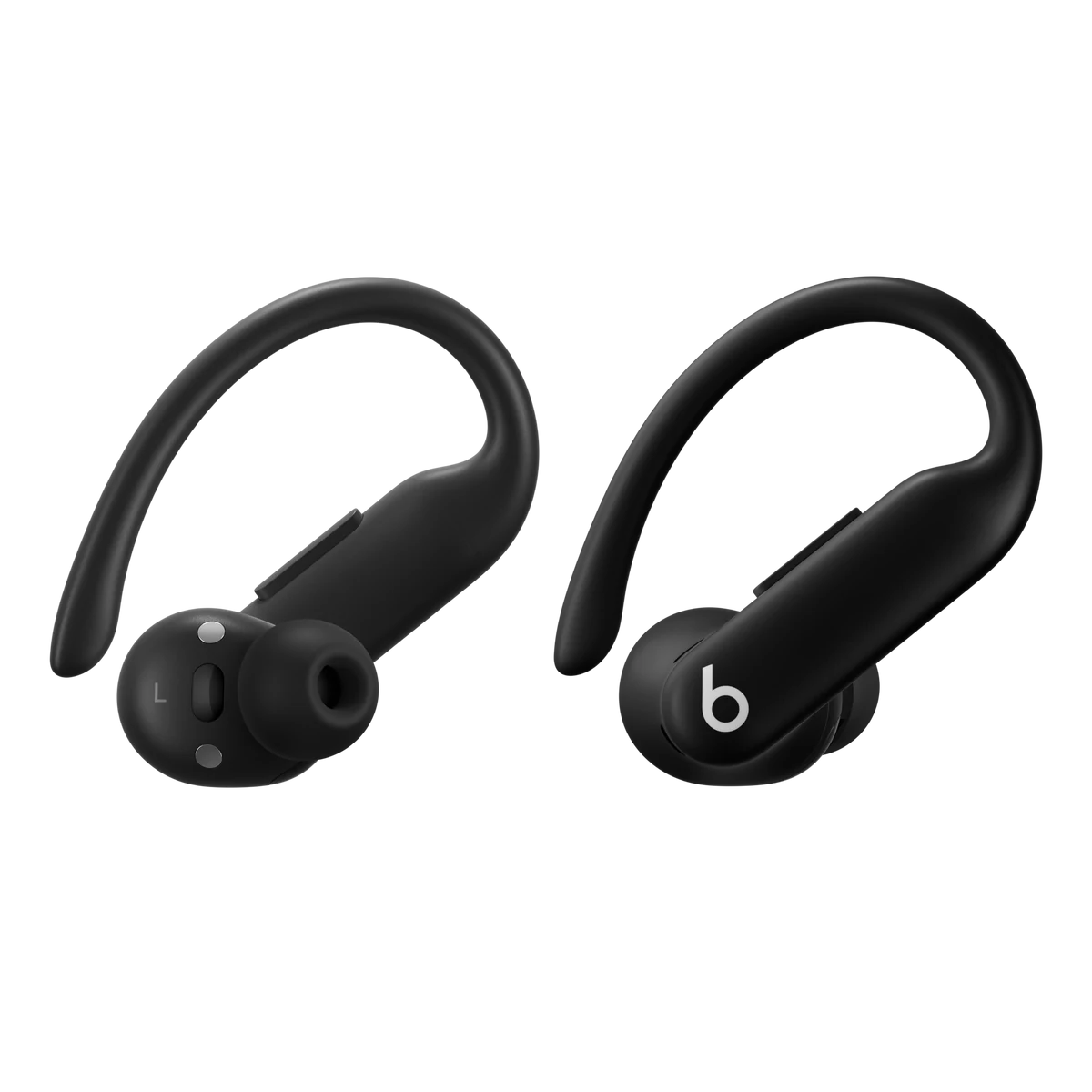
Best overall
Most robust sport option
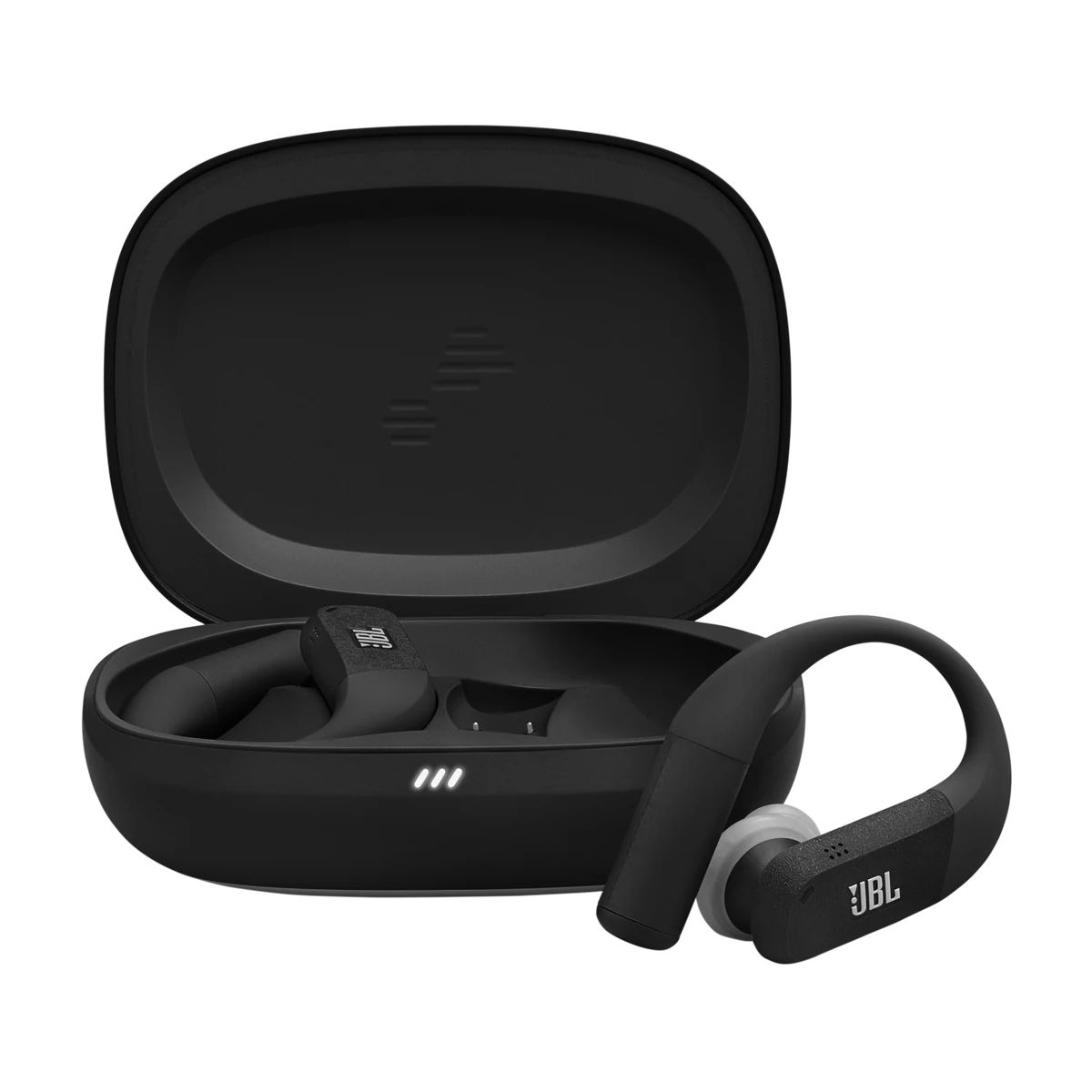
Open-ear recommendation
Advertising / affiliate disclosure: As an Amazon Associate we earn from qualifying purchases. Amazon links marked with * are affiliate links. Your price is unchanged. Commission does not influence the ranking. Prices and availability can change at any time.
Top 10 at a glance
Tap a product name to jump to its detailed profile. The last column opens the exact product on Amazon.de.
| # | Image | Product | Main advantage | Amazon |
|---|---|---|---|---|
| 1 | | Beats Powerbeats Pro 2Read the profile ↓ | Secure sport fit, substantial battery reserve and heart-rate tracking | Amazon |
| 2 | | JBL Endurance Peak 4Read the profile ↓ | A robust workout option with IP68 protection and a secure TwistLock fit | Amazon |
| 3 | 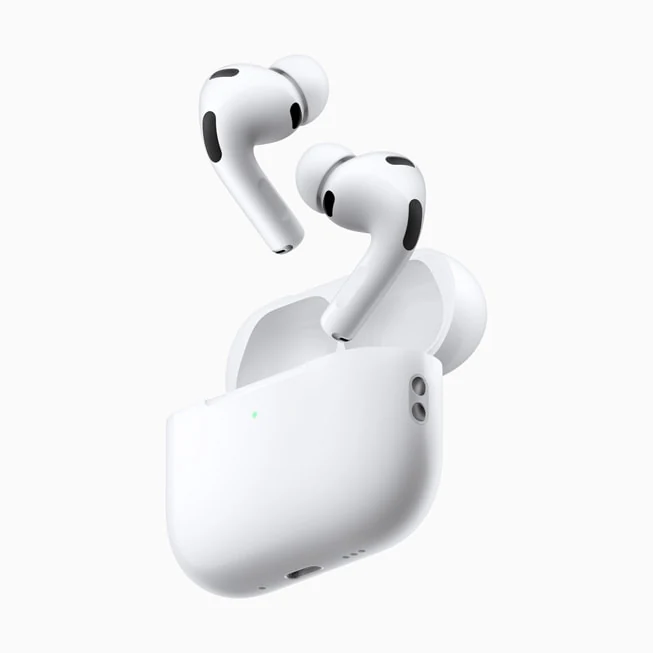 | Apple AirPods Pro 3Read the profile ↓ | Strong ANC, IP57 and heart-rate tracking in a compact design | Amazon |
| 4 | 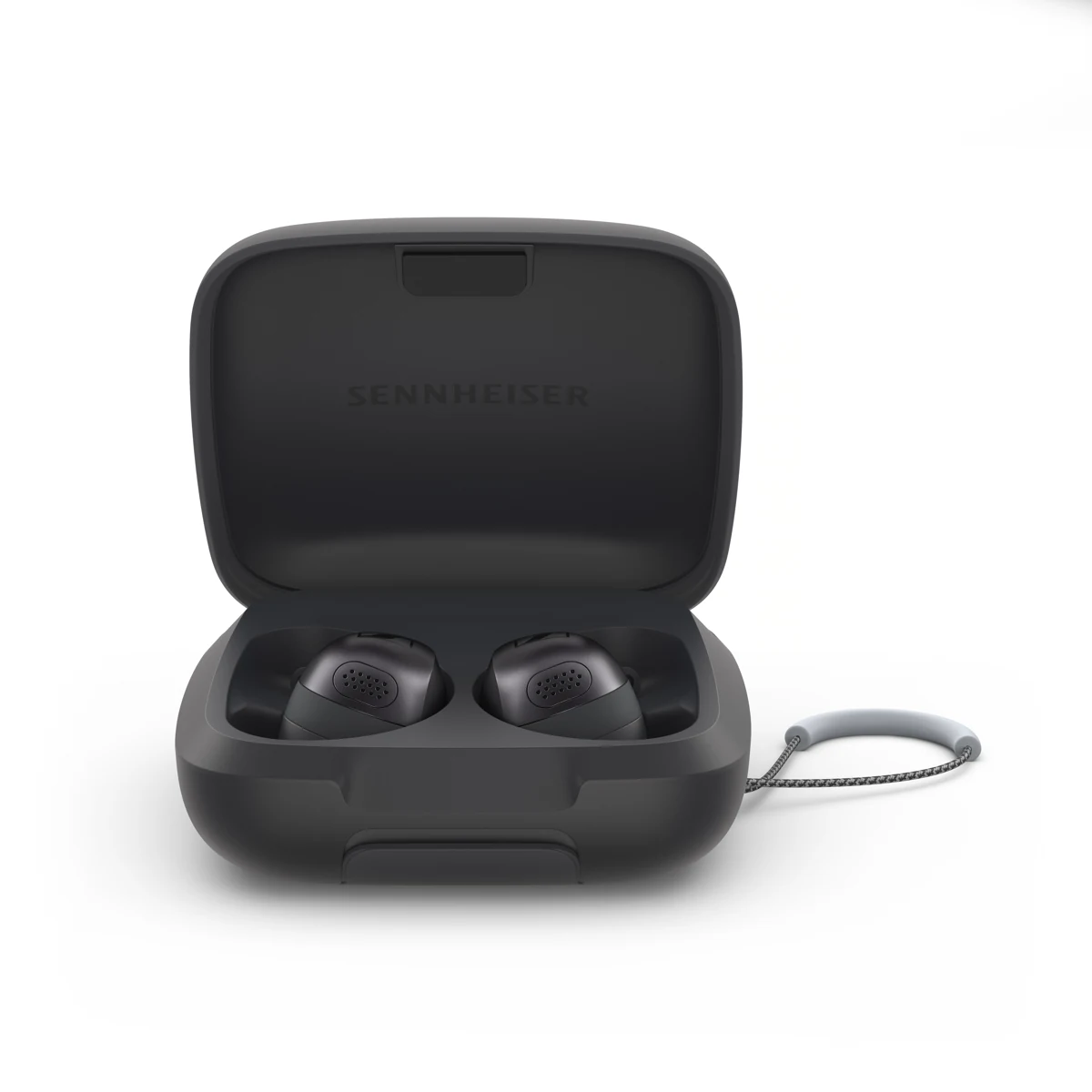 | Sennheiser MOMENTUM SportRead the profile ↓ | Training sensors for heart rate and body temperature | Amazon |
| 5 | | Shokz OpenFit 2+Read the profile ↓ | Our open-ear pick for workouts with greater awareness of your surroundings | Amazon |
| 6 | 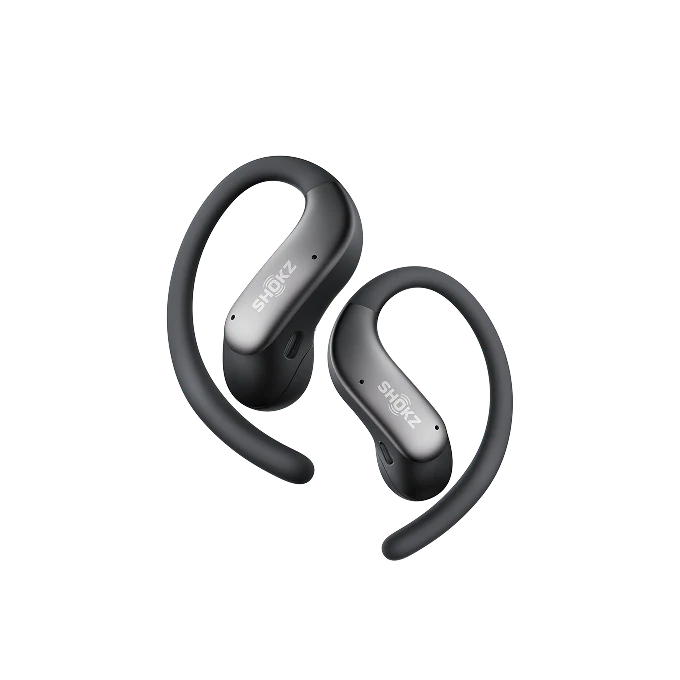 | Shokz OpenFit Air 2Read the profile ↓ | A very light open-ear model with updates introduced in 2026 | Amazon |
| 7 | 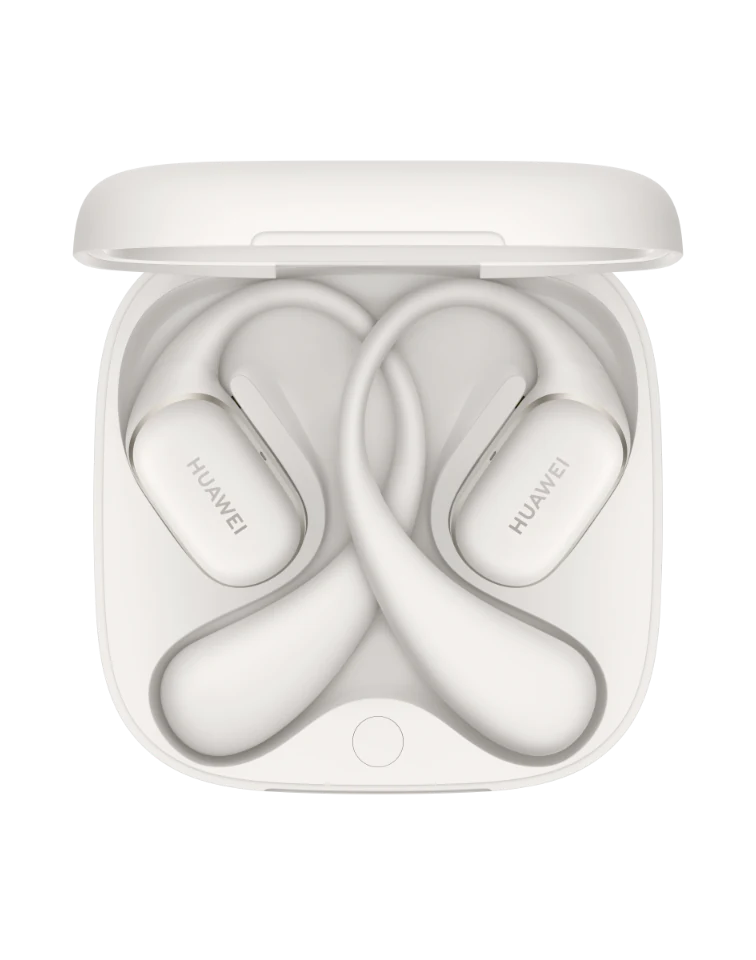 | HUAWEI FreeArcRead the profile ↓ | IP57 open-ear earbuds with a very good sport fit in the cited CHIP test | Amazon |
| 8 | 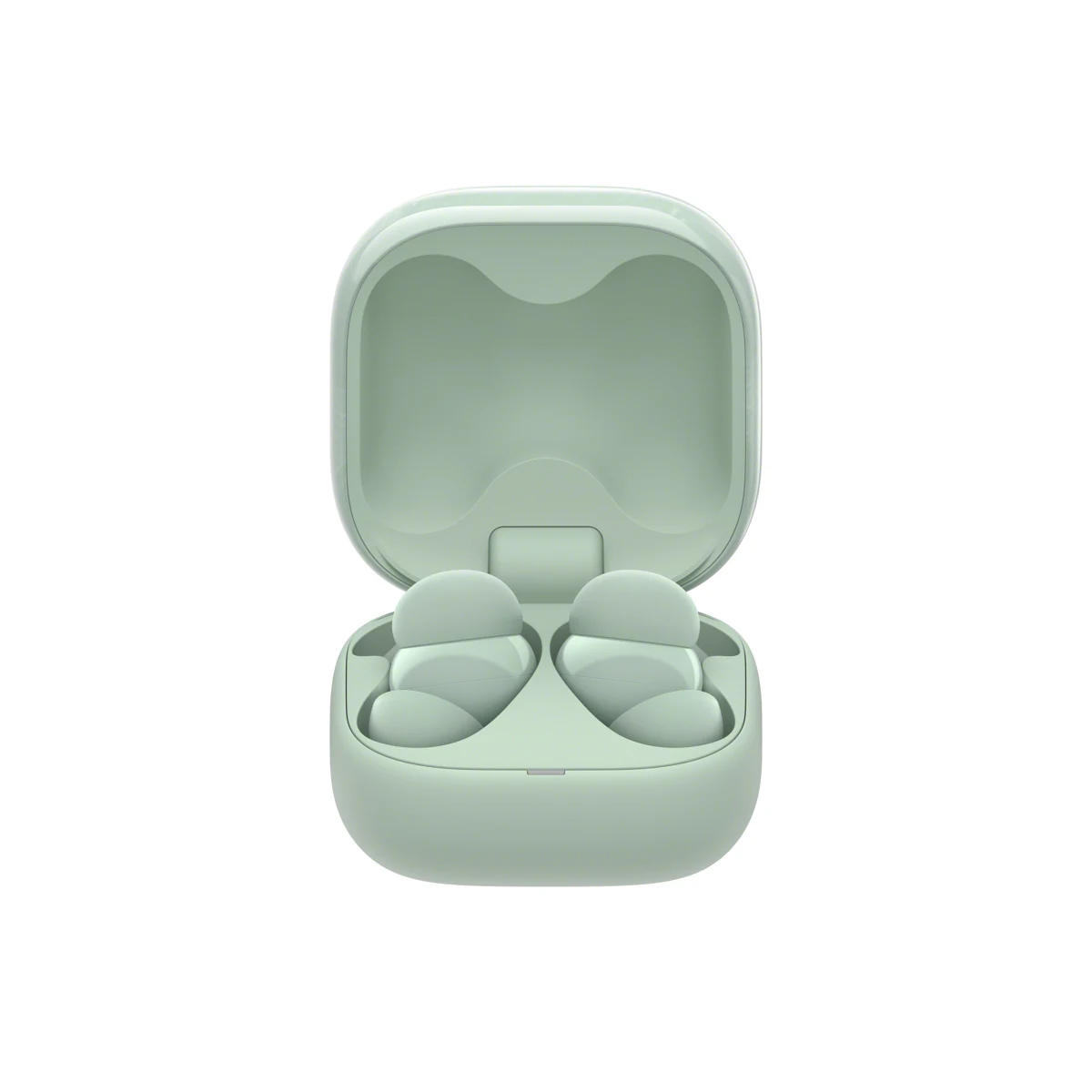 | Sony LinkBuds FitRead the profile ↓ | Compact ANC earbuds with soft support fins and very good sound | Amazon |
| 9 | 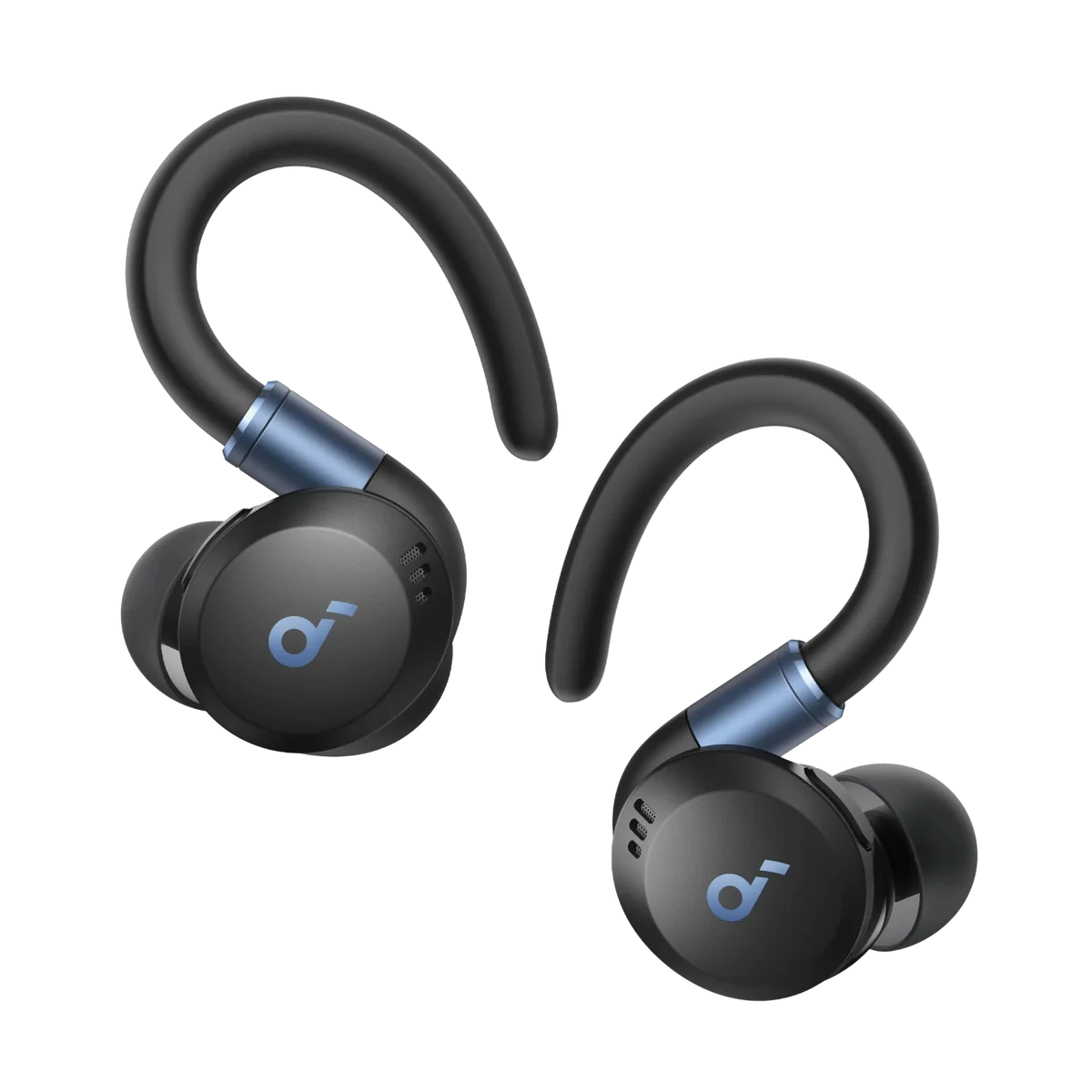 | soundcore Sport X20Read the profile ↓ | Adjustable hooks, IP68 and a substantial set of workout features | Amazon |
| 10 | 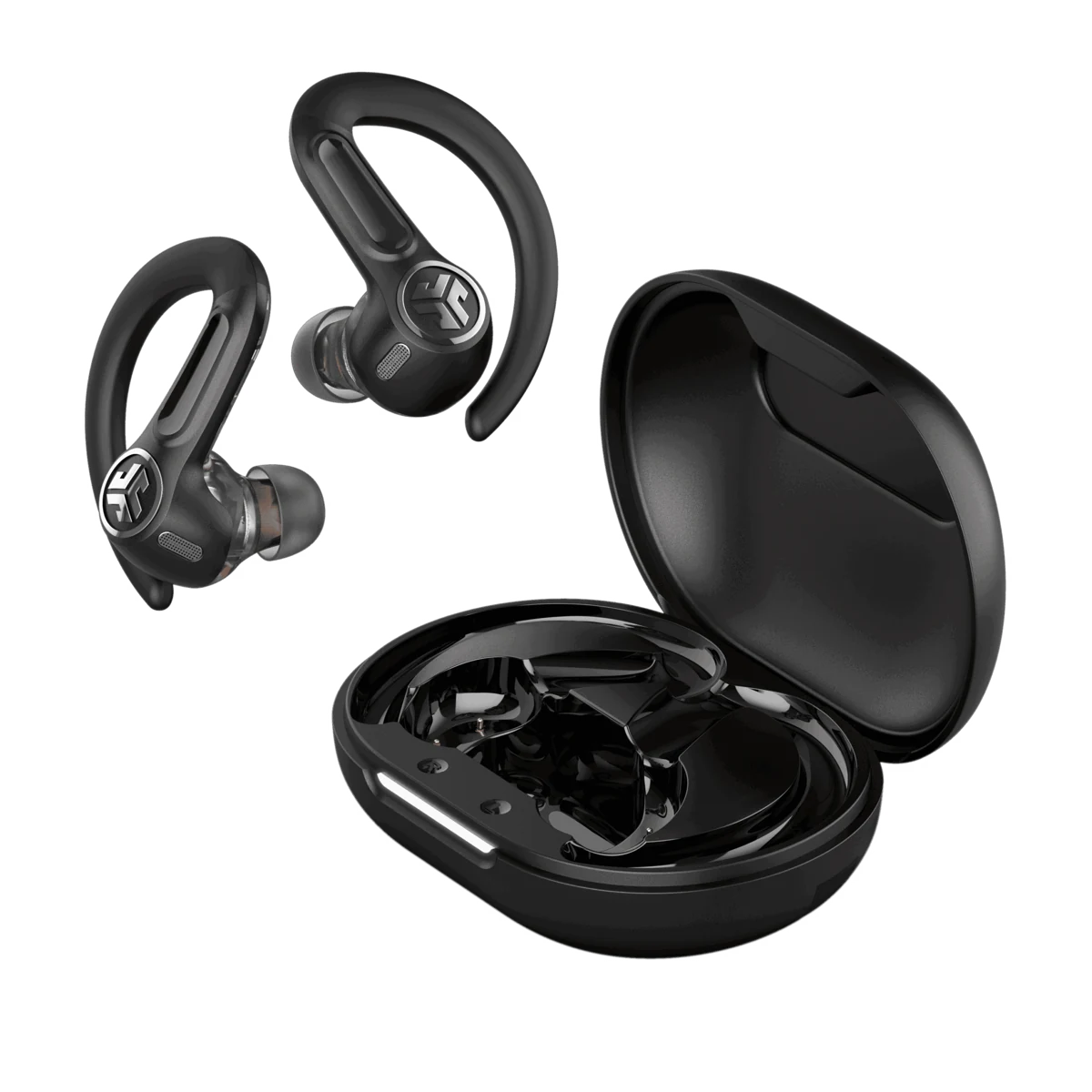 | JLab Epic Sport ANC 3Read the profile ↓ | Sport earbuds with ear hooks, IP66 and an interval timer | Amazon |
How this editorial ranking was made
We assess the sport-specific combination of fit, protection, sound, awareness, battery life, controls and workout features. The positions express editorial priorities, rather than a standardized laboratory score. Higher IP numbers or longer advertised battery life alone do not determine the overall order.
Independent evidence matters, but a model with a smaller test base is not automatically unsuitable for sport. Sensor measurements, operating-system support and app compatibility must be assessed for the way you actually train. A personal fit check remains essential.
Start with secure fit and useful controls
Ear hooks can improve stability during movement, while adjustable hooks offer extra flexibility. Physical controls can be easier to operate when your hands are sweaty. A rich feature list is useful only when the controls and app fit your routine.
Rank 10
JLab Epic Sport ANC 3
- Design
- In-ear · ear hooks
- Protection
- IP66
- Noise mode
- Hybrid ANC + Be Aware
- Battery
- 12+ h / 52+ h with case (tech specs); manufacturer FAQ: 68+ h total
Tenth place reflects the evidence available for this comparison, rather than a claim that these earbuds are unsuitable for sport. Their equipment is substantial. Inconsistent published battery figures and a smaller current independent test base prevent a higher position.
Gym and running sessions; people who want ANC, ear hooks and a customizable app.
People who prioritize consistent published battery figures or minimal dependence on an app.
Strengths
IP66; ear hooks; hybrid ANC; multipoint; LDAC on Android; interval timer; wireless charging.
Trade-offs
The manufacturer’s German pages give inconsistent total battery figures; several features rely on the app; fewer current independent German tests than for higher-ranked models.
Rank 9
soundcore Sport X20
- Design
- In-ear · adjustable ear hooks
- Protection
- IP68
- Noise mode
- Adaptive ANC
- Battery
- Up to 12 h / 48 h with case; ANC on: up to 7 h / 28 h (manufacturer)
A practical, robust sport design. Its adjustable hooks and protection rating are attractive, but the thinner current independent evidence base prevents a higher place in this editorial comparison. Consider it if fit adjustment matters more to you than the ranking alone.
Gym sessions, running and sweaty workouts, especially when adjustable ear hooks are important.
People who prioritize neutral sound or a particularly simple control system.
Strengths
Rotating and extendable ear hooks; IP68; long battery life; physical controls; multipoint; ANC.
Trade-offs
A bass-oriented sound; control ergonomics will not suit everyone; fewer substantial independent comparison results than for higher-ranked models.
Everyday comfort versus open listening
Support fins and compact cases can make one pair suitable for both everyday life and training. Open-ear models prioritize comfort and awareness of your surroundings. Their weaker isolation and deep bass are characteristics of the design, rather than faults that every model can eliminate.
Rank 8
Sony LinkBuds Fit
- Design
- In-ear · Air Fitting Supporter
- Protection
- IPX4
- Noise mode
- ANC + ambient sound
- Battery
- Up to 21 h total (Sony); CHIP measured about 7 h 22 min per charge with ANC off
A balanced option for workouts and daily use. For demanding outdoor sessions, the protection rating and the single support-fin size make it less flexible than more specialized sport models. Fit remains individual even with Sony’s soft support system.
People who want one compact pair for everyday use and training, with ANC and ambient listening.
Anyone who prioritizes a higher water protection rating or needs support fins in several sizes.
Strengths
Very good sound in the cited CHIP test; a compact case; ANC and automatic ambient listening; multipoint; a supportive fit.
Trade-offs
IPX4; support fins come in one size; useful but not leading battery performance.
Rank 7
HUAWEI FreeArc
- Design
- Open-ear · C-Bridge ear hooks
- Protection
- IP57
- Noise mode
- Open-ear; no conventional listening ANC
- Battery
- Up to 7 h / 28 h with case (manufacturer)
A convincing open-ear workout option with a flexible fit. It places behind the Shokz models because controls, case size and software support are less universal in this assessment. IP57 remains a useful distinguishing feature.
Running and training with an open listening experience and a relatively high protection rating.
People who want deep bass, a small case or the same app installation experience on every platform.
Strengths
IP57; flexible C-Bridge fit; dual-device connection; very good sport comfort in the cited CHIP test.
Trade-offs
Limited bass from the open design; a relatively large case; the route to installing the AI Life app depends on the platform.
Open-ear listening: comfort and awareness
A free ear canal can be appealing on longer wearing sessions and outdoor runs. However, music volume, traffic and wind still affect what you can hear. An open design is not a safety guarantee, and it does not provide the same isolation as a sealed in-ear design.
Rank 6
Shokz OpenFit Air 2
- Design
- Open-ear · ear hooks
- Protection
- IP55
- Noise mode
- Open-ear; no conventional listening ANC
- Battery
- Up to 8 h / 36 h with case (manufacturer)
A comfortable, lightweight open-ear option. It sits behind the OpenFit 2+ because its sport stability and overall equipment are less convincing in this comparison. For long wearing sessions and casual activity, comfort can matter more than its position in the ranking.
Long wearing sessions, relaxed runs and people who dislike pressure in their ear canals.
Bass enthusiasts or anyone seeking isolation in a noisy fitness studio.
Strengths
Low weight; IP55; physical buttons; multipoint; a current 2026 model; useful battery reserve.
Trade-offs
Limited deep bass; the fixed ear hooks cannot be individually shaped; CHIP observed some movement during sport.
Rank 5
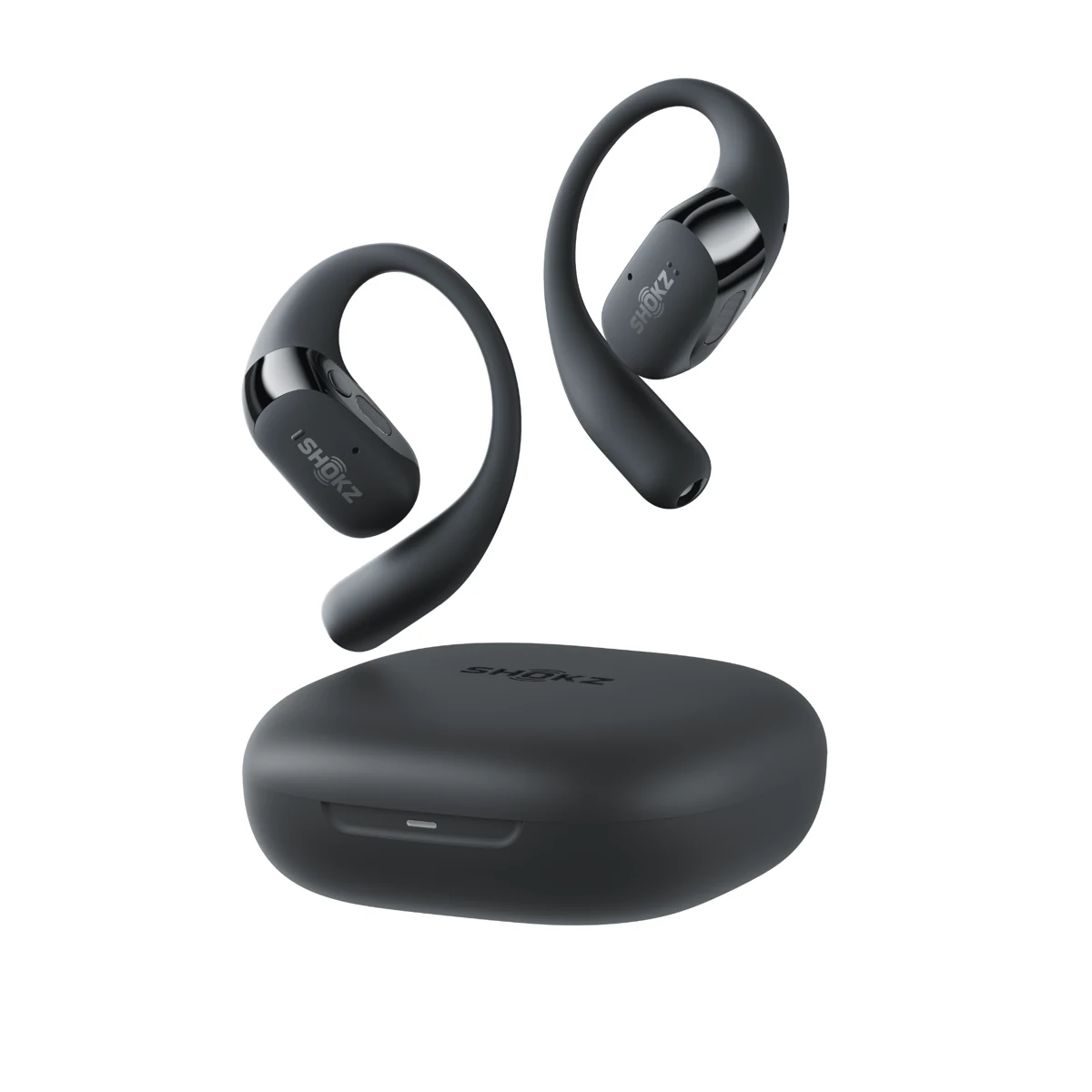
Shokz OpenFit 2+
- Design
- Open-ear · ear hooks
- Protection
- IP55
- Noise mode
- Open-ear; no conventional listening ANC
- Battery
- Up to 11 h / 48 h with case (manufacturer)
Our highest-ranked open-ear option combines awareness with substantial endurance. The Plus version adds features including wireless charging. Bass and isolation remain limited by the open design, which is a trade-off to consider when choosing earbuds for a loud gym.
Outdoor running, walking and people who prefer to leave their ear canals open.
People who want strong sub-bass or substantial isolation in a noisy gym.
Strengths
An open ear canal; secure hooks; long battery life; physical buttons plus touch controls; wireless charging on the Plus version.
Trade-offs
Less deep bass than closed in-ear designs; ear hooks are not adjustable; sport comfort was good rather than outstanding in the cited CHIP test.
When workout sensors add real value
Heart-rate tracking can be useful if the earbuds work with your chosen fitness app. Temperature sensors and deeper training-platform integration are more specialized features. Check supported devices before buying, and consider whether a sports watch or chest strap would suit your routine better.
Rank 4
Sennheiser MOMENTUM Sport
- Design
- In-ear · ear fins
- Protection
- IP55 earbuds / IP54 case
- Noise mode
- ANC + transparency mode
- Battery
- Battery figures vary by mode; solid endurance in the cited CHIP test
Ranked fourth for its unusual combination of workout sensors and strong sound. It loses ground on ANC and endurance, but remains particularly interesting for athletes who want training data from their earbuds. Check compatibility with your devices and fitness apps before buying.
Athletes who want sound, workout sensors and integration with Polar.
People whose main priorities are maximum battery life or class-leading ANC.
Strengths
Heart-rate and body-temperature sensors; several ear-fin sizes; IP55; multipoint; wireless charging.
Trade-offs
ANC was only average in the cited CHIP test; battery performance is solid rather than leading; Polar Flow matters for full use of the training sensors.
Rank 3
Apple AirPods Pro 3
- Design
- In-ear · silicone tips
- Protection
- IP57
- Noise mode
- ANC + transparency mode
- Battery
- Up to 8 h per charge with ANC (manufacturer)
An advanced compact option with a stronger sport feature set than earlier AirPods generations. It places behind the two ear-hook models because mechanical stability without an external hook depends more on the fit of the tips. Its appeal is greatest within the Apple ecosystem.
iPhone users looking for earbuds for both workouts and everyday listening.
Android users who need the full feature set, or anyone who specifically wants external ear hooks.
Strengths
IP57; heart-rate tracking; very good ANC and sound in the cited CHIP test; five tip sizes; a compact design.
Trade-offs
Many features depend on Apple devices; no external ear hooks; stability still depends on individual ear shape.
The top two: constructions designed for movement
Our leading models use ear hooks and a clear sport-oriented construction. JBL emphasizes protection and a robust fit. Beats combines stability with direct controls, heart-rate tracking and battery reserve. Choose between these priorities according to your training environment.
Rank 2
JBL Endurance Peak 4
- Design
- In-ear · TwistLock ear hooks
- Protection
- IP68 earbuds / IPX2 case
- Noise mode
- Adaptive ANC + Smart Ambient
- Battery
- Up to 12 h / 48 h with case, ANC off (manufacturer)
Ranked second for its clear focus on sport and substantial protection from water and dust. Stiftung Warentest lists the model in its 2026 headphone tests; its detailed individual scores require paid access. The earbuds and charging case have different protection ratings.
Sweaty workouts, outdoor sessions and runners who value a durable construction.
People who need a particularly small case or prefer a neutral sound without EQ adjustment.
Strengths
IP68 earbuds; secure TwistLock design; multipoint; up to 48 hours including the case with ANC off; app controls for ambient listening and workouts.
Trade-offs
The case is relatively large and rated only IPX2; a bass-focused presentation; shorter battery life with ANC enabled.
Rank 1
Beats Powerbeats Pro 2
- Design
- In-ear · flexible ear hooks
- Protection
- IPX4
- Noise mode
- ANC + transparency mode
- Battery
- Up to 10 h / 45 h with case (manufacturer)
Our overall choice combines a secure construction, direct controls, battery reserve and workout sensors. The cited CHIP test supports the assessment of sound and endurance. JBL offers greater water protection, while Beats combines a broad feature set with support for both major phone platforms.
Running, strength training and HIIT; people who want ear hooks and physical volume controls.
People who train frequently in heavy rain or want a fully adjustable app equalizer.
Strengths
Ear hooks help during dynamic movement; physical volume controls; heart-rate tracking; strong measured battery performance in the cited CHIP test; support for Apple and Android.
Trade-offs
IPX4 rather than a higher protection rating; ANC is not continuously adjustable; no fully configurable equalizer in the Beats app.
Buying guide: six decisions that matter
1. Check fit before features
Try the supplied tip and fin sizes. Move your head, bend down and check whether the earbuds remain stable without uncomfortable pressure. Tips, hooks and ear fins work differently for different ear shapes.
2. Read IP ratings carefully
IPX4 describes splash protection. IP55 includes a defined level of dust and water-jet protection; IP57 and IP68 involve different, more demanding conditions. Manufacturer limits still apply. The charging case may have a lower rating or no documented water protection.
3. Open-ear or in-ear?
Open-ear designs keep the ear canal free and make surrounding sounds more present. They usually provide less deep bass and little isolation in loud gyms. Sealed in-ear models with ANC can support focused listening, while also reducing awareness of important outside sounds.
4. ANC is not automatically better outdoors
ANC can be useful when commuting or in a gym. Maximum isolation is not always desirable when running near traffic. Transparency modes and open-ear designs can help with awareness, but they do not replace attention to the surroundings.
5. Buy sensors for a compatible routine
Heart-rate tracking in the ear can be practical for training without a watch or sending readings to supported fitness apps. Check the actual device, operating-system and app requirements. These sensors are not medical diagnostic devices.
6. Check the app and platform requirements
Apple, Beats, Huawei, Sennheiser, Sony, JBL, soundcore and JLab offer different software experiences. Some functions require a manufacturer app or a particular operating system. Firmware updates, equalizers and gesture settings may depend on it.
Frequently asked questions
Are open-ear earbuds safer for running?
They usually let more surrounding sound through than sealed in-ear models. That can help, but it is not a safety guarantee. Traffic, wind and music volume still influence what you hear.
What protection rating is useful for sweaty training?
Documented splash protection may be enough for normal indoor sessions. Frequent running in rain or very sweaty workouts can justify a higher protection rating. Follow the manufacturer’s guidance for drying and charging.
Do I need ANC at the gym?
Not necessarily. ANC can reduce steady background noise, while a good passive seal already helps. If you need to hear a trainer or other people, transparency mode or an open-ear design may be more practical.
How important is heart-rate tracking?
It is an extra, rather than a requirement. Powerbeats Pro 2, AirPods Pro 3 and MOMENTUM Sport combine listening with training sensors. A watch or chest strap may still be the more flexible option for many people.
Can I use sports earbuds while cycling?
That depends on the traffic situation and applicable rules. Keep the volume low enough to hear relevant signals. Open-ear listening can support awareness, but it does not replace concentration.
Conclusion
Beats Powerbeats Pro 2 is our most balanced overall choice for training stability. JBL Endurance Peak 4 offers a more robust alternative with IP68 protection. Shokz OpenFit 2+ is our leading option for people who deliberately prefer an open-ear design. AirPods Pro 3 combines everyday use and workouts particularly well for Apple users, while Sennheiser MOMENTUM Sport offers an unusually substantial set of training sensors.
The decisive factor remains fit in your own ears. A model can look perfect on paper and still press or slip. Check the return and warranty conditions on the selected Amazon product page before ordering.
Sources and information date
Information checked on 5 October 2026. Manufacturer specifications and independent tests are distinguished. Amazon commission and daily retailer prices do not determine the ranking.
- Beats Powerbeats Pro 2 — manufacturer
- Beats Powerbeats Pro 2 — independent assessment
- JBL Endurance Peak 4 — manufacturer
- JBL Endurance Peak 4 — independent assessment
- Apple AirPods Pro 3 — manufacturer
- Apple AirPods Pro 3 — independent assessment
- Sennheiser MOMENTUM Sport — manufacturer
- Sennheiser MOMENTUM Sport — independent assessment
- Shokz OpenFit 2+ — manufacturer
- Shokz OpenFit 2+ — independent assessment
- Shokz OpenFit Air 2 — manufacturer
- Shokz OpenFit Air 2 — independent assessment
- HUAWEI FreeArc — manufacturer
- HUAWEI FreeArc — independent assessment
- Sony LinkBuds Fit — manufacturer
- Sony LinkBuds Fit — independent assessment
- soundcore Sport X20 — manufacturer
- soundcore Sport X20 — independent assessment
- JLab Epic Sport ANC 3 — manufacturer
- JLab Epic Sport ANC 3 — independent assessment
Image credits: Beats/Apple, JBL/HARMAN, Sennheiser, Shokz, Huawei, Sony, soundcore/Anker and JLab/Knowles.