
Versatile roll
Choose with purpose. Apply with care. Keep moving.
Colourful strips on a knee, white tape around a wrist and narrow strips on fingers serve different purposes. Start with what you need the tape to do. These ten options and practical instructions help you choose a suitable format and avoid common application mistakes.
For a cautious trial on sensitive skin. Discuss known adhesive allergies first.
View on Amazon.de ↗Advertising / affiliate links: FitRecover may earn a commission from qualifying purchases made through these Amazon.de links, at no extra cost to you.
| # | Product | Particularly useful for | Amazon.de |
|---|---|---|---|
| 01 | CureTape Classic 5 cm × 5 m | Versatile elastic roll | View on Amazon.de ↗ |
| 02 | KT Tape Pro 20 × 25 cm | Precut and easy to prepare | View on Amazon.de ↗ |
| 03 | 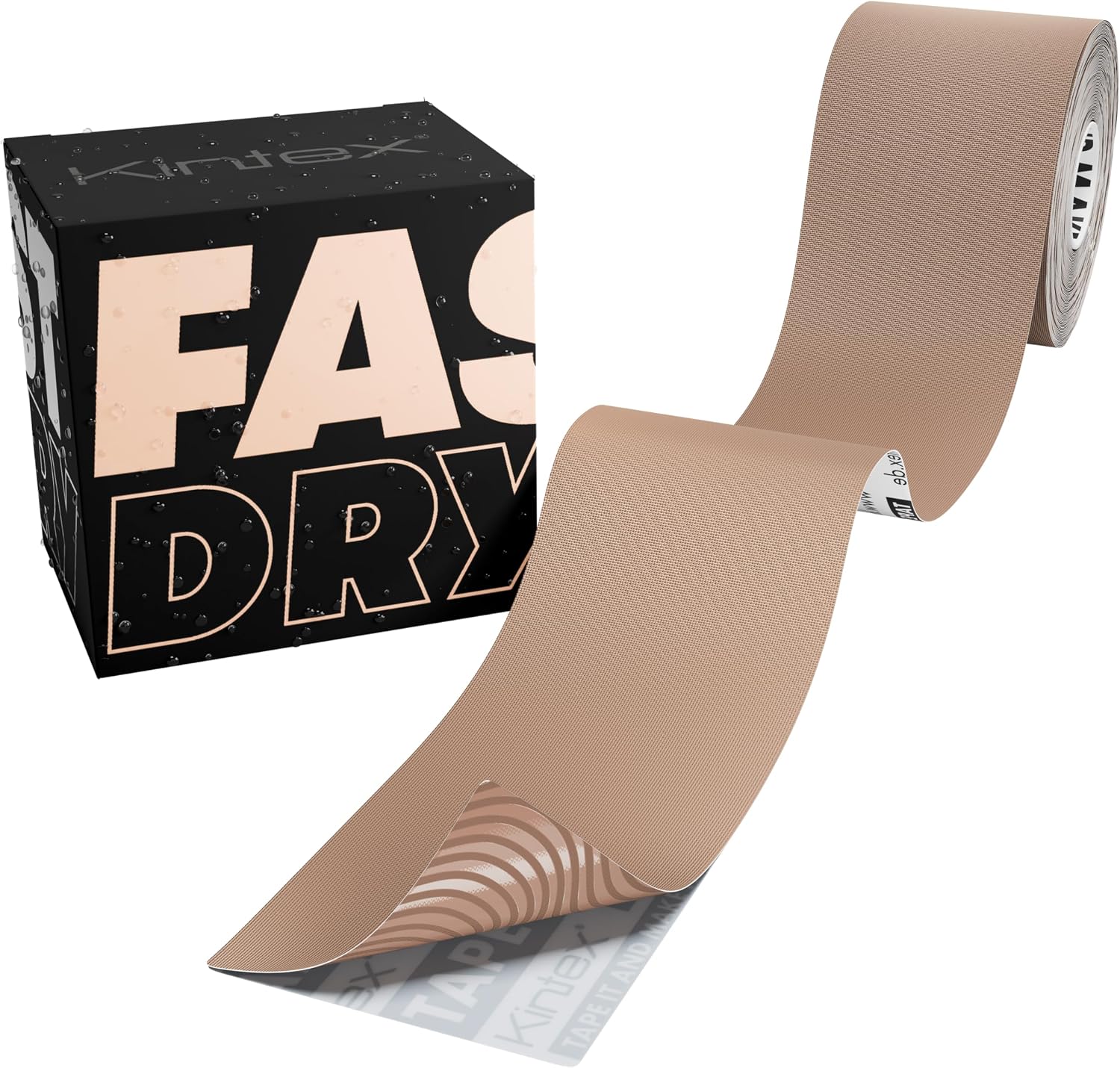 Kintex FastDry 5 cm × 5 m | An option for water exposure | View on Amazon.de ↗ |
| 04 | 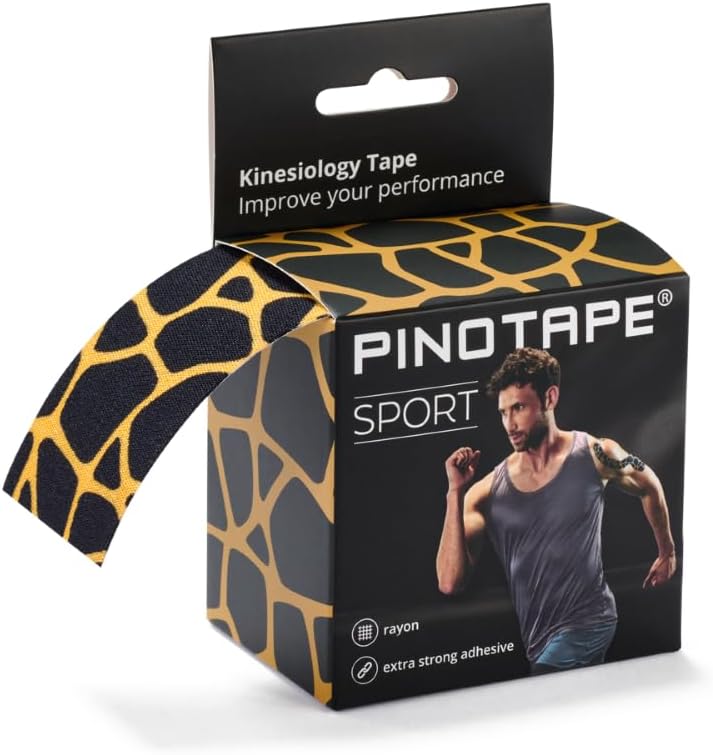 PINOTAPE Sport Savannah 5 cm × 5 m | Sports line with a bold pattern | View on Amazon.de ↗ |
| 05 | 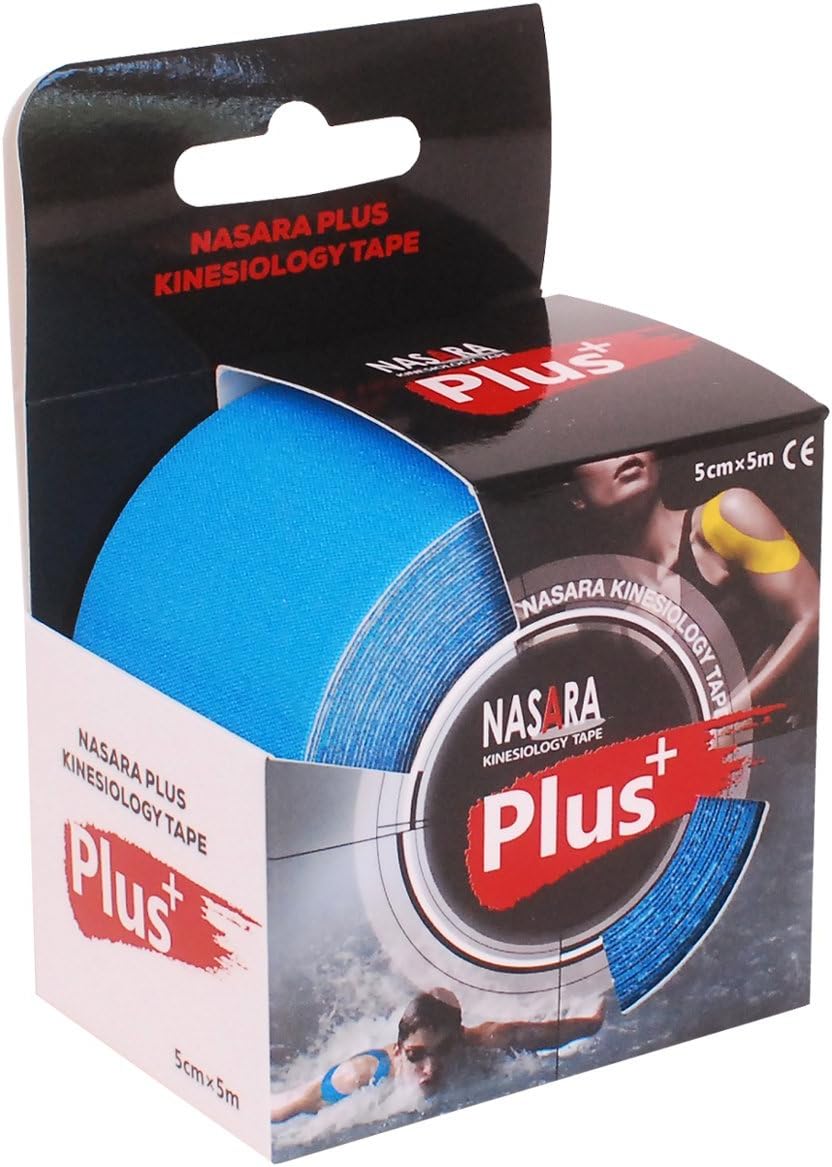 NASARA Plus 5 cm × 5 m | A synthetic alternative | View on Amazon.de ↗ |
| 06 | 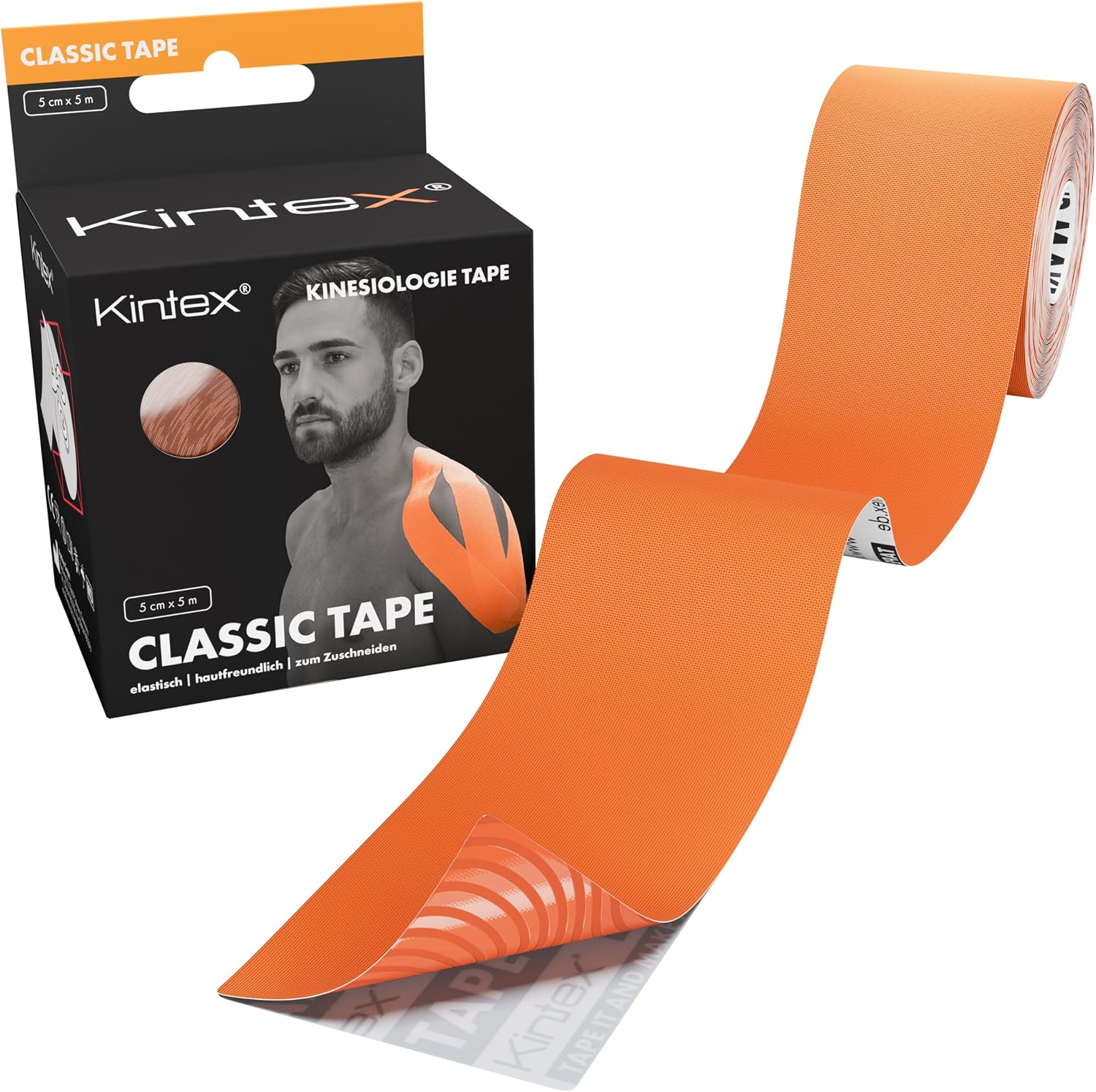 Kintex Classic 5 cm × 5 m | A classic roll for learning | View on Amazon.de ↗ |
| 07 | CureTape Gentle 5 cm × 5 m | Gentler adhesive | View on Amazon.de ↗ |
| 08 | 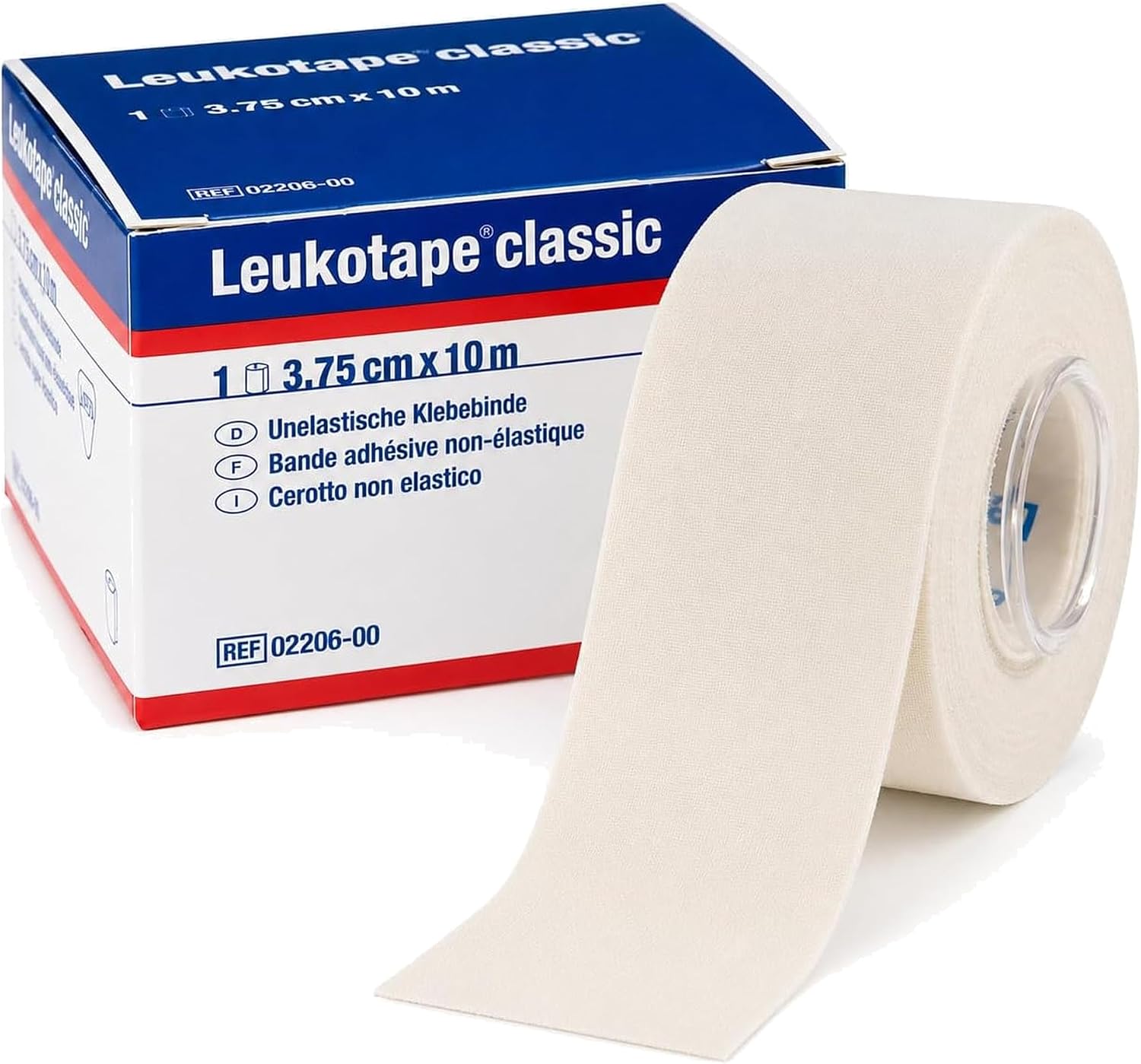 Leukotape Classic 3,75 cm × 10 m | Rigid functional strapping | View on Amazon.de ↗ |
| 09 | 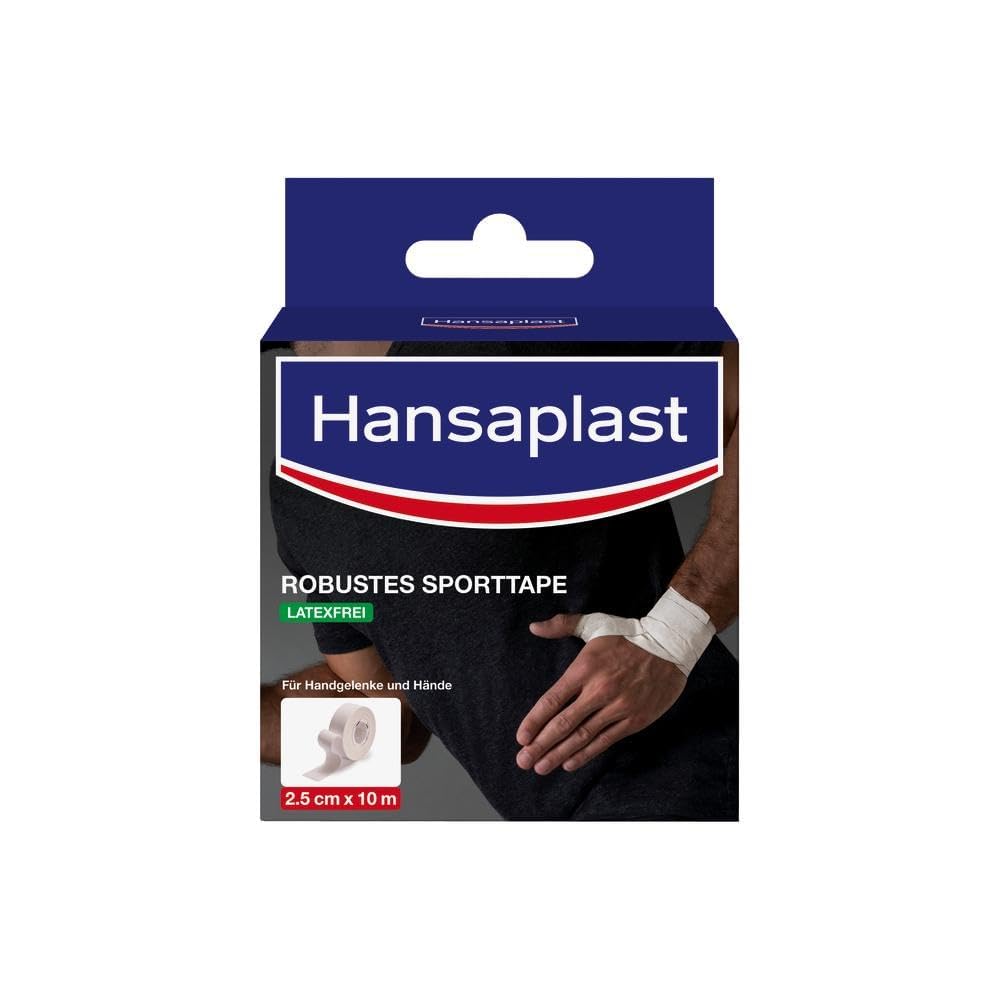 Hansaplast Robustes Sporttape 2,5 cm × 10 m | Narrower rigid sports tape | View on Amazon.de ↗ |
| 10 | 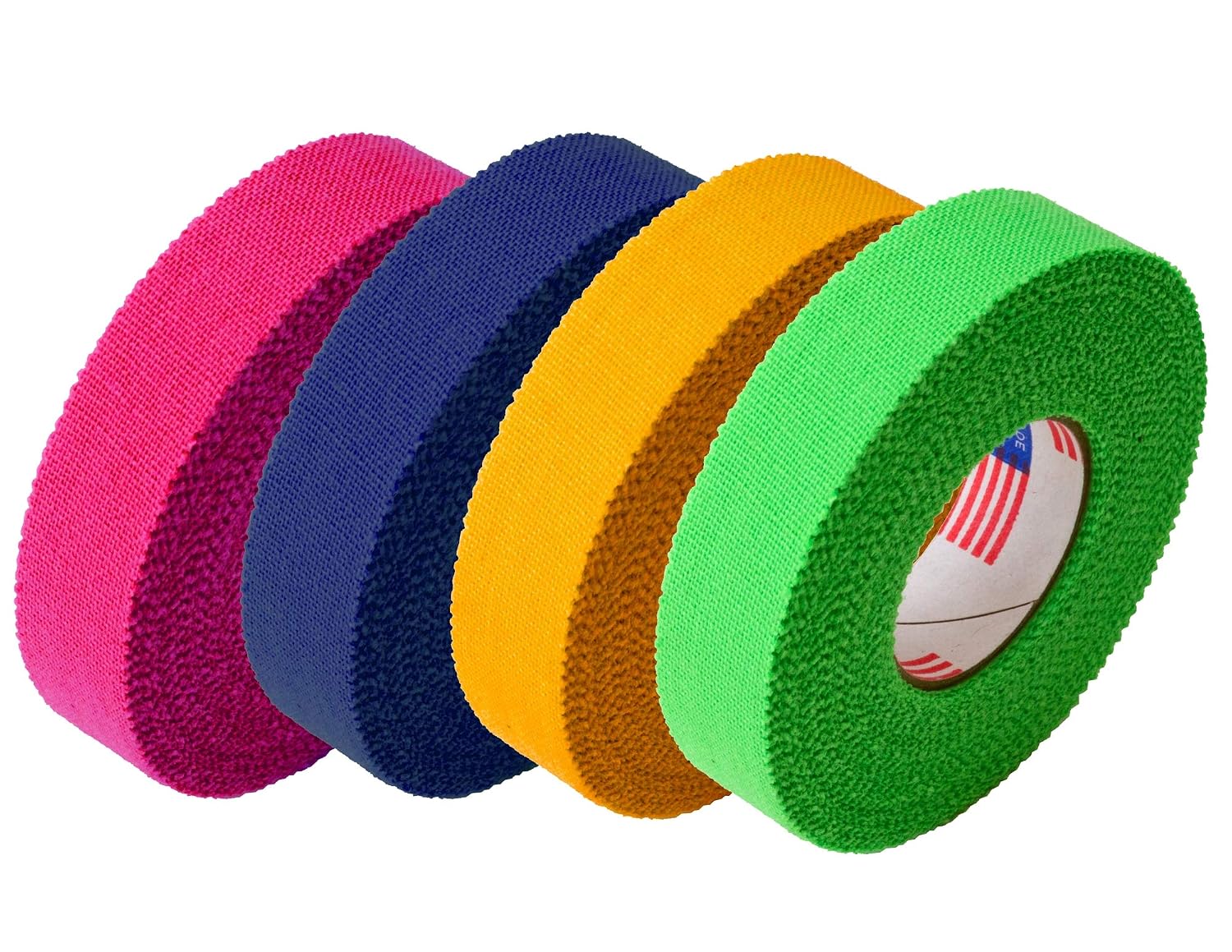 Metolius Finger Tape 2 × 13 mm | Narrow tape for climbing fingers | View on Amazon.de ↗ |
An editorial comparison of tape type, format, cutting options and adhesive characteristics based on product information; no hands-on test. The order favours versatile elastic tapes. Ranks 8–10 cover different uses and are not direct substitutes. A higher rank does not demonstrate a better medical effect.
Elastic strips that allow movement. A possible addition for an already assessed movement problem; they do not replace a supportive dressing.
Non-elastic material for targeted functional strapping. It limits movement. Have a qualified professional demonstrate the appropriate technique.
Narrow strips for small contact areas, for example in climbing. An appropriate application may shield intact skin from friction; it does not heal tendon or pulley injuries.
What can you expect? A Cochrane review of rotator cuff disorders found uncertain effects on pain and function. This does not establish healing claims or superiority of individual brands. Choose for the intended use and skin tolerance. [11]
This Metolius pack contains two narrow rolls, approximately 13 mm wide. The format suits small areas without splitting a broad roll. The link selects the lime-green variant. [10]
Taping is not proven to reliably prevent a pulley injury.
Suitable use: Shielding intact skin at climbing contact areas.
The linked Hansaplast roll is 2.5 cm wide and 10 m long. Its rayon material is described as latex-free. A narrower format may suit smaller areas, but it is unsuitable for an elastic muscle application. [9]
Restricts movement; do not wrap tightly around fingers or wrists.
Suitable use: A targeted rigid application after instruction.
Leukotape Classic is non-elastic tape for functional strapping. The linked model is the white 3.75-cm roll. Its aim differs from kinesiology tape: deliberately restricting movement. [8]
Contains natural rubber latex; technique and skin tolerance matter. [17]
Suitable use: Functional strapping under professional guidance.
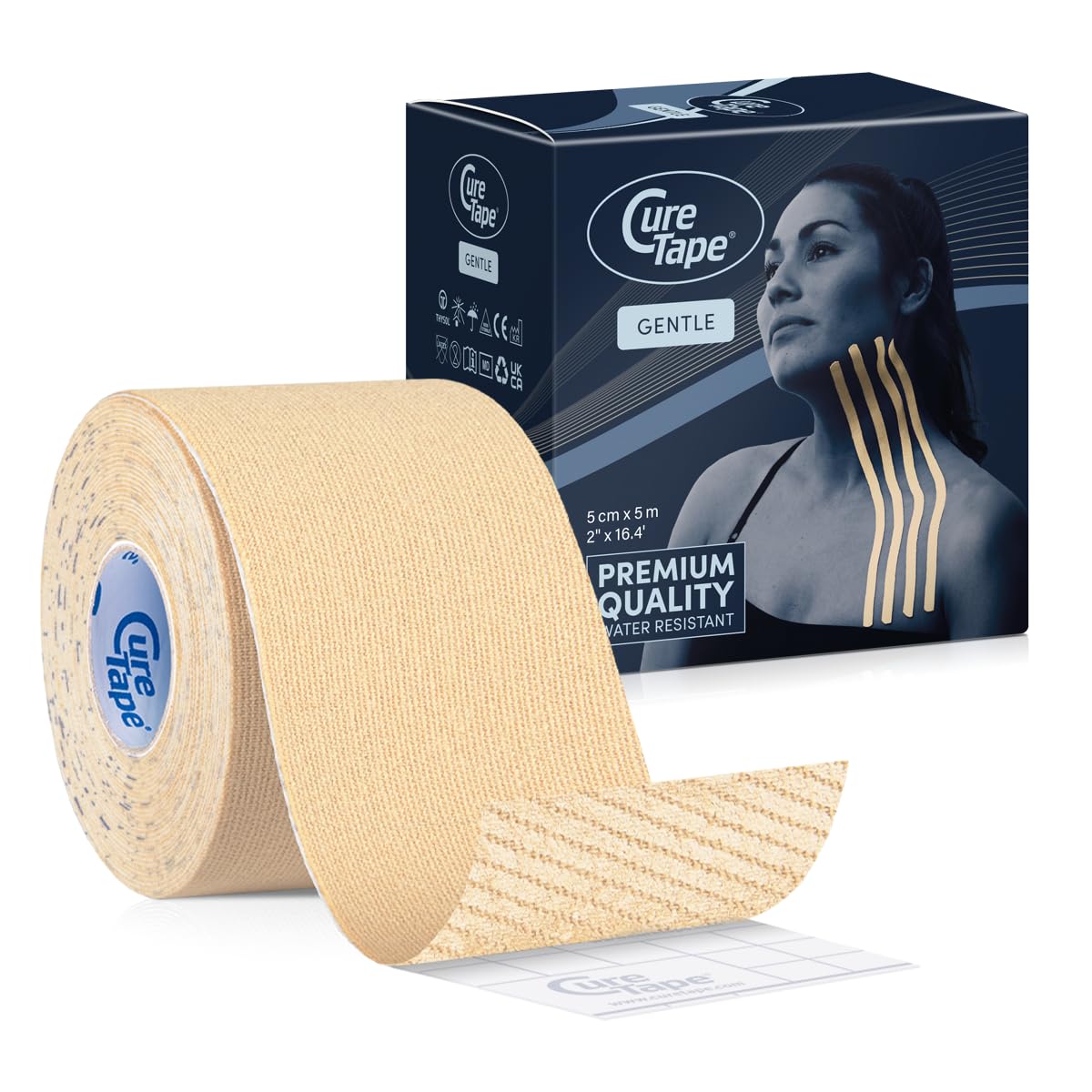
CureTape Gentle is intended for more sensitive skin and uses a milder adhesive, according to its manufacturer. We would prioritise that feature over maximising wear time. A patch test is still needed. [7]
No allergy guarantee; seek advice for fragile or diseased skin.
Suitable use: Careful material selection when a professional considers elastic tape appropriate.
These steps explain handling the material. Strip direction, body position and tension depend on the intended application. Have your first knee, shoulder or Achilles application demonstrated; do not transfer a random pattern to unexplained pain.
Kintex Classic uses the common 5 cm × 5 m format. Adjust the length and strip shape to an application you have been shown. Start with a simple repeatable cut rather than a complicated pattern. [6]
Preparation and learning take longer than using precut strips.
Suitable use: Learning to handle an elastic roll step by step.
NASARA Plus uses synthetic fabric and is described as allowing rapid moisture exchange. Consider it when comparing different backing materials. Make sure the listing specifically says Plus. [5]
Do not confuse it with classic NASARA cotton tape.
Suitable use: Repeated sports use when you prefer a synthetic backing.
| Situation | Practical choice | What to do |
|---|---|---|
| Running, gym and varied movement | Elastic roll or precut | Tape only an already assessed problem. Walk or try a light exercise first; do not increase the load because you are wearing tape. |
| Heavy sweating or water exposure | FastDry, NASARA Plus or a Sport variant | Apply to dry skin well in advance. Pat dry afterwards. Water resistance does not mean unlimited adhesion. |
| Targeted movement restriction | Rigid sports tape | Have the strapping applied correctly. Do not improvise a tight continuous wrap around a limb or finger. |
| Bouldering and climbing | Narrow finger tape | Cover only the necessary area of intact skin; preserve movement and circulation. Have finger or pulley pain assessed first. |
PINOTAPE Sport Savannah combines a cut-to-length rayon roll with an adhesive the manufacturer describes as strong. Consider it when comparing a sports line with standard cotton tape. The design is a matter of preference. [4]
A stronger adhesive is not automatically better for sensitive skin.
Suitable use: An elastic sports application after checking skin tolerance.
FastDry is a 5-cm elastic roll with a backing described as predominantly rayon. Its quick-drying design is the main distinction. Compare it if prolonged dampness in cotton tape bothers you. [3]
It still needs dry skin at application and time to adhere.
Suitable use: Sweaty training or water exposure after adequate bonding time.
Check your skin and comfort daily. A manufacturer’s maximum wear time is a ceiling, not a target. Pat dry after water; remove immediately for irritation, blisters or burning. Do not treat rigid strapping like a multi-day kinesiology application. [13]
Common errors include applying to sweaty skin, stretching the ends, trying to fix a poor application with extra adhesive and training through pain. Adding more strips cannot make an unsuitable technique appropriate. [12] [14]
Do not apply to open wounds, rashes or infected skin. Do not experiment with a known adhesive allergy. Seek professional advice first for reduced sensation, circulation problems, fragile skin or unexplained swelling. Leukotape Classic contains natural rubber latex; avoid it with a relevant allergy. [13] [17] [19]
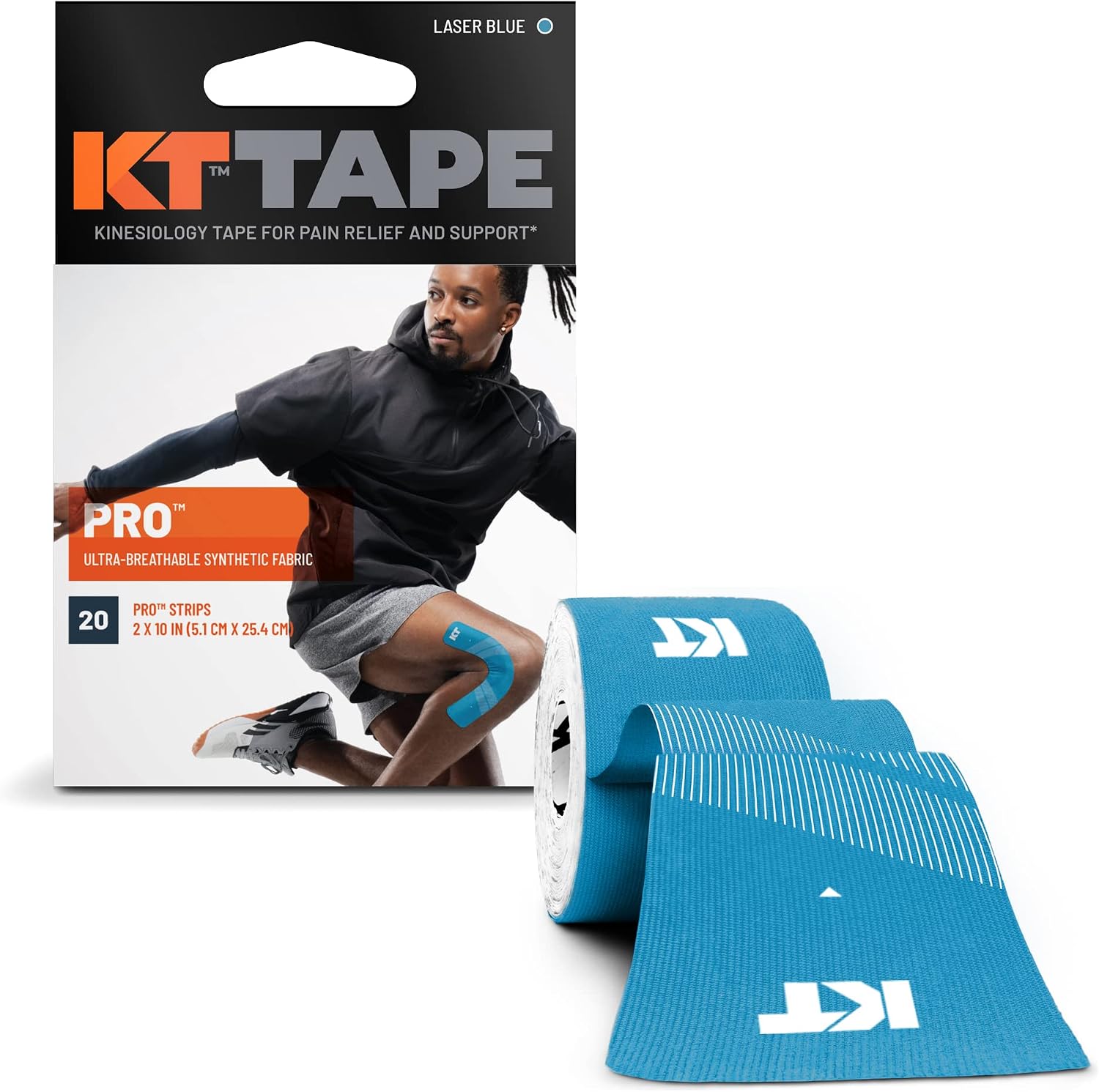
KT Tape Pro provides 20 precut synthetic strips. Preparation is straightforward if the standard length suits your application. An uncut roll remains more flexible for unusually short or long patterns. [2]
The preset format will not suit every body area.
Suitable use: Repeated applications using a consistent strip length.
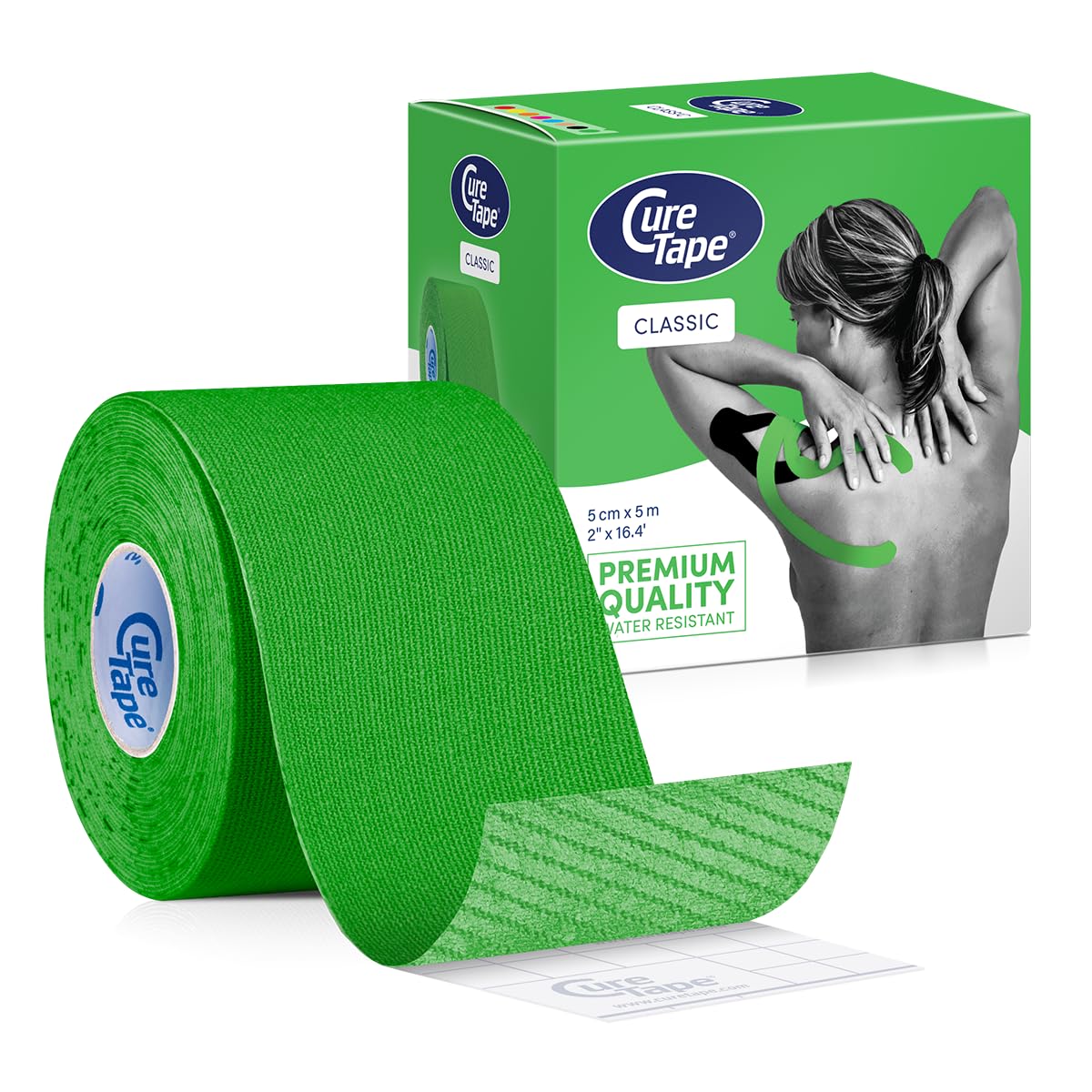
This 5-cm elastic cotton roll can be cut into different strip lengths. We place it first because a flexible format is practical for learning and repeated use. Allow time for measuring and cutting. [1]
Needs scissors and suitable instructions; skin-friendly does not exclude reactions.
Suitable use: An elastic application already demonstrated for everyday activity or training.
On Amazon, match the size, product line and variant listed here. Offers, sellers, delivery and return conditions can change.
CureTape Classic or Kintex Classic: cut to size and learn a suitable application.
KT Tape Pro is practical when the standard strip length suits your application.
CureTape Gentle has a milder adhesive. “Sensitive” or “hypoallergenic” still does not mean allergy-proof.
Pick a colour you like. Colour alone does not establish a different effect; the actual product line, backing and adhesive matter.
Follow the appropriate instructions for that particular application. Leave the start and end unstretched. One percentage for every body area would be misleading.
Follow your product instructions and check the skin daily. Stop immediately if symptoms develop, even before the maximum wear time.
Allow the adhesive time to bond; about an hour is a common manufacturer recommendation. This does not establish whether an injury can tolerate training.
No. It does not replace diagnosis, appropriate load management or rehabilitation. Persistent or new symptoms need their cause assessed.
Product features: linked model pages. Application: manufacturer guidance and clinical patient information. Medical effectiveness: Cochrane. Editorial date: 22 October 2026.